

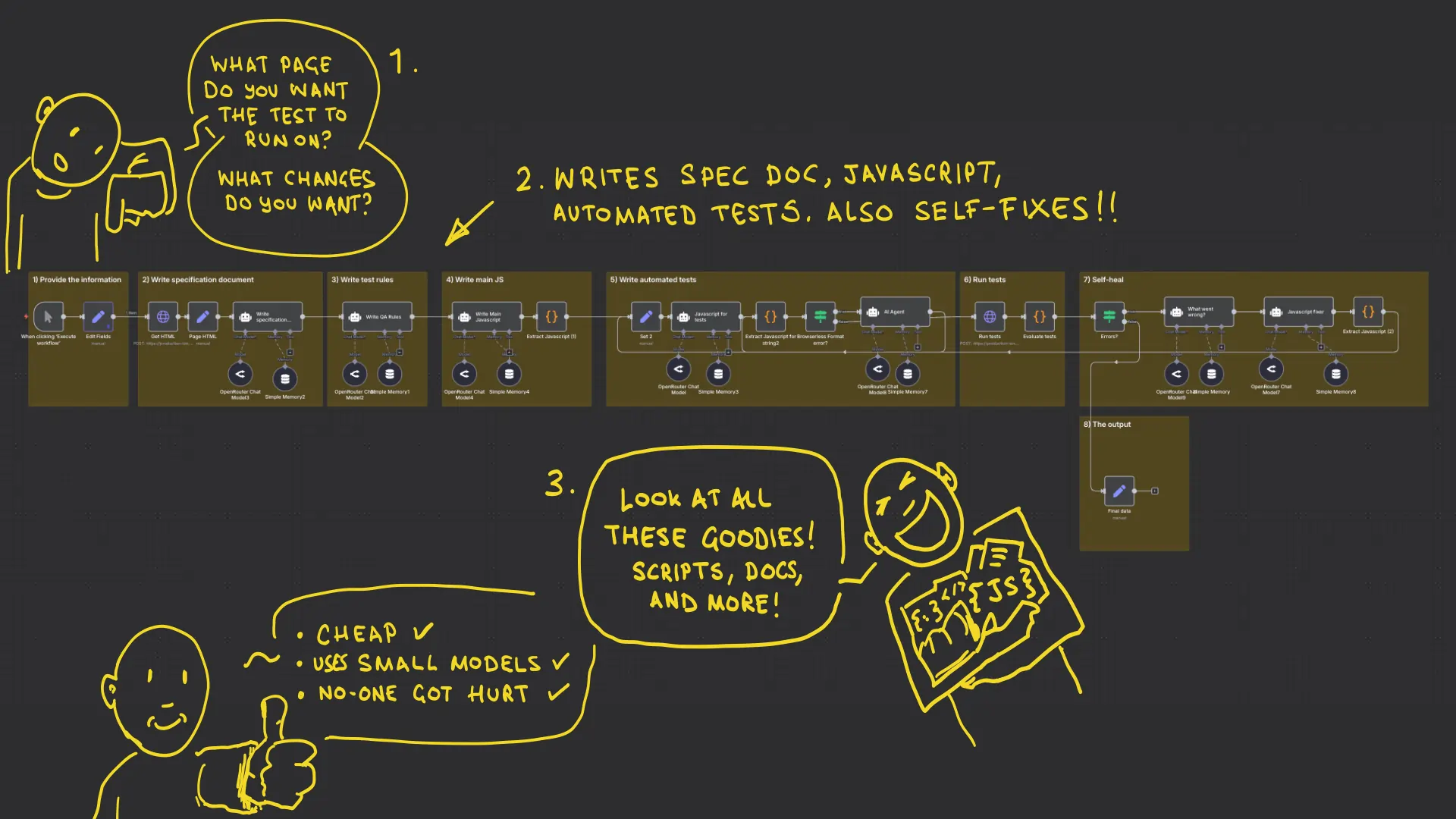
The landscape of conversion rate optimization (CRO) and digital experimentation is undergoing a fundamental shift as engineering teams seek to balance the demand for rapid testing with the constraints of technical debt and development costs. A new methodology has emerged that leverages Small Language Models (SLMs) and low-code automation to facilitate the creation, quality assurance, and "self-healing" of JavaScript code for client-side A/B tests. By utilizing specialized workflows, organizations are now able to generate reliable experimentation code for as little as $0.06 per experiment, challenging the traditional reliance on high-cost Large Language Models (LLMs) and manual developer intervention for routine tasks.
The Evolution of Experimentation Development
Traditionally, the development of A/B tests has been a bottleneck for growth teams. Client-side testing requires precise JavaScript to manipulate the Document Object Model (DOM) without introducing "flicker" or breaking existing site functionality. This process usually involves a linear path: a strategist defines a hypothesis, a developer writes the code, and a QA engineer tests it across various environments. Each step adds time and cost, often leading to a high "per-test" price tag that limits the volume of experiments a company can run.
The introduction of generative AI initially promised to solve this, but early attempts using massive models like GPT-4 or Claude 3.5 Sonnet often resulted in "token-maxing"—the excessive consumption of computational resources—and a lack of determinism. Developers found that while AI could write code, it often failed to account for the specific technical nuances of a client’s website, leading to broken experiments and manual fixes that negated the efficiency gains.

The emerging framework, developed by experimentation consultant Iqbal Ali, shifts the focus from raw power to structured, serialised workflows. By breaking the development process into discrete nodes and utilizing SLMs, the system introduces a level of rigor previously reserved for manual engineering.
Technical Architecture: The n8n and Browserless Ecosystem
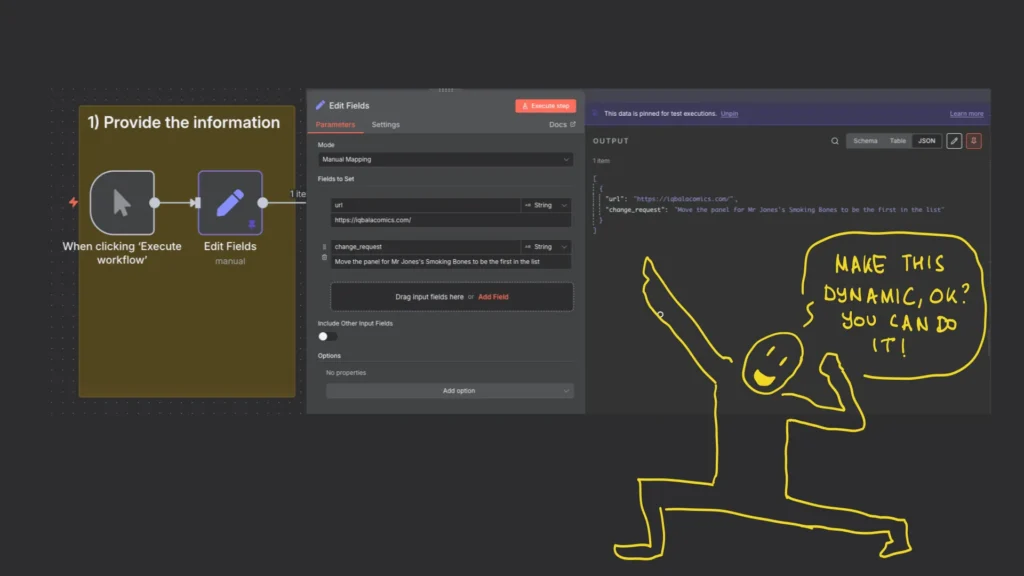
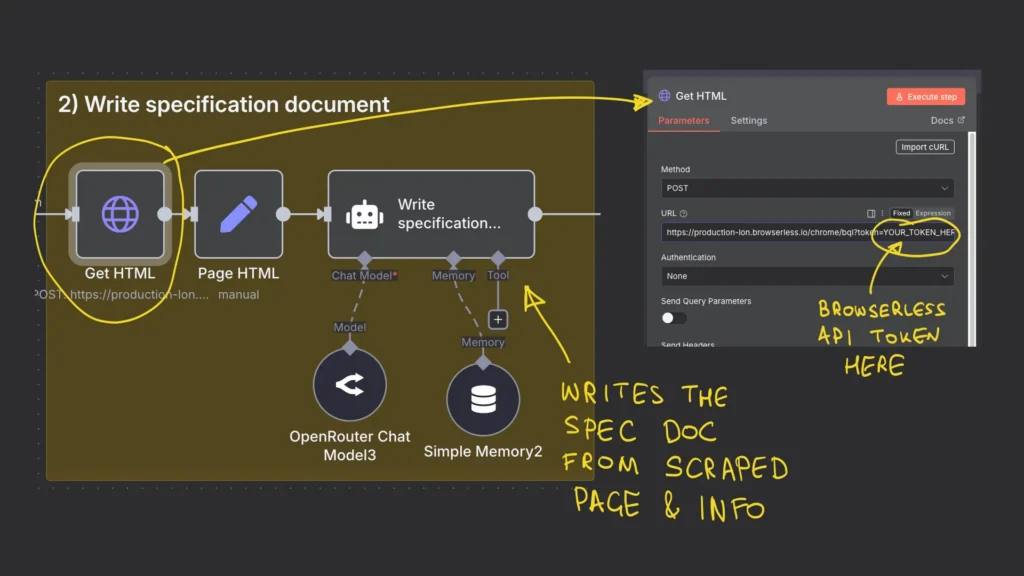
The workflow is built upon n8n, an extendable automation tool, and integrates with Browserless, a headless browser service. The process is designed to mimic the professional hierarchy of a software engineering team. It begins with the ingestion of a URL and a plain-language description of the desired change, such as reordering panels on a product page or modifying a call-to-action.
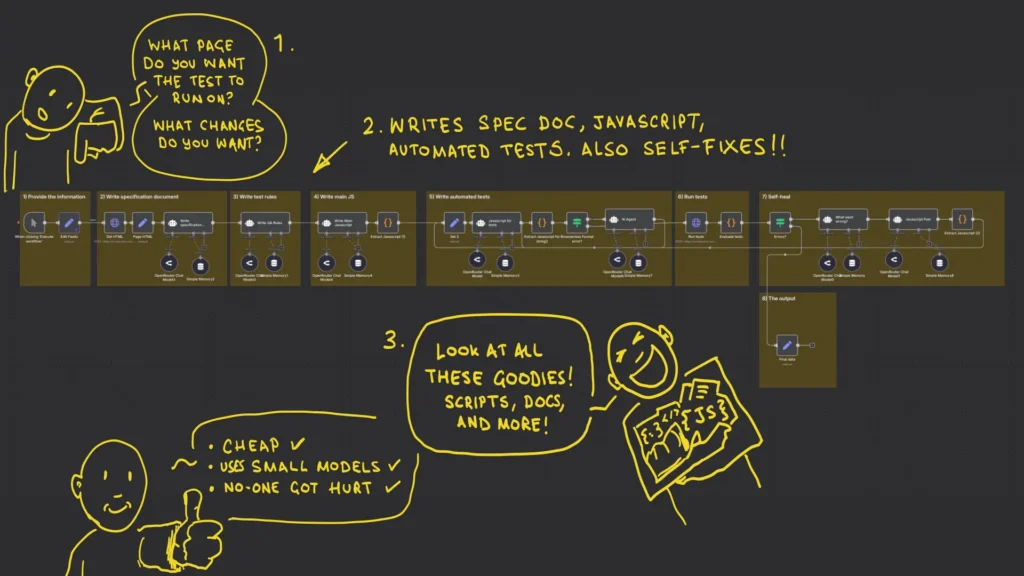
The workflow operates through a series of logical stages:
- Specification Generation: Rather than asking the AI to write code immediately, the system first generates a technical specification document. This document acts as a "Senior Developer" brief, outlining the DOM elements involved, the logic required, and the potential pitfalls.
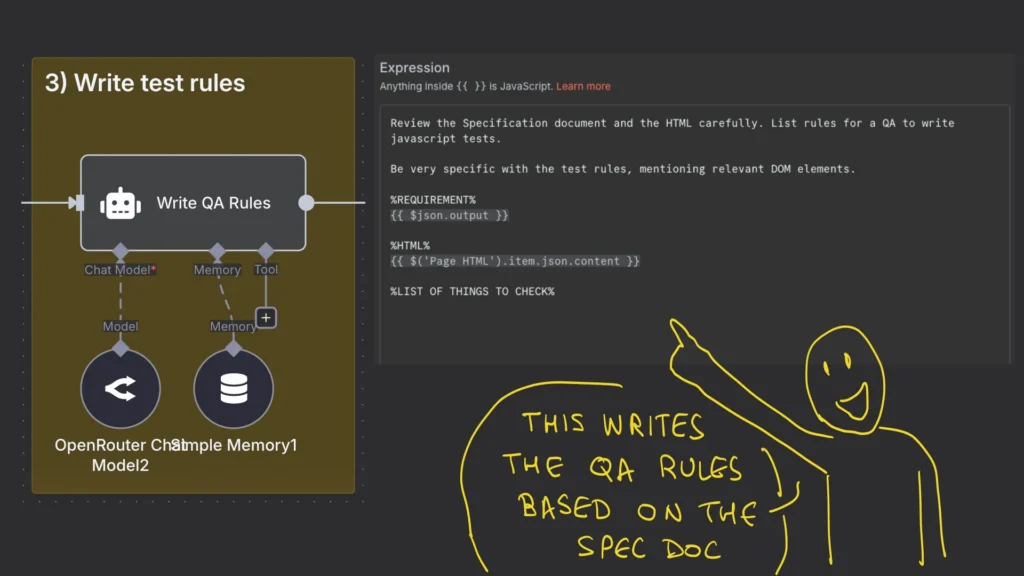
- QA Rule Definition: Based on the specification, the model identifies specific success criteria. For example, if a button is moved, the QA rule ensures the button remains functional and the original layout does not break.
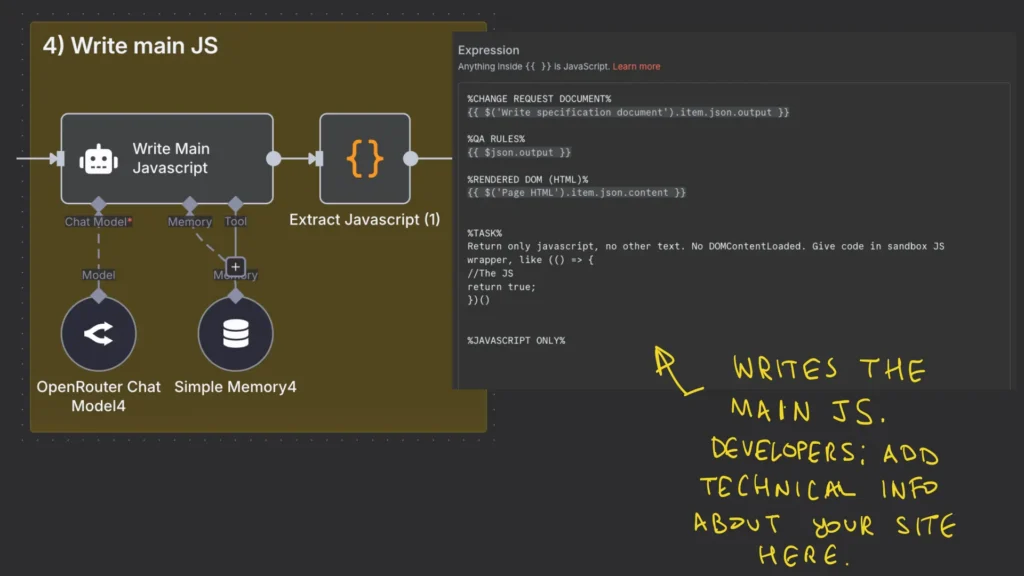
- Code Synthesis: Only after the rules and specs are established does the SLM write the JavaScript. This "informed" coding leads to significantly higher first-pass accuracy.
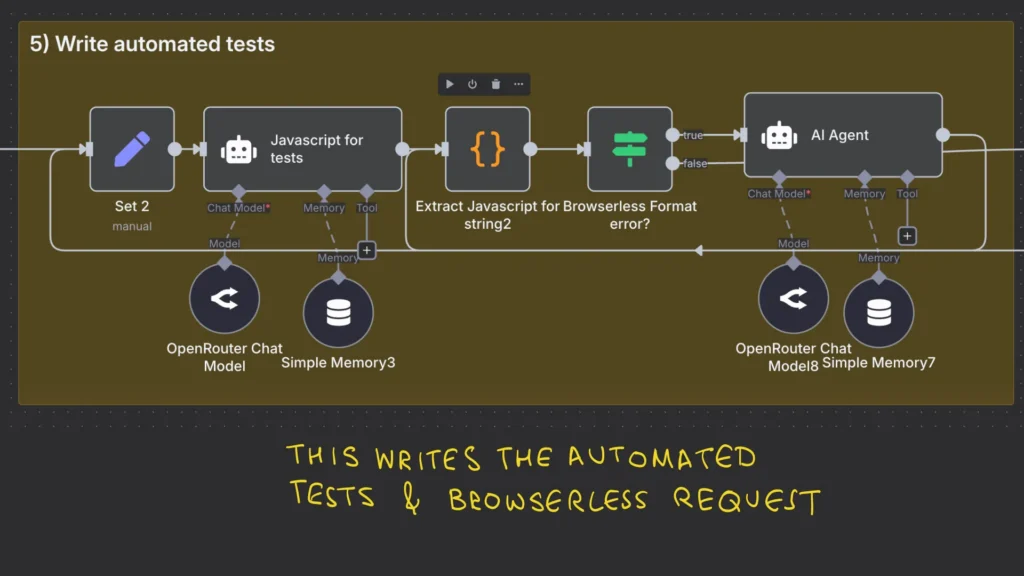
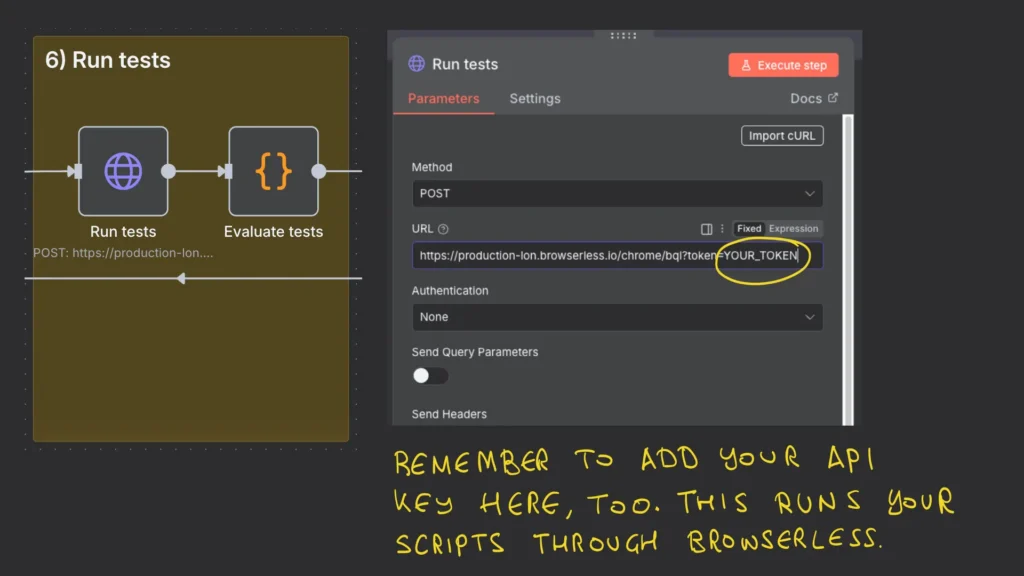
- Automated Validation: The generated code is sent to Browserless, where it is executed against a live version of the target webpage. The system then runs a series of JavaScript-based tests to verify the changes.
- The Self-Healing Loop: If the tests fail, the error logs are fed back into the SLM. The model analyzes the failure, adjusts the code, and attempts a fix. This loop is typically capped at three attempts to maintain cost efficiency and prevent infinite loops.
Supporting Data and Economic Impact
The move toward SLMs is driven by both economic and performance data. While LLMs are superior for creative writing and complex reasoning, SLMs like Llama 3 8B, Mistral, or Phi-3 are increasingly proficient at narrow coding tasks.
According to industry benchmarks, running a full-scale LLM for code generation can cost between $0.50 and $2.00 per iteration when accounting for large context windows. In contrast, the SLM-based workflow described by Ali reduces this to approximately $0.06. For a company running 100 experiments a year, this represents a reduction in "AI overhead" from hundreds of dollars to the price of a single lunch.
Furthermore, the environmental and computational sustainability of SLMs is becoming a priority for enterprise firms. SLMs require less VRAM and can often be run locally on consumer-grade hardware using tools like Ollama, potentially bringing the marginal cost of code generation to zero.
Industry Reactions and Professional Implications
The reaction from the development community has been a mixture of caution and optimism. A primary concern in the CRO space is the "Human-in-the-Loop" (HITL) requirement. Experts argue that while AI can handle the syntax, it cannot always understand the brand-specific nuances or the psychological intent behind a test.
"This isn’t about replacing developers," Ali noted in his analysis of the workflow. "It’s about reducing friction in the test development process and lowering costs. Efficiency is the key."
Many senior developers view these tools as a way to offload "grunt work." By automating the creation of simple DOM manipulations—which make up a large percentage of A/B tests—engineers can focus on more complex server-side experiments and data architecture. The framework explicitly encourages a human review of the specification document before code generation, ensuring that the AI is pointed in the right direction.
Chronology of AI Integration in CRO
The integration of AI into the experimentation field has followed a distinct timeline:
- 2021-2022: Initial use of AI for copy suggestions and hypothesis generation.
- Early 2023: Adoption of LLMs for basic code snippets; high error rates and "hallucinations" regarding DOM selectors were common.
- Late 2023: The rise of AI "Agents" (e.g., AutoGPT) that attempted to build tests autonomously but often suffered from high latency and cost.
- 2024-Present: The shift toward "Deterministic Workflows." This current era emphasizes serialised nodes, specific QA scripts, and the use of SLMs for cost-effective, reliable output.
Fact-Based Analysis of Implications
The broader implications of self-healing code in experimentation are significant. First, it democratizes the ability to run high-quality tests. Smaller companies without dedicated CRO developers can now use these workflows to generate code that is safer and more reliable than what they might produce manually.
Second, it changes the nature of Quality Assurance. In traditional setups, QA is a reactive process. In a self-healing workflow, QA is proactive and baked into the generation phase. This reduces the "mean time to deploy" (MTTD) for experiments, allowing companies to learn from user behavior faster.
However, there are technical risks. AI-generated code can occasionally introduce subtle bugs that automated tests might miss, such as performance regressions or accessibility (a11y) issues. The reliance on headless browsers for validation also means that the "test environment" may not always perfectly mirror the diversity of real-world user devices and browsers.
Conclusion and Future Outlook
The workflow presented by Iqbal Ali represents a maturation of AI’s role in software engineering. By moving away from the "magic box" approach of asking an AI to "just write a test," and moving toward a structured, senior-junior developer relationship between the workflow and the model, the industry is finding a sustainable path forward.
As SLMs continue to improve in logic and reasoning capabilities, the boundary of what can be automated will likely expand. Future iterations of these workflows may include automated visual regression testing, where the AI compares screenshots of the "control" and "variant" pages to ensure visual integrity. For now, the focus remains on reliability and cost-efficiency—two pillars that are essential for the scaling of any experimentation program in a data-driven economy.
The availability of these workflows as open-source or downloadable templates further accelerates this trend, allowing the experimentation community to iterate on the automation itself, much like they iterate on the websites they seek to optimize.







