rifanmuazin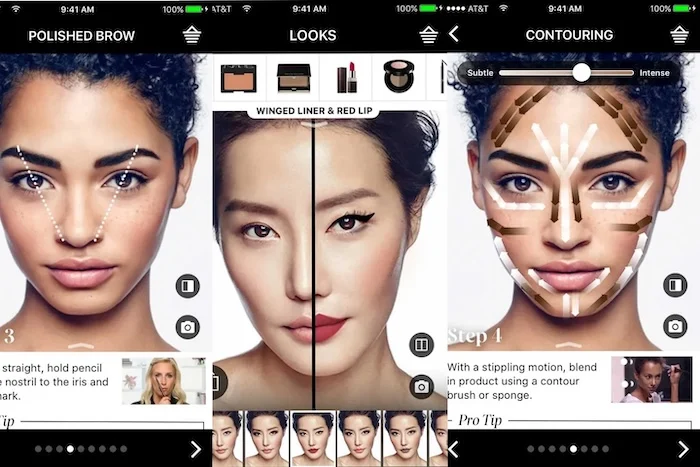
The global digital landscape is undergoing a fundamental transformation as businesses shift from static, one-size-fits-all web experiences toward dynamic, hyper-personalized environments powered by artificial intelligence. This shift, known as AI-driven Conversion Rate Optimization (AI CRO), is no longer a luxury reserved for Silicon Valley giants but has become a critical necessity for any enterprise seeking to maintain a competitive edge in an increasingly crowded marketplace. By automating data collection, leveraging predictive analytics, and facilitating real-time experience adjustments, AI is enabling brands to anticipate user needs with a level of precision that was previously impossible.
The Shift from Traditional to AI-Driven Optimization
For decades, Conversion Rate Optimization (CRO) relied on a manual, often laborious process. Marketers would gather data over weeks or months, form a hypothesis, and then conduct A/B tests sequentially to see which version of a webpage performed better. While effective, this traditional approach is inherently limited by human bandwidth and the speed of manual analysis.
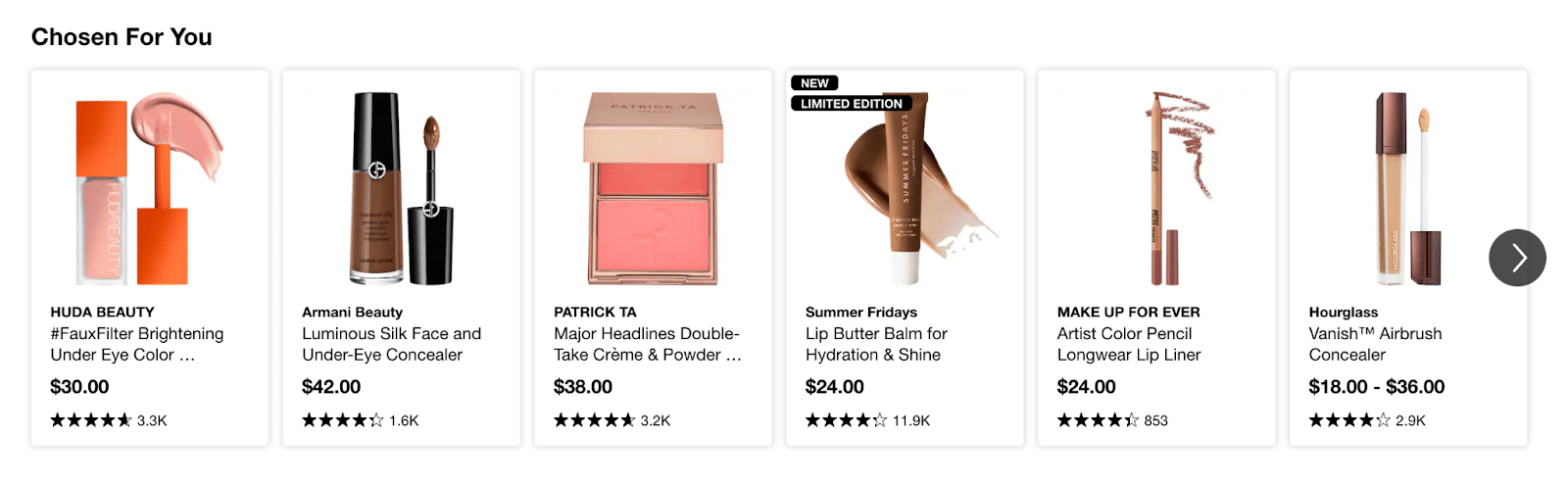
In contrast, AI CRO integrates machine learning algorithms to identify conversion friction points faster than human analysts. It prioritizes testing variables based on potential impact and automates the delivery of personalized experiences. According to industry reports from Gartner and Forrester, the integration of AI into marketing stacks has reduced the time required for insight generation by up to 60% for early adopters. Rather than replacing a human-led CRO strategy, AI serves as an accelerator, enhancing the quality of execution by processing vast datasets that would be cognitively overwhelming for a traditional marketing team.
A Chronology of Conversion Technology
The evolution of CRO can be traced through several distinct eras, each marked by a leap in technological capability:
- The Manual Era (1990s–Early 2000s): Early webmasters relied on basic server logs and "gut feelings" to make changes. Changes were static and rarely tested against alternatives.
- The Statistical Era (2000s–2010s): The rise of tools like Google Website Optimizer (later Google Optimize) and Optimizely introduced rigorous A/B and multivariate testing. Decisions became data-backed, but tests remained slow and required significant traffic to reach statistical significance.
- The Automation Era (2015–2020): Platforms began incorporating basic machine learning to automate "winning" variations and segment audiences based on simple demographics or referral sources.
- The Predictive Era (2021–Present): Modern AI CRO utilizes Large Language Models (LLMs), Natural Language Processing (NLP), and deep learning to predict user intent in real-time, offering unique experiences for every individual visitor rather than broad segments.
Key Pillars of AI-Powered Conversion Tools
The modern AI CRO "toolbox" is composed of several sophisticated technologies that work in tandem to optimize the customer journey.
1. Personalization Engines and Dynamic Content
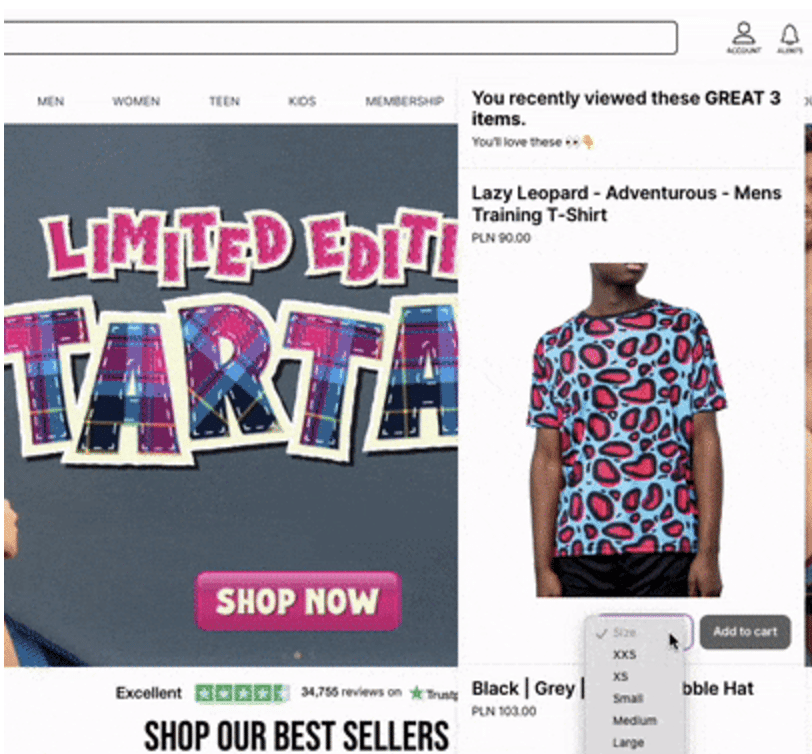
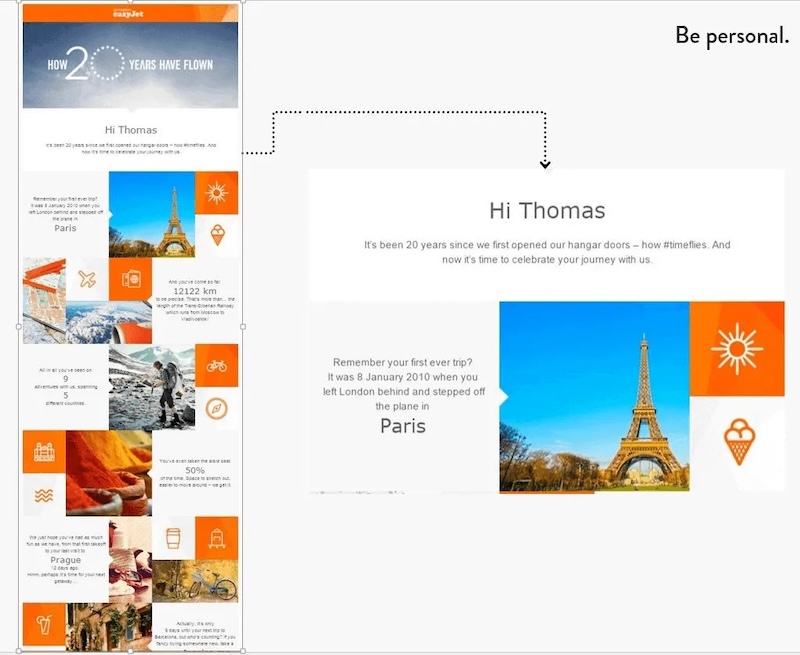
Personalization is the cornerstone of modern CRO. AI-powered engines analyze user behavior—such as pages visited, products browsed, and time spent on specific elements—to tailor content instantly. A notable example is the UK-based apparel brand OddBalls, which utilizes AI to create dynamic on-site notifications. By identifying when a visitor has viewed multiple products, the AI triggers tailored recommendations, effectively acting as a digital personal shopper.
2. AI-Driven Conversational Interfaces
The transition from rule-based chatbots to NLP-driven assistants has revolutionized customer support and lead generation. Unlike their predecessors, which often frustrated users with rigid decision trees, modern AI chatbots like those offered by Intercom and Drift can understand nuance and intent.
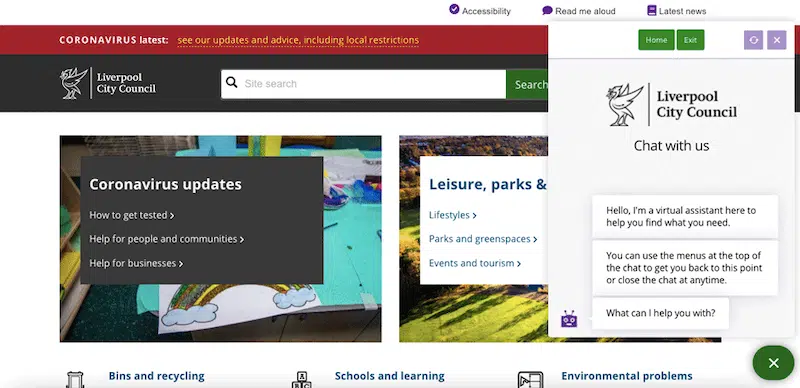
The public sector has also embraced this technology. The Liverpool City Council implemented a virtual assistant to handle complex queries regarding council tax and benefits. By resolving citizen issues in real-time, the council not only improved user satisfaction but also reduced the operational burden on human staff, demonstrating that AI CRO principles apply equally to service delivery as they do to retail sales.
3. Predictive Analytics and Behavioral Modeling
Predictive analytics acts as a "digital crystal ball," allowing businesses to forecast future actions based on historical patterns. Tools like HubSpot and Pendo use machine learning to identify "at-risk" users who are likely to abandon a shopping cart. By triggering a personalized discount or a targeted remarketing email at the exact moment of hesitation, businesses can recover revenue that would otherwise be lost.
4. Advanced Visual Analytics: AI Heatmaps
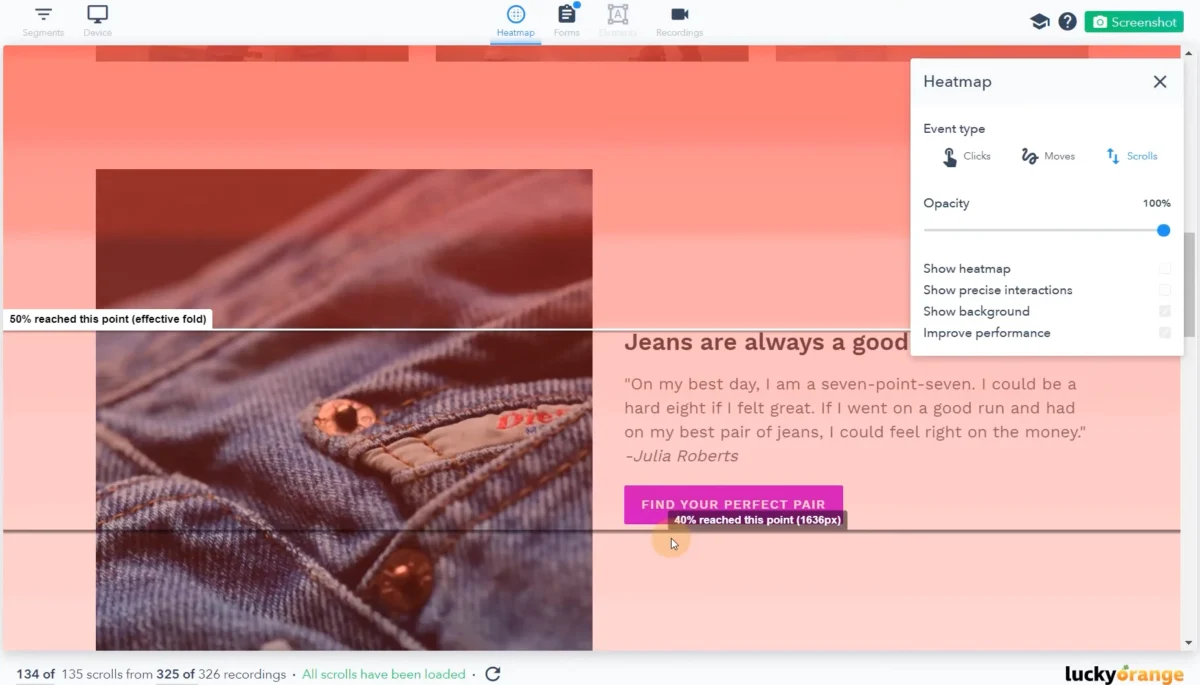
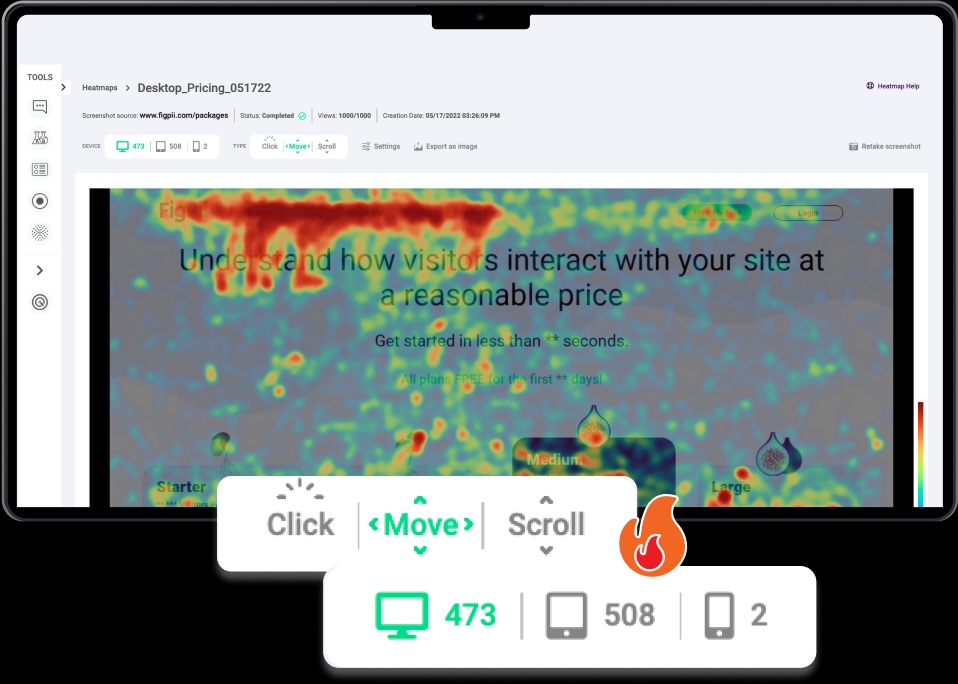
Traditional heatmaps show where users have clicked in the past. AI-enhanced heatmaps, such as those provided by FigPii or Crazy Egg, go further by using algorithms to predict where users are likely to look next. This allows designers to place critical "Call to Action" (CTA) buttons in high-visibility zones before a single user even visits the new page layout.
Data-Driven Success: Industry Case Studies
The impact of AI on conversion rates is best illustrated through the success of global leaders who have integrated these technologies into their core operations.
Sephora’s Augmented Reality Integration:
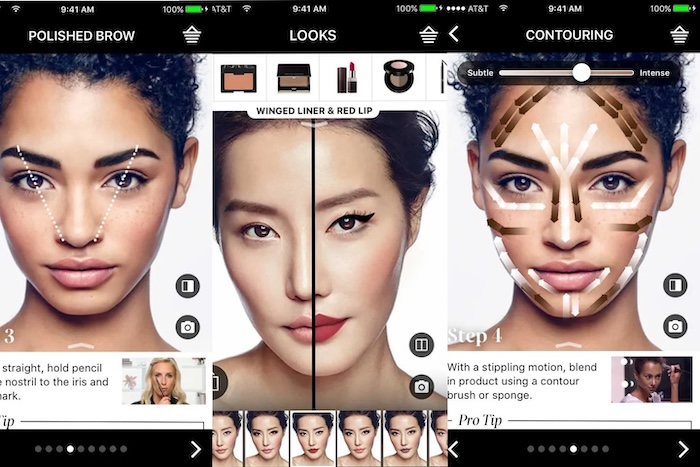
Sephora has set a benchmark in the beauty industry by using AI to bridge the gap between digital browsing and physical trial. Their "Virtual Artist" tool uses AI and augmented reality (AR) to allow customers to "try on" makeup virtually. This reduces the primary friction point in online beauty retail—the uncertainty of how a product will look in person. By increasing user confidence, Sephora has seen significant lifts in both conversion rates and mobile app engagement.
Stitch Fix and the OCM Model:
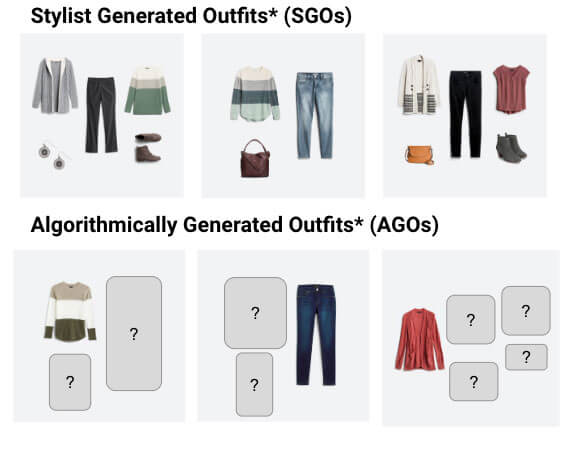
The styling service Stitch Fix utilizes an Outcome-Conditioned Model (OCM) that leverages generative AI to revolutionize personal styling. By analyzing thousands of data points—from style preferences to feedback on previous shipments—the AI suggests clothing items with a high probability of purchase. This data-driven approach has allowed Stitch Fix to scale a highly personalized service to millions of users, a feat that would be impossible with human stylists alone.
Spotify’s Algorithmic Retention:
Spotify’s use of dynamic playlists is a masterclass in AI-driven retention. By optimizing the user experience through "Discover Weekly" and "Daily Mix" playlists, Spotify ensures that users remain engaged with the platform. While not a traditional "sale," this optimization of time-on-platform is a critical conversion metric for subscription-based models.
Supporting Data and Market Trends
The rapid adoption of AI in CRO is supported by compelling market data. A 2023 study by Salesforce found that 75% of marketers are currently using AI for at least one use case, with "personalization" and "predictive AI" ranking as the top priorities. Furthermore, research from the Aberdeen Group indicates that companies using AI-driven personalization see an average increase of 21% in their conversion rates compared to those using traditional methods.
The financial implications are equally stark. The global market for AI in marketing was valued at approximately $15.8 billion in 2022 and is projected to reach over $107 billion by 2028. This growth is driven by the increasing availability of cloud-based AI tools, making high-level optimization accessible to small and medium-sized enterprises (SMEs), not just large corporations.
Stakeholder Perspectives and Expert Analysis
Industry analysts emphasize that while AI provides the "muscle" for optimization, human oversight remains the "brain." Leading CRO strategists argue that the most successful implementations are those where AI handles the data processing and real-time execution, while humans focus on creative strategy, ethical considerations, and brand voice.
"AI allows us to see patterns that are invisible to the human eye," says one senior analyst at a leading digital marketing firm. "But it doesn’t know why a brand wants to move in a certain direction. The future of CRO is a hybrid model where AI manages the ‘what’ and ‘how,’ while humans manage the ‘why.’"
However, the rise of AI CRO is not without its challenges. Data privacy advocates have raised concerns about the depth of data collection required to fuel these engines. With the phase-out of third-party cookies and the implementation of stricter regulations like GDPR and CCPA, businesses are being forced to pivot toward "first-party data" strategies—gaining user consent to collect data directly in exchange for a better, more personalized experience.
Broader Impact and Future Implications
As AI technology continues to evolve, the boundaries of CRO will expand. We are moving toward a future of "Hyper-Dynamic Sites," where no two users see the same version of a website. Pricing, layout, imagery, and copy will all be generated in real-time to match the specific psychological profile and intent of the visitor.
The democratization of these tools is also leveling the playing field. In the past, only companies with massive data science teams could perform predictive modeling. Today, through plug-and-play AI integrations, a boutique e-commerce store can offer the same level of personalization as a global retailer.
In conclusion, the integration of artificial intelligence into Conversion Rate Optimization represents a permanent shift in how brands interact with consumers. By moving away from reactive analysis and toward proactive, predictive engagement, businesses are creating a more seamless and intuitive digital world. For the consumer, this means less time searching and more time finding what they need. For the business, it means higher efficiency, better decision-making, and a significantly improved bottom line. The future of the digital customer journey is not just automated; it is intelligently personal.