
 rifanmuazin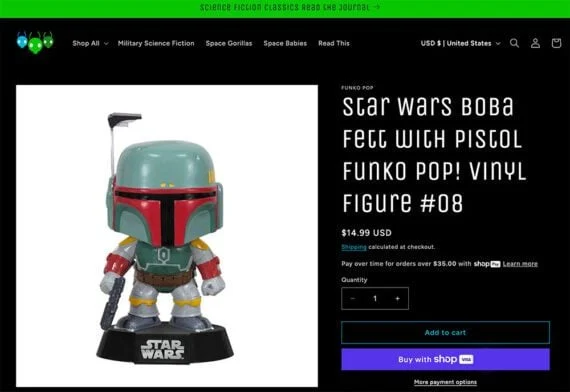
The landscape of e-commerce management is undergoing a profound transformation, driven by the rapid advancements in automation tools and AI-generated applications. These innovations are not merely streamlining existing processes; they are fundamentally reshaping how merchants tackle repetitive and time-consuming tasks. At the forefront of this evolution lies "vibe coding," a paradigm shift that empowers individuals to create functional software applications by simply describing their needs in natural language to artificial intelligence. This development marks a significant departure from traditional coding practices, opening doors to unprecedented levels of accessibility and efficiency for businesses of all sizes.
The demands of operating an e-commerce shop in today’s hyper-competitive global market are multifaceted and relentless. Merchants are constantly juggling order fulfillment, the strategic management of marketing campaigns, customer service interactions, and a myriad of repetitive yet critical tasks. These often include the meticulous generation of reports, the vigilant monitoring of sales performance, inventory levels, and, crucially, the competitive pricing landscape. Historically, addressing these recurring needs presented a limited set of practical solutions, each with its own set of challenges and resource requirements.
Historical Approaches to E-commerce Task Management
For years, e-commerce merchants faced a relatively narrow spectrum of options when it came to automating or managing repetitive tasks. These included:
- Manual Execution: The most basic approach involved dedicating human resources to manually perform tasks like checking competitor prices, updating product listings, or compiling reports. This method is inherently time-consuming, prone to human error, and becomes increasingly unsustainable as a business scales.
- Off-the-Shelf Software Solutions: The market offers a wide array of specialized software designed to address specific e-commerce needs, such as inventory management systems, customer relationship management (CRM) tools, and pricing intelligence platforms. While effective, these solutions can be costly, may not perfectly align with a business’s unique workflows, and often require significant integration effort.
- Custom Software Development: For highly specific or complex requirements, hiring developers to build bespoke software tools has been a viable, albeit expensive, option. This approach offers maximum customization but typically involves substantial upfront investment, long development cycles, and ongoing maintenance costs.
Consider a scenario where a merchant specializes in selling popular collectible items, such as Funko Pop! figures. The market for these items is vibrant, with numerous online retailers vying for customer attention. To maintain a competitive edge, it is imperative to constantly monitor the pricing strategies of rivals. Traditionally, this would involve manually visiting multiple competitor websites, a tedious and time-intensive process. Alternatively, merchants could invest in dedicated price intelligence tools like Prisync, Price2Spy, or Competera, which automate this data collection. A more advanced, yet resource-intensive, option would be to commission a custom-built web scraping tool.
The Rise of Automation and AI-Powered DIY

The notion of building one’s own tools to automate tasks is not new. As far back as 2015, practical guides demonstrated how to leverage programming languages like Python, coupled with web scraping frameworks such as Scrapy, to create custom solutions for monitoring competitor pricing. These early DIY approaches, while powerful, still required a degree of technical expertise.
A significant leap forward occurred more recently, with the integration of advanced automation platforms and artificial intelligence. In February of the current year, a follow-up article highlighted how these evolving technologies were democratizing the creation of internal software tools, making the DIY approach more accessible than ever. Platforms like n8n, for instance, have emerged as key players, enabling users to build sophisticated automation workflows. These platforms have progressively enhanced their capabilities, incorporating more advanced web scraping functionalities, robust database solutions for data storage, and, crucially, AI-driven interfaces. The latter allows users to interact with their data using natural language, posing questions about price fluctuations and historical trends, thereby transforming raw data into actionable insights.
Vibe Coding: The Next Frontier in Software Creation
The rapid pace of AI development continues to push the boundaries of what is possible. The current wave of innovation is centered around "vibe coding," a concept that redefines the creation of software applications by enabling users to articulate their needs in plain, conversational language to an AI tool. This approach bypasses the need for traditional coding languages, lowering the barrier to entry for developing bespoke software solutions.
Over the past few months, a notable surge in the adoption of vibe-coded applications has been observed across various industries. While not exclusively tailored to e-commerce or retail initially, these applications demonstrate the immense potential of this technology. Examples of vibe-coded applications running in production environments include:
- Automated Content Generation Tools: Applications that can draft social media posts, product descriptions, or marketing email copy based on user-provided prompts and parameters.
- Data Analysis and Reporting Dashboards: Tools that can ingest data from various sources, perform complex analyses, and generate customizable reports and visualizations on demand.
- Customer Service Chatbots with Advanced Capabilities: AI-powered chatbots that go beyond simple FAQs, capable of understanding complex queries, performing personalized recommendations, and even initiating basic troubleshooting steps.
- Personalized Recommendation Engines: Systems that can learn user preferences and generate highly tailored product or content suggestions.
The Competitive Edge Through Natural Language
The beauty of vibe coding lies in its accessibility. Virtually anyone can initiate the process using readily available AI tools such as Claude, ChatGPT, or similar large language models. A simple prompt, such as "Create a price intelligence tool," can kickstart a collaborative dialogue with the AI. This back-and-forth conversation allows for the iterative development and refinement of software prototypes, with the AI generating and updating the application based on user feedback.
To optimize this process and manage AI resource consumption, a more strategic approach can be employed. This involves meticulously planning the application’s specifications beforehand, either with a separate AI assistant or within a dedicated planning mode offered by the vibe coding platform itself.
In a practical demonstration, ChatGPT was utilized to craft a precise and detailed prompt for Replit, a prominent vibe coding platform. The initial input provided to ChatGPT was comprehensive, encompassing a wide array of requirements for a price intelligence tool. This included:
- Targeted Product Focus: Specifying the type of products to track, such as Funko collectibles, to narrow the scope and enhance relevance.
- Data Source Identification: Listing the key online retailers from which pricing data should be extracted, e.g., Amazon, Walmart, Entertainment Earth, and Science Fiction Classics.
- Historical Data Requirements: Defining the necessary timeframe for price history tracking, such as a 90-day period, to enable trend analysis.
- Key Performance Indicators (KPIs): Outlining the essential data points to be captured, including daily prices, significant price change alerts (e.g., exceeding a 20% fluctuation), and direct links to product pages.
- Logging and Error Handling: Mandating the inclusion of a log tab to record scraping activities and document any encountered errors, ensuring transparency and facilitating troubleshooting.
- User Interface (UI) Preferences: Detailing desired features for the application’s interface, such as a dashboard displaying price history and a clear table of current prices.
- Technical Specifications: Providing guidance on underlying technologies or preferred database structures, if applicable.
From Prompt to Production: The Creation Process
Based on this extensive initial input, ChatGPT generated a refined vibe-coding prompt. This prompt was then reviewed, and a series of clarifying questions and minor adjustments were requested. The resulting prompt was subsequently fed into Replit, the AI-powered development environment.
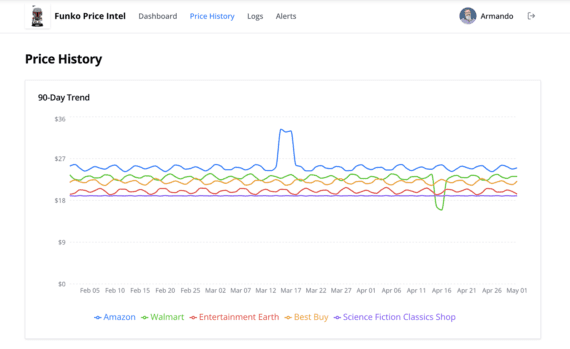
The outcome was remarkably swift. Replit successfully generated the first functional version of the price-comparison application, aptly named "Funko Price Intel Tool," in a mere 18 minutes. This tool was designed to provide a comprehensive view of Funko collectible pricing, offering a hypothetical 90-day price history across the specified retailers.
The "Funko Price Intel Tool" delivered key functionalities, including a historical price graph to visualize price changes over time, a daily price table detailing each recorded price point, a mechanism to flag price movements exceeding 20%, and direct links to the respective product pages on each retailer’s site. A dedicated log tab meticulously tracked each scraping session and noted any errors encountered during the process. Rigorous testing confirmed the tool’s operational effectiveness.
The implications of this demonstration are far-reaching. It signifies that a similar process is now within reach for nearly any e-commerce merchant, regardless of their technical background. The ability to conceptualize a need and have it translated into a working software solution in a matter of minutes represents a paradigm shift in how businesses can leverage technology for operational efficiency.
The Broader Impact of Vibe Coding on E-commerce
Vibe coding, while transformative, does not render traditional Software as a Service (SaaS) tools or professional developers obsolete. For mission-critical systems and highly complex enterprise-level solutions, these established options often remain the most suitable and secure choices. However, for automating routine, repetitive, and often mundane tasks that plague many e-commerce operations, vibe coding offers an unprecedented level of ease and speed.
The broader implications of this technological shift are significant:
- Democratization of Software Development: Vibe coding empowers a wider range of individuals within an organization, including marketing managers, operations specialists, and even seasoned entrepreneurs, to create custom tools without needing to write a single line of code. This can lead to faster problem-solving and more agile business operations.
- Increased Efficiency and Productivity: By automating repetitive tasks, merchants can free up valuable human capital to focus on strategic initiatives, customer engagement, and business growth. This can translate into substantial improvements in overall productivity and reduced operational costs.
- Enhanced Competitiveness: The ability to quickly develop and deploy custom tools for tasks like competitive pricing analysis, inventory forecasting, or customer segmentation can provide businesses with a significant competitive advantage in dynamic markets.
- Innovation Acceleration: Vibe coding can foster a culture of rapid experimentation and innovation. Merchants can prototype and test new ideas for operational improvements or customer-facing tools at a fraction of the cost and time previously required.
- Bridging the Skills Gap: In an era where the demand for skilled developers often outstrips supply, vibe coding offers a viable alternative for businesses that may struggle to hire or afford traditional development resources.
While the term "vibe coding" itself is relatively new, the underlying principle of leveraging AI for intuitive software creation is rapidly evolving. As AI models become more sophisticated and platforms like Replit continue to refine their user experience, the ability to "vibe code" solutions for e-commerce and beyond will become an increasingly indispensable skill for businesses aiming to thrive in the digital age. The future of e-commerce automation is not just about smarter tools; it’s about making the creation of those tools accessible to everyone, driven by the power of natural language and artificial intelligence.









