rifanmuazin
The concept of a "target" audience is arguably the most fundamental principle in modern marketing. Identifying and understanding who a business is speaking to is paramount for crafting effective campaigns. While traditional segmentation methods like behavioral, psychographic, demographic, and geographic targeting remain crucial, a nuanced approach also necessitates understanding the distinct characteristics and communication preferences of different generational cohorts. This comprehensive series delves into digital marketing strategies tailored for Gen Z, Millennials, Gen X, and Baby Boomers, aiming to equip marketers with the insights needed to reach these groups with the right message, on the right platforms. Having previously explored strategies for Gen Z, Millennials, and Gen X, this installment focuses on the Baby Boomer generation, the final cohort in our examination.
Historically, Baby Boomers represented the largest demographic group until the Millennial generation surpassed them. Born in the post-World War II era, this generation has witnessed and adapted to an unprecedented era of technological and societal transformation. While often the subject of contemporary cultural commentary and generational humor, Baby Boomers possess a unique mindset shaped by their formative experiences, which has a direct impact on their consumer behavior and engagement with marketing efforts.
The Baby Boomer Mindset: Resilience Forged in a Transformative Era
The Baby Boomer generation, broadly defined as individuals born between 1940 and 1959, came of age in a world grappling with the profound aftermath of World War II. The global conflict, which resulted in an estimated 60 million military and civilian deaths and ushered in the nuclear age, created a backdrop of immense upheaval and a desire for stability and rebuilding. Boomers lived through the Korean War and the escalating tensions of the Cold War, a period characterized by geopolitical uncertainty and the ever-present threat of nuclear annihilation. For many within this generation, particularly people of color, their formative years were also marked by the struggle for civil rights in the United States, confronting systemic racism and advocating for equality.
Beyond global conflicts and social movements, this generation witnessed significant political and economic shifts. The assassination of President John F. Kennedy sent shockwaves across the nation, and the Watergate scandal fundamentally altered public trust in government. The oil crises of the 1970s highlighted economic vulnerabilities and impacted daily life.
Despite these challenges, the post-war period in the United States was also a time of relative economic prosperity and growth. This environment fostered a strong emphasis on the home as a sanctuary and a return to traditional values. For Baby Boomers, this translated into a deep appreciation for relationships, including the vital connection between businesses and their customers. Consequently, this generation generally expects a high level of customer service, valuing personalized interactions and responsive support.
Furthermore, Baby Boomers are known for their robust work ethic, often subscribing to the belief that hard work and dedication lead to tangible rewards. This principle can foster a competitive spirit and a preference for long-term career progression within a single organization, a stark contrast to the more fluid career paths favored by some younger generations. While many Baby Boomers are now retired, this ingrained work ethic often informs their approach to other aspects of life, including their financial management and consumer choices.
Financially, Baby Boomers, as they have aged, have generally accumulated more wealth than younger generations. This is partly attributable to economic conditions during their prime earning years, including lower costs for education and housing compared to contemporary rates. This financial security, coupled with a desire to preserve their hard-earned assets, contributes to a general tendency towards thriftiness and a careful consideration of value when making purchasing decisions.
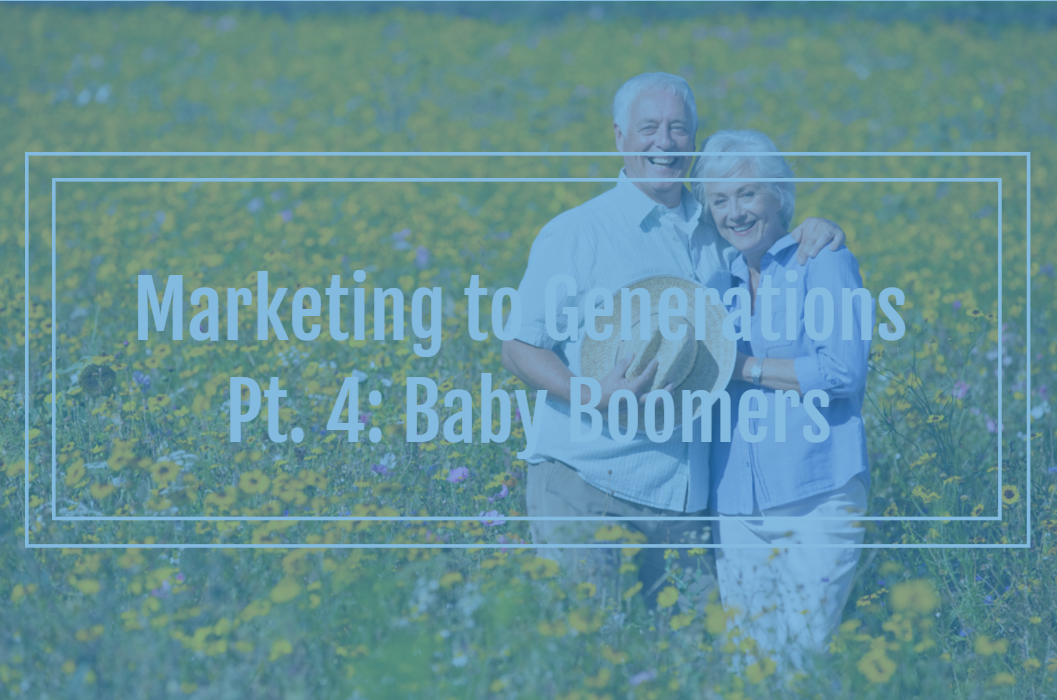
Baby Boomer Consumption Patterns: Value, Service, and Tangible Experiences
Significant differences in consumer behavior are evident between Baby Boomers and subsequent generations, particularly when comparing early Baby Boomers with those born later in the cohort. A notable preference for in-store shopping over online purchasing is frequently observed among Baby Boomers. This inclination underscores their appreciation for personal interaction, the ability to physically inspect products, and the value they place on attentive sales staff. For businesses with a physical presence, emphasizing location extensions and in-store experiences in their online marketing efforts can be particularly effective in capturing this demographic.
When engaging in online commerce, Baby Boomers will convert, but their purchasing decisions are heavily influenced by the perceived value for money. At this stage of life, many are retired and prioritizing sound financial management. Strategies such as bundle sales and clearly articulated value propositions resonate strongly. While younger generations often prioritize brands demonstrating environmental consciousness and other Corporate Social Responsibility (CSR) initiatives, Baby Boomers tend to be less driven by these factors. Research indicates that Baby Boomers are approximately 34% less likely than the general consumer population to actively seek out brands focused on reducing energy consumption, and they generally show less emphasis on broader CSR initiatives.
Recommendations and endorsements still hold significant weight with Baby Boomers. While influencer marketing can be a viable strategy, it is crucial to select influencers who authentically represent the target market and whose endorsements feel genuine. A critical consideration for marketers is that many Baby Boomers actively consult their children and grandchildren for advice, especially concerning technology purchases. This intergenerational influence means that marketing messages may inadvertently reach and impact multiple age groups simultaneously, necessitating a broader appeal or dual messaging where appropriate.
Strategic Approaches to Marketing the Baby Boomer Generation
Understanding the core tenets of the Baby Boomer mindset and consumption habits provides a foundation for developing effective marketing strategies. The goal is to connect with this generation on their terms, respecting their values and preferences.
Platforms to Reach Baby Boomers
While Baby Boomers may not be as active on cutting-edge social media platforms like TikTok or Snapchat, a range of effective channels exists to connect with them:
- Television: Traditional television advertising remains a powerful medium for reaching Baby Boomers, particularly during news programs, popular dramas, and lifestyle shows.
- Print Media: Newspapers and magazines, especially those catering to established demographics, continue to be consumed by a significant portion of this generation.
- Email Marketing: Well-crafted and personalized email campaigns can be highly effective, providing direct communication and opportunities for detailed product information.
- Facebook: While younger demographics have largely moved to newer platforms, Facebook retains a strong user base among Baby Boomers, offering robust advertising and community-building capabilities.
- YouTube: This platform is widely used by Baby Boomers for entertainment, information, and product research, making it a valuable channel for video content and targeted ads.
- Direct Mail: Despite the digital shift, direct mail campaigns can still yield significant returns, particularly for offers that require detailed explanations or visual appeal.
- Search Engine Marketing (SEM): When Baby Boomers are actively searching for products or services, SEM ensures your brand appears prominently in their search results.
Messaging That Speaks to Baby Boomers
The communication style and content of marketing messages are critical for resonating with this generation:
- Emphasize Value and Quality: Highlight the tangible benefits, durability, and long-term value of your products or services. Clearly articulate why your offering represents a sound investment.
- Focus on Reliability and Trust: Build trust through transparent communication, clear product information, and consistent brand messaging. Testimonials from satisfied customers can be highly persuasive.
- Highlight Customer Service: Showcase your commitment to excellent customer support. Emphasize ease of contact, responsiveness, and a personalized approach.
- Nostalgia and Familiarity: While not universally applicable, subtle nods to shared cultural touchstones or a sense of familiarity can create positive emotional connections.
- Clear and Direct Language: Avoid overly trendy jargon or complex slang. Opt for clear, straightforward language that is easy to understand.
- Problem/Solution Framing: Present your product or service as a solution to a specific need or problem, emphasizing how it will improve their lives or address their concerns.
- Showcase Expertise and Experience: Position your brand as knowledgeable and experienced, particularly in industries where trust and reliability are paramount.
It is crucial to recognize that these generational profiles offer broad generalizations and that individual differences within the Baby Boomer cohort are substantial. Factors such as socioeconomic status, geographic location, personal interests, and individual life experiences will further shape consumer behavior. Therefore, effective marketing requires ongoing research, segmentation within the broader generational group, and a willingness to adapt strategies based on specific audience insights.
For businesses seeking to refine their digital marketing strategies and develop targeted campaigns to effectively reach and convert the Baby Boomer audience, consulting with experienced digital marketing professionals can provide invaluable expertise. Crafting a resonant message and identifying the optimal channels requires a deep understanding of this influential demographic.