rifanmuazin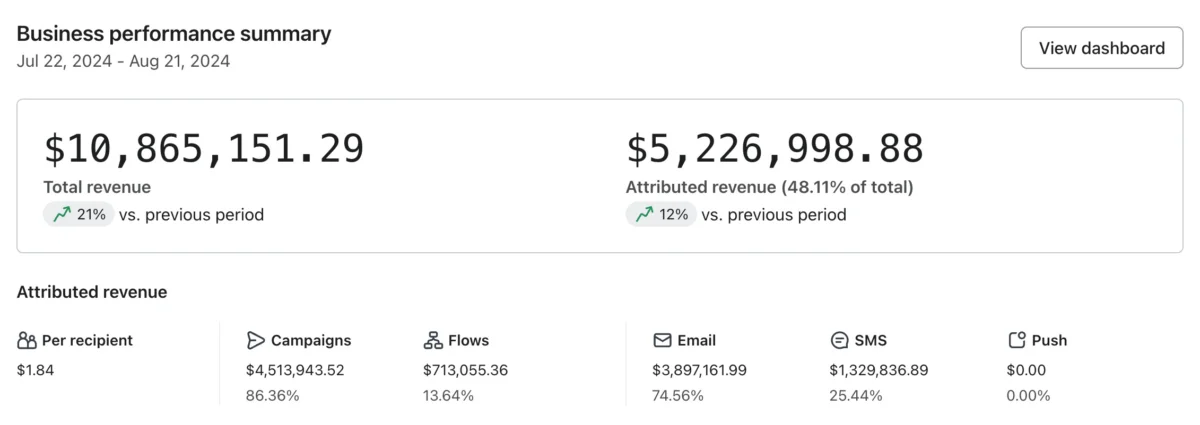
The dynamic realm of digital marketing continues its rapid evolution, demanding sophisticated tools that can effectively engage, nurture, and retain audiences. As businesses strategize for 2026, the choice of an email and SMS marketing platform is a critical determinant of success, particularly for e-commerce brands navigating an increasingly competitive landscape. This article delves into a comprehensive comparison of Klaviyo, GetResponse, and Omnisend, three prominent players, dissecting their strengths, limitations, and ideal applications to help businesses make informed decisions aligned with their growth objectives.
The Evolving Digital Marketing Ecosystem: Background and Context
Over the past decade, email marketing has transitioned from mass broadcasting to highly personalized, data-driven communication. The proliferation of e-commerce has amplified the need for tools capable of integrating seamlessly with online stores, tracking customer behavior in real-time, and automating responses that drive sales and foster loyalty. Simultaneously, the rise of multichannel strategies, notably the integration of SMS marketing, has become indispensable for immediate, high-impact engagement. For 2026, the emphasis is firmly on platforms that offer robust automation, deep analytical insights, and the flexibility to scale with varying business models, from niche e-commerce ventures to broader small business operations and content creators. The market is segmented, with specialized tools catering to specific needs and all-in-one solutions offering a broader, albeit sometimes shallower, feature set. This distinction is paramount when evaluating platforms like Klaviyo, GetResponse, and Omnisend.
Klaviyo: The E-commerce Powerhouse for Data-Driven Growth
Klaviyo has firmly established itself as a premier marketing automation platform specifically engineered for e-commerce brands. Its core strength lies in its profound integrations with leading e-commerce platforms such as Shopify, WooCommerce, Magento, BigCommerce, Wix, and PrestaShop. These native integrations enable real-time synchronization of critical customer and product data, forming the bedrock of Klaviyo’s advanced behavioral automation capabilities.
The platform’s "Flows" feature is a visual workflow builder that allows businesses to create highly sophisticated, behavior-triggered automation sequences. This means an abandoned cart, a product view, or a recent purchase can instantly trigger a personalized email or SMS message. Klaviyo boasts over 60 pre-built templates, facilitating rapid deployment of common e-commerce flows like welcome series, abandoned browse, abandoned cart, and post-purchase follow-ups. The ability to layer conditions—such as a customer’s purchase history or the total value of their cart—allows for unparalleled message relevance, often leading to significantly higher conversion rates. Industry data consistently shows that personalized automation can increase e-commerce revenue by 10-20%, making Klaviyo’s capabilities highly attractive for businesses focused on maximizing their return on investment.
Segmentation is another area where Klaviyo excels. Built around real-time store data, it allows for granular customer grouping based on purchase history, browsing behavior, predicted lifetime value (LTV), churn risk, and next expected order date. The recent introduction of "Segments AI" further streamlines this process, enabling users to describe their target audience in natural language, with Klaviyo’s AI handling the complex logic. This innovative feature allows for more agile testing of new segment ideas and dynamic targeting adjustments. Furthermore, Klaviyo supports comprehensive RFM (Recency, Frequency, Monetary) modeling, which is crucial for identifying and nurturing high-value customers or re-engaging those at risk.
While Klaviyo offers integrated SMS across more than 20 countries, including major markets like the USA, Canada, the UK, and Australia, this functionality is available across all its plans. This unified approach to email and SMS within a single automation flow simplifies multichannel strategy implementation. Its reporting and analytics are particularly geared towards revenue attribution, providing clear insights into how specific campaigns and automation flows contribute directly to sales. Features like predictive LTV reports and omnichannel attribution—tracking customer journeys across Klaviyo and third-party platforms—offer a holistic view of marketing performance. However, this specialized depth comes at a cost, with Klaviyo’s pricing scaling up rapidly as contact lists grow, making it a significant investment, especially for smaller businesses.
GetResponse: Versatility and Accessibility for Broad Marketing Needs
GetResponse positions itself as a versatile, all-in-one online marketing platform, appealing strongly to small businesses, creators, and service providers who require a broader suite of tools beyond just email and SMS. Its primary advantage lies in its affordability and the breadth of features offered at competitive price points.
GetResponse provides a robust visual automation builder with over 40 pre-built templates, supporting general marketing sequences like welcome series and basic follow-ups. While it includes functionality for abandoned cart emails and post-purchase follow-ups, these e-commerce-native triggers and advanced branching options are generally more limited compared to Klaviyo, and unlimited automation workflows are typically gated behind higher-tier plans.
For lead generation and conversion, GetResponse offers a powerful landing page builder with over 200 templates, an AI page generator, drag-and-drop editing, and built-in A/B testing. Its integrated conversion funnels allow users to connect landing pages, emails, and offers seamlessly. Similarly, its forms are highly customizable, with over 30 triggering rules and various formats (pop-ups, slide-ins, bars, mobile banners), organized by specific campaign goals. This makes GetResponse particularly strong for top-of-funnel capture and nurturing leads, which is essential for businesses relying on content marketing, webinars, or service sales.
Segmentation in GetResponse is primarily tag-based, augmented by basic behavioral conditions such as email opens, clicks, and customer location. While segments are dynamic and update automatically, they lack the profound e-commerce data depth—like predicted CLV, churn risk, or next order date—found in Klaviyo. SMS marketing is available, but critically, it is restricted to the Enterprise MAX plan, making it inaccessible for the majority of its target audience. Furthermore, its global reach claims for SMS can be subject to "best-effort" delivery in certain regions, potentially impacting reliability for international operations.
GetResponse’s reporting covers essential metrics like open rates, click-through rates, and conversions, along with funnel performance and A/B test reports. While it offers e-commerce revenue attribution, this is typically limited to its own email campaigns and does not extend to omnichannel tracking from external sources like social media ads. G2 reviews often highlight GetResponse’s ease of use, making it an attractive option for users seeking a straightforward, integrated marketing solution without deep technical expertise. Its design philosophy leans towards supporting diverse marketing activities rather than hyper-specialization in e-commerce, making it suitable for digital product sellers, course creators, and membership sites.
Comparative Analysis: A Feature-by-Feature Breakdown
Core Functionality and User Experience:
- G2 Ratings & User Sentiment: Klaviyo holds a strong 4.6/5 rating from over 1,300 reviews, reflecting satisfaction among its e-commerce user base, who appreciate its depth and revenue-focused features. GetResponse, with a 4.3/5 rating from over 1,100 reviews, is praised for its versatility and user-friendliness, though some users note limitations in reporting detail.
- Free Plans & Initial Accessibility: Both offer free plans. Klaviyo provides a forever-free plan for up to 250 contacts, including core email and SMS automation (excluding advanced tools). GetResponse offers a free account for up to 500 contacts, but its premium features are only available for a 14-day trial, after which many critical functionalities like automations and autoresponders are removed, making it more of a starter demo.
- Pricing Structures: GetResponse generally offers more affordable plans, particularly for larger contact lists, with unlimited monthly email sends. Klaviyo’s pricing starts competitively but scales rapidly, especially beyond 10,000 contacts, and caps monthly emails at 10x the contact count. This difference highlights GetResponse’s value for budget-conscious businesses versus Klaviyo’s premium cost for specialized e-commerce functionality.
Automation and Personalization Capabilities:
- Email Automation: Klaviyo’s "Flows" are superior for e-commerce, offering advanced, behavior-driven triggers that integrate deeply with store data, including product details and purchasing events. GetResponse provides a solid visual builder for general sequences but lacks the granular e-commerce-specific triggers and branching logic of Klaviyo.
- Segmentation: Klaviyo leads significantly with its real-time, AI-driven, and predictive segmentation capabilities, leveraging comprehensive e-commerce data like purchase history, predicted LTV, and churn risk. GetResponse offers basic tag-based and behavioral segmentation, which is sufficient for general marketing but falls short for highly personalized e-commerce strategies.
Multichannel Engagement: SMS Marketing:
- Klaviyo integrates SMS across all plans and supports 20+ countries, allowing for combined email and SMS automation flows. GetResponse restricts SMS to its Enterprise MAX plan, limiting accessibility. While GetResponse claims global reach, the reliability can vary in certain regions due to local carrier rules. The growing importance of SMS, with average open rates often exceeding 90%, makes accessible and reliable SMS a crucial feature for modern marketing strategies.
Lead Capture and Conversion: Landing Pages and Forms:

- GetResponse excels in this domain, offering a comprehensive landing page builder with an AI page generator, extensive templates, A/B testing, and integrated conversion funnels. Its forms are also highly customizable with numerous triggering rules and formats. Klaviyo’s landing page and form functionalities are more basic, lacking the advanced triggers, timing rules, and funnel logic necessary for robust top-of-funnel conversion.
Performance Measurement: Reporting and Analytics:
- Klaviyo provides superior e-commerce-specific analytics, focusing on revenue attribution, predictive lifetime value reports, and omnichannel attribution that tracks customer journeys across multiple platforms. This allows e-commerce brands to precisely measure the ROI of their marketing efforts. GetResponse offers standard campaign and engagement metrics, with e-commerce revenue attribution limited to its own email campaigns, providing a less comprehensive view of overall marketing impact.
Omnisend: Bridging the Gap for E-commerce Scalability
Recognizing the distinct needs of e-commerce businesses that find Klaviyo too expensive and GetResponse too generic, Omnisend emerges as a compelling third option. It is specifically designed for online stores, offering a powerful blend of robust automation, multichannel capabilities, and competitive pricing, often providing better value for money.
Omnisend stands out with its native store integrations, similar to Klaviyo, allowing for real-time synchronization of customer and product data from platforms like Shopify, WooCommerce, and BigCommerce. This enables sophisticated, behavior-driven automation for email and SMS, including advanced abandoned cart flows, browse abandonment, and post-purchase sequences, without requiring complex workarounds. Omnisend’s automation builder is intuitive, making it accessible for businesses of all sizes to implement complex workflows.
A significant advantage of Omnisend is its integrated SMS marketing, which is available across its plans, not just enterprise tiers. It offers strong global SMS reach, addressing a key limitation of GetResponse for international sellers, and allowing brands to unify their email and SMS strategies within a single platform. This multichannel approach is critical for maximizing engagement and conversion, as customers often prefer different communication channels for various types of interactions.
Omnisend also provides advanced segmentation capabilities, leveraging e-commerce data to create highly targeted customer groups. Its reporting focuses on actionable revenue insights, helping businesses understand the direct impact of their marketing campaigns on sales. Moreover, Omnisend is often praised for its user-friendliness and responsive customer support, which are vital for businesses looking to scale their marketing efforts efficiently.
The success story of FLEXTAIL, an outdoor gear brand, exemplifies Omnisend’s impact. By utilizing Omnisend’s automation, segmentation, and refined workflows, FLEXTAIL achieved stronger engagement and generated $235,000 in attributed sales, demonstrating the platform’s ability to drive significant ROI for e-commerce businesses seeking depth without the premium price tag.
Strategic Implications and Recommendations
The choice between Klaviyo, GetResponse, and Omnisend hinges fundamentally on the type of business and its specific marketing objectives for 2026.
- Choose Klaviyo if: You are an established e-commerce brand with a significant marketing budget, prioritizing deep data integration, advanced behavioral automation, predictive analytics, and precise revenue attribution. Klaviyo is built for maximizing e-commerce specific ROI and scaling growth through highly personalized customer journeys.
- Choose GetResponse if: You are a small business, content creator, or service provider needing an affordable, all-in-one marketing solution that encompasses email, landing pages, funnels, and broader lead generation tools. Its versatility and ease of use make it suitable for general marketing efforts where deep e-commerce specialization is not the primary requirement.
- Consider Omnisend if: You are an e-commerce brand seeking a powerful, feature-rich marketing automation platform that offers deep store integrations, robust multichannel capabilities (email and SMS), and advanced segmentation, all at a more competitive price point than Klaviyo. Omnisend provides an excellent balance of functionality and value, making it ideal for online stores aiming to scale rapidly without prohibitive costs.
The broader implication for businesses is the necessity of aligning their marketing technology stack with their core business model. Investing in a platform that provides the right level of specialization and integration is not merely a cost consideration but a strategic decision that impacts customer experience, operational efficiency, and ultimately, revenue growth. As the digital landscape continues to evolve, platforms that offer adaptability, actionable insights, and seamless multichannel engagement will be paramount for businesses looking to thrive in 2026 and beyond. Testing selected platforms with real campaigns remains the most effective way to validate their suitability for unique business needs.