rifanmuazin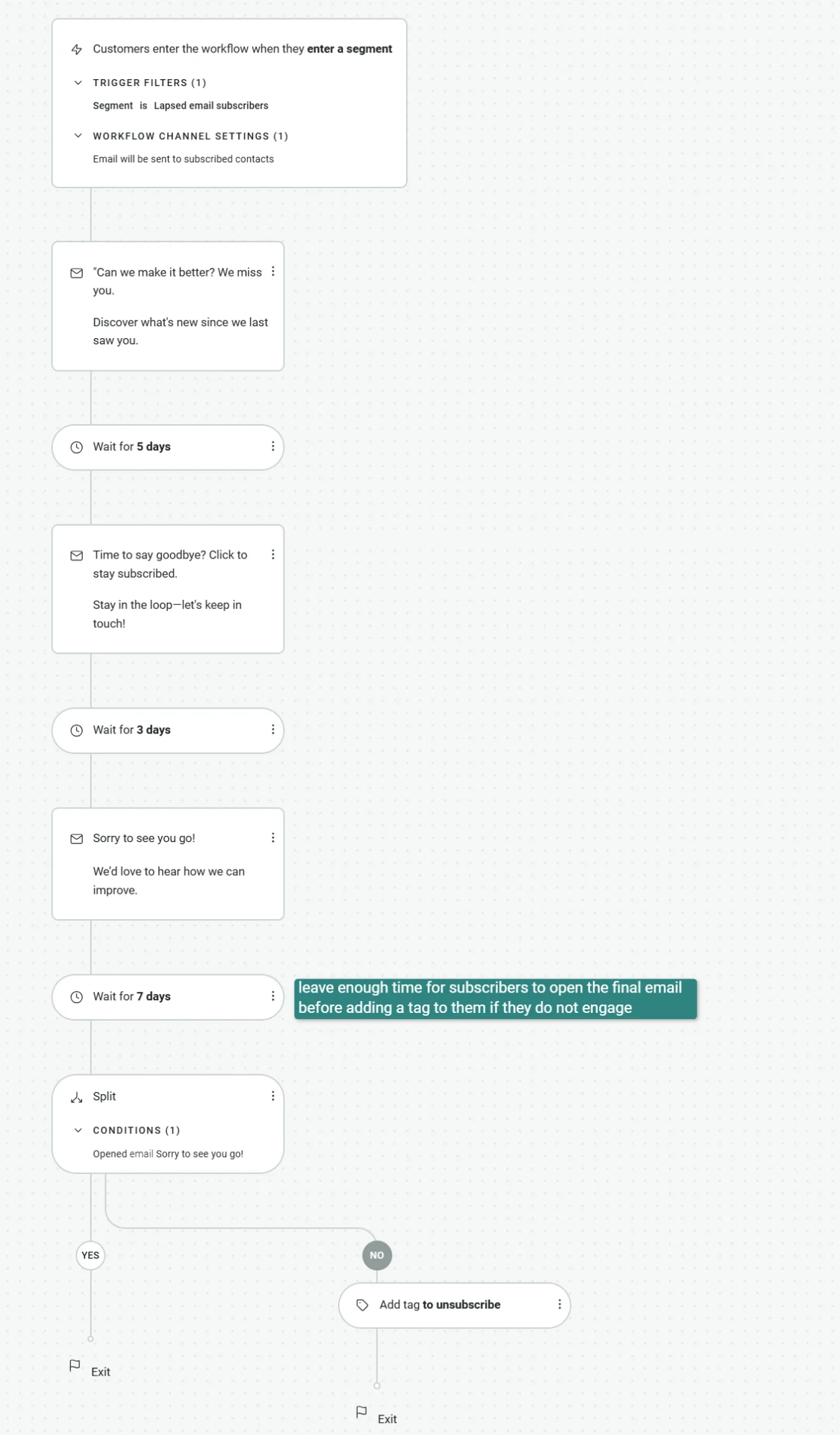
The digital marketing landscape, increasingly defined by data and personalization, faces a perennial challenge: the inevitable erosion of its most valuable asset – the email subscriber list. A stark 2026 report by ZeroBounce underscored this reality, revealing an average annual email list decay rate of 23%. This significant attrition, primarily driven by subscriber inactivity, changes in email addresses, and voluntary unsubscribes, means that even meticulously built lists diminish in value over time without diligent and proactive management. This phenomenon is not merely a statistical footnote but a critical operational reality that directly impacts deliverability, engagement, and ultimately, the return on investment for businesses globally.
Email list management, therefore, transcends a simple administrative task; it is an ongoing, strategic imperative encompassing the systematic organization, validation, segmentation, and maintenance of subscriber data. When executed effectively, it acts as a bulwark, safeguarding email deliverability, nurturing sender reputation, and ensuring that marketing messages resonate with the intended audience at precisely the right moment. Conversely, a lax approach to list hygiene inevitably precipitates higher bounce rates, plummeting engagement metrics, and severe damage to a sender’s credibility with internet service providers (ISPs). This comprehensive guide delves into the intricate mechanisms of effective email list management, elucidating its profound importance, establishing optimal review cadences, and identifying the essential tools required to maintain a robust and responsive email ecosystem.
The Evolution and Necessity of Email List Management
The journey of email marketing from its nascent stages of mass communication to today’s highly sophisticated, personalized interactions has been punctuated by evolving technological capabilities and increasing regulatory scrutiny. In the early days, large, undifferentiated email blasts were common, with less concern for individual subscriber preferences or data accuracy. However, as inboxes became saturated and spam became a pervasive issue, ISPs developed increasingly stringent filters, and governments enacted critical legislation such as the CAN-SPAM Act in the United States, GDPR in Europe, and CCPA in California. These regulatory frameworks fundamentally shifted the paradigm, mandating explicit consent, clear unsubscribe options, and transparent data handling practices.
This backdrop of evolving technology and regulation has elevated email list management from an optional best practice to an indispensable component of any successful digital marketing strategy. The 23% annual decay rate cited by ZeroBounce is a composite of various factors:
- Natural Churn: People change jobs, email addresses, or lose interest in a brand over time.
- Inactivity: Subscribers might initially opt-in but never engage, or their engagement wanes over months.
- Spam Traps: Old, unused email addresses can be converted into spam traps by ISPs to identify senders with poor list hygiene.
- Hard Bounces: Permanently undeliverable addresses due to non-existence or invalidity.
- Soft Bounces: Temporary delivery failures that, if persistent, indicate underlying issues.
Each of these elements contributes to a "dirty" list, which not only costs money (as most email service providers charge by subscriber count or email volume) but also actively undermines a brand’s ability to reach engaged customers. A clean list, by contrast, ensures higher open rates, click-through rates, and conversion rates, directly translating into a stronger return on investment (ROI) for email campaigns.
Distinguishing Key Terminology: Management vs. Cleaning
It is crucial to differentiate between email list management and email list cleaning, though the terms are often used interchangeably. Email list cleaning is a specific, tactical component of the broader management process. It focuses acutely on the identification and removal of invalid, inactive, or otherwise risky contacts—such as hard bounces, known spam traps, and persistently unengaged subscribers—from a list. This targeted intervention is typically performed periodically to purge the list of detrimental entries.
Email list management, however, is a far more expansive and strategic discipline. It encompasses cleaning but extends to a continuous lifecycle of activities including subscriber verification (e.g., through double opt-in), sophisticated segmentation based on behavior and preferences, the implementation of re-engagement campaigns for flagging subscribers, and the ongoing monitoring of list performance metrics. While cleaning improves the immediate quality of a list, management sustains optimal performance and health over the long term, adapting to subscriber behavior and market dynamics. Furthermore, the terms "email list management" and "mailing list management" are effectively synonymous in modern digital marketing, both referring to the systematic upkeep of subscriber data. "Contact list management" is also used broadly across various platforms and resources.
The Indisputable Rationale: Why Email List Management Matters
The importance of robust email list management cannot be overstated, as it fundamentally dictates email deliverability rates, sender reputation, and the ultimate ROI of marketing campaigns. Neglecting list hygiene can lead to a cascade of negative consequences, primarily causing emails to bypass the inbox entirely and land in spam folders.
When an email list is poorly maintained, engagement metrics inevitably decline, and the accumulation of invalid or unengaged contacts signals to inbox providers (like Gmail, Outlook, Yahoo) that the sender’s content may not be valuable or desired by recipients. This erosion of trust directly impacts where messages land—or if they land at all. Over time, even a list initially built with high-quality, opted-in subscribers will degrade without consistent attention. This underscores the necessity of proactive management to ensure campaigns remain effective and audiences remain responsive.
Key email list management benchmarks demonstrate the rapid decline in performance when maintenance is ignored:
- Bounce Rate Thresholds: ISPs typically flag sender domains if hard bounce rates exceed 2%. Consistently sending to invalid addresses can lead to blocklisting.
- Engagement Signals: Low open and click rates from unengaged subscribers negatively impact sender scores, causing legitimate emails to be routed to spam.
- Financial Waste: Every unengaged or invalid contact costs money. If an ESP charges $16/month for up to 5,000 contacts, maintaining a list with 1,000 dead addresses means 20% of that fee is wasted.
- Reduced ROI: Untargeted or undelivered emails yield no conversions, directly impacting campaign ROI. Effective segmentation, a core part of list management, can boost email revenue by over 760%, according to some studies, by ensuring relevance.
A clean, segmented list enhances engagement signals, improving the likelihood of emails reaching the primary inbox. Neglecting these practices leads to clear, measurable consequences:
- Diminished Inbox Placement: As engagement plummets and bounce rates escalate, email deliverability suffers. Fewer emails reaching the inbox translates to reduced visibility and compromised campaign performance.
- Damaged Sender Reputation: Frequent sends to invalid contacts risk triggering spam filters and can lead to a domain being flagged or even blocklisted by ISPs, a recovery from which can be arduous and time-consuming.
- Increased Operational Costs: Most ESPs base pricing on subscriber count or email volume. Sending to inactive or invalid addresses incurs unnecessary expenses, directly impacting the profitability and efficiency of marketing efforts.
- Significant Legal and Compliance Risks: Sending emails without proper consent or failing to honor unsubscribe requests can result in severe violations of regulations like CAN-SPAM, GDPR, and CCPA. Such breaches expose businesses to substantial fines, legal penalties, and irreparable reputational damage.
The Lifecycle of an Engaged Email List: A Seven-Pillar Strategy
Effective email list management is not a one-off task but a continuous cycle that demands a structured, multi-faceted approach. This lifecycle can be broken down into seven critical steps, each contributing to the overall health and performance of the email list.
1. Implement Double Opt-In for Verified Subscribers:
The foundational step in building a healthy list is to ensure every new subscriber is genuinely interested and provides a valid email address. Double opt-in (DOI) is a two-step verification process: after a user submits a signup form, they receive a confirmation email requiring them to click a link to finalize their subscription. This method significantly reduces spam complaints, enhances list accuracy, and aligns perfectly with stringent data privacy requirements like GDPR. Verified subscribers are inherently more engaged, which in turn fortifies sender reputation from the outset. Studies consistently show that DOI lists have higher open and click rates compared to single opt-in lists, compensating for any perceived drop-off in initial signup volume.
2. Proactively Gather Subscriber Preferences at Signup:
Before initiating email communications, solicit subscriber preferences directly within the signup process. Integrating preference fields into signup forms allows businesses to collect valuable data early on, understanding what content types, frequency, or product categories subscribers are most interested in. For instance, an e-commerce brand could offer choices for updates on new arrivals, exclusive discounts, or educational content. This empowers subscribers to self-segment, ensuring messages are highly relevant and dramatically reducing the propensity for future unsubscribes. This upfront data collection also simplifies future segmentation efforts, making campaigns more targeted and effective.
3. Leverage Tagging and Segmentation for Precision Targeting:
Advanced list management relies heavily on tagging and segmentation to group subscribers based on their behavior, attributes, and expressed preferences. Tagging involves assigning action-based labels (e.g., "purchased sneakers," "clicked summer sale," "abandoned cart"). Segmentation, conversely, categorizes contacts based on shared attributes (e.g., "repeat buyers," "first-time visitors," "VIP customers," "geographic location"). The synergy of these two techniques is powerful. For example, tagging users who clicked a discount email and then segmenting customers who purchased within the last 30 days allows for highly personalized follow-up campaigns. Combining email segmentation strategies with tagging enables the deployment of hyper-relevant campaigns that align precisely with individual subscriber behavior and intent, significantly boosting engagement and conversion rates.
4. Systematically Remove Hard Bounces to Protect Deliverability:
Hard bounces occur when an email address is permanently undeliverable due to invalidity or non-existence. These are critical threats to sender reputation and email deliverability. Most reputable email service providers automatically detect and remove hard bounces from lists. However, marketers must diligently monitor their bounce rates. An average hard bounce rate exceeding 2% can trigger flags with inbox providers, indicating poor list quality and increasing the risk of ISP penalties, including temporary or permanent blocklisting. Proactive removal of these contacts is non-negotiable for maintaining strong deliverability and ensuring emails reach legitimate, active users.
5. Execute Re-engagement Campaigns for Inactive Users:
Subscribers who exhibit prolonged inactivity (e.g., not opening emails for 90 days) represent a significant portion of list decay. A well-crafted re-engagement email campaign can effectively win back a segment of these subscribers. This typically involves a "win-back" sequence, starting with compelling subject lines ("Still interested?", "We miss you!," "Exclusive offer inside") and offering value or incentives over two to three emails spread across a couple of weeks. If subscribers remain unresponsive after this carefully designed sequence, it signals a definitive lack of interest, paving the way for their removal from the active list. This strategy recovers potential customers while simultaneously improving overall list health by identifying truly disengaged contacts.
6. Remove Unresponsive Contacts Post-Re-engagement:
Following the re-engagement campaign, contacts who persist in their inactivity should be systematically removed from the active mailing list. Retaining unresponsive subscribers artificially inflates list size, dilutes engagement rates, and sends negative signals to inbox providers about the relevance of a sender’s content. A common best practice is to remove contacts who have remained inactive for six months after completing a re-engagement campaign. This decisive action improves overall list quality, ensuring that marketing efforts and resources are concentrated solely on engaged users, thereby supporting long-term performance and maximizing ROI.
7. Automate Email List Management Processes:
The sheer scale and continuous nature of email list management make automation an indispensable tool. Implementing email list management software to automate routine tasks ensures the list remains clean and updated without constant manual intervention. Triggers can be set based on various criteria: engagement levels, specific dates, or events. For example, active users can be automatically tagged, inactive subscribers can be moved into re-engagement flows, or unengaged contacts can be automatically removed after a predefined period. Platforms like Omnisend offer robust automation workflows that seamlessly handle subscriber tagging, suppression, re-engagement sequences, and contact removal based on behavior, transforming a labor-intensive process into an efficient, continuous operation.
Optimal Frequency for Email List Management
The cadence for email list management is not static; it varies depending on factors such as list size, sending volume, and business type. However, a general framework involves a minimum monthly review, a quarterly deep clean, and event-based updates. Consistent management mitigates list decay, sustains engagement, and ensures timely removal of inactive subscribers.
Email List Management Frequency by Sender Type:
| Sender Type/Scenario | Recommended Cadence | Rationale |
|---|---|---|
| Small List (under 5,000 contacts) | Review monthly, deep clean quarterly | Lower volume allows for more manual checks, but decay is still significant. |
| High-Volume Sender | Monitor weekly, clean monthly | Higher volume and frequent sends increase exposure to bounces and spam complaints. |
| Seasonal E-commerce | Clean before and after peak seasons | Ensure optimal deliverability during critical sales periods and clear post-peak. |
| Post-Major List Acquisition | Clean immediately after import and re-verify | New lists often contain outdated or invalid contacts; immediate verification is key. |
| Pre-Peak Season (e.g., Black Friday) | Full cleanup 2–4 weeks before campaigns | Maximize deliverability and ROI for high-stakes campaigns. |
Trigger-Based Events for Email List Hygiene:
Beyond scheduled cleanups, certain events should automatically trigger list management actions:
- High Bounce Rates: An unexpected spike in bounce rates after a campaign indicates immediate cleaning is needed.
- Low Engagement on Specific Segments: Signals that certain segments are becoming stale and require re-engagement.
- Spam Complaints: Even a few complaints warrant investigation and potential removal of affected subscribers.
- Platform Migrations: Moving to a new ESP is an opportune time for a thorough list audit and cleaning.
Leading Tools for Email List Management
The market offers a diverse array of email list management tools, ranging from comprehensive email marketing platforms to specialized standalone verification services. The optimal choice hinges on an organization’s specific needs, budget, list size, and desired level of automation.
Comparison of Leading Email List Management Software:
| Tool | Best For | Key List Management Feature | Free Tier? | Pricing From |
|---|---|---|---|---|
| Omnisend | E-commerce brands | Automated re-engagement sequences, engagement filters, one-click inactive subscriber segments | Yes | $16/month |
| Mailchimp | Small to mid-sized businesses | Audience tags, segments, basic contact management | Yes | $13/month |
| Brevo | Budget-conscious teams | Contact segmentation, email/SMS list management | Yes | $9/month |
| HubSpot | CRM-focused businesses | Advanced contact management with lifecycle tracking, lead scoring | Yes | $15/month |
| Klaviyo | Data-driven e-commerce brands | Behavior-based segmentation, predictive analytics | Yes | $20/month |
| Kickbox | Email verification needs | Real-time email validation to reduce bounces | No | $5/month |
Email List Management Software vs. Standalone Tools:
Integrated email list management software, typically part of an all-in-one email marketing platform, provides tools for segmentation, automation, and continuous hygiene within a single ecosystem. This is often the superior choice for continuous management, allowing for seamless execution of various tasks without switching platforms. For instance, Omnisend enables e-commerce teams to manage contacts, segments, automations, and re-engagement within one interface, simplifying list management at scale.
Standalone tools, conversely, specialize in a single function, such as real-time email verification (e.g., Kickbox, ZeroBounce) or bulk list cleaning. These are particularly useful when an ESP lacks robust built-in verification, or for cleaning large lists before initial uploads or major campaigns. For lists exceeding 10,000 contacts, automation-driven hygiene within an integrated platform becomes essential, as manual cleanup quickly becomes impractical and unreliable.
Best Practices for Sustained Email List Health
To maximize email deliverability and overall campaign effectiveness, adhering to a set of proven email list management best practices is paramount. These strategies collectively contribute to a robust, responsive, and compliant email marketing program.
- Enforce Confirmed Opt-In (Double Opt-In): As previously discussed, confirmed opt-in is the gold standard for list hygiene. It verifies every subscriber’s intent and email address before they join the list, drastically reducing fake sign-ups, spam traps, and improving data quality from the very first interaction.
- Never Purchase Email Lists: This is a critical ethical and practical guideline. Purchased lists are almost invariably riddled with unverified, low-intent, or even invalid contacts. Using them severely harms deliverability, erodes sender trust, and leads to a surge in spam complaints, often resulting in blacklisting. Organic list growth through legitimate opt-in methods is the only sustainable path.
- Segment Beyond Demographics: Focus on Behavior: While demographic segmentation has its place, behavioral segmentation offers a far more powerful approach. Targeting users based on their actions—such as website visits, clicks within emails, purchase history, abandoned carts, or content consumption—allows for highly personalized and relevant messaging. This aligns with modern email marketing best practices and demonstrably improves subscriber engagement and conversion rates.
- Establish Clear Engagement and Bounce Thresholds: Proactive monitoring is key. Regularly track monthly open rates, click-through rates, unsubscribe rates, and hard bounce rates. Define internal thresholds (e.g., remove contacts inactive for six months post-re-engagement; address hard bounce rates exceeding 1.5%). This data-driven approach allows for timely interventions.
- Conduct Regular Re-engagement Campaigns: Make re-engagement a routine part of your email strategy, targeting inactive subscribers every three to six months. This not only offers a chance to reactivate dormant contacts but also supports continuous list growth by keeping the existing audience active and responsive, preventing unnecessary churn.
- Automate List Hygiene with Appropriate Tools: Leverage the power of automation to maintain a clean list without constant manual effort. Platforms like Omnisend offer pre-built segments for inactive subscribers and enable automation flows that trigger list cleaning actions based on engagement rules. This makes continuous, intelligent list hygiene available out of the box.
- Implement Lead Scoring for Prioritization (Advanced): For more sophisticated marketers, lead scoring assigns points to subscribers based on their actions (opens, clicks, purchases, website visits, etc.). This allows businesses to identify and prioritize high-value contacts who are most likely to convert, enabling targeted VIP campaigns or more intensive sales follow-ups.
In conclusion, consistent email list management is not a one-time fix but an enduring, strategic process. Its diligent application compounds over time, yielding superior deliverability, heightened engagement, and a significantly improved return on email marketing investment. In an era where customer attention is a precious commodity and data privacy is paramount, a meticulously managed email list stands as a pillar of sustainable business growth and effective digital communication.