rifanmuazin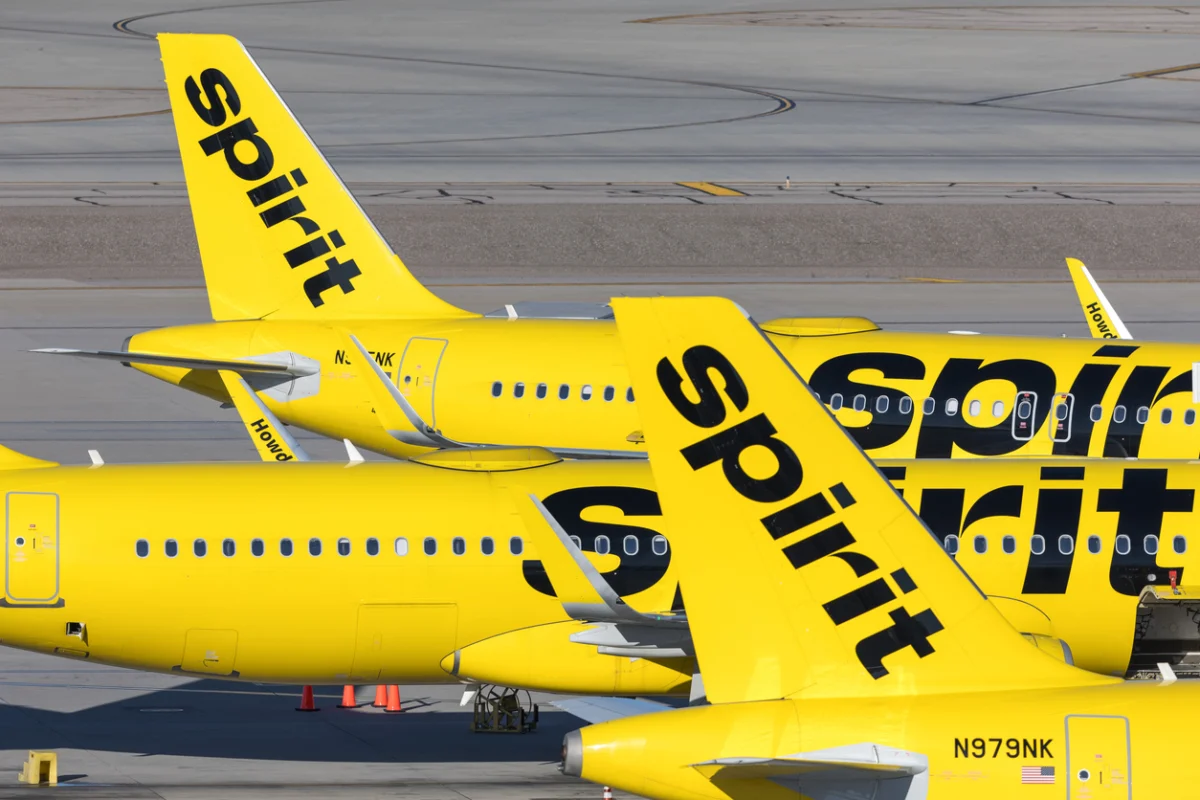
The landscape of American commercial aviation underwent a seismic shift this weekend as Spirit Airlines, the nation’s largest ultra-low-cost carrier, abruptly suspended all flight operations and grounded its entire fleet. The decision followed a final, unsuccessful attempt to secure a federal bailout or a restructuring agreement with the United States government. The immediate cessation of service on Saturday morning left tens of thousands of travelers stranded across the country and internationally, sparking a frantic scramble among rival carriers to capture the displaced market share and manage the resulting travel chaos.
For years, Spirit Airlines served as a controversial but essential fixture in the United States aviation industry, pioneering the "unbundled" fare model that allowed passengers to fly for exceptionally low base prices while paying extra for amenities such as carry-on bags and seat assignments. However, a series of financial setbacks—including a blocked merger with JetBlue Airways on antitrust grounds and a mounting debt load exceeding $1.1 billion—eventually pushed the carrier to the brink of insolvency. When the Department of the Treasury and the Department of Transportation declined to provide a last-minute lifeline, the airline’s board of directors determined that continued operations were no longer viable.
The Immediate Aftermath of the Grounding
The timing of the shutdown, occurring on a Saturday morning, maximized the logistical impact on the traveling public. Unlike a scheduled bankruptcy filing where operations often continue under Chapter 11 protection, Spirit’s total grounding meant that passengers mid-journey were left without return flights, and those at the start of their trips were met with locked gates and darkened kiosks.
In response, the major legacy carriers—American Airlines, United Airlines, and Delta Air Lines—along with Spirit’s primary budget rival, Frontier Airlines, launched a series of "rescue fares." These initiatives are designed to provide discounted seats to passengers holding Spirit confirmation numbers, though the terms and effectiveness of these offers vary significantly across the industry.
Detailed Breakdown of Airline Rescue Initiatives
American Airlines was among the first to announce a comprehensive support plan. In a formal statement, the carrier noted its significant overlap with Spirit’s network, serving 70 of the 72 airports previously utilized by the budget carrier. American’s strategy involves "rescue fares" on nonstop routes where they competed directly with Spirit. Furthermore, the airline is currently evaluating the deployment of larger aircraft and the addition of temporary flight frequencies to high-demand corridors, such as those connecting Florida to the Northeast and Midwest.
United Airlines took a more standardized approach to pricing, announcing that its rescue fares for displaced passengers would be capped at $199 for most domestic routes, with a maximum ceiling of $299 for longer-haul flights. This transparent pricing model was intended to mitigate the "surge pricing" that often occurs when a competitor exits the market suddenly, leaving a supply-and-demand vacuum.
Delta Air Lines focused its efforts not only on the passengers but also on the professional workforce left in the lurch. Beyond offering standby assistance for stranded travelers, Delta established a dedicated expedited application portal for former Spirit pilots, flight attendants, and maintenance technicians. This move is seen as a strategic attempt to absorb qualified personnel during a period when the industry continues to face labor shortages in specialized roles.
Frontier Airlines, which occupies the same ultra-low-cost niche as Spirit, offered a "50% off base fares" promotion. However, industry analysts have noted that Frontier’s offer comes with significant caveats, including a 21-day advance purchase requirement and restrictions to specific days of the week. Critics argue that such terms provide little relief to travelers currently stranded at airports, suggesting the move may be more of a marketing tactic to acquire Spirit’s former customer base than a true emergency rescue operation.
The Path to Collapse: A Chronology of Decline
The downfall of Spirit Airlines was not an overnight occurrence but rather the culmination of several years of mounting pressure. To understand the current crisis, one must look at the timeline of events that led to the Saturday grounding:
- July 2022: Spirit Airlines shareholders approved a $3.8 billion merger agreement with JetBlue Airways, following a bidding war with Frontier Airlines.
- March 2023: The U.S. Department of Justice (DOJ) filed a lawsuit to block the merger, arguing that the elimination of Spirit would lead to higher fares for price-sensitive consumers.
- January 2024: A federal judge ruled in favor of the DOJ, effectively killing the merger. Spirit’s stock plummeted, and the company began exploring debt restructuring options.
- April 2024: Spirit announced the furlough of hundreds of pilots and a deal with Airbus to delay aircraft deliveries to preserve cash.
- May 2024: Negotiations with the federal government for a stabilization loan intensified as the airline faced a critical liquidity crunch.
- Last Week: Federal officials reportedly signaled that a bailout was unlikely without significant private sector concessions that failed to materialize.
- Saturday Morning: Spirit Airlines officially ceased all operations.
Impact on the Labor Market and Economy
The human cost of the collapse is substantial. Spirit employed approximately 17,000 people, including 3,500 pilots and over 6,000 flight attendants. While other airlines are moving to hire some of these workers, the suddenness of the closure has left many without immediate severance or health benefits.
From an economic perspective, the exit of Spirit Airlines removes a significant amount of "low-fare pressure" from the market. The "Spirit Effect" is a recognized economic phenomenon where the presence of an ultra-low-cost carrier in a specific market forces legacy airlines to lower their prices to remain competitive. Without Spirit, analysts predict that fares on popular routes to vacation hubs like Orlando, Las Vegas, and Fort Lauderdale could rise by as much as 20% to 30% in the short term.
Broader Corporate Volatility: GameStop and eBay
While the aviation sector grappled with Spirit’s exit, the broader business world was surprised by a bold move from the retail sector. GameStop, the video game retailer that became a household name during the "meme stock" era of 2021, has reportedly made a surprise offer to acquire the e-commerce giant eBay.
While the details of the offer remain undisclosed, market analysts are skeptical of the feasibility of such a deal. eBay’s market capitalization significantly exceeds that of GameStop, leading many to view the move as a highly aggressive attempt by GameStop leadership to pivot the company away from its struggling physical retail model toward a dominant position in the global digital marketplace. If pursued, the acquisition would represent one of the most unconventional mergers in recent corporate history, potentially facing its own set of regulatory hurdles and shareholder scrutiny.
Crisis Management in the Cruise Industry
Simultaneously, the travel industry faced challenges on the high seas. A major cruise line, which has not yet been named in all jurisdictions pending further investigation, issued a thorough statement following what appears to be a hantavirus outbreak on one of its flagship vessels.
The cruise line’s response has been praised by public health experts for its transparency. The company immediately coordinated with the Centers for Disease Control and Prevention (CDC), quarantined affected passengers, and implemented deep-cleaning protocols. Unlike previous industry scandals where information was withheld, the cruise line provided hourly updates and offered full refunds and medical coverage for those impacted. This proactive approach to crisis communication serves as a stark contrast to the chaotic final days of Spirit Airlines, highlighting the importance of brand reputation management during public health emergencies.
Analysis of the Future Aviation Landscape
The disappearance of Spirit Airlines raises critical questions about the future of the "Ultra-Low-Cost Carrier" (ULCC) model in the United States. While Frontier Airlines remains, the loss of Spirit significantly consolidates the market. The DOJ’s original intent in blocking the JetBlue-Spirit merger was to protect competition; however, the resulting bankruptcy has achieved the opposite effect, leaving fewer choices for consumers.
Regulatory bodies are now under pressure to explain why a merger that might have saved the airline was blocked, only to result in a total liquidation that leaves the market in the hands of the "Big Four" carriers (American, Delta, United, and Southwest).
For travelers, the immediate future involves navigating a more expensive and less flexible environment. The "rescue fares" offered this week are a temporary bandage on a significant wound in the travel infrastructure. As the 17,000 former Spirit employees look for new roles and the 72 airports Spirit served adjust their gate allocations, the industry will likely see a period of intense reorganization.
The collapse of Spirit Airlines serves as a cautionary tale regarding the razor-thin margins of the budget travel industry and the volatile nature of government intervention in corporate survival. As the dust settles, the focus remains on the thousands of passengers still trying to find their way home and the thousands of workers facing an uncertain professional future.