rifanmuazin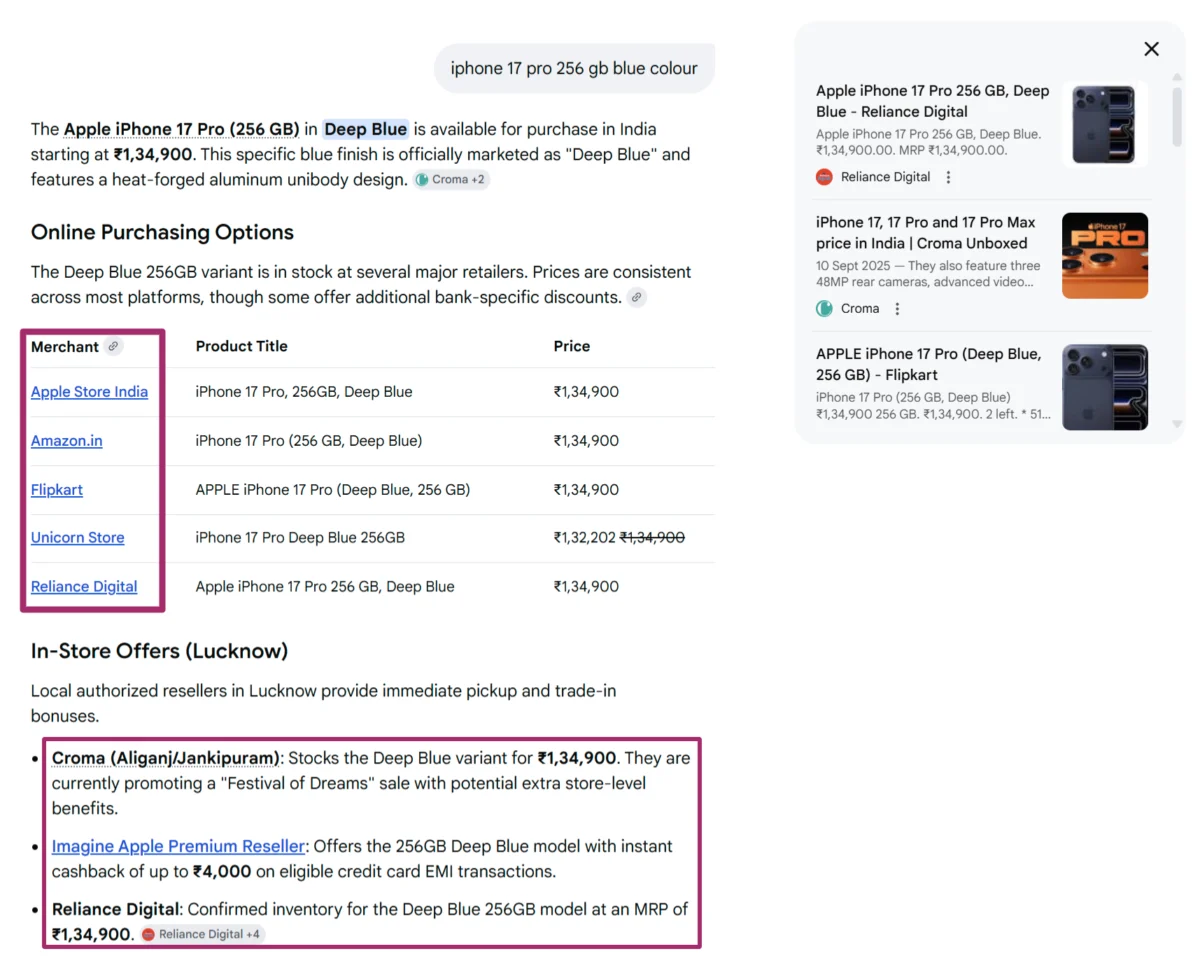
The digital landscape is undergoing a profound transformation as artificial intelligence redefines the very mechanisms of search and content visibility. Users are increasingly receiving direct, synthesized answers to their queries from AI models, circumventing the traditional click-through model that has long underpinned web traffic. This fundamental shift positions AI citations as the new arbiters of online authority, determining which sources are featured in these AI-generated responses. Over the past year, search engines have moved beyond merely ranking pages to actively selecting and citing credible sources, compelling a strategic pivot from conventional Search Engine Optimization (SEO) towards an AI-driven approach to visibility.
The Paradigm Shift: From Blue Links to AI-Driven Answers
For decades, the internet’s primary navigation system was predicated on the "blue link" era of search. Success in this environment meant achieving higher rankings on Search Engine Results Pages (SERPs), which directly translated into increased organic traffic through user clicks. SEO professionals meticulously optimized content, built backlinks, and refined technical elements to secure these coveted top positions. However, the advent of sophisticated generative AI models, such as Google’s AI Overviews (formerly Search Generative Experience or SGE), ChatGPT, Gemini, and Perplexity, has introduced a new layer of interaction. Users now expect and often receive comprehensive answers directly within the search interface, often eliminating the need to visit an external website. This phenomenon, often termed "zero-click search," signifies a critical evolution in user behavior and, consequently, in how digital visibility is earned.
AI citations are the explicit references that these advanced search engines and AI tools include to substantiate the answers they generate. When an AI model provides a response to a user’s query, it frequently points to specific web pages, academic papers, or other digital assets that support the factual claims or recommendations made. These citations serve a dual purpose: they act as vital signals of credibility, demonstrating the answer’s factual basis, and they offer users a pathway to explore the original content for deeper understanding or verification. In essence, if content is cited by an AI, it transitions from being merely a link in a list to an integral component of the answer itself, granting it a unique and powerful form of endorsement.
Understanding AI Citations: The New Signals of Trust
The distinction between traditional SEO and the emerging paradigm of AI citations is not merely semantic; it represents a fundamental divergence in how online influence is measured and cultivated. In the past, visibility was largely synonymous with direct clicks generated by prominent blue links. Today, while rankings and clicks remain relevant, being selected as a source by an AI model carries significant, if not greater, weight.
| Aspect | Traditional SEO | AI Citations |
|---|---|---|
| Visibility | Ranking in "blue links" on SERPs | Inclusion in AI-generated answers |
| Traffic | Primarily click-driven | Influence-driven; pre-click authority |
| Authority | Backlinks, domain authority | Credibility, accuracy, E-E-A-T |
| User Action | Visit website for information | Consume instant answers; potential follow-up |
This does not imply the obsolescence of traditional SEO. Foundational elements like technical SEO, content quality, and backlink profiles continue to play a critical role in how content is indexed and initially retrieved by AI systems. However, the value of these elements is now surfaced differently. Instead of solely competing for a position on a results page, content creators are now vying for the ultimate prize: to become a definitive part of the AI’s synthesized answer. As Alex Moss noted in his 2025 BrightonSEO talk, the evolution of search intent and discoverability demands a new strategic framework.
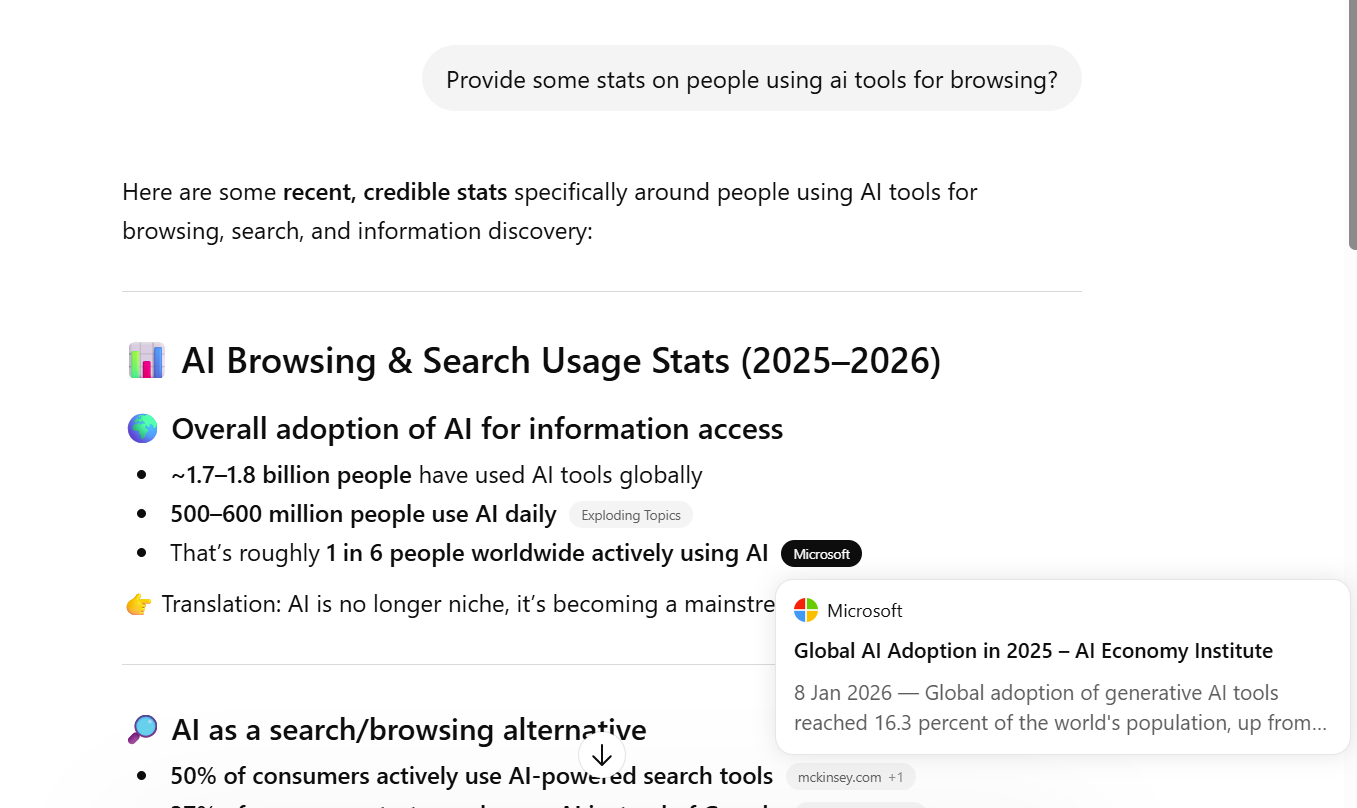
AI models draw their answers from a vast and diverse information ecosystem. This includes publicly available web pages, proprietary databases, academic journals, multimedia content, and even curated user-generated content. A recent analysis of Google’s AI Overviews revealed that only approximately 38% of cited sources consistently rank within the top 10 traditional search results. This crucial insight indicates that AI models prioritize utility, clarity, and direct answers over traditional ranking signals alone, often drawing from deeper pages or alternative content formats. Furthermore, research by CXL highlights that AI models tend to favor clear, concise answers presented early within a piece of content, with a significant proportion of citations originating from the initial sections of a page. This suggests that the structure and immediate utility of information are paramount. The overarching takeaway is clear: AI systems are not merely ranking content; they are intelligently selecting the most pertinent and trustworthy pieces of information from across the entire digital spectrum, emphasizing clarity, structure, and trustworthiness.
Categorizing Citations: Informational, Product, and Multimedia
AI citations are not monolithic; their appearance and underlying purpose vary depending on the nature of the user’s query and intent. Broadly, three main types of citations can be observed:
- Informational Citations: These are the most prevalent. AI tools reference blog posts, comprehensive guides, educational articles, and research papers to explain concepts or answer specific questions. For instance, a query like "what are AI citations?" would typically yield citations to long-form, explanatory content that dissects the topic thoroughly. These citations underscore the AI’s commitment to providing well-supported, knowledge-based responses.
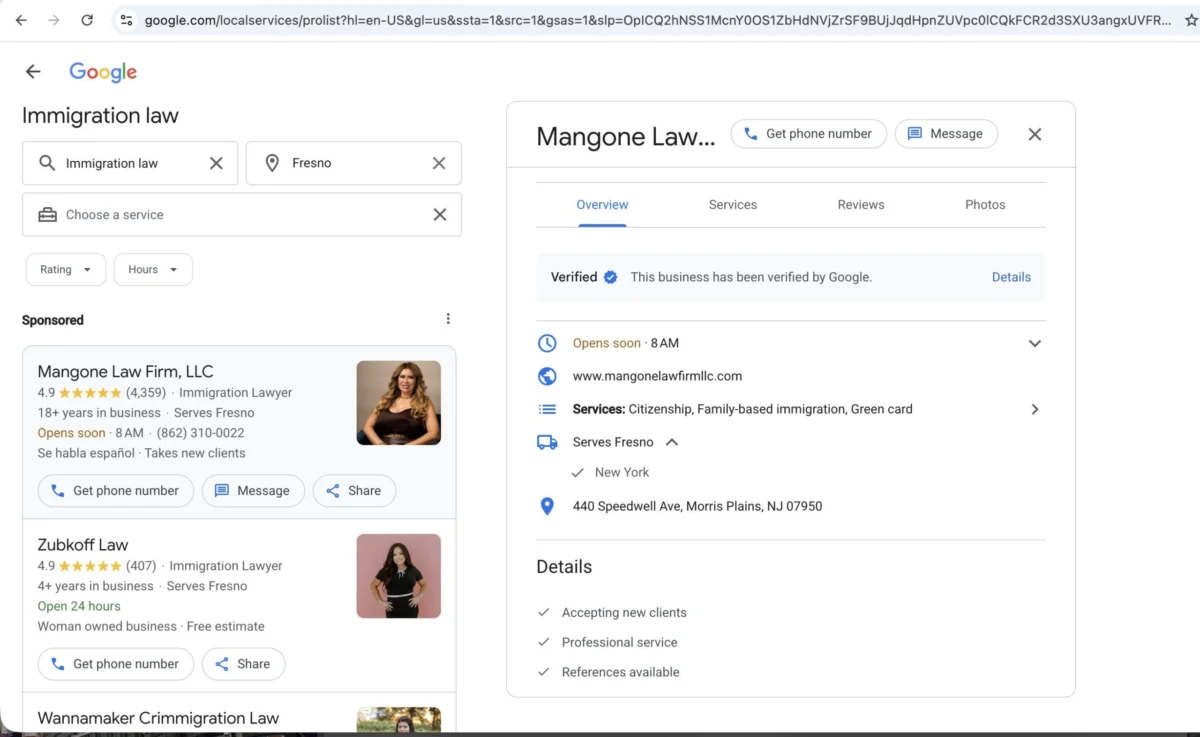
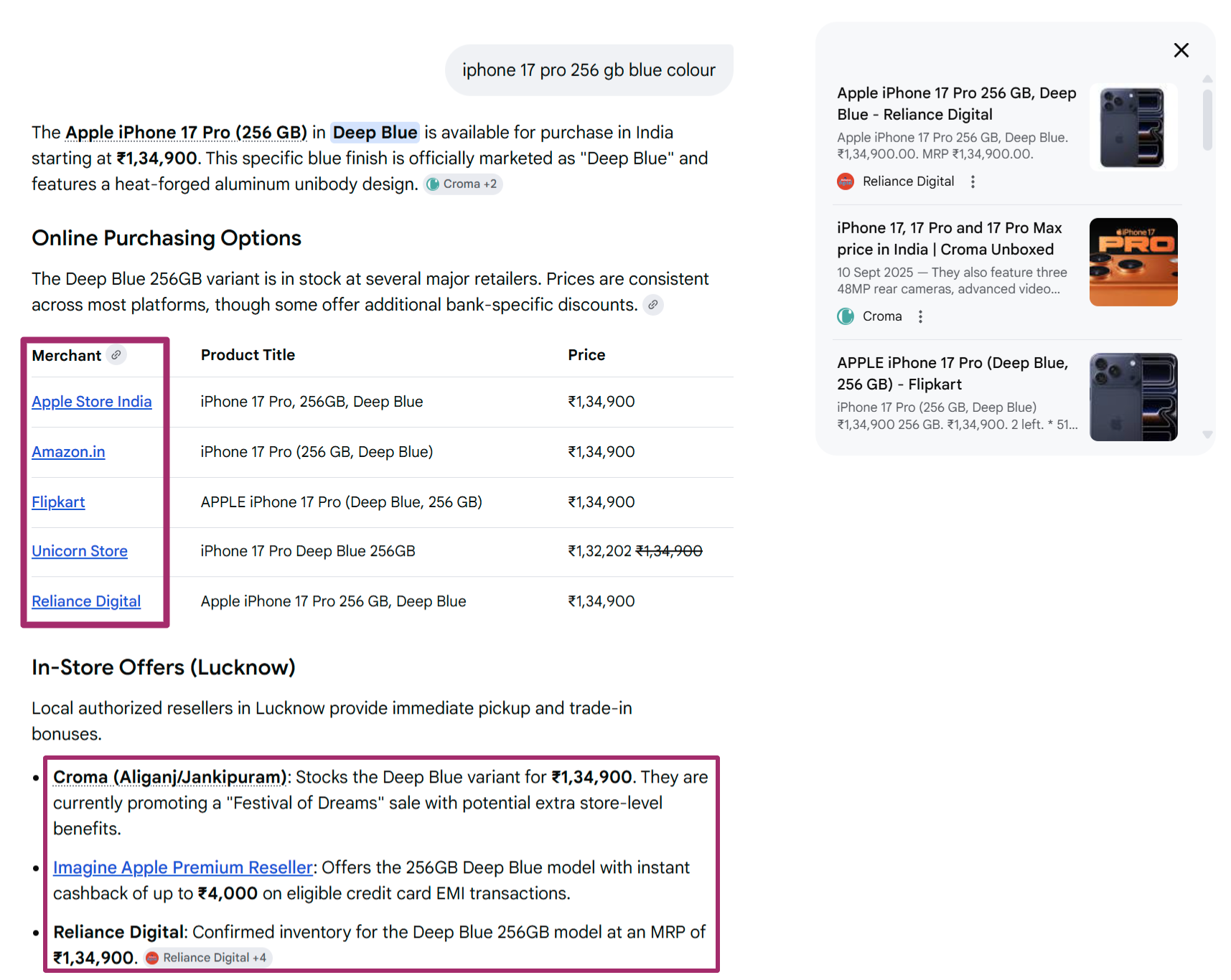
- Product Citations: Appearing predominantly in commercial or comparison-oriented queries (e.g., "best SEO tools" or "top project management software"), these citations direct users to product pages, detailed listicles, and review-based content. AI models leverage these sources to validate product recommendations, comparisons, and feature analyses, often providing a blend of online and offline options, as seen in Google’s AI model. For businesses, securing product citations can directly influence pre-purchase decision-making.
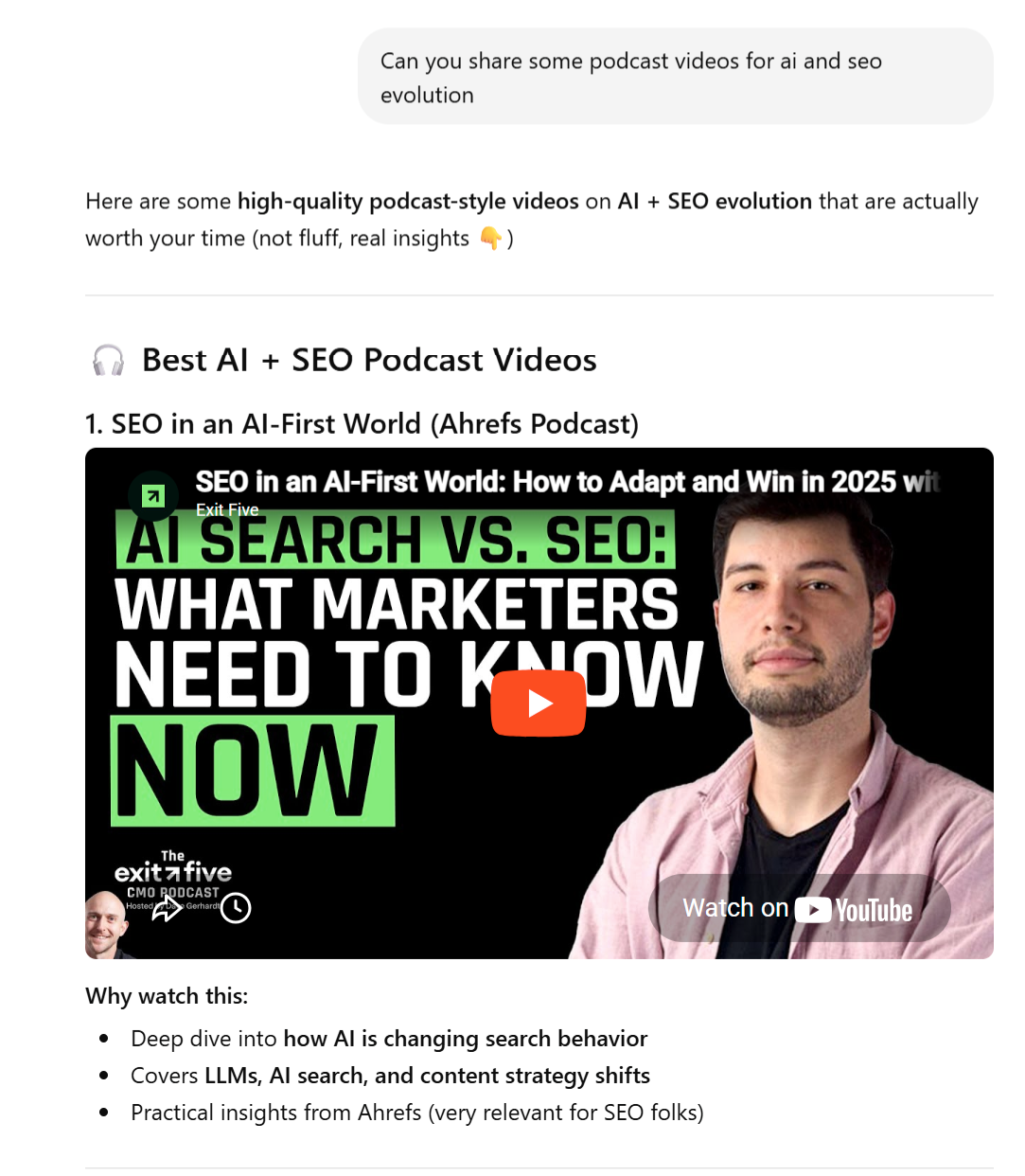
- Multimedia Citations: AI’s capabilities extend beyond text. Videos, images, infographics, and other visual formats can also be cited, particularly when they offer a clearer or more effective explanation than text alone. Tutorials, step-by-step walkthroughs, or demonstrations often benefit from multimedia citations, reflecting the AI’s understanding that different information types serve different explanatory purposes. This highlights the growing importance of visual content in an AI-driven search environment.
The Unseen Influence: AI Citations and Brand Credibility
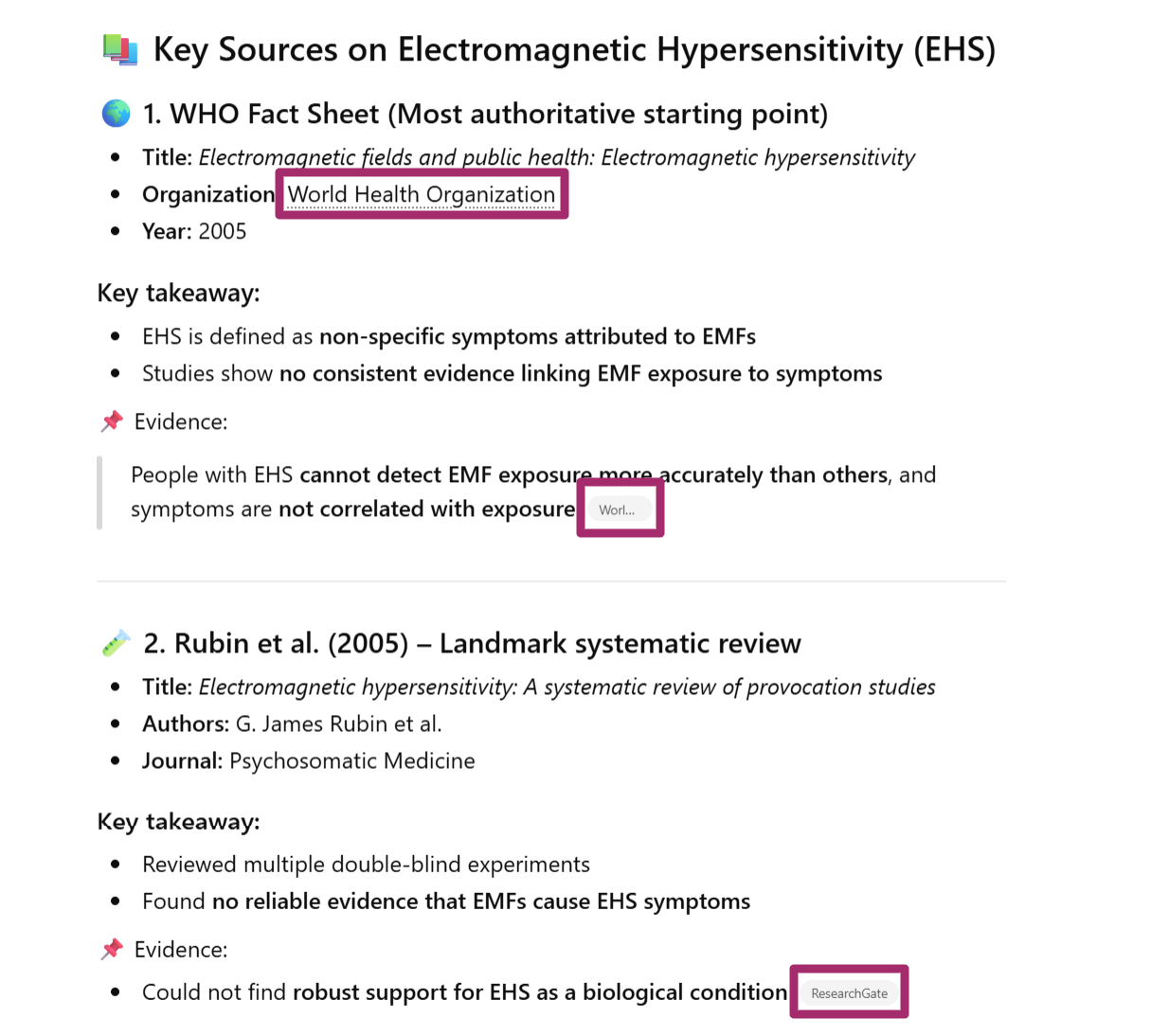
The impact of AI citations transcends mere visibility; they profoundly shape how a brand is perceived, often before a user ever navigates to its website. When a brand’s content is cited in an AI-generated answer, a portion of the AI’s inherent authority and trust is transferred to that brand. The brand is no longer just one among many search results; it becomes an endorsed source, an integral part of the authoritative answer. This subtle yet powerful endorsement fundamentally alters how users interpret a brand’s expertise and reliability.
Crucially, this implies that critical buyer decisions are increasingly being initiated, if not finalized, earlier in the user journey. Users may form initial opinions, curate shortlists of options, or even make definitive choices based solely on AI responses, without ever clicking through to a website. Consequently, if a brand’s content is not cited, it risks exclusion from this crucial pre-click consideration set, potentially losing out on valuable brand exposure and influence.
Furthermore, consistent citation by AI models serves as a strong signal of relevance and genuine utility. It communicates to both users and algorithms that the content is not merely optimized for keywords but delivers tangible value in context. Over time, this repeated exposure through AI citations fosters a compounding effect, embedding the brand’s name and expertise within specific topics. This iterative process builds familiarity, solidifies authority, and cultivates deep-seated trust among the audience, establishing the brand as a recognized leader in its field.
The Mechanism: How AI Systems Select and Cite Sources
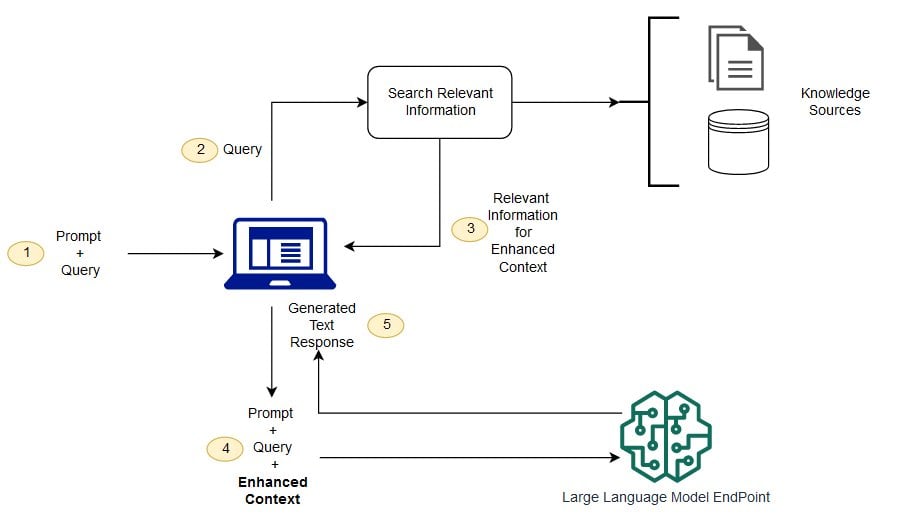
Understanding the "what" and "why" of AI citations naturally leads to the "how." At a conceptual level, most AI-powered search systems operate through a sophisticated retrieval-and-synthesis process, frequently powered by techniques like Retrieval-Augmented Generation (RAG). This means AI models don’t merely invent answers; they actively seek, evaluate, and synthesize information from a multitude of sources before determining which ones to cite. The conceptual flow, often illustrated by diagrams from entities like AWS, involves a continuous loop of retrieving relevant information and generating coherent responses.
The process typically unfolds in five distinct stages:
- Query Understanding: The journey begins with deciphering user intent. The AI analyzes the query to determine whether it is informational, transactional, navigational, or commercial, laying the groundwork for the subsequent retrieval of appropriate sources.
- Retrieval of Sources: The system then casts a wide net, pulling in potential sources from its vast index of web pages, internal databases, academic repositories, and multimedia assets. This is the initial gateway where a brand’s content enters the pool of consideration.
- Source Evaluation: Not all retrieved sources are treated equally. AI models rigorously evaluate them based on a complex array of signals:
- Relevance: How closely does the source match the query’s intent and keywords?
- Quality: Is the content well-written, comprehensive, and free of errors?
- Credibility: Does the source demonstrate Experience, Expertise, Authoritativeness, and Trustworthiness (E-E-A-T)? This framework, emphasized by Google, plays a central role, signaling that AI systems prioritize reliable sources.
- Freshness: Is the information up-to-date, especially for time-sensitive topics?
- Uniqueness: Does the content offer original insights or a distinct perspective?
- Format: Is the content structured in a way that facilitates easy extraction of answers?
- Answer Synthesis: Instead of simply presenting a list of links, the AI skillfully synthesizes insights from multiple evaluated sources into a cohesive, articulate answer. During this phase, a brand’s content may contribute to the overall answer, even if not explicitly cited, reinforcing its informational value.
- Citation Selection: Finally, the model makes a crucial decision: which sources to explicitly cite, attribute, or recommend for further exploration. This final step directly dictates a brand’s immediate AI visibility.
It’s important to note that while the core process remains consistent, different AI systems exhibit variations in their citation behavior. ChatGPT, for instance, often leans on third-party sources and consensus-driven platforms like directories and review sites, valuing external validation. Perplexity, known for its "retrieval-first" approach, emphasizes transparency by surfacing multiple citations from a broad range of web sources. Gemini, conversely, often prioritizes brand-owned and highly structured content, favoring pages that are clearly organized and easy for its models to interpret. Understanding these nuances, as Yoast highlights, is crucial for optimizing brand visibility across various LLMs.
Despite these differences, the key signals that increase the likelihood of content being cited remain surprisingly consistent: strong E-E-A-T, clear and concise answers, unique insights, up-to-date information, well-structured content, diverse multimedia, and robust external validation. AI citations are thus not arbitrary; they are the outcome of a methodical evaluation process where clarity, trust, and relevance are paramount.
Strategic Approaches to Earning AI Citations
The central question for content creators now shifts to: "How do you actively earn these coveted AI citations?" It moves beyond mere content creation to strategically signaling that your content is indispensable.
-
Create Citation-Friendly Content: Content that earns citations goes beyond superficial answers, offering original thought, meticulous explanations, and genuine value. Such content helps AI models confidently support their responses.
- Original Research: Studies, surveys, or data analyses that answer novel questions provide AI with concrete evidence.
- Case Studies: Real-world examples demonstrating practical applications or outcomes help AI justify recommendations with verifiable proof.
- Thought Leadership: Opinion-led content presenting unique insights or perspectives adds depth and diversity to AI-generated answers, differentiating a brand.
- News Content: Timely, accurate coverage of recent developments is crucial, as it fills knowledge gaps where AI training data may fall short.
-
Build Topical Authority (Content Clusters): AI models assess not just individual pages but the holistic authority a brand holds on a subject. Publishing multiple, interconnected pieces of content that address various facets of a topic signals comprehensive depth, expertise, and reliability. This is where E-E-A-T naturally flourishes; consistent demonstration of experience and expertise in a niche enhances trustworthiness.
- In Practice: Develop pillar content (comprehensive guides) supported by cluster content (detailed articles on sub-topics). Use internal linking to establish semantic relationships and demonstrate expertise across a domain.
-
Strengthen Entity Signals (Brand, Authorship, Schema): AI systems evaluate not only the content but also the entities behind it. Clear entity signals help models understand a brand, its authors, and its credibility within a specific topic.
- In Practice: Implement comprehensive Organization Schema Markup for your brand. Ensure author bios are detailed, include relevant credentials, and link to professional profiles. Use Person Schema for authors and Article/FactCheck Schema for content, where appropriate. Maintain consistent brand messaging and information across all digital touchpoints.
-
Earn External Validation Signals Across the Web: AI models cross-reference multiple sources to validate information, meaning credibility isn’t solely built on a brand’s website. It’s shaped by consistent, authoritative mentions across trusted external platforms.
- In Practice: Focus on earning high-quality brand mentions, expert endorsements, and citations from reputable industry publications, academic institutions, and news outlets. This evolves traditional link building into a broader strategy of reputation management and entity reinforcement. Engage in PR, partner with influencers, and seek credible reviews.
-
Keep Content Fresh and Updated: AI models favor content that reflects the most current information, especially for rapidly evolving topics. Regular content audits and updates signal relevance and reliability.
- In Practice: Establish a content review schedule. Update statistics, facts, and examples. Revisit and expand on existing content to maintain its comprehensiveness and accuracy. Clearly indicate last updated dates on articles.
-
Structure Content for Answer Extraction: AI models "read" content differently than humans, primarily extracting answers. With 67% of users preferring AI tools for answers (according to IWAI), content must be structured for easy extraction.
- In Practice: Use clear, descriptive headings (H1, H2, H3) that pose and answer questions directly. Employ bullet points, numbered lists, and tables for digestible information. Include a concise summary or key takeaways at the beginning of articles. Implement schema markup (e.g., FAQPage, HowTo) to explicitly guide AI models.
Measuring the Unseen: Tracking AI Brand Presence with Yoast
In this new ecosystem, traditional analytics tools often fall short. They can measure website traffic but struggle to quantify brand mentions within AI-generated answers, understand sentiment, or identify the sources AI systems trust. This represents a critical blind spot, especially as AI answers increasingly influence user decisions pre-click.
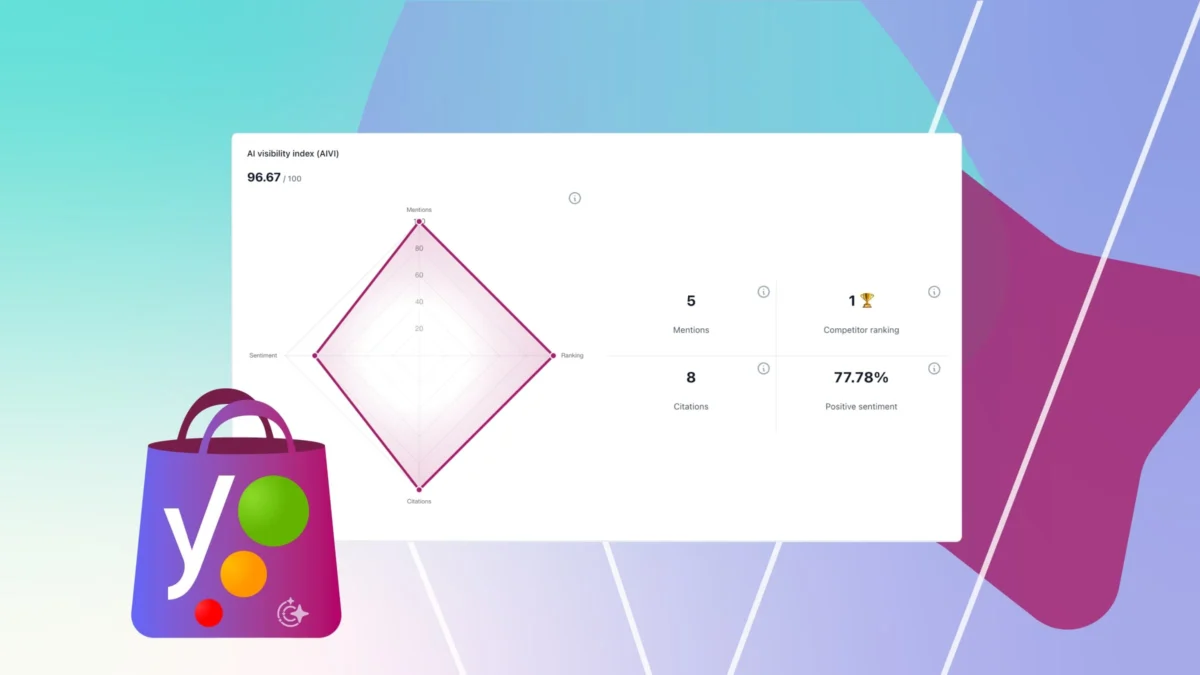
Yoast AI Brand Insights aims to bridge this gap, offering a comprehensive solution for tracking and understanding AI visibility, citations, and brand mentions across leading platforms like ChatGPT, Gemini, and Perplexity. It empowers brands to move from speculative assumptions to data-driven strategic action.
Key features include:
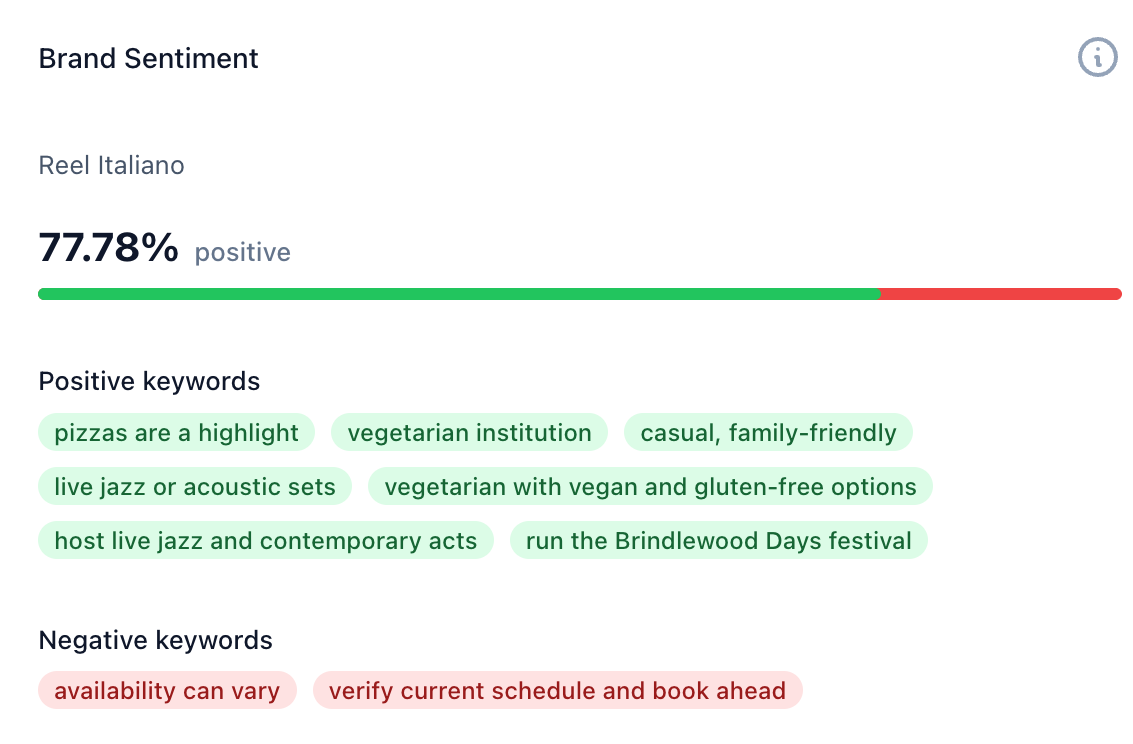
- Sentiment Tracking: Analyzes keywords associated with a brand within AI responses to gauge overall sentiment (positive, negative, neutral), helping identify tonal issues and shifts over time.
- Citation Analysis (Brand Mentions): Provides insights into when and where a brand is cited, critically identifying which complementary sources AI platforms reference, uncovering citation gaps and opportunities.
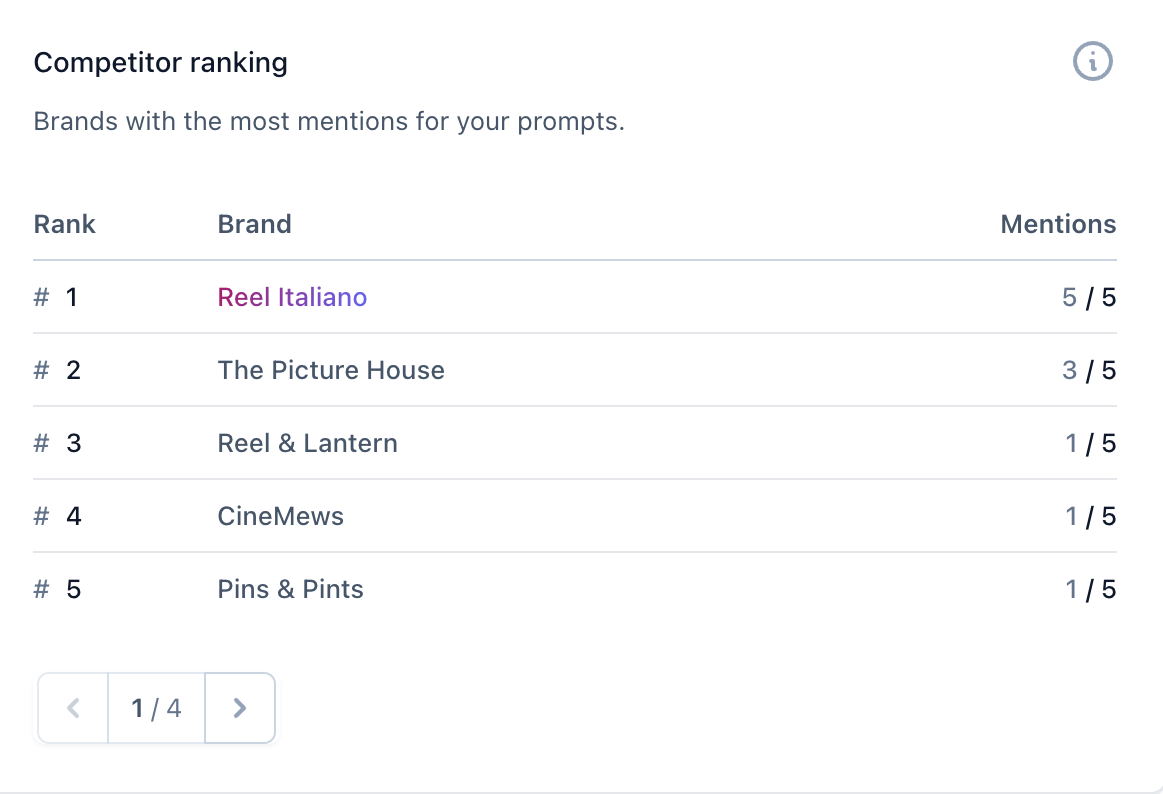
- Competitor Benchmarking: Offers a comparative view of a brand’s citations, mentions, and sentiment against competitors, elucidating who gains more AI-driven visibility and why.
- Question Monitoring: Tracks specific brand-related or industry questions to determine if and how a brand appears in the answers, offering direct insight into visibility and content gaps.
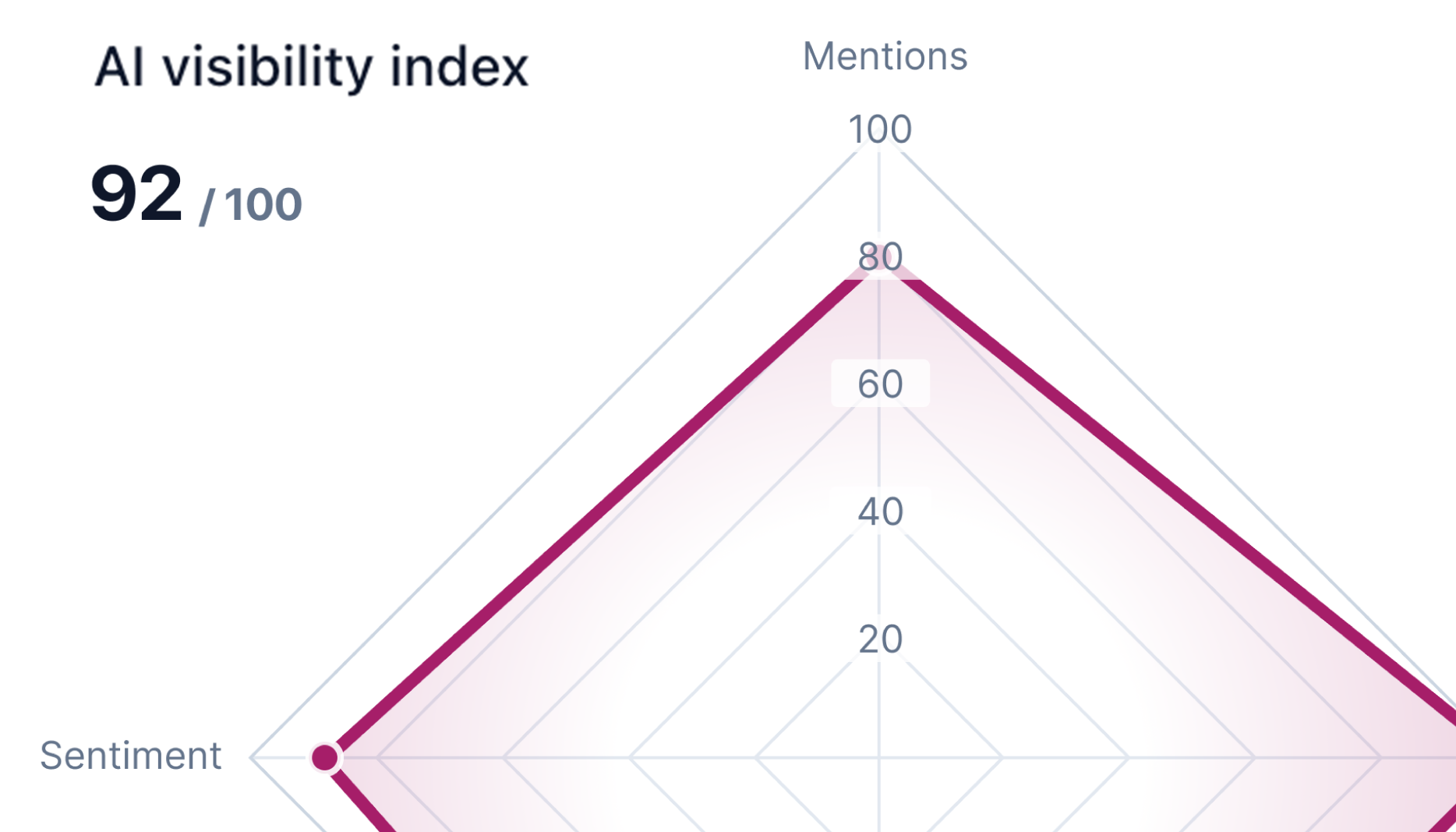
- AI Visibility Index: Consolidates various AI signals—citations, mentions, sentiment, and rankings—into a single, composite score, providing a holistic understanding of a brand’s performance across AI systems over time.
Yoast AI Brand Insights helps brands comprehend their standing in this evolving digital ecosystem, enabling them to fortify their presence, address deficiencies, and ensure their brand is prominently featured in the answers their target audience is already consuming.
FAQs and Future Outlook
The concept of AI citations can initially seem complex, given the rapid evolution of search. Addressing common questions helps clarify this new paradigm.
- Are backlinks different from AI citations? Yes, fundamentally. Backlinks primarily bolster a page’s ranking in traditional search results by signaling authority, whereas AI citations determine whether content is directly incorporated into an AI-generated answer. Backlinks drive visibility on SERPs; citations drive visibility within answers.
- Do AI systems always provide citations? No. AI systems do not universally include citations. Responses generated purely from pre-trained knowledge, rather than real-time retrieval of external sources, may lack explicit citations. Experiments with ChatGPT reveal that citations are more likely to appear for specific, evidence-driven, or fact-checking queries, while general knowledge questions often yield un-cited answers. This underscores that citation behavior is heavily dependent on query type, intent, and context.
- How do I direct AI models to the most important content on my website? While direct control over AI citation is not possible, tools like
llms.txt, a feature in Yoast SEO, can help. This structured, LLM-friendly markdown file highlights a website’s most crucial pages, aiding LLMs in better understanding and prioritizing key content when generating answers. It serves as a clear communication channel, ensuring that when AI systems seek reliable sources, a brand’s most authoritative content is easily interpreted and surfaced.
AI Citations: The Currency of the AI-Driven Web
AI citations are fundamentally reshaping how users discover and trust information online. They are not merely supplementary to traditional rankings; they are redefining them by determining which sources become integral to the AI’s synthesized answer. In an increasing number of scenarios, users no longer need to click a link to gather information; if a brand’s content is cited, it achieves unparalleled visibility. If not, it risks becoming effectively invisible in the context of direct AI answers.
This transformative shift necessitates a recalibration of optimization strategies. The focus moves beyond simply driving traffic to cultivating trust, demonstrating relevance, and ensuring inclusion in the crucial "answer layer" of search. As explored in discussions around "Rethinking SEO in the Age of AI," the foundational question for SEO professionals is evolving. It is no longer merely, "Can Google find my website?" but rather, "Does the AI have a compelling reason to remember and reference my brand?" AI citations are poised to become the indispensable currency of the AI-driven web, dictating not just presence, but profound influence and credibility.