rifanmuazin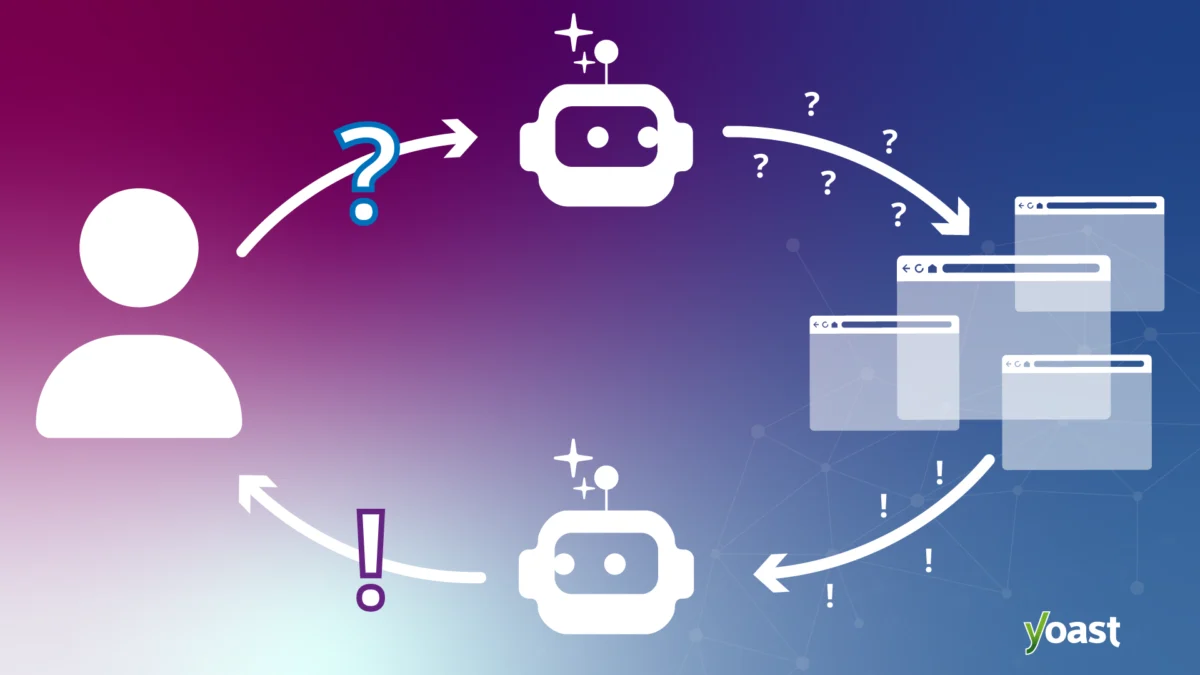
For decades, the realm of Search Engine Optimization (SEO) operated on a relatively consistent framework: content creators developed valuable information, optimized it for Google’s algorithms, and vied for prominent rankings. This predictable playbook ensured that the path from user query to website visit was largely direct, guided by a list of ten blue links. However, the advent of sophisticated Artificial Intelligence (AI) tools like ChatGPT, Perplexity, and Gemini has fundamentally altered this landscape, introducing a new, intermediary layer between users and traditional search engines. These AI answer engines synthesize and generate information, often presenting direct answers rather than merely retrieving lists of links, thereby challenging long-held SEO assumptions and ushering in a new era of online discoverability.
This profound shift was the central theme of a recent discussion on the Get Discovered podcast, featuring Joe Walsh, CEO of Prerender.io, and Alain Schlesser, Principal Architect at Yoast. Their conversation delved into the transformative impact of AI on the search ecosystem, highlighting how these intelligent systems are reshaping user behavior, content consumption, and the very strategies businesses employ to ensure their digital presence. The core takeaway from their insights is clear: AI is no longer just a tool; it is becoming a critical gatekeeper in the journey of information discovery.
The Emergence of a New Discovery Layer: AI as the Digital Gatekeeper
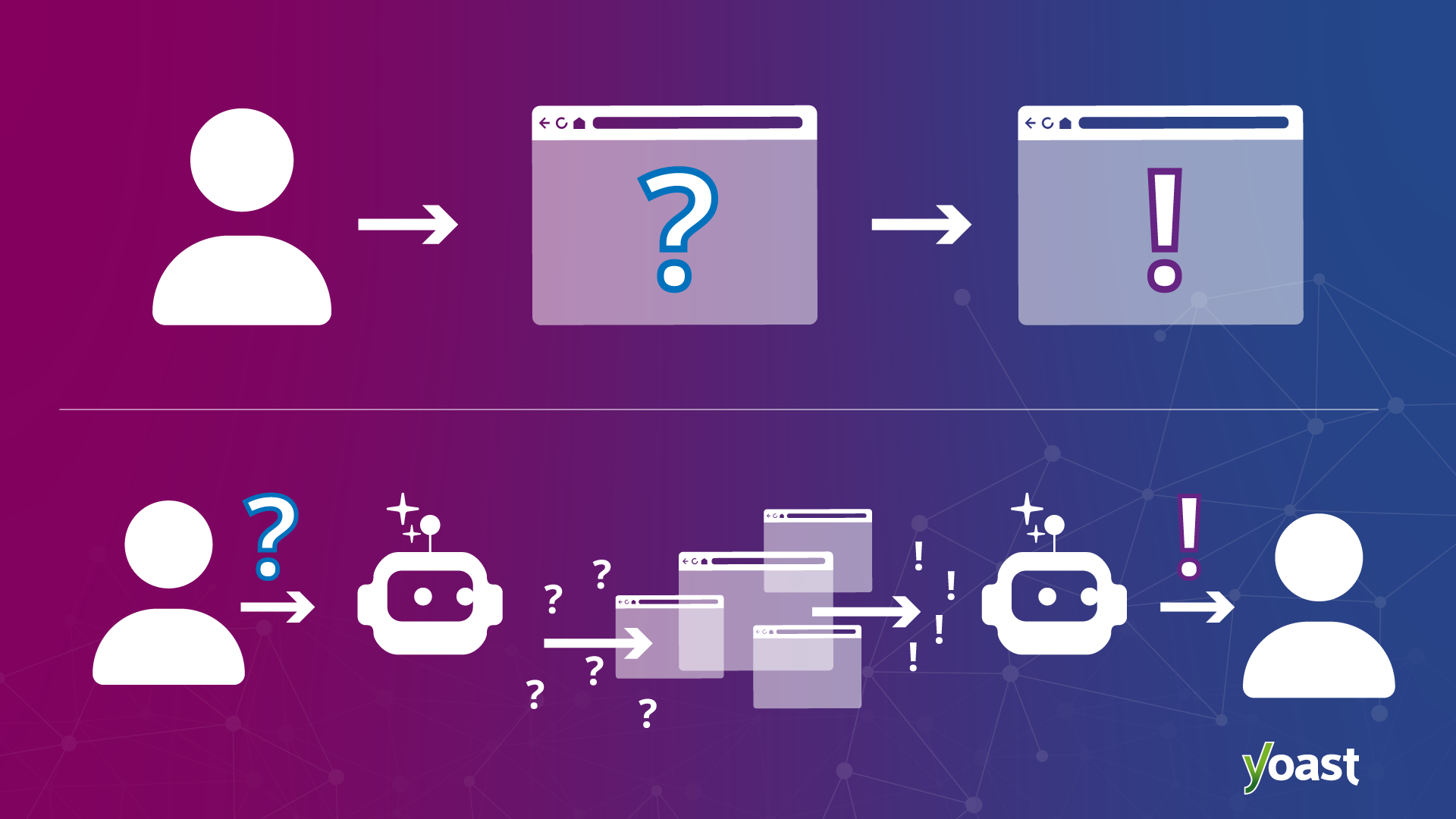
Alain Schlesser articulated this structural transformation succinctly: "There’s now a layer in front of search that acts as a gatekeeper before you even hit those search engines." This statement encapsulates the most significant change in online information retrieval. Historically, a user’s search journey was linear: typing a query into a search engine, receiving a list of ranked results, and then selecting a link to visit a website. This straightforward flow allowed SEO professionals to focus on optimizing for direct click-throughs from search engine results pages (SERPs).
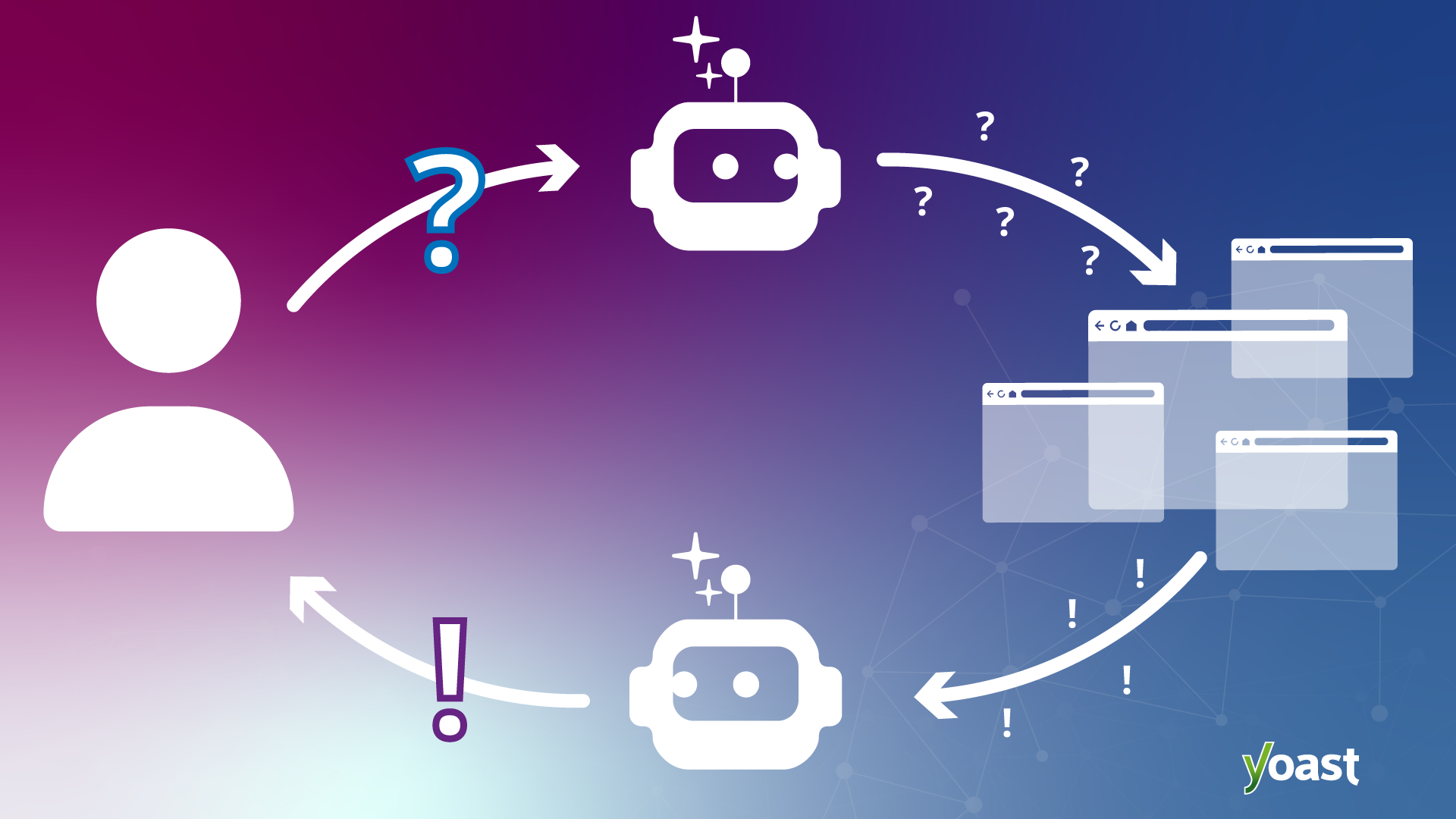
Today, the process is far more nuanced and complex. Many users initiate their information quest not with a traditional keyword search but with a conversational prompt directed at an AI model. These models, equipped with advanced natural language processing capabilities, then determine the necessity of external information. If required, the AI system may internally generate multiple, refined search queries, dispatching them to various search engines or its own proprietary indexes to gather relevant data. This "agentic search" represents a significant departure from previous norms, as the user’s initial interaction is with the AI, not directly with the search engine.
The evolution of this discovery flow can be illustrated as follows:
- Previously (Traditional Search): User → Search Engine → Website
- Now (AI-Mediated Discovery): User → AI Model → Search Engine(s) → Website(s) → AI Synthesis → User
Instead of merely displaying a roster of links, the AI model actively interprets, processes, and synthesizes the retrieved information. It then crafts a comprehensive answer, often consolidating insights from multiple sources, before presenting it to the user. This makes the AI system a crucial filtering layer, deciding which information is deemed most relevant and authoritative for inclusion in its generated response. The implication for content creators is immense: visibility no longer solely hinges on appearing in a top search result but on being deemed a credible and extractable source by an AI.
Search Fragmentation Beyond Google’s Hegemony
For nearly two decades, the world of SEO was largely synonymous with optimizing for Google. Despite the existence of other search engines, Google’s unparalleled market dominance meant that its algorithms, guidelines, and updates dictated the strategies of digital marketers worldwide. As Alain Schlesser noted, "We were in a rather comfortable position where we were only dealing with a monopoly search." This era of relative singularity fostered a centralized approach to SEO, where efforts were primarily directed towards mastering one dominant ecosystem.
However, the proliferation of AI systems has ushered in an era of unprecedented fragmentation in online discovery. Unlike traditional search engines that primarily rely on a single, vast index, different AI platforms leverage diverse combinations of search engines, proprietary indexes, and specialized training datasets. This inherent variability means that the information synthesized by ChatGPT might differ significantly from that provided by Perplexity or Gemini, even for the same query. For instance, while ChatGPT might lean heavily on Microsoft’s Bing for real-time information, Perplexity AI prides itself on transparent source attribution and a broader sweep of the web, and Gemini integrates deeply with Google’s own extensive knowledge graph.
The practical consequence of this fragmentation is profound for brands and content creators. A piece of content might be highly visible and influential within one AI system, contributing significantly to its generated answers, while remaining largely unnoticed by another. This necessitates a strategic pivot for SEO teams, moving from a singular focus on Google to a multi-platform approach that considers visibility across a fragmented, AI-driven digital landscape. The question is no longer just "How do I rank on Google?" but "How do I ensure my brand’s voice and information are consistently represented across all major AI answer engines?"
Enduring Principles: The Unchanged Fundamentals of SEO
Despite the revolutionary technological shifts, a critical point emphasized by Alain Schlesser is that the fundamental principles of good SEO remain steadfast. "You shouldn’t try to game the search engine. You need to create valuable content that humans actually want to read, and structure it so search engines can understand it." This core philosophy underscores that, at its heart, search—whether human-driven or AI-mediated—still aims to deliver the most accurate, useful, and reliable answers to users. The mechanism of delivery has changed, but the objective of quality information remains constant.
Therefore, SEO teams must continue to prioritize foundational strategies that ensure their content is not only discoverable but also genuinely valuable. These fundamentals include:
- Creating High-Quality, Relevant Content: Content must address user intent comprehensively, offering deep insights, practical solutions, and accurate information. The emphasis on Google’s E-E-A-T (Experience, Expertise, Authoritativeness, and Trustworthiness) principles becomes even more critical in an AI-driven world, as AI models are likely to prioritize sources exhibiting these qualities.
- Robust Technical SEO: A well-structured website, fast loading times, mobile-friendliness, and proper indexing remain crucial. AI models, like human users, rely on accessible and well-organized information to efficiently process and synthesize data.
- Strategic Keyword Research: While conversational queries are on the rise, understanding the underlying intent and associated keywords is still vital for content creation, guiding what information to produce.
- Optimized On-Page Elements: Clear headings, meta descriptions, internal linking, and image optimization help both traditional search engines and AI models understand the context and relevance of content.
- Building Strong Brand Authority and Backlinks: A robust backlink profile and a strong brand presence signal credibility and authority, factors that AI models are likely to weigh heavily when selecting sources.
The shift is not in the necessity of these fundamentals but in their application. AI systems may modify how information is surfaced, but they continue to rely on these underlying signals of quality, relevance, and authority to determine which sources are worthy of inclusion in their synthesized responses.
The "Top Results or Nothing" Imperative for AI Visibility
A particularly striking revelation from the podcast is the stark reality of how AI systems interact with search results: "They don’t see the full search result page. What the LLM typically sees is just the five topmost elements per search query." This statement unveils a critical difference between human and AI information consumption. While a human user might scroll through several pages of results, an AI model typically operates with a highly constrained set of retrieved sources.
This means that if a brand’s content does not appear within these crucial top results—often just the first five—it is highly improbable that the AI system will ever encounter it, let alone incorporate it into its generated answer. In a world increasingly reliant on the summarization and synthesis of modern content by AI, only the sources that achieve this elite level of visibility within the initial retrieval window will influence the final AI-generated response.
This dynamic elevates the importance of strong search visibility to an unprecedented degree. Ranking well is no longer merely about attracting clicks; it is about ensuring that content is even considered by AI systems as they construct their answers. This pressure cooker environment intensifies competition for top rankings, making precise and impactful SEO strategies more vital than ever.
Furthermore, even reaching these top results does not guarantee inclusion. AI models compress vast amounts of information during their training phases. As Schlesser elaborated, "What the model keeps are the dominant signal and the outliers. Everything in between is often compressed away as statistical noise." This insight explains why content strategies focused on being broadly acceptable or "safe" may struggle to gain traction in AI-driven discovery. Content that lacks a distinctive voice, a unique perspective, or a clear, authoritative stance risks being categorized as statistical noise and thus compressed out of the AI’s internal representation of the web. The implication is profound: brands must cultivate a unique identity and articulate clear, compelling narratives to stand out and be "remembered" by AI systems.
Industry Response: Yoast’s Innovation in AI Visibility Tracking
The opaque nature of AI-generated answers presents a significant challenge for businesses: understanding how their brand and content are perceived and represented within these new discovery layers. It was precisely this "black box" problem that Yoast aimed to address with the launch of Yoast SEO AI+, a feature designed to provide businesses with unprecedented visibility into their brand’s appearance across major AI platforms.
The traditional metrics of SEO—rankings, impressions, click-through rates—do not directly translate to the AI-mediated world. AI systems do not offer transparent data on why a particular source was selected or how its content contributed to a synthesized answer. Answers are generated through a complex interplay of retrieved content, pre-trained data, and the model’s internal reasoning. This lack of transparency makes it exceedingly difficult for businesses to ascertain their visibility and influence in the AI-driven discovery process.
This is where AI visibility tracking becomes indispensable. Instead of solely fixating on traditional search rankings, teams now require granular insights into how their brand is articulated and referenced within AI responses. Yoast SEO AI+ seeks to demystify this layer, enabling teams to observe their brand’s representation across platforms like ChatGPT, Perplexity, and Gemini. The objective extends beyond mere metric tracking; it’s about comprehending how these AI systems interpret, synthesize, and ultimately represent a brand’s identity and message.
The varying architectures and data sources of different AI models mean that brand visibility can fluctuate significantly between platforms. A brand might enjoy frequent mentions and positive representation in one AI system, while being largely absent or mischaracterized in another. Without tools that provide visibility into these discrepancies, businesses are operating blind in a rapidly evolving ecosystem. Yoast SEO AI+ represents a proactive step towards empowering businesses to navigate this new terrain, ensuring that discoverability is no longer confined to traditional search results but extends to the increasingly influential domain of AI-generated answers.
The Next Frontier: AI Agents and Automated Transactions
While much of the current discourse around AI and search centers on answer generation, Alain Schlesser highlighted a more advanced phase of this evolution: "What we will increasingly see is automated transactions where AI agents navigate websites and initiate actions on behalf of users." This projection suggests a future where AI systems transcend merely answering questions to actively performing tasks and completing transactions on behalf of users.
Imagine an AI agent not just recommending the best flight but autonomously comparing prices across airlines, interacting with booking websites, and finalizing a purchase, all based on user preferences. This shift could profoundly alter the traditional customer journey, moving beyond guiding users towards a decision to actually executing that decision. For businesses, this raises critical questions about website design, user experience, and the very nature of digital commerce. How will websites need to be structured to facilitate seamless interaction with AI agents? What implications will this have for conversion funnels and sales processes? The strategic imperative will shift from attracting human clicks to enabling AI-driven actions. This future, predicted to unfold within the next 12-18 months, promises to further blur the lines between information retrieval and automated action.
SEO Matters More Than Ever: A Strategic Imperative
The rise of AI is not the demise of SEO; rather, it is a powerful reinforcement of its fundamental importance. The core tenets of good SEO – creating valuable, well-structured, authoritative content – are now more critical than ever. What has changed, however, is the pathway between users and content. Users are increasingly engaging with AI systems that retrieve, interpret, and synthesize information on their behalf, rather than directly navigating search results.
This evolution demands a strategic reorientation for businesses and content creators. The focus must remain on:
- Producing Exceptionally High-Quality Content: Content must be not just good, but exceptional, standing out as a "dominant signal" to avoid being compressed as "statistical noise" by AI models.
- Ensuring Technical Excellence: A flawless technical foundation is paramount for AI systems to efficiently crawl, understand, and extract information.
- Building Unquestionable Authority and Trust: The E-E-A-T framework is no longer just a Google guideline; it’s a universal requirement for AI recognition.
- Cultivating a Distinctive Brand Voice: In a world of synthesized answers, a unique perspective and clear brand identity become essential for memorability.
- Adapting to Multi-Platform Visibility: Strategies must account for fragmentation across various AI answer engines, not just a single search giant.
The central question for SEO professionals has evolved from "Can Google find my website?" to a more profound and strategic inquiry: "Does the AI have a reason to remember my brand?" This question encapsulates the essence of the new SEO paradigm, where visibility means being an influential source within AI-generated responses, not merely appearing on a list of links. As AI continues its rapid integration into our daily lives, understanding and adapting to its gatekeeping role will be the defining challenge and opportunity for online discoverability in the years to come. The full Get Discovered podcast episode offers further invaluable insights into navigating this transformative landscape.