
 rifanmuazin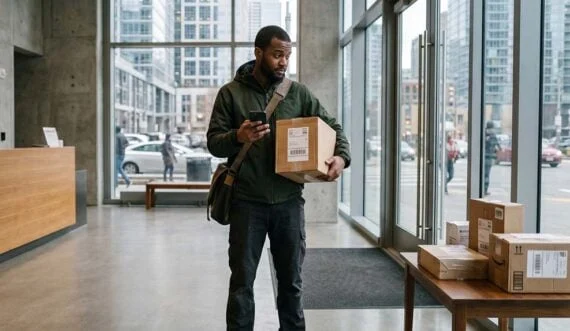
The promise of lightning-fast and budget-friendly e-commerce delivery, often heralded by local carriers and gig economy platforms, is increasingly becoming a reality for consumers. However, this convenience comes with a shadow of apprehension, as the very services designed to expedite purchases can simultaneously introduce significant concerns regarding service consistency and the persistent threat of package theft directly at the customer’s doorstep. This complex dynamic is forcing merchants and shippers to grapple with the enduring challenge of the "last mile" – the critical and often most expensive segment of the delivery journey.
In a notable development reflecting this ongoing effort, retail giant Target announced this month its strategic decision to expand its Shipt-powered same-day delivery model. The initiative, slated for a rollout to over 100 of its U.S. stores by 2026, underscores a growing reliance on flexible, localized delivery networks to meet escalating consumer expectations for immediate gratification. This expansion signifies a broader industry trend where innovative solutions are sought to bridge the gap between online ordering and the physical receipt of goods, fundamentally reshaping how brands interact with their customers.
The backbone of these rapid delivery services, including Shipt, Amazon Flex, and Uber, often comprises a flexible workforce of gig-economy workers. These independent contractors are typically tasked with picking up packages directly from retail locations or fulfillment centers and then delivering them to customers using their personal vehicles. This model offers unparalleled agility, allowing businesses to scale delivery operations on demand without the substantial overhead associated with maintaining a large, in-house fleet.
The Rise of Localized Fulfillment: Target’s Shipt Strategy
Target’s strategic embrace of Shipt is a prime example of how retailers are re-imagining their physical store footprint as micro-fulfillment hubs. The company’s decision to leverage its extensive network of brick-and-mortar locations for same-day delivery effectively brings the fulfillment process much closer to the end consumer. By enabling drivers to pick up orders directly from local Target stores, the need for long-haul shipping and the associated transit times and costs are significantly diminished. This approach allows Target to expand its delivery coverage and capacity without the capital-intensive undertaking of constructing additional, large-scale distribution centers.
The foundation of this strategy was laid in 2017 when Target acquired Shipt for a reported $550 million. Initially focused on same-day grocery delivery, Shipt has since evolved into a comprehensive last-mile network directly integrated with the inventory of Target’s physical stores. This integration has yielded substantial cost efficiencies. Industry analyses suggest that by utilizing Shipt for deliveries, Target can potentially reduce its delivery costs by approximately $2.50 per package when compared to relying solely on national carriers.
These savings are primarily attributed to the reduction in package handoffs and the shortening of delivery routes. Packages dispatched via Shipt bypass the traditional multi-stage sorting facilities and the extensive logistical networks of national carriers, thereby minimizing transit time and handling costs. Consequently, delivery speeds are enhanced, as orders originate from locations geographically closer to the customer. This proximity allows for tighter delivery windows without the necessity of employing premium air freight or expedited shipping services, which can significantly inflate costs. The model effectively lowers overall fulfillment expenses while simultaneously meeting the escalating consumer demand for speed.
Target is far from an outlier in this evolving landscape. Major competitors such as Walmart and Amazon, along with numerous other omnichannel retailers, are actively pursuing similar initiatives to optimize their last-mile delivery operations and enhance their competitive edge in the burgeoning e-commerce market.
A Different Operational Paradigm: Gig Platforms vs. Traditional Carriers
Services like Shipt and their ilk represent a departure from the operational models of traditional small-package delivery companies. This shift towards more decentralized and flexible delivery structures is becoming increasingly prevalent across the logistics sector. Regional carriers, dedicated gig platforms, and specialized white-label delivery services are experiencing significant growth, often operating in parallel with established national providers.
For merchants, this proliferation of delivery options presents a double-edged sword. On one hand, it offers greater flexibility and potentially lower costs. On the other hand, it leads to a significant decrease in standardization across the delivery experience. Traditional carriers, such as UPS, FedEx, and the United States Postal Service (USPS), have historically operated highly controlled and standardized networks. Their service levels, routing protocols, and package handoff procedures are meticulously defined and consistently applied. In contrast, the more agile nature of gig delivery networks, while beneficial for speed and flexibility, inherently introduces a greater degree of variability and inconsistency.
The Perils of Inconsistency: Delivery Fails and the Specter of Theft
The ubiquity of e-commerce has, unfortunately, been accompanied by a parallel rise in delivery mishaps, a phenomenon familiar to nearly every online shopper. Consider the scenario of a city dweller residing on an upper floor of a modern apartment building. In such cases, delivery protocols often stipulate that packages be left in a designated secure room, typically equipped with entry controls and surveillance cameras, to prevent loss or damage.
While many delivery services employ one-time passcodes for building and room access, the familiarity with these procedures can vary significantly among gig drivers. This can lead to instances where packages are inadvertently left in less secure common areas, such as lobbies or hallways adjacent to the recipient’s unit. Such placements significantly increase the risk of packages being damaged, misplaced, or, more alarmingly, falling victim to theft. This vulnerability is particularly acute in densely populated urban environments where opportunistic theft can be a persistent concern.
Similar challenges can arise for recipients in suburban settings, where factors such as less accessible mailboxes, the presence of side doors, or even specific landscaping can present unique delivery hurdles that may not be adequately addressed by drivers unfamiliar with the property.
The Human Element: Inconsistency and its Impact on Brand Reputation
It is crucial to acknowledge that errors and delivery failures are not exclusive to gig economy drivers; employees of established carriers like Amazon, UPS, FedEx, and USPS also make mistakes. However, the risk of such lapses appears to be amplified within the gig economy framework. The part-time nature and often limited experience of some gig workers can contribute to a higher incidence of delivery inconsistencies.
These inconsistencies can manifest in various ways: delivery times may fluctuate unpredictably, the placement of packages at the customer’s door can vary significantly from one delivery to the next, and the quality and frequency of communication between the driver and the recipient can be sporadic or entirely absent. For large, established retailers with robust customer service infrastructure and strong brand equity, absorbing the occasional delivery failure and its associated costs – such as refunds or appeasing dissatisfied customers with store credit – is a manageable challenge.
However, for small and medium-sized merchants, operating with narrower profit margins and less buffer for error, each delivery failure can have a disproportionately negative impact. A missed delivery, a poorly executed handoff, or a damaged package can quickly escalate into significant support costs, necessitate costly refunds, and, perhaps most damagingly, result in negative online reviews that can tarnish a brand’s reputation.
In the contemporary e-commerce landscape, the delivery experience has transcended mere fulfillment; it has become an integral component of the overall brand experience. Even though merchants may not directly control the actions of the delivery driver, their choice of delivery partner directly influences customer perception. Therefore, the critical imperative for businesses is to strike a delicate balance between the competing demands of cost efficiency, delivery speed, and, most importantly, the quality and reliability of the service provided.
Navigating the Future: Expectations, Monitoring, and the Brand Promise
To mitigate the risks associated with inconsistent last-mile delivery, businesses must adopt proactive strategies. Establishing clear expectations with customers regarding delivery windows, potential handoff procedures, and the methods for reporting issues is paramount. Furthermore, implementing robust systems for monitoring customer complaints and delivery feedback is essential for identifying patterns of failure and addressing them promptly. This data can inform decisions about carrier selection and provide valuable insights for driver training or performance management.
In an era where consumers increasingly prioritize convenience and speed, the last-mile delivery is no longer just a logistical function; it is a direct touchpoint that shapes customer loyalty and brand perception. The challenge for businesses lies in harnessing the speed and cost-effectiveness offered by emerging delivery models while steadfastly safeguarding the integrity of their brand promise. This requires a nuanced approach that acknowledges the inherent trade-offs and prioritizes customer satisfaction as a non-negotiable component of the e-commerce journey. The future of successful online retail will undoubtedly hinge on the ability to deliver not just products, but also trust and reliability, directly to the customer’s doorstep.









