
 rifanmuazin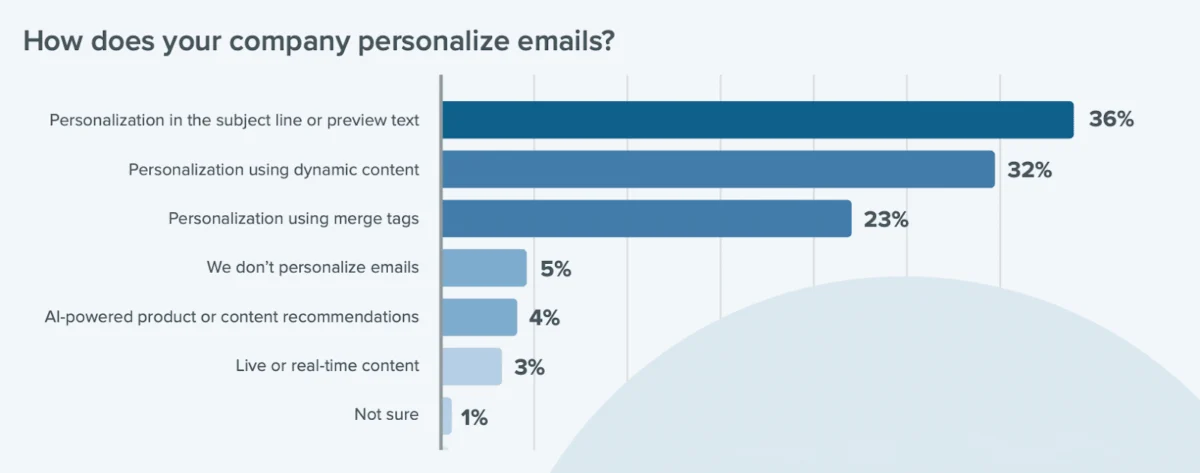
Email marketers today face an unprecedented challenge: they are often expected to perform a multitude of roles, moving beyond mere message dispatch to encompass the entire lifecycle of customer engagement. This demanding landscape frequently traps professionals in a "doom loop" of continuous email requests, production, and sending, leaving little room for the strategic foresight necessary to drive significant business outcomes. A recent "State of Email Workflows Report" revealed that nearly a quarter of all email marketers routinely manage no fewer than eleven essential functions within their teams, underscoring the immense pressure and fragmented focus prevalent in the industry.
The Unseen Burden: Why Email Marketers Are Overwhelmed

The perception that email marketing is a straightforward task, often reduced to "so-and-so wants an email" or "we send an email once a week," fundamentally misunderstands its complexity and strategic potential. This reductive view contributes to the overwhelming workload experienced by email professionals. They are not simply designers or copywriters; they are data analysts, strategists, project managers, troubleshooters, and brand guardians. This expansive remit, coupled with the relentless pace of digital communication, creates an environment ripe for burnout and inefficiencies. Without a clear, overarching strategy, efforts become reactive, leading to bottlenecks, inconsistent messaging, and ultimately, suboptimal results. The core issue lies in mistaking tactical execution for strategic direction, sacrificing long-term impact for short-term fulfillment of requests.
Defining a Robust Email Marketing Strategy
A truly effective email marketing strategy transcends the transactional nature of sending messages. It is a meticulously crafted, comprehensive plan designed to achieve specific, measurable business objectives through the email channel. This plan necessitates a deep understanding of target audiences, sophisticated segmentation for hyper-personalized messaging, the creation of compelling content, strategic scheduling, and robust performance measurement frameworks. Its ultimate aim is to maximize email marketing’s impressive potential ROI, which industry benchmarks often place as high as 36:1. Achieving this level of return demands a holistic approach that considers the audience, messaging, and the underlying technology as interconnected pillars of success.

Cynthia Price, SVP of Marketing at Validity, emphasizes this shift in perspective: "In marketing, we define the word ‘campaign’ in 1,000 different ways. But I’d love email marketers to stop thinking about a campaign as a single email and more about how it fits into the broader marketing efforts. What is the larger initiative you’re taking on that’s going to reach your audience?" This expert insight underscores the need for email to be integrated into broader marketing initiatives, rather than existing as an isolated function.
Foundational Pillars of an Effective Strategy
To move beyond reactive execution and unlock email marketing’s full potential, a strategy must be built upon several core components:
1. Goal Setting and Measurement
The genesis of any robust email marketing strategy must be clear, quantifiable goals. Whether the objective is to drive website sales, increase product awareness, improve email deliverability, or enhance customer loyalty, these goals provide direction and a benchmark for success. As Price notes, "To me, strategy is based on what you’re trying to help your audience do within a specific timeframe." These goals don’t exclusively have to be revenue-centric; improving subscriber engagement or fostering a positive brand perception can be equally vital.
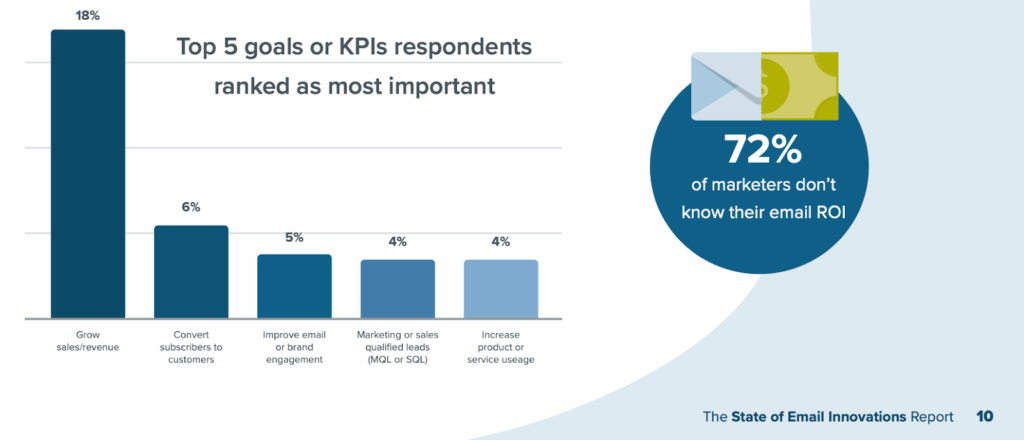
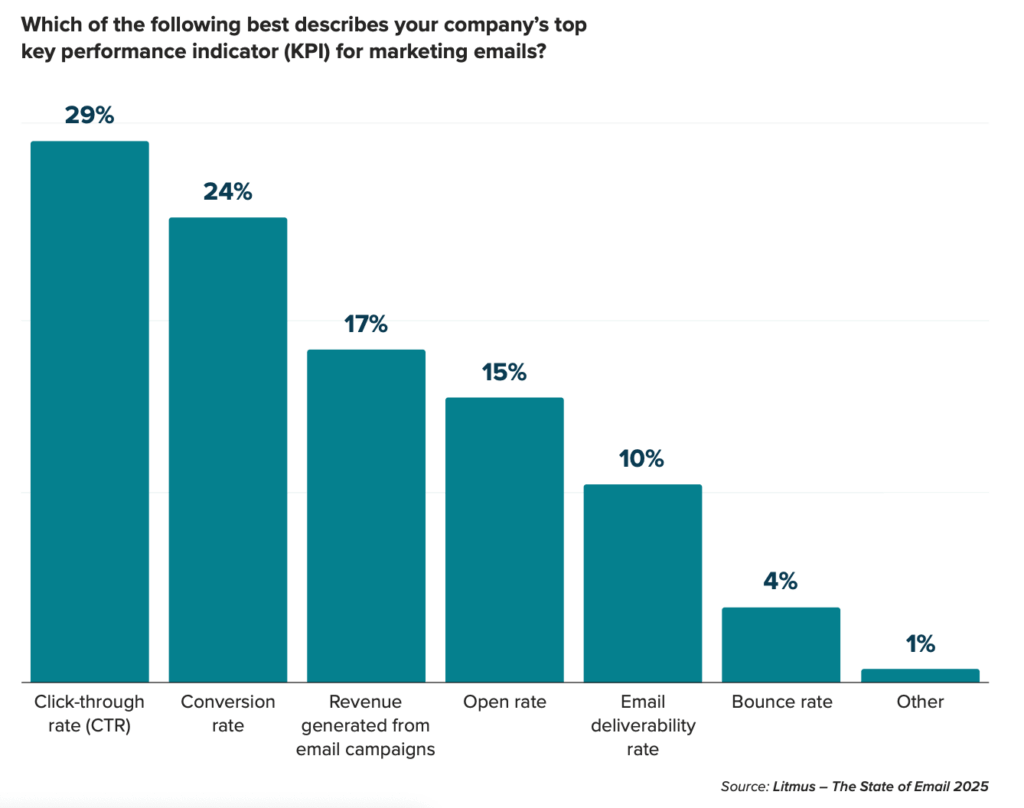
Once goals are established, a robust measurement framework is essential. The strategy must clearly outline the Key Performance Indicators (KPIs) that will be tracked to assess progress. Common top-level goals for email marketers include growing sales and revenue, converting more subscribers to customers, improving brand engagement, and generating Marketing Qualified Leads (MQLs). At the campaign level, specific KPIs such as click-through rate (CTR) for newsletters, conversion rate (CR) for promotional emails, and revenue per email (RPE) for direct sales campaigns provide granular insights. It’s crucial to prioritize these metrics based on the overarching strategic objectives. For instance, if the primary goal is to improve deliverability, then metrics like bounce rate and sender reputation will take precedence over immediate revenue figures. Ultimately, effective measurement connects email efforts directly to business impact, demonstrating value and guiding future optimization.
2. Audience Segmentation and Personalization
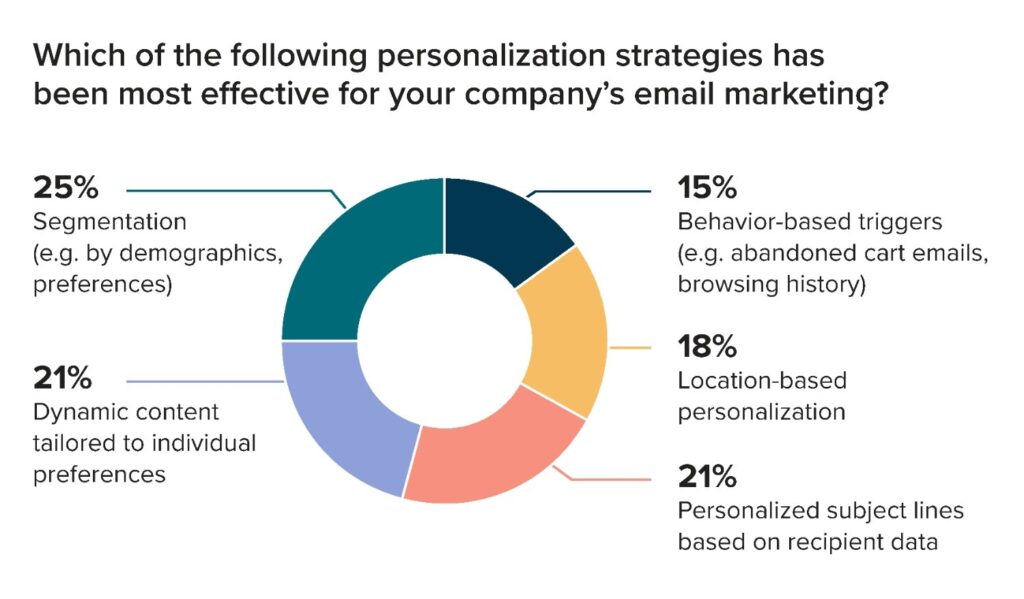
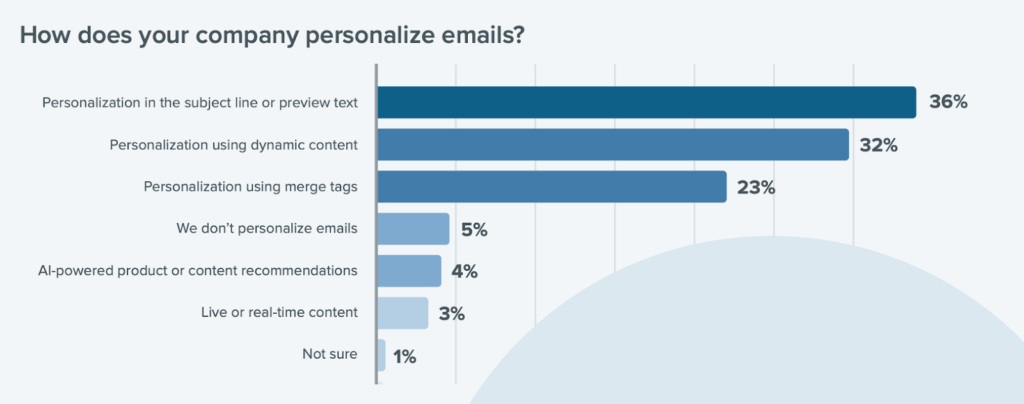
"Know your audience" is timeless marketing advice, and in email, it translates directly into sophisticated audience segmentation. Dividing the email list into specific groups based on demographics, interests, past behavior, or engagement levels enables marketers to send highly relevant and personalized content. This goes far beyond simply inserting a first name into a subject line. According to Litmus’s research, segmentation is considered the most effective personalization strategy by marketers, surpassing dynamic content, personalized subject lines, and even behavior-based triggers.
True personalization means delivering the right information at the opportune moment. For example, sending a "leave us a review" email only to customers who have recently made a purchase is logical. This logic extends across the entire customer funnel, dictating the deployment of transactional emails, promotional campaigns, recurring newsletters, welcome sequences, and onboarding flows based on a subscriber’s actions or lifecycle stage. The aim is to avoid a "one-size-fits-all" approach, which often leaves recipients confused or disengaged. By meticulously defining customer segments and their unique needs, marketers can unlock the power of tailored content that resonates deeply and drives engagement.
3. Content Planning Across the Subscriber Lifecycle
A successful email strategy begins with a plan for list growth and hygiene. Documenting lead magnets, signup forms, opt-in procedures (single or double), and list cleaning routines ensures a healthy, engaged subscriber base. From there, the focus shifts to mapping the entire buyer’s journey. This involves identifying the touchpoints and content needed to transform a casual subscriber into a loyal brand advocate. It’s about understanding the progression from initial interest ("I want emails from this brand") to anticipation ("counting down until the next drop").
This journey often requires a series of well-timed "nudges" and repetitive exposure across multiple marketing channels. Rather than cramming excessive information into a single email, a strategic approach advocates for separate, focused emails tailored to specific programs, products, or calls to action. By understanding what information subscribers need at each stage – from initial awareness to post-purchase support – marketers can craft a content calendar that nurtures relationships and guides customers through the funnel effectively.
4. Continuous Testing and Optimization
Given the significant time and resources invested in email marketing, every message must perform optimally and reliably reach the inbox. A robust strategy must therefore include a dedicated plan for testing, deliverability optimization, and continuous improvement based on performance insights. This encompasses pre-send testing to ensure emails render correctly across various email clients and devices, as well as A/B testing key elements like subject lines, calls-to-action, and content blocks to maximize open and click-through rates.
The importance of testing cannot be overstated. "If you’re not testing, you’re not learning," is a critical maxim. While general "best practices" suggest optimizing for major clients like Apple Mail or Gmail, granular data from testing might reveal that a specific audience primarily uses Outlook, necessitating entirely different design and coding considerations. Analyzing email insights provides the data-driven intelligence needed to refine approaches, maximize engagement, and ensure a strong return on investment.
The Collaborative Edge: Cross-Functional Integration
Email marketing does not operate in a vacuum. Its true power is unleashed when integrated seamlessly with other departments, fostering cross-functional collaboration that amplifies impact and minimizes conflicting efforts.
Email Marketing + Product
The launch of new products or features offers a prime opportunity for email engagement. A strategic email team collaborates with product development from the outset, understanding the "why" behind new offerings. As Price advises, "You need to know how it’s going to make your customer’s lives easier, not just that it’s new and exciting." This collaborative approach ensures that email campaigns communicate the value proposition effectively, rather than merely announcing newness. Segmentation can be heavily influenced by product interest, allowing marketers to target specific user groups with relevant updates, preventing information overload for those for whom a new feature may not be relevant. This also empowers email marketers to strategically push back on product teams when a proposed campaign lacks clear value for the entire audience.
Email Marketing + Support
For existing customer engagement, a close partnership with the customer support team is invaluable. Informing support about upcoming major email sends—especially those concerning new products, pricing, or promotions—can significantly reduce inquiry volumes. Furthermore, support teams are a rich source of insights into customer pain points and frequently asked questions, which can directly inform the creation of onboarding sequences, retention flows, and educational content. By understanding where customers typically encounter friction, email marketers can proactively address these issues, deepening customer engagement and satisfaction.
Email Marketing + Sales
The relationship between email marketing and sales can be complex, particularly given sales’ inclination for direct outreach. A cohesive strategy requires sales leadership to align their cold email approaches with the broader marketing email strategy, ensuring prospects aren’t overwhelmed by redundant or conflicting messages. Price highlights the "give-and-get equation of content exchange," suggesting that sales emails should also focus on providing valuable information before making a direct ask. By teaching sales representatives to build nurturing email sequences that deliver value at a measured pace, organizations can execute more personalized Account-Based Marketing (ABM) plays, build trust, and ultimately increase conversion rates without taxing prospects with excessive communications.
Navigating the Future: Emerging Trends in Email Marketing
While the core tenet of email marketing – delivering valuable content that audiences want to read – remains constant, the methods for achieving this are continually evolving. The industry is experiencing record volumes, making it more challenging than ever to cut through the noise.
1. Beyond Basic Personalization
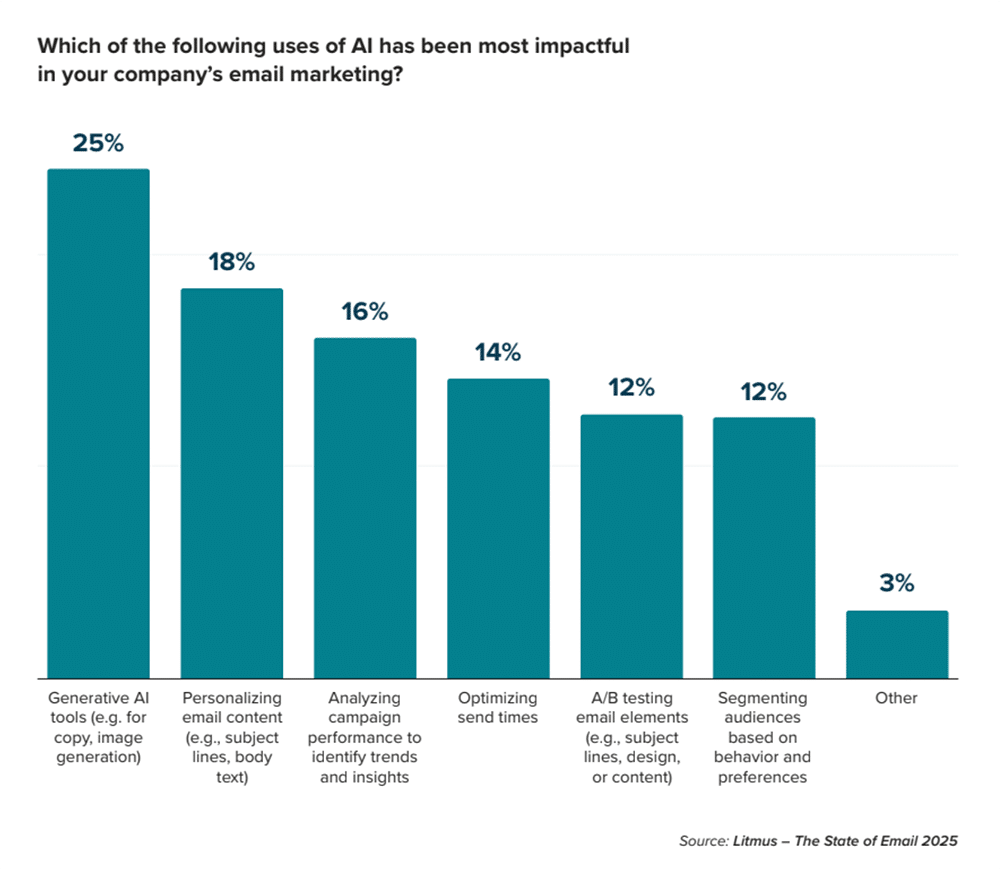
As discussed, personalization is a critical driver of engagement. While many marketers still rely on basic merge tags, the real opportunity lies in dynamic content and live elements. The Litmus report indicates that 25% of email marketers find personalization their most effective tactic, yet many underutilize advanced features. Integrating polls, interactive elements, countdown timers, or AI-driven product recommendation engines can transform static emails into highly engaging experiences. This deeper personalization requires understanding subtle audience differences based on industry, persona, or tech stack, tailoring content to resonate specifically with varied segments.
2. The Rise of Triggered Nurture Flows
Automating behavioral-based emails is essential for scaling personalization effectively. Triggered nurture flows ensure that subscribers receive the right message at precisely the right moment, responding to their actions rather than generic send schedules. Welcome sequences, re-engagement campaigns, customer win-back flows, and onboarding series are examples of automated emails that leverage subscriber behavior to drive engagement. This "ladder" approach, where each email guides the subscriber to the next logical step in their journey, is significantly more effective than isolated, one-off blasts. By integrating technology to monitor customer actions, marketers can deliver highly relevant follow-up content, such as a "how-to" guide immediately after a product integration, fostering deeper product adoption and loyalty.
3. AI as an Augmentation, Not a Replacement
The explosion of artificial intelligence is rapidly transforming email marketing. A significant majority of marketers are embracing AI, with 70% predicting that up to half of their email marketing operations will be AI-driven by the end of 2026, and an additional 18% foreseeing 50-75% AI integration. However, the consensus among experts is that AI should augment human strategy, not replace it. While AI can significantly enhance productivity and data analysis, core strategic elements such as delivering genuine value, understanding the audience, maintaining brand voice, and ensuring compliance remain human responsibilities. AI excels at generating campaign ideas, suggesting drip sequences, or brainstorming special offers based on first-party data. Marketers must critically evaluate AI recommendations against their unique market positioning and audience preferences to ensure authentic and impactful communication.

4. A More Efficient Modular Email Production Process
The speed and consistency of email production are crucial for executing a dynamic strategy. Modular email designs, which involve creating reusable blocks of content and code, are revolutionizing workflows. Teams employing modular designs report creating emails in two weeks or less, a substantial improvement in efficiency. This approach, supported by centralized design template systems, ensures brand consistency across all email types. Only 28% of companies currently use such centralized systems, highlighting a significant opportunity for improvement.
Implementing a modular system involves creating a library of code snippets and a comprehensive email style guide. This guide defines visual standards, including brand colors, fonts, imagery, tone of voice, and accessibility guidelines, ensuring every email aligns with brand identity. By optimizing the email production workflow through modularity and clear guidelines, teams can move faster, allocate resources more effectively, and consistently deliver high-quality email experiences that reinforce their strategic objectives.
Real-World Application: Campaign Examples Across the Funnel

Understanding trigger points is key to building an effective email marketing strategy. Examples of successful campaigns at various stages of the funnel illustrate how these principles translate into practice:
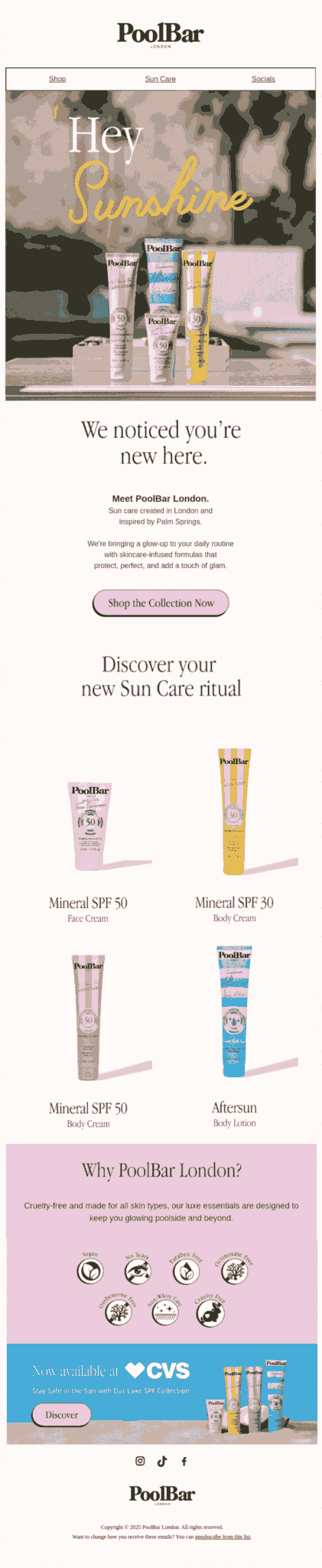
- Top of Funnel (Awareness/Interest): Welcome emails and newsletters are crucial for initial introductions. Examples like PoolBar’s sunny welcome or Patagonia’s focus on interesting audio content lead with value and personality, helping subscribers get to know the brand. Miro’s newsletter effectively introduces new product features in an informative, engaging format.
- Middle of Funnel (Engagement/Consideration): At this stage, the goal is to deepen engagement through educational content and lighter sells. Emails showcasing new arrivals with fun designs, product updates framed as "how-to" content to improve job performance, or interactive elements making engagement easy are highly effective. These emails provide information that resonates with the subscriber’s evolving needs, moving them further down the funnel.
- Bottom of Funnel (Conversion/Loyalty): When it’s time to convert or appreciate customers, directness and social proof are powerful. Campaigns featuring discounts, case studies highlighting customer success, or product launches with fresh designs are common. Customer appreciation emails, often incorporating creative puns or exclusive offers, strengthen loyalty and encourage repeat business.
Strategic Execution with Technology
Even the most meticulously crafted email marketing strategy remains theoretical without effective tools for execution. Platforms like Litmus are instrumental in bringing these strategies to life, offering capabilities for efficient email building, comprehensive pre-send testing, and real-time analytics. By streamlining the creation process, ensuring flawless rendering across diverse inboxes, and providing deep insights into subscriber behavior, technology empowers marketers to implement their strategies effectively and continuously optimize for maximum impact. The future of email marketing is not just about having a strategy, but about having the tools and processes to execute it flawlessly, turning strategic vision into tangible ROI.









