rifanmuazin
In the relentless pursuit of higher conversion rates, businesses often invest heavily in grand redesigns and extensive brand voice workshops. However, seasoned marketing professionals and data-driven analytics reveal a more nuanced truth: significant gains can frequently be achieved through a series of subtle, yet impactful, copy adjustments. These are not about reinventing the wheel, but about refining the existing structure to resonate more deeply with the target audience, fostering trust, and streamlining the decision-making process. The core principle is that human-centric language, prioritizing clarity and relevance, can unlock substantial improvements, often eclipsing the impact of visual design alone.
Recent analyses underscore the critical role of persuasive language in digital marketing. Research indicates that well-crafted copy can have twice the impact on conversion rates compared to design elements. This highlights a fundamental truth: while aesthetics draw attention, it is the precise articulation of value and benefit that compels action. In an era where artificial intelligence can generate vast quantities of text, the discerning human touch remains indispensable. AI tools, while powerful for drafting and ideation, lack the nuanced understanding of reader psychology, the ability to anticipate hesitation, or the judgment to select the most potent phrasing. Conversions, ultimately, are the result of a precisely timed confluence of the right message, delivered to the right reader, at the opportune moment, imbued with clarity, confidence, and an undeniable sense of understanding.
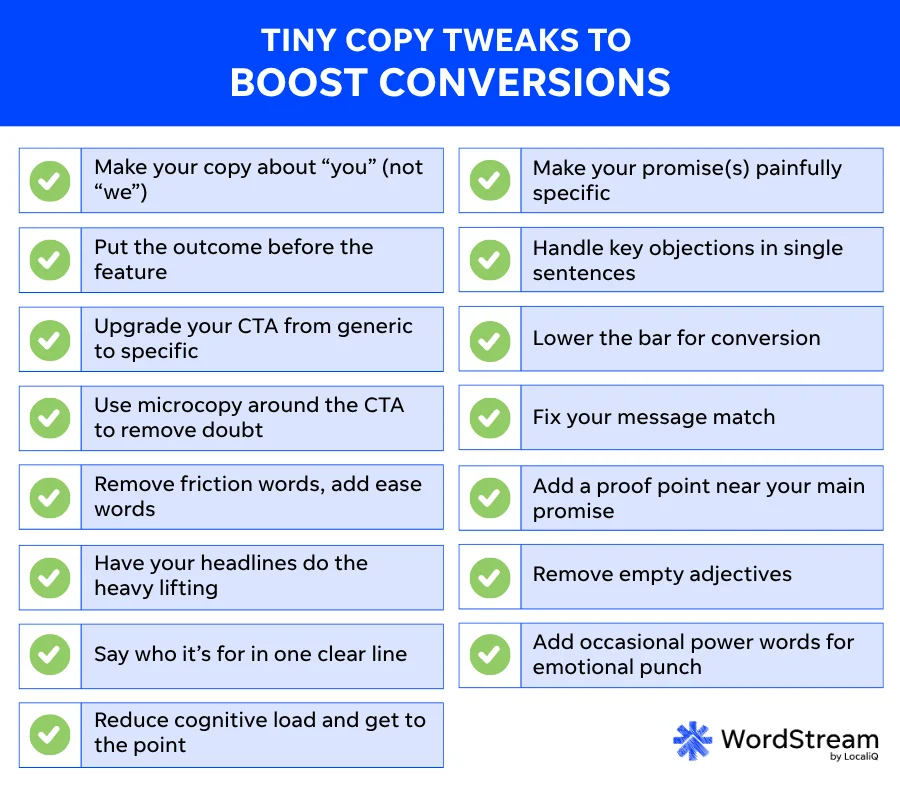
The following 15 micro-tweaks, honed over years of real-world application and validated by extensive data from thousands of web pages and conversion metrics, represent a strategic approach to "last-mile" optimization. These are the adjustments that transform functional copy into compelling communication, making it sound less like a corporate announcement and more like a genuine, trustworthy conversation that inspires action. These principles are universally applicable, transcending specific content formats. Whether refining landing pages, crafting compelling advertisements, drafting persuasive emails, optimizing product descriptions, or even clarifying the often-overlooked forms and confirmation screens, these techniques offer a robust framework for enhancing user experience and driving desired outcomes.

The Strategic Advantage of Subtle Copy Enhancements
The efficacy of these seemingly minor adjustments lies in their ability to address the psychological friction points that often deter potential customers. By focusing on human-centric decision-making processes, these techniques aim to simplify the reader’s journey, reduce cognitive load, and build an immediate sense of rapport and credibility.
1. Shifting the Focus: From "We" to "You"
A common pitfall in marketing copy is an overreliance on company-centric language. When content is framed around "we" and "our," readers are forced to mentally translate these statements into their own context. This extra cognitive step can lead to disengagement and a loss of momentum. Conversely, adopting a "you"-first perspective immediately establishes relevance. Research published in Adweek suggests that this direct address can foster a sense of personal responsibility in the reader regarding the problem being addressed, thereby increasing the likelihood of a positive response.
- The Tiny Tweak: Rewrite company-centric hero sections, introductions, and bullet points to speak directly to the reader.
- Example:
- Avoid: "We help startups optimize their onboarding processes."
- Adopt: "You get smoother onboarding, seamlessly turning trial users into loyal customers."
- Why it Works: Relevance is the initial filter for conversion. When readers immediately recognize themselves and their needs within the copy, they are far more inclined to continue reading and engaging.
2. Prioritizing Outcomes Over Features
Features, while important, rarely convert on their own. It is the tangible outcomes and benefits that resonate most powerfully with consumers. When the value proposition is buried beneath technical descriptions or feature lists, readers often lose interest before grasping the core advantage.
- The Tiny Tweak: Lead with the result the reader will achieve, followed by the feature that enables it.
- Example:
- Avoid: "Our platform offers automated reporting capabilities."
- Adopt: "See exactly what’s working, in seconds, with our automated reporting feature."
- Why it Works: Consumers are instinctively scanning for value. Clearly articulating the desired outcomes provides an immediate incentive to continue reading and understand the "how."
3. Elevating Call-to-Actions (CTAs) from Generic to Specific
In the fast-paced digital landscape, users often skim content, including buttons. If a visitor reads only the headline and the CTAs, they should still gain a clear understanding of the subsequent action and its expected outcome.
- The Tiny Tweak: Replace vague CTAs with action-oriented phrases that clearly state the benefit.
- Example:
- Avoid: "Learn More"
- Adopt: "Get the Free Landing Page Checklist"
- Why it Works: Specific CTAs function as micro-promises. A clear outcome makes the act of clicking feel less risky and more purposeful, thereby increasing click-through rates.
4. Employing Microcopy to Mitigate Pre-Click Doubt
The moments leading up to a click are often where hesitation peaks. Small, strategically placed clarifications can effectively address unspoken concerns and prevent potential customers from abandoning the process.
- The Tiny Tweak: Incorporate brief, reassuring copy that clarifies aspects such as time commitment, potential risks, required effort, next steps, or data privacy.
- Why it Works: Microcopy serves to answer latent questions and alleviate anxiety precisely when it is most critical, smoothing the path to conversion.
5. Eliminating Friction Words and Embracing Ease
Certain words carry a heavier emotional weight, creating resistance in already delicate decision-making processes. Research consistently demonstrates that employing simpler, more familiar language significantly enhances comprehension and task completion rates.
- The Tiny Tweak: Substitute words that evoke effort or formality (e.g., "submit," "process," "complete") with lighter, more inviting alternatives.
- Example:
- Avoid: "Fill out the form."
- Adopt: "Tell us where to send it."
- Why it Works: Even a marginal reduction in perceived effort can lead to a noticeable improvement in conversion rates, as the path to completion feels less daunting.
6. Empowering Headlines to Carry the Informational Load
Headlines are not mere decorative elements; they are the primary layer of clarity on any given page. Ambiguous headlines create a ripple effect of vagueness throughout the entire piece.
- The Tiny Tweak: Craft headlines that clearly communicate value or provide proof. Avoid abstract or purely descriptive section titles.
- Example:
- Avoid: "Our Solution"
- Adopt: "Pinpoint Which Campaigns Need Immediate Attention"
- Why it Works: A substantial portion of users skim headlines exclusively. Strong, benefit-driven headlines enable them to grasp the page’s essence without needing to read entire paragraphs.
7. Defining the Audience Explicitly
Visitors typically spend only a few seconds assessing whether a page is relevant to their specific needs. A clear, concise statement identifying the intended audience can immediately capture the attention of the right people.

- The Tiny Tweak: Include a single, explicit line near the top of the page that clearly states, "This is for…"
- Example: "For small marketing teams lacking the time to manage ads full-time."
- Why it Works: Precise audience targeting makes the intended readers feel understood and directly addressed, while simultaneously filtering out those for whom the content is not relevant, thus optimizing engagement.
8. Streamlining for Brevity and Directness
Excessive cognitive effort is a significant barrier to conversion. Overly complex explanations, lengthy sentences, and circuitous introductory phrases can slow down the reader’s journey and lead to disengagement.
- The Tiny Tweak: Eliminate introductory pleasantries, shorten lengthy sentences, remove nested clauses, and ensure each sentence serves a singular, clear purpose.
- Example:
- Avoid: "In today’s rapidly evolving digital landscape, where agility is paramount…"
- Adopt: "Here’s how to optimize your landing page without a full rewrite."
- Why it Works: Conversions occur more readily when the user’s path is perceived as effortless. Minimizing mental exertion reduces potential drop-off points.
9. Articulating Promises with Unwavering Specificity
Vague promises often fail to inspire confidence, whereas specific commitments, even if modest, tend to build credibility. This principle holds true even when the numbers involved are small.
- The Tiny Tweak: Replace generalized claims with concrete outcomes, ideally quantifying them with numbers or specific ranges.
- Example:
- Avoid: "Improve conversions."
- Adopt: "Increase demo requests by 20-30%."
- Why it Works: Specificity enhances trust and makes the envisioned benefits more tangible and believable for the potential customer.
10. Addressing Key Objections Proactively
Every offer implicitly triggers potential objections in the mind of the consumer. Ignoring these underlying concerns does not make them disappear; it merely leaves them unaddressed.
- The Tiny Tweak: Integrate a concise statement that preemptively counters the most prevalent or significant objection.
- Why it Works: Acknowledging and addressing potential objections head-on builds credibility and reduces silent resistance, paving a smoother path towards a positive decision.
11. Lowering the Barrier to Entry for Conversion
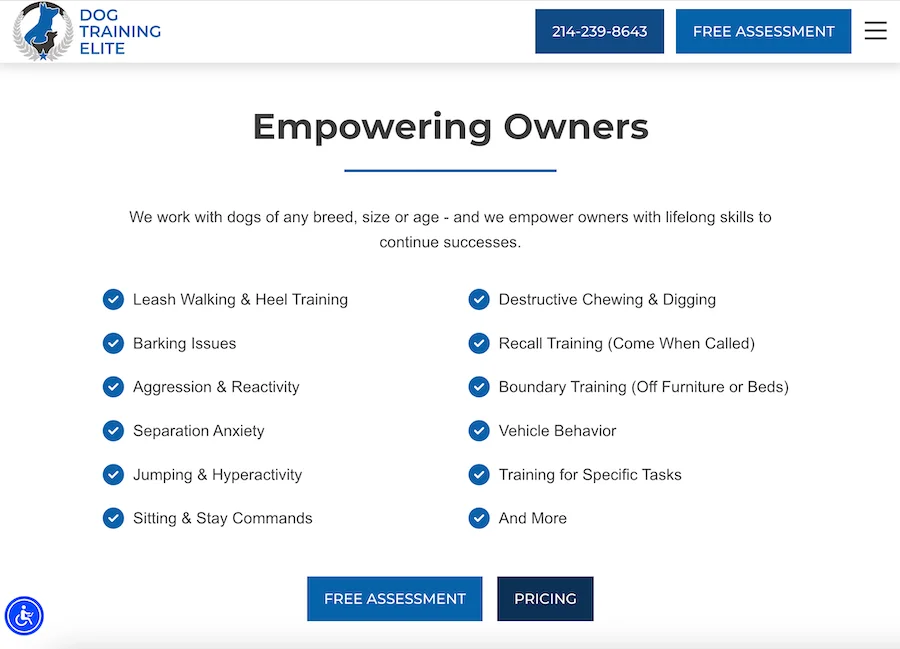
Not all potential customers are ready for a high-commitment action, such as a sales call. Overly demanding CTAs can deter early-stage or hesitant visitors. Offering progressively lower-commitment options alongside the primary CTA can capture individuals who might otherwise leave without taking any action.
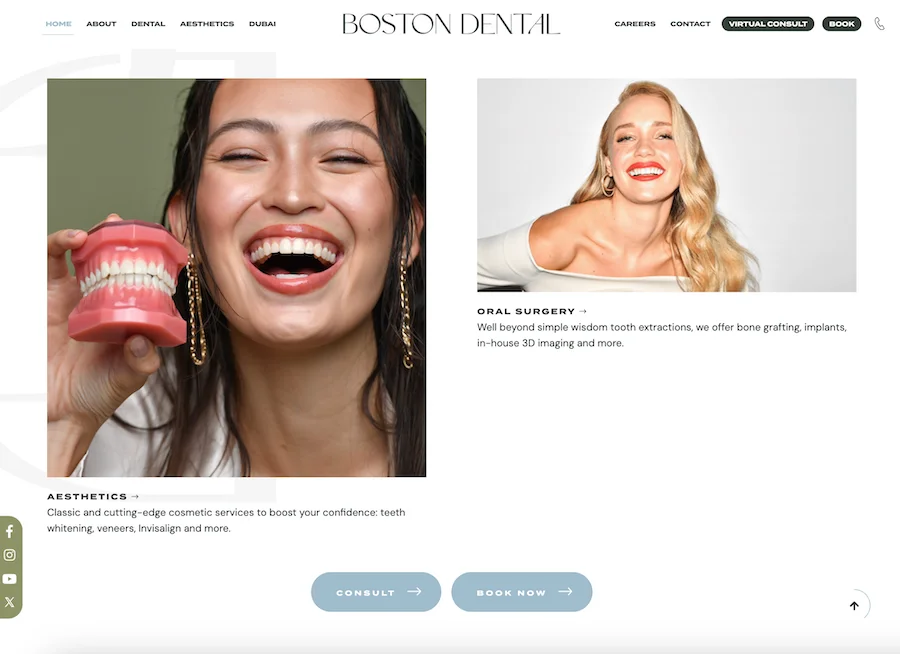
- The Tiny Tweak: Provide multiple CTAs that cater to varying levels of user commitment and support different stages of the customer journey.
- Why it Works: Introducing more accessible entry points captures a broader spectrum of user intent. This approach accommodates those ready to purchase, those who are curious but not yet committed, and even those who are simply browsing, thereby maximizing engagement opportunities.
12. Ensuring Message Match Across Touchpoints
A disconnect between the promise that initially attracted a visitor and the message presented on the landing page can create a sense of incongruity, even if the page copy is otherwise well-written.
- The Tiny Tweak: Ensure that the core promise that triggered the click is echoed prominently in the hero section or opening lines of the page.
- Example:
- Advertisement: "Free website audit delivered within 24 hours."
- Landing Page Hero: "Receive a complimentary website audit in just 24 hours – discover exactly what needs fixing."
- Why it Works: Consistent messaging reassures visitors that they have arrived at the correct destination, reinforcing their initial decision to engage.
13. Integrating Proof Points Near the Primary Promise
Trust is a critical accelerator of conversions, particularly when bolstered by social proof. Extensive research consistently identifies social proof as one of the most influential factors in purchase decisions.
- The Tiny Tweak: Position a brief credibility anchor, such as a testimonial snippet, star rating, or trust badge, in close proximity to the main promise or CTA.
- Why it Works: Even minimal proof signals can significantly elevate the perceived reliability and trustworthiness of an offer.
14. Eliminating Vacuous Adjectives and Buzzwords
Jargon and empty adjectives often dilute the impact of marketing copy, making it sound generic and unconvincing. If an adjective can be removed without altering the sentence’s fundamental meaning, it is likely redundant filler.
- The Tiny Tweak: Delete superfluous adjectives or replace them with specific outcomes or quantifiable details.
- Example:
- Avoid: "Cutting-edge automation."
- Adopt: "Automation that cuts reporting time by 80%."
- Why it Works: Clear, concrete language is inherently more honest and believable, fostering greater reader confidence.
15. Leveraging Power Words for Emotional Resonance
Certain words are specifically chosen to inject personality, sincerity, and impact into copy. These are not fillers but "lifters" that, when used judiciously, humanize the message and forge a stronger emotional connection. These are often termed "power words" due to their capacity to evoke emotional responses.
- The Tiny Tweak: Employ brand-aligned power words when emphasis or a specific attitude can enhance the message’s value.
- Why it Works: Power words do not necessarily improve informational clarity but rather enhance voice, memorability, and emotional connection. Aligning the language with the audience’s own communication style builds trust and rapport.
The Enduring Power of Human-Centric Refinements
These subtle yet effective improvements consistently yield results because they are rooted in a deep understanding of how individuals actually read, hesitate, and make decisions. They transcend generic templates and rigid checklists, focusing instead on clarity, relevance, and the delicate trust dynamics that dictate user behavior.
The reality of effective copywriting is that perfection is not always attainable on the first attempt. However, through consistent application and iterative refinement, patterns emerge. Marketers can identify common points of reader boredom, confusion, or hesitation, and then apply these proven tweaks to guide users more effectively toward conversion. These are not rigid rules but adaptable guidelines that provide a reliable foundation for continuous improvement.
Driving Conversions Through Considered, Human-Led Decisions
The overarching message is clear: significant improvements in conversion rates do not necessitate radical overhauls. Often, the most impactful gains are realized through a series of small, strategic enhancements. This includes refining headlines for greater clarity, making promises more specific, simplifying next steps, and rigorously removing language that causes readers to pause or second-guess.
By methodically optimizing one page at a time, the cumulative effect of these small changes becomes profoundly evident. The distinction between copy that merely appears polished and copy that actively drives results becomes starkly clear, not due to monumental shifts, but because these micro-adjustments consistently deliver where it matters most – in tangible business outcomes.

 Basiran
 Lina Irawan