rifanmuazin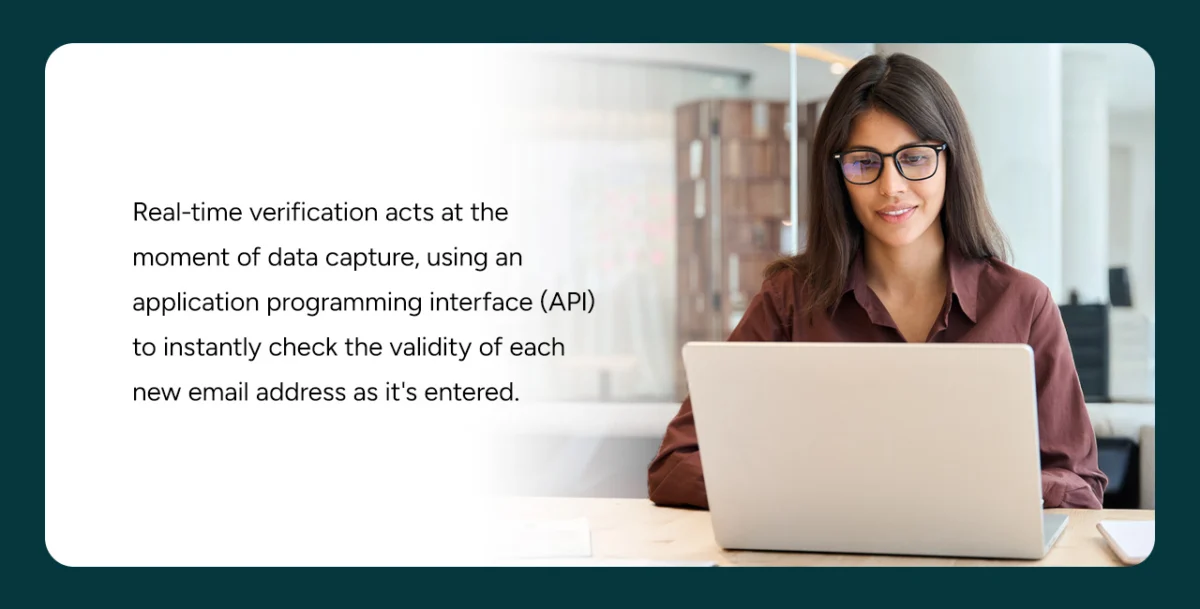
In the fiercely competitive landscape of modern commerce, a business’s customer database is not merely a repository of information; it is the fundamental bedrock upon which every marketing campaign, sales opportunity, and customer interaction is built. The quality and accuracy of this contact data directly correlate with operational efficiency, revenue generation, and brand reputation. Even the smallest inaccuracies at the point of data entry can trigger cascading negative effects across an entire organization, underscoring the critical need for proactive and continuous data quality management.
Industry research consistently highlights the tangible financial losses attributable to poor data quality. A significant 37 percent of CRM users, according to a recent study, report losing revenue directly due to compromised data. These losses manifest in various forms, including squandered leads, ineffective marketing campaigns, wasteful expenditure on inaccurate targeting, and severe damage to sender reputation. Given the scale of these financial and reputational risks, establishing a robust and ongoing data quality strategy is not merely advisable but an absolute imperative for any enterprise striving for sustainable growth and market leadership.
At the heart of an effective data quality strategy lie two primary, yet distinct, tools for maintaining the integrity of contact data: real-time verification and bulk verification. Real-time verification acts as an immediate gatekeeper, preventing erroneous data from entering the system in the first place. Conversely, bulk verification functions as a diligent housekeeper, systematically cleaning and restoring accuracy to the vast stores of data already residing within a company’s databases. Understanding the specific capabilities of each tool and judiciously applying them at appropriate stages of the data lifecycle is foundational to building an impregnable data quality framework.
The Pervasive Challenge of Data Decay and Its Consequences
The notion that data, once collected, remains static and reliable is a dangerous misconception. Data is inherently dynamic and subject to continuous decay. The Customer Data Platform Institute estimates that email marketing databases naturally degrade by approximately 23 percent annually. This degradation is a multifaceted phenomenon, driven by factors such as individuals changing jobs, abandoning old email addresses, mergers and acquisitions leading to defunct domains, simple typographical errors, or even deliberate submission of fake or temporary addresses.
The ramifications of this decay are far-reaching. Inaccurate data leads to increased bounce rates in email campaigns, which in turn can flag a sender’s domain as suspicious, leading to deliverability issues and potential blacklisting by internet service providers (ISPs). Beyond email, poor data impacts lead scoring, customer segmentation, personalization efforts, and ultimately, the ability of sales and marketing teams to connect with prospects and customers effectively. This translates directly into missed sales opportunities, wasted marketing spend on invalid contacts, skewed analytics that misinform strategic decisions, and a diminished customer experience. Moreover, in an era of stringent data privacy regulations like GDPR and CCPA, maintaining accurate and up-to-date contact information is also a matter of legal compliance, with potential fines for non-adherence.

Real-Time Verification: The Proactive Gatekeeper
Real-time verification serves as the first line of defense in the battle against data inaccuracy. Utilizing sophisticated Application Programming Interfaces (APIs), this technology instantly checks the validity of newly entered contact information—most commonly email addresses—at the exact moment of capture, preventing flawed data from ever reaching the customer relationship management (CRM) system or other databases.
When a user inputs their email address into a web form, real-time validation processes occur almost instantaneously in the background. This involves a multi-stage check:
- Syntax Validation: Ensuring the email address adheres to standard formatting rules (e.g., presence of ‘@’ and a domain).
- Domain Verification: Confirming that the domain name is legitimate and actively registered.
- Mailbox Existence Check: Employing provider-appropriate methods to verify that the specific mailbox exists and is capable of receiving mail.
- Spam Trap/Disposable Address Detection: Identifying and flagging addresses that are known spam traps or belong to temporary/disposable email services, which are often used to bypass legitimate sign-ups.
A key benefit of real-time verification is its ability to provide immediate feedback to users. If a typo is detected, the system can offer a helpful "Did you mean?" suggestion, allowing the user to correct the error on the spot. This not only improves data accuracy but also enhances the user experience by preventing frustration that might arise from failed form submissions or missed communications. By flagging fake or temporary addresses instantly, businesses can prevent malicious actors or bots from contaminating their databases, thereby protecting the integrity of their data ecosystem from the outset.
When Real-Time Verification is Most Valuable:
This proactive approach is indispensable whenever new contacts are being captured, particularly during high-intent interactions where user engagement is at its peak. This includes:
- Lead Generation Forms: On landing pages for content downloads, webinar registrations, or demo requests, ensuring valuable leads are accurately captured.
- E-commerce Checkouts: Critical for processing orders, sending confirmations, and managing shipping notifications. A single typo here can lead to lost sales and customer dissatisfaction.
- Account Registration and Sign-ups: For new users signing up for services, newsletters, or customer portals, guaranteeing successful onboarding and communication.
- Subscription Management: Ensuring continuous communication with subscribers for newsletters, product updates, and service alerts.
- Event Registrations: Facilitating smooth communication with attendees regarding event details, tickets, and follow-ups.
Who Should Prioritize It:
Real-time verification is a non-negotiable tool for high-traffic websites, e-commerce platforms, SaaS companies, and any business heavily reliant on rapid lead generation, subscription models, or consistent customer engagement. For organizations where every valid contact represents a direct contribution to the pipeline, this investment offers immediate returns by preventing data loss at the source.
Bulk Verification: The Diligent Housekeeper
While real-time verification guards the entry points, bulk verification acts as the meticulous housekeeper for your existing data. It addresses the accumulated errors and decay that inevitably occur within contact lists over time. Instead of preventing new bad data, it cleanses and restores accuracy to the data already stored in your CRM, marketing automation platforms, and other databases.
Bulk verification operates by systematically scanning entire contact lists, processing thousands or even millions of records in a single pass. This comprehensive audit identifies various categories of email addresses:
- Valid: Addresses that are active and deliverable.
- Invalid: Addresses that are permanently undeliverable due to syntax errors, non-existent domains, or defunct mailboxes (hard bounces). These should be removed.
- Risky/Catch-all: Addresses that might accept mail but could be associated with spam traps, role accounts (e.g., info@, sales@), or domains with catch-all servers that make precise validation difficult. These require careful consideration.
- Unknown: Addresses where the server did not respond or provided an ambiguous response, warranting further investigation.
The outcome of a bulk verification process is a detailed report that empowers businesses to segment their lists effectively, removing addresses that will inevitably bounce and isolating those that pose potential risks. This proactive cleansing prevents costly deliverability issues, improves campaign performance, and safeguards sender reputation.
When Bulk Verification is Most Valuable:
Data decay is an ongoing process, making periodic bulk verification essential. It is particularly important for:
- Pre-Campaign Hygiene: Cleaning lists before major email marketing campaigns to maximize deliverability and ROI.
- CRM Migrations and Integrations: Ensuring that legacy data or data from newly integrated systems is clean and standardized before being imported.
- Post-Acquisition Data Integration: When acquiring another company, cleansing their customer and prospect lists to integrate them seamlessly.
- Re-engagement Campaigns: Validating older, less active lists before attempting to re-engage dormant contacts.
- Regular Database Audits: Scheduled clean-ups (e.g., quarterly or semi-annually) to combat natural data decay and maintain optimal list health.
- Compliance and Regulatory Adherence: Ensuring data accuracy for auditing purposes and to comply with privacy regulations that mandate correct and up-to-date personal information.
Who Should Prioritize It:
Bulk verification is an indispensable tool for marketing operations managers, email marketers, data stewards, and anyone responsible for overseeing large-scale campaigns or managing the fallout from high bounce rates and deliverability issues. It is also crucial for teams undertaking significant data projects, such as CRM migrations, system integrations, or managing data from mergers and acquisitions. For businesses with extensive historical data, bulk verification is the key to unlocking its potential by restoring its reliability.
The Synergy of Prevention and Cure: A Holistic Data Quality Strategy
For the vast majority of enterprise businesses, the optimal approach to data quality is not a choice between real-time and bulk verification, but rather a strategic integration of both. Real-time verification establishes a clean foundation by preventing bad data from entering the system, while bulk verification ensures that existing data remains clean and viable over time. Together, they form a comprehensive, closed-loop strategy that addresses data quality across its entire lifecycle, from initial capture to ongoing maintenance.
This integrated approach manifests powerfully across various business scenarios:

- E-commerce: Real-time verification is paramount for ensuring immediate transactional communications (order confirmations, shipping updates, receipts) reach customers. Simultaneously, bulk verification keeps older customer lists pristine for targeted promotional campaigns, loyalty programs, and re-engagement efforts, preventing wasted marketing spend on inactive or invalid contacts.
- B2B SaaS: Real-time verification on critical forms—such as demo requests, free trial sign-ups, or product registration pages—ensures that high-value leads are captured accurately and can immediately enter nurture sequences. Bulk verification then cleanses older prospect lists, guaranteeing that nurture tracks and sales outreach efforts are directed only to valid, engaged contacts, optimizing resource allocation and improving conversion rates.
- CRM Migrations: Bulk verification should be a mandatory first step in any major data migration project, ensuring that the data transferred to the new system is clean, standardized, and free of legacy errors. Post-migration, real-time verification must be embedded across all active lead capture touchpoints to prevent new data quality issues from accumulating, thus preserving the integrity of the freshly migrated database.
Real-World Impact: The Tangible Benefits of Data Quality
The investment in a comprehensive data verification strategy yields profound benefits that extend far beyond improved email deliverability. These advantages ripple through every facet of a business:
- Enhanced Marketing ROI: Accurate data enables precise audience segmentation and personalization, leading to higher engagement rates, improved click-through rates, and ultimately, better conversion rates and a more significant return on marketing investment. Studies consistently show that companies with high data quality outperform their peers in marketing effectiveness.
- Optimized Sales Efficiency: Sales teams rely on accurate contact information to reach prospects. Clean data reduces wasted time on invalid contacts, allows for more targeted outreach, and improves the effectiveness of lead scoring, resulting in shorter sales cycles and increased revenue.
- Superior Customer Experience: Reliable contact data ensures that customers receive timely and relevant communications, from order confirmations to support updates. This fosters trust, reduces frustration, and strengthens customer loyalty.
- Informed Strategic Decision-Making: High-quality data provides a trustworthy foundation for business intelligence and analytics. Executives and managers can make more confident, data-driven decisions regarding product development, market expansion, and resource allocation, based on accurate insights into customer behavior and market trends.
- Reduced Operational Costs: By preventing hard bounces and spam complaints, businesses can reduce costs associated with email service providers, avoid manual data cleaning efforts, and mitigate the potential for regulatory fines.
- Protected Brand Reputation: Consistently reaching valid contacts and avoiding spam traps protects a company’s sender reputation, ensuring that legitimate communications land in inboxes rather than spam folders. This, in turn, safeguards brand credibility and trust.
Best Practices for Implementation and Ongoing Success
The effectiveness of data verification tools is inextricably linked to the operational strategy supporting them. To maximize the long-term success of a data quality initiative, businesses should adopt the following best practices:
- Integrate Early and Broadly: Embed real-time verification APIs into all critical data capture points—website forms, landing pages, mobile apps, and e-commerce checkouts—from the outset.
- Schedule Regular Bulk Audits: Establish a consistent schedule for bulk verification, whether quarterly, semi-annually, or before major campaign cycles. The frequency should align with the volume of new data ingested and the rate of data decay observed.
- Define Clear Data Governance Policies: Implement clear guidelines for data entry, storage, and usage across all departments. Assign ownership and responsibility for data quality to specific roles or teams.
- Educate and Train Staff: Provide comprehensive training to all employees who interact with customer data, emphasizing the importance of accurate data entry and the impact of data quality on business outcomes.
- Monitor Key Performance Indicators (KPIs): Track metrics such as bounce rates, deliverability rates, conversion rates from specific forms, and the percentage of invalid records identified during bulk cleanses. This data helps measure the effectiveness of verification efforts and identify areas for improvement.
- Automate Wherever Possible: Leverage automation tools for both real-time checks and scheduled bulk verification processes to reduce manual effort and ensure consistency.
- Review and Optimize Vendor Relationships: Periodically evaluate data verification providers to ensure they meet evolving business needs, offer competitive accuracy rates, and provide robust support.
- Prioritize Data Timeliness: Recognize that data accuracy is not a one-time fix but an ongoing commitment. Timely verification and updates are crucial for maintaining relevance.
Clean Data, Protected Revenue, Enduring Trust
In an increasingly data-driven world, the strategic management of contact data quality is no longer a peripheral concern but a core business function. Whether the focus is on preventing bad data from ever entering the system, diligently cleaning existing lists, or orchestrating an integrated, long-term approach, the investment in data quality yields substantial dividends. Higher conversion rates, superior email deliverability, enhanced operational efficiency, and lasting customer trust all emanate from the foundational assurance that your contact data is accurate and reliable.
Businesses must critically evaluate their current data workflows and pinpoint potential data quality gaps that may be silently eroding revenue and diminishing competitive advantage. Embracing advanced data verification strategies is not merely about technical implementation; it is about cultivating a data-centric culture that recognizes the profound impact of accurate information on every aspect of the enterprise. By taking proactive steps to clean and protect their data, organizations can safeguard their financial health, fortify their brand reputation, and build enduring relationships with their most valuable asset: their customers.