The rapid proliferation of artificial intelligence has fundamentally altered the landscape of digital productivity, shifting the focus from manual task execution to the creation of sophisticated, self-sustaining autonomous systems. As enterprises and individual professionals seek to bridge the gap between static software and intelligent action, a new wave of educational resources has emerged to democratize access to AI automation. These courses, ranging from foundational no-code logic to advanced multi-agent orchestration, are designed to equip a global workforce with the skills necessary to navigate the "Agentic Era" of computing.
The transition toward AI-driven workflows represents a significant departure from traditional Robotic Process Automation (RPA). While RPA focused on mimicking human clicks in a rigid environment, modern AI automation leverages Large Language Models (LLMs) to handle unstructured data, make contextual decisions, and interact with various software ecosystems via APIs. This evolution has prompted major platforms such as n8n, Make, and Zapier to release comprehensive training modules aimed at lowering the barrier to entry for non-technical users.
The Strategic Shift Toward Agentic Automation
Industry analysts suggest that the "no-code" and "low-code" market is poised for exponential growth, with Gartner predicting that by 2026, 80% of low-code tool users will lie outside traditional IT departments. This shift is driven by the necessity for speed and the ongoing shortage of specialized software engineers. AI automation allows business analysts, marketers, and operations managers to build their own solutions without writing a single line of code.
The core of this movement lies in "Agentic" workflows—systems where an AI "agent" is given a goal rather than a set of rigid instructions. These agents can browse the web, analyze spreadsheets, generate reports, and even communicate with customers autonomously. The following seven courses represent the gold standard for free, high-quality education in this burgeoning field.
1. Foundational Logic: n8n Workflow Essentials
The n8n platform has distinguished itself in the automation space through its "fair-code" model, offering a node-based visual interface that appeals to both beginners and advanced developers. The "Essentials: Your First Workflows" course serves as a primary gateway for those unfamiliar with the mechanics of nodes and triggers.
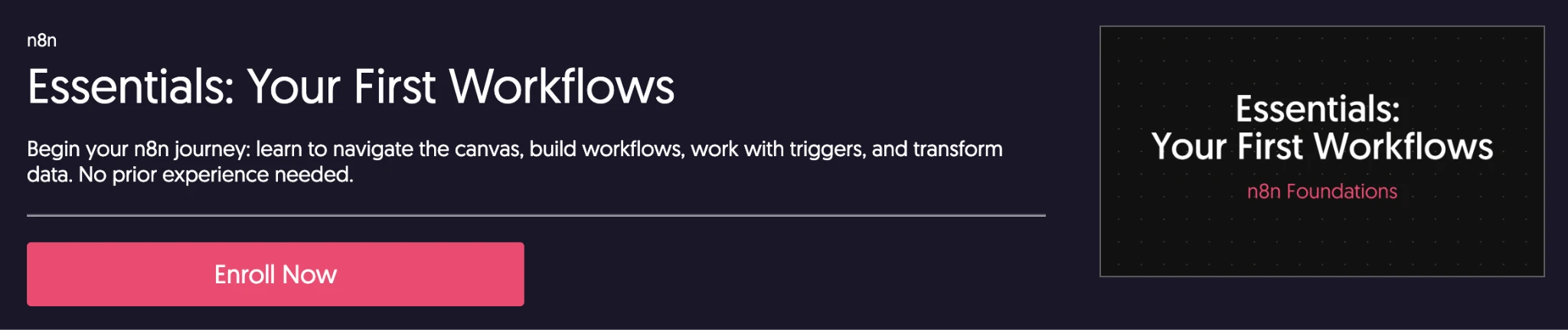
The curriculum focuses on the fundamental building blocks of automation: credentials management, data structure mapping, and expressions. Unlike simpler tools, n8n requires users to understand how data flows between "nodes," which provides a more robust foundation for later moving into complex AI integrations. This course is particularly valuable for users who prefer a self-hosted or more customizable environment compared to purely cloud-based SaaS alternatives.
2. From Logic to Intelligence: Make’s AI Agents Foundation
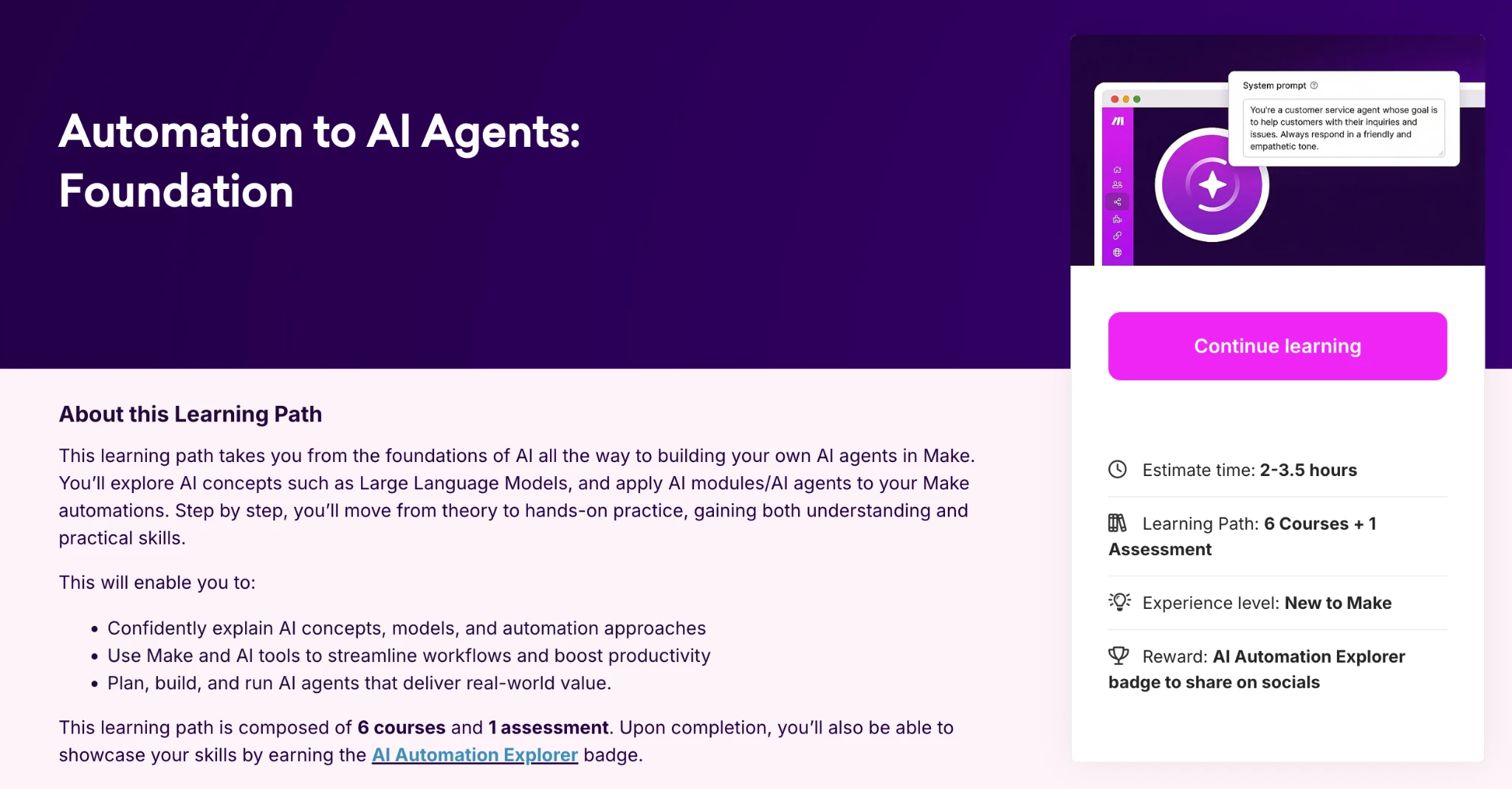
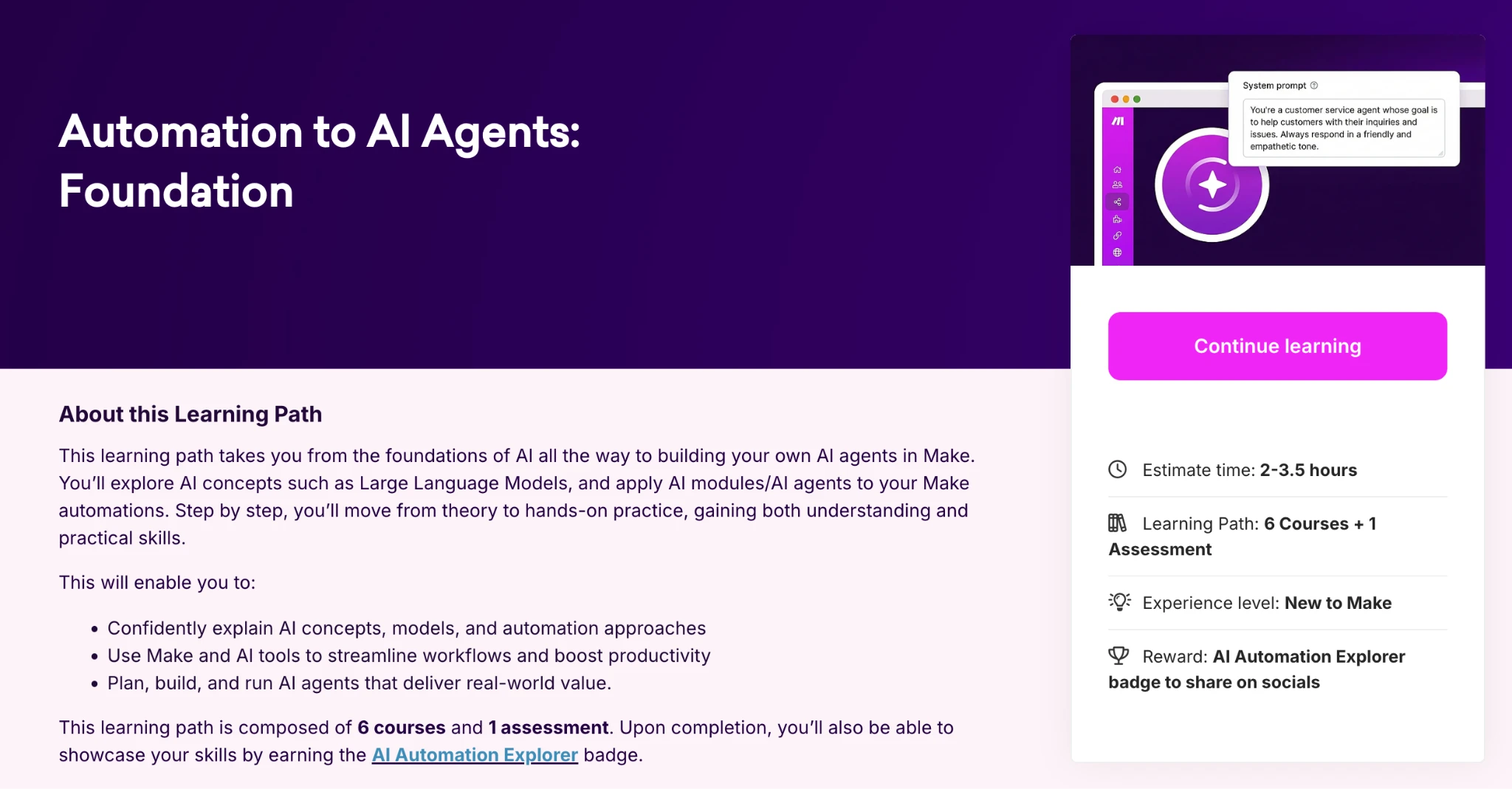
Formerly known as Integromat, Make has long been a favorite for its highly visual, "bubble-based" interface. Its latest offering, "Automation to AI Agents: Foundation," acknowledges the industry-wide pivot toward agentic systems. This structured learning path, which takes approximately three hours to complete, moves beyond simple "if-this-then-that" logic.
Participants are introduced to the integration of LLMs—such as OpenAI’s GPT-4o or Anthropic’s Claude—directly into their scenarios. The course culminates in the "AI Automation Explorer" badge, providing a verifiable credential for professionals looking to prove their competency in building intelligent, multi-step scenarios that can process natural language.
3. Practical Implementation: Analytics Vidhya’s Comprehensive n8n Guide
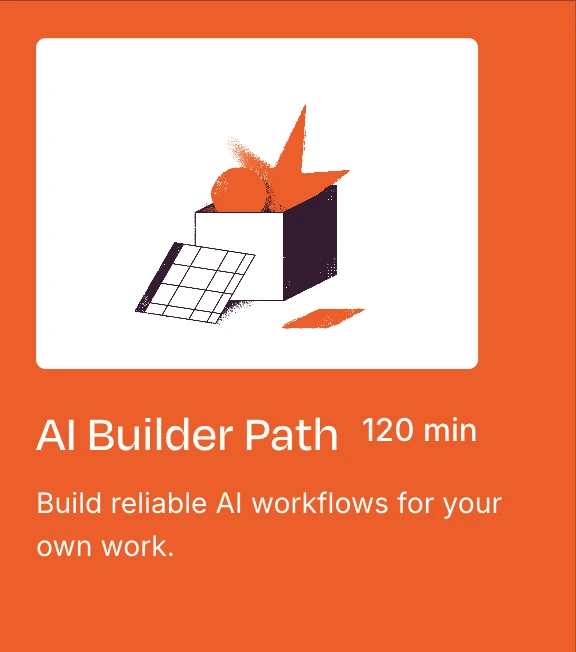
While official platform documentation is essential, third-party educational providers like Analytics Vidhya offer a project-based perspective that often mirrors real-world business challenges. Their "Complete Guide to n8n" focuses on the immediate application of automation tools to solve specific problems.
This course is notable for its emphasis on building functional AI chat agents and content creation pipelines. By moving rapidly from theory to execution, it caters to the "builder" mindset. It addresses the practicalities of API integrations and multi-step logic, ensuring that learners understand not just how the tool works, but how to deploy it to generate measurable business value.
4. Enterprise Accessibility: Zapier’s AI Builder Path
Zapier remains the most recognizable name in the automation industry, boasting over 6,000 app integrations. Its "AI Builder Path" is designed for maximum accessibility, targeting users who may feel intimidated by more technical interfaces.
The path covers the creation of "Zaps" that utilize AI utilities to summarize text, categorize emails, and route data based on sentiment analysis. Zapier’s strength lies in its "Central Nervous System" approach, where it acts as the glue between disparate business tools. This course is ideal for professionals in sales, HR, or marketing who need to implement AI solutions quickly within their existing software stack.
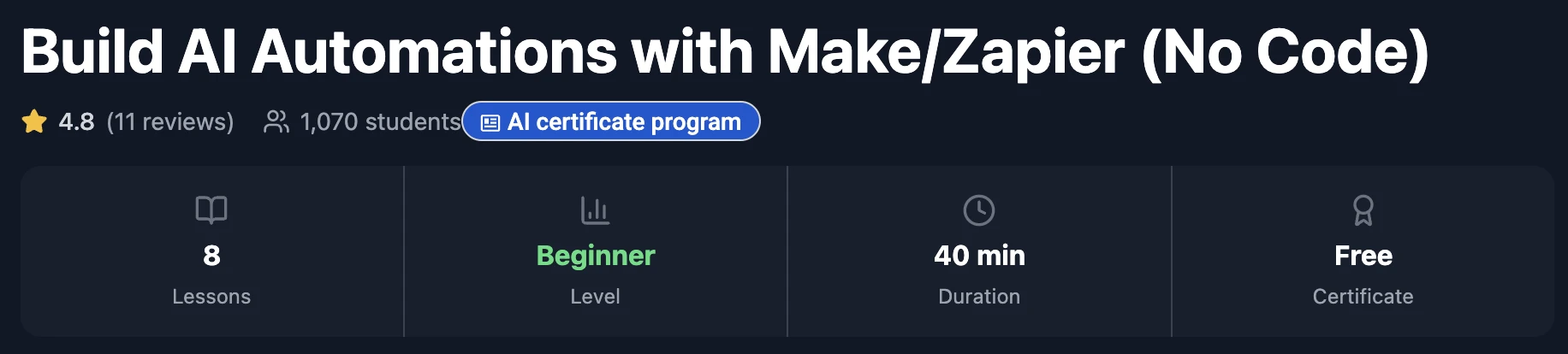
5. Visual No-Code Mastery: FreeAcademy’s Make and Zapier Training
For those who remain undecided between platforms, FreeAcademy provides a comparative approach, teaching both Make and Zapier. This course is highly focused on the visual aspect of no-code development, emphasizing the "canvas" approach to building workflows.
The curriculum highlights the use of ChatGPT and Claude as "cognitive steps" within a workflow. For instance, learners are taught how to build an automated data pipeline that extracts information from an incoming email, uses an AI model to draft a response, and then updates a CRM system—all without human intervention.
6. The Corporate Ecosystem: Microsoft Power Automate and AI Builder
In the corporate world, Microsoft’s Power Platform is a dominant force. The "Automate and Extend Your Solutions with AI" learning path is specifically tailored for those operating within the Microsoft 365 ecosystem. This course introduces "AI Builder," a turnkey solution that allows users to add AI capabilities to their Power Automate flows.
The training focuses on enterprise-grade requirements, such as approval workflows and Dataverse integration. It demonstrates how generative AI can be used to process invoices, analyze customer feedback at scale, and enhance "Copilot" experiences within a company’s internal infrastructure. This is the preferred route for IT professionals and business users in large organizations where security and compliance are paramount.
7. The Cutting Edge: Multi-Agent Systems with CrewAI
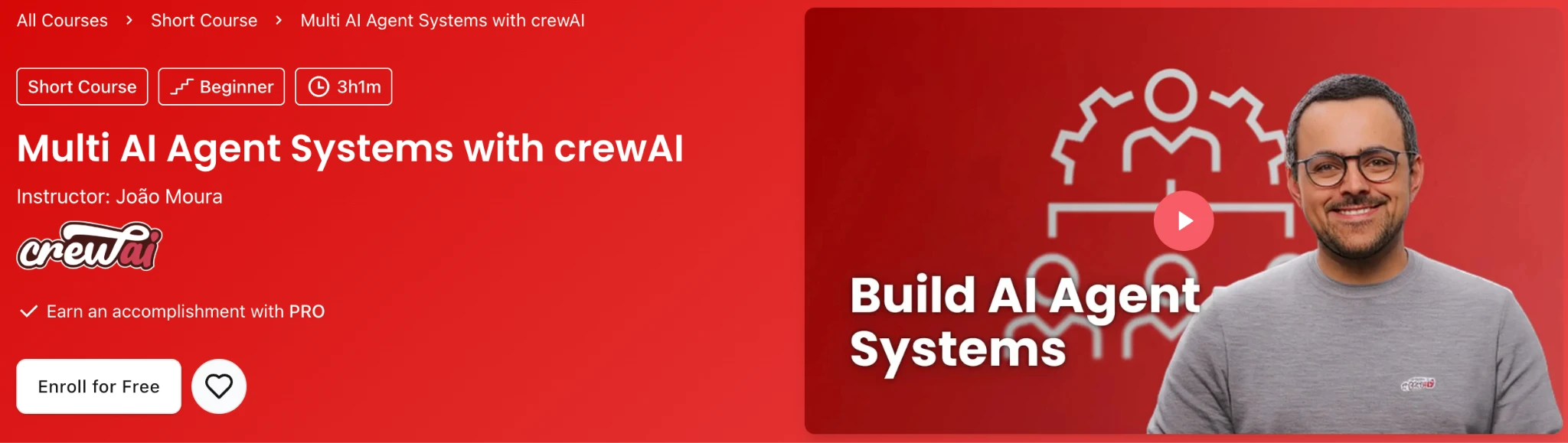
As the field matures, the focus is shifting from single-agent tasks to "multi-agent orchestration." The DeepLearning.AI course, "Multi AI Agent Systems with crewAI," represents the more technical end of the spectrum. Taught in collaboration with João Moura, the creator of crewAI, this course explores how to build "teams" of AI agents that work together.
In this model, one agent might be a "researcher," another a "writer," and a third a "manager." The course teaches how to assign roles, goals, and tools to these agents, allowing them to collaborate on complex tasks like financial analysis or event planning. While it requires a basic understanding of Python, it is a crucial resource for those looking to stay ahead of the curve in AI development.
Chronology of the Automation Revolution
The rise of these courses is the result of a decade-long evolution in how humans interact with machines:
- 2011–2015: The "Trigger-Action" era begins with the launch of Zapier and IFTTT, allowing simple data transfers between web apps.
- 2016–2021: The "Visual Workflow" era sees platforms like Integromat (Make) and n8n introduce complex branching logic and data manipulation.
- 2022–2023: The "Generative AI" explosion occurs. Tools integrate LLMs as simple steps within workflows to process text and images.
- 2024–Present: The "Agentic Era" arrives. The focus shifts to autonomous agents that can plan, reason, and use tools to achieve high-level objectives.
Supporting Data and Market Implications
The demand for these skills is reflected in current labor market statistics. According to data from LinkedIn’s 2024 Global Talent Trends report, job postings mentioning "AI" or "Generative AI" have increased by over 300% in the last two years. Furthermore, companies that have implemented AI-driven automation report productivity gains of 20% to 40% in administrative and data-heavy roles.

The economic impact is equally staggering. PwC estimates that AI could contribute up to $15.7 trillion to the global economy by 2030, with a significant portion of that value derived from increased labor productivity through automation.
Official Responses and Industry Perspectives
Leaders in the automation space have been vocal about the necessity of free education. "The goal is to move from ‘low-code’ to ‘no-code’ where the interface is simply natural language," stated a representative from the Zapier AI team during a recent product summit. Similarly, the founders of n8n have emphasized that "democratizing automation is not just about the tool, but about the logic and the community knowledge shared through these courses."
Experts from DeepLearning.AI, led by AI pioneer Andrew Ng, have consistently argued that understanding "Agentic workflows" is the next great frontier in AI, potentially more impactful than the models themselves. By providing these courses for free, these organizations are effectively building a massive user base of "citizen developers" who will define the future of work.
Broader Impact and Future Outlook
The availability of these free resources suggests a future where "automation literacy" becomes as fundamental as "computer literacy" was in the 1990s. As AI models become more capable and less expensive, the bottleneck for innovation will no longer be the technology itself, but the ability of individuals to orchestrate that technology into meaningful workflows.
For the global workforce, this presents both a challenge and an opportunity. While routine tasks are increasingly being automated, the role of the "orchestrator"—the person who can design, monitor, and optimize these AI systems—is becoming more valuable. These seven courses provide the roadmap for making that transition, ensuring that the benefits of the AI revolution are accessible to anyone with an internet connection and a willingness to learn.