
 rifanmuazin
In the contemporary global economy, the profile of the average consumer has shifted toward a state of high information, low patience, and extreme mobility, where the transition to a competitor is often a single click away. For organizations operating in this hyper-competitive landscape, treating the customer experience as a "black box" is no longer a viable strategy; without precise measurement, management becomes a series of guesses rather than a calculated performance improvement. Customer Experience (CX) Key Performance Indicators (KPIs) serve as the essential sensors that transform this black box into a functional dashboard of actionable insights, revealing where friction accumulates, where brand loyalty is forged, and where potential revenue is quietly hemorrhaging.

The shift toward a metric-driven customer strategy represents a fundamental evolution in how businesses perceive value. It is no longer sufficient to chase "vanity scores" or high-level satisfaction ratings that lack context. Instead, modern CX management focuses on translating complex human behaviors into measurable business outcomes. This approach allows firms to identify silent drop-offs in the user journey and convert them into opportunities for sustainable growth. By quantifying the quality of the relationship between a brand and its customers across every touchpoint—from the initial discovery phase to long-term advocacy—organizations can build a resilient infrastructure for retention and revenue.
The Strategic Importance of CX Tracking in a Volatile Market
The impetus for tracking CX KPIs is rooted in the financial reality of the modern market. Research indicates that approximately 49% of loyal customers are willing to leave a brand for a competitor after just one or two poor experiences. Conversely, data from industry analysts suggests that 86% of buyers are prepared to pay a premium for a superior customer experience. This disparity highlights a significant "experience gap" that businesses must bridge to maintain market share.

Consistently monitoring CX metrics allows leadership teams to move from reactive troubleshooting to proactive optimization. This transition facilitates several critical business objectives:
- Pinpointing Friction: By identifying exactly where users encounter "bottlenecks"—such as a convoluted checkout process or a poorly indexed help center—teams can deploy targeted fixes before these issues drive mass exits.
- Preventing Churn: Early warning signs of dissatisfaction often appear in metrics like the Customer Satisfaction Score (CSAT) or Customer Effort Score (CES) long before a customer officially cancels a subscription or stops purchasing.
- Driving Repeat Business: Understanding the specific drivers of retention allows companies to double down on their strengths, ensuring that the elements that keep customers returning are consistently delivered.
- Data-Driven Prioritization: Rather than debating internal opinions on which product features to develop next, organizations can use direct customer feedback and behavioral data to align their roadmaps with actual market needs.
A Chronology of Metric Evolution: From Surveys to Predictive Analytics
The history of customer measurement has evolved through several distinct phases. In the early 20th century, "satisfaction" was largely anecdotal. By the 1980s and 90s, the advent of formal surveys and the "Voice of the Customer" (VoC) movement brought more structure to the field. The introduction of the Net Promoter Score (NPS) in 2003 by Fred Reichheld provided a standardized "gold metric" for loyalty that dominated corporate boardrooms for two decades.

However, the current era, beginning roughly around 2015, has seen a shift toward "behavioral CX." Organizations are no longer relying solely on what customers say in surveys; they are tracking what customers do. This involves a composite approach that combines traditional sentiment scores with real-time operational data, such as first-contact resolution rates and automated health scores. This chronology reflects a broader trend in business: the move from historical reporting to real-time, predictive intelligence.
The Essential CX KPI Scorecard: Definitions and Applications
To gain a 360-degree view of the customer journey, businesses must utilize a balanced scorecard of metrics. These are generally categorized into sentiment-based metrics (how they feel) and operational-based metrics (how the system performs).
1. Net Promoter Score (NPS)
The Net Promoter Score remains the industry standard for assessing long-term loyalty. It asks a foundational question: "On a scale of 0 to 10, how likely are you to recommend our product to a friend or colleague?"
- Promoters (9-10): Loyal enthusiasts who fuel growth via referrals.
- Passives (7-8): Satisfied but unenthusiastic customers vulnerable to competitive offerings.
- Detractors (0-6): Unhappy customers who can damage brand reputation through negative word-of-mouth.
NPS is calculated by subtracting the percentage of Detractors from the percentage of Promoters. While a score above 50 is typically considered excellent, the metric’s true value lies in tracking trends over time and identifying the "why" behind the numbers.
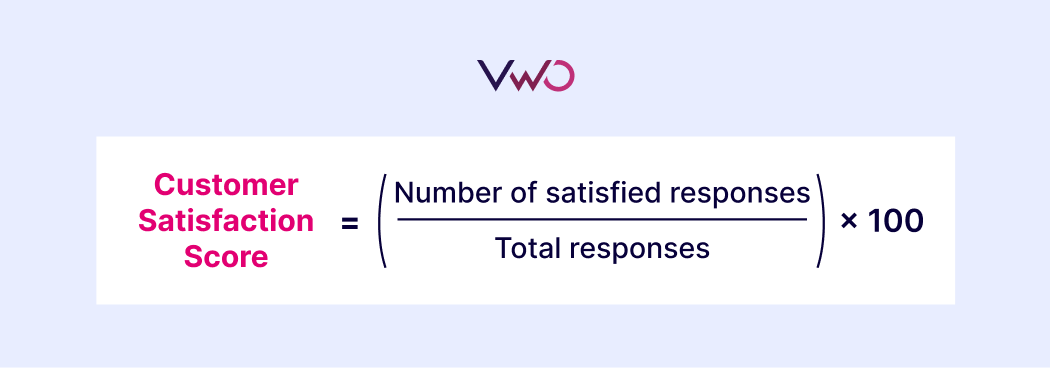
2. Customer Satisfaction Score (CSAT)
Unlike the broad focus of NPS, CSAT measures immediate happiness following a specific interaction. Whether it is the completion of a purchase or the resolution of a support ticket, CSAT provides a "here and now" snapshot of performance. This metric is vital for operational teams to identify sudden drops in service quality or technical failures in real-time.

3. Customer Effort Score (CES)
The Customer Effort Score has gained significant traction following research suggesting that "low effort" is a more powerful driver of loyalty than "customer delight." CES asks customers to rate the ease of their experience. In an era where convenience is a primary currency, reducing the work a customer must do to resolve an issue is directly correlated with higher retention and lower operating costs.
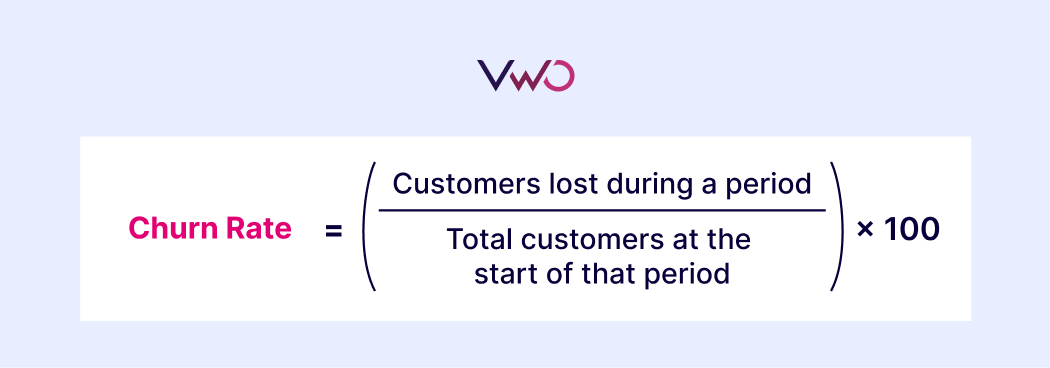
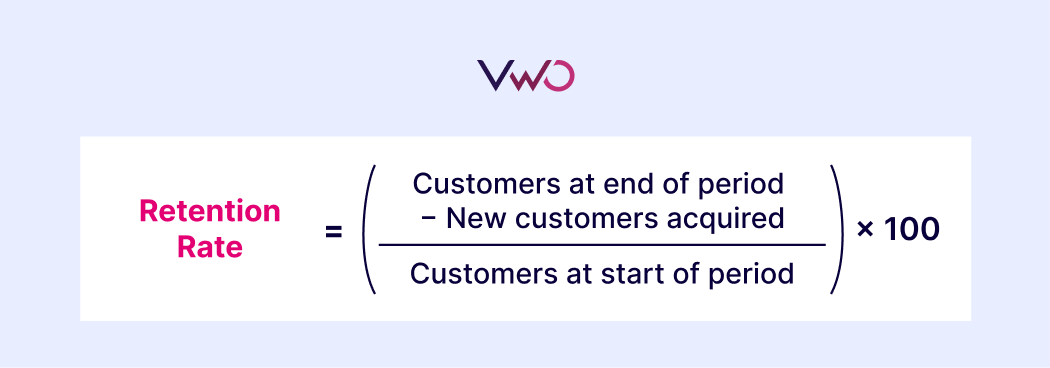
4. Churn and Retention Rates
These are the financial bookends of customer experience. Churn measures the percentage of customers who stop doing business with a firm, while Retention measures the ability to keep them. Industry data suggests that a 5% increase in customer retention can lead to profit increases ranging from 25% to 95%, depending on the sector. High churn is often a lagging indicator that significant friction exists earlier in the customer journey.
5. First Contact Resolution (FCR)
FCR is a critical efficiency metric for support teams. It tracks the percentage of issues resolved during the first interaction. High FCR rates indicate empowered staff and streamlined processes, both of which significantly lower the "effort" required by the customer and reduce the internal cost of managing multiple follow-up interactions.
6. Customer Health Score (CHS)
Primarily used in the SaaS and subscription sectors, the CHS is a composite, predictive metric. It aggregates data points such as product login frequency, feature adoption, support ticket volume, and sentiment scores. A declining health score allows account managers to intervene proactively before a customer reaches the point of cancellation.
Real-World Implications: Case Studies in CX Optimization
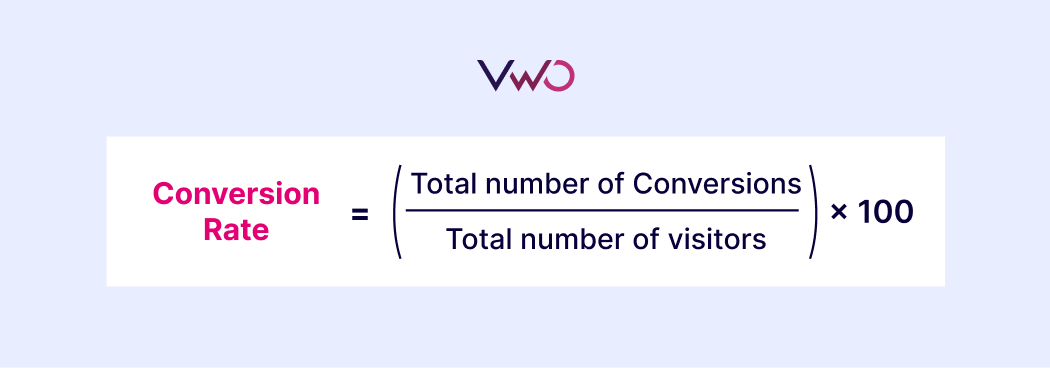
The theoretical value of these KPIs is best illustrated through their practical application. For instance, Buyakilt.com, a specialized online retailer, recognized that their conversion rate—a key CX metric—was being hindered by friction in the product discovery phase. By implementing advanced filtering and simplifying the shopping journey, the company achieved a 26% increase in conversions and a nearly 20% rise in shopping cart visits. This demonstrates that improving the "ease" of an experience (CES) has a direct, quantifiable impact on revenue.
In the hospitality sector, Orascom Hotels utilized personalization and behavioral data to address specific regional needs. By delivering context-aware experiences tailored to the user’s location and language, they generated over $350,000 in revenue during a single campaign, accounting for 42% of total sales in that period. These results underscore the fact that CX is no longer a "soft" metric but a core driver of financial performance.
Broader Impact and the Role of Artificial Intelligence
The integration of Artificial Intelligence (AI) is currently revolutionizing the way CX KPIs are managed. Modern platforms now offer AI-recommended metrics that automatically monitor events like form submissions and revenue conversions. Furthermore, sentiment analysis tools can now parse thousands of open-ended survey responses to identify common themes, a task that previously required hundreds of man-hours.
The implications for leadership are clear: the role of the Chief Customer Officer (CCO) is becoming increasingly data-centric. Decisions regarding budget allocation, product development, and market expansion are now heavily influenced by the "experience dashboard." Organizations that fail to adopt this rigorous approach risk being left behind by more agile, data-literate competitors.

Conclusion: From Measurement to Impact
While measurement is the first step toward improvement, data in isolation is insufficient. The most successful organizations are those that create a feedback loop where KPI insights lead to rapid experimentation and optimization. By utilizing tools for A/B testing, heatmapping, and session recordings, teams can validate their hypotheses and ensure that every change to the customer journey is backed by evidence.
In summary, customer experience KPIs are the vital signs of a modern business. They provide the clarity needed to navigate an increasingly complex and impatient market. By focusing on reducing effort, maximizing satisfaction, and fostering long-term loyalty, brands can turn the "black box" of customer behavior into a transparent engine for growth and stability. As the digital landscape continues to evolve, the ability to accurately track and act upon these metrics will remain the primary differentiator between market leaders and those who are simply guessing.








