rifanmuazin
The distinction between a charismatic executive and an effective media spokesperson has become increasingly critical in an era defined by rapid information cycles and heightened public scrutiny. While many business leaders excel in internal settings or virtual meetings, the specific skill set required to represent an organization on a national or global stage involves a complex synthesis of authority, psychological resilience, and strategic messaging. According to industry experts and recent curriculum developments from Ragan Training, the ability to command a room or a Zoom call is merely a baseline requirement; true effectiveness is measured by the ability to influence stakeholders, navigate adversarial questioning, and maintain institutional credibility under pressure.
The professional landscape for corporate communications has shifted significantly, moving away from a model where a single "talking head" could control the narrative. Today’s spokespeople must operate within a 24-hour news environment where every statement is fact-checked in real-time by digital audiences. This reality has prompted organizations to re-evaluate how they select and train their public faces. The recent release of the Ragan Training course, “Building and Training Effective Media Spokespeople,” underscores a growing industry consensus: charisma and technical knowledge, while valuable, are insufficient on their own to protect a brand’s reputation during a crisis or a major product launch.
The Evolution of the Corporate Voice: A Historical Perspective
The role of the spokesperson has undergone a profound transformation over the last half-century. In the mid-20th century, corporate communication was largely reactive, often characterized by the "no comment" era. Public relations was seen as a barrier between the company and the press. However, the 1980s saw a shift toward the "Celebrity CEO," pioneered by figures like Lee Iacocca of Chrysler, who used personal charisma to build brand trust.
By the early 2000s, the rise of the internet and the 24-hour news cycle necessitated a more constant and transparent presence. The 2008 financial crisis further altered the landscape, as public trust in institutional leaders plummeted. In the post-pandemic era, the "Zoom-fluent" executive has emerged, but as the Ragan curriculum suggests, being comfortable on a webcam does not translate to being prepared for a high-stakes interview with a seasoned journalist. The timeline of communication evolution shows a clear trajectory from gatekeeping to engagement, and now to a focus on radical credibility.
The First Quality: Credibility and Positional Authority
At the heart of any successful media interaction is the concept of credibility. If the audience does not perceive the speaker as a reliable source of truth, the content of the message becomes irrelevant. Credibility in a spokesperson is derived from two primary sources: external perception and internal position.
A spokesperson must occupy a role within the organization that naturally grants them the authority to speak on the topic at hand. For instance, a Chief Technology Officer (CTO) carries inherent weight when discussing a data breach, whereas a general PR manager might be perceived as a filter. This "positional authority" ensures that the audience views the speaker as someone with direct access to the facts.
Furthermore, credibility is built through transparency. In the current media environment, attempting to obfuscate or "spin" facts often results in a loss of trust that can take years to recover. Data from the 2024 Edelman Trust Barometer indicates that "technical experts" are often more trusted by the public than "CEOs," suggesting that organizations should match the spokesperson to the specific expertise required for the story rather than default to the highest-ranking executive.
The Second Quality: Composure Under Adversarial Pressure
The second essential quality is the ability to maintain composure, particularly when faced with "gotcha" questions or hostile interviewers. High-stakes journalism often involves a degree of confrontation designed to elicit an emotional response or an unplanned admission. An effective spokesperson must possess the emotional intelligence to remain calm, steady, and focused on their core messaging pillars.
Composure is not just an internal state; it is a physical discipline. Media trainers emphasize the importance of non-verbal cues, such as maintaining eye contact, avoiding defensive posturing, and managing vocal inflection. A spokesperson who appears flustered or defensive on camera sends a signal to the audience that the organization may be hiding something or is not in control of the situation. The Ragan Training course highlights that this quality is often the hardest to teach, requiring rigorous simulation and stress-testing before an executive is allowed to face the media.
The Third Quality: Clarity and the Art of the Soundbite
In a media environment dominated by social media clips and short-form news segments, clarity is a spokesperson’s most valuable tool. The ability to distill complex corporate strategies or technical data into accessible, "sticky" messages is what separates an average speaker from an effective one.
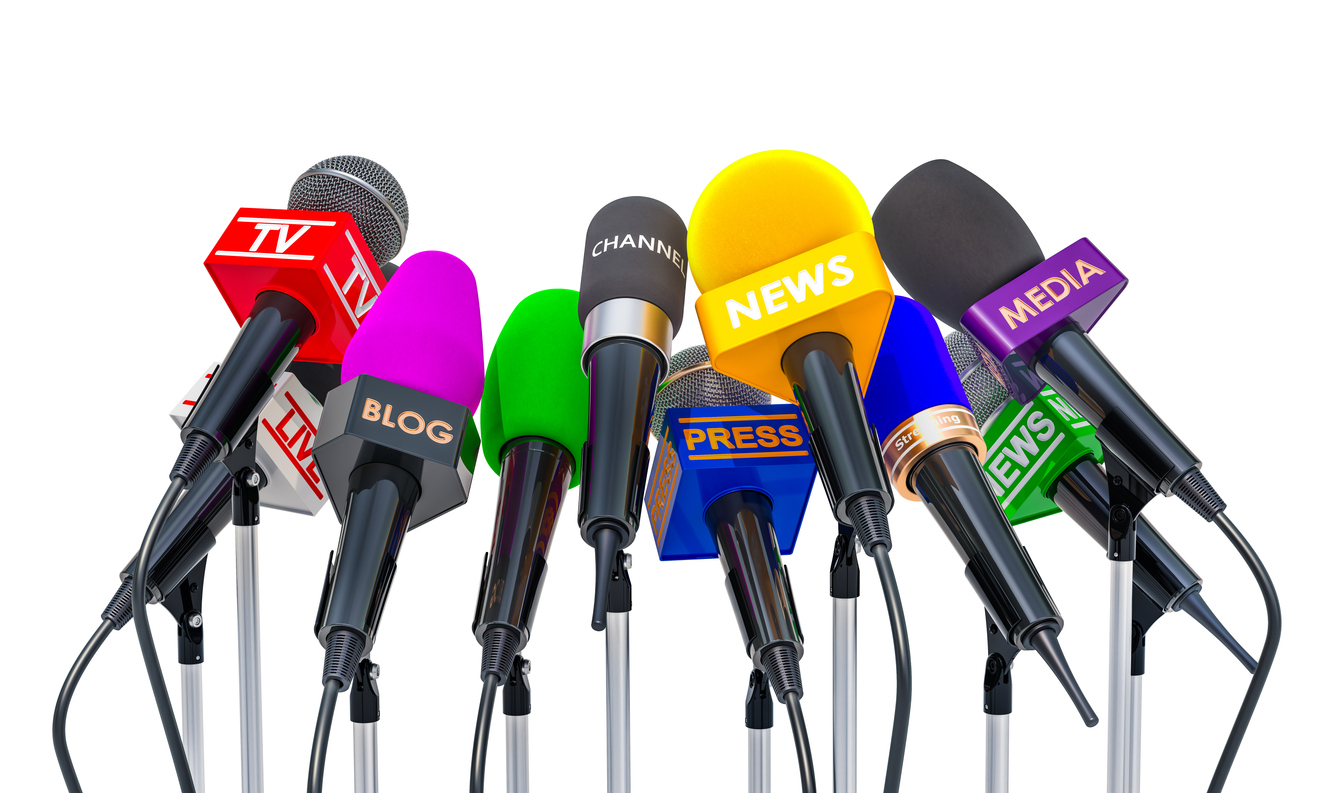
The "soundbite culture" requires spokespeople to speak in short, punchy sentences that are difficult to take out of context. This involves avoiding industry jargon, which can alienate the general public and make the organization seem out of touch. Clarity also extends to the "7-second rule"—the average length of a quote in a broadcast news story. If a spokesperson cannot deliver their primary point within that window, the media outlet will likely edit the statement, potentially changing the intended meaning.
The Fourth Quality: Empathy and Human Connection
The final quality identified by communication experts is empathy. In the modern era, audiences expect organizations to demonstrate a "human" side, particularly during crises or social upheavals. A spokesperson who delivers facts with cold clinicality may be perceived as uncaring, which can be as damaging to a brand as delivering incorrect information.
Authenticity and empathy involve acknowledging the impact of corporate decisions on real people. Whether it is a product recall, a round of layoffs, or an environmental issue, the spokesperson must be able to connect with the audience’s concerns. This quality requires a deep understanding of the audience’s psychology and the ability to project sincerity. Analysis of successful crisis management, such as the classic Tylenol recall case, shows that empathy-led communication is the fastest route to restoring public trust.
Supporting Data: The Impact of Effective Spokespeople
The financial and reputational stakes of spokesperson performance are backed by significant data. According to a study by Burson-Marsteller, approximately 45% of a company’s reputation is attributed to the reputation of its CEO. Furthermore, when a spokesperson performs poorly during a crisis, the company’s stock price can drop by an average of 5% to 10% within the first 24 hours of the media appearance.
Conversely, organizations that invest in professional media training see a measurable "trust dividend." Research indicates that companies with highly trained spokespeople are 30% more likely to see their key messages included in final news stories compared to those who rely on untrained executives. This highlights the practical ROI of the "Building and Training Effective Media Spokespeople" approach advocated by Ragan.
Official Responses and Industry Best Practices
Leading Public Relations firms have reacted to the changing media landscape by shifting their training methodologies. Many now utilize "AI-driven sentiment analysis" to evaluate how test audiences react to a spokesperson’s tone and body language. "The era of the ‘polished’ executive is over," says one senior communications strategist. "Today, we are looking for ‘prepared’ executives who can be authentic while staying on message. The public can smell a script from a mile away."
The consensus among industry leaders is that the selection process for a spokesperson should be rigorous. It is no longer enough to choose the person with the most seniority. Instead, organizations are encouraged to maintain a "bench" of spokespeople with different areas of expertise, all of whom have undergone standardized training to ensure a consistent corporate voice.
Broader Implications for the Future of Communications
As artificial intelligence and deepfake technology continue to evolve, the role of the human spokesperson will likely become even more vital. In a world where digital content can be easily manipulated, the "live" interview remains one of the few ways an organization can prove its authenticity. The four qualities—credibility, composure, clarity, and empathy—will serve as the primary defense against misinformation.
Furthermore, the rise of "internal-as-external" communication means that spokespeople must realize their words will be scrutinized by their own employees as much as by the general public. An effective spokesperson now serves as a bridge between the organization’s internal culture and its external brand.
In conclusion, the Ragan Training course serves as a timely reminder that the art of the spokesperson is a specialized discipline. As the boundary between traditional media, social media, and corporate transparency continues to blur, the demand for individuals who possess these four essential qualities will only grow. Organizations that fail to recognize the difference between "speaking" and "representing" do so at their own peril, risking their most valuable asset: the public’s trust.