rifanmuazin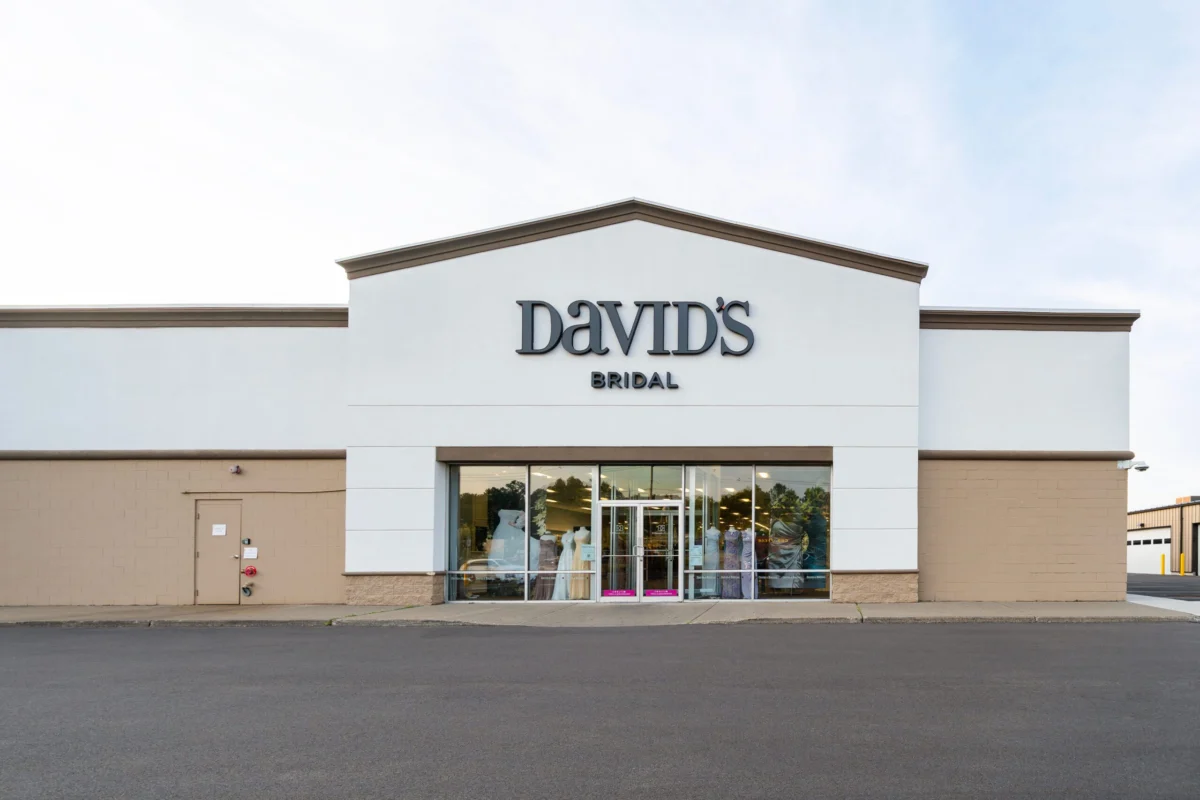
David’s Bridal is pioneering a significant shift in online retail by integrating its extensive product catalog directly into popular artificial intelligence (AI) chat platforms, marking a strategic expansion into new shopping channels that leverage the power of generative AI. This innovative move allows consumers to browse and purchase wedding gowns, bridesmaid dresses, and other special occasion attire seamlessly within Microsoft Copilot and OpenAI’s ChatGPT. Launched on April 13, this in-app shopping experience is powered by Shopify’s groundbreaking "agentic storefronts," which are designed to facilitate commerce directly within AI conversational interfaces.
The integration enables shoppers to interact with David’s Bridal’s offerings in a natural, conversational manner. Users can initiate product searches directly within the chat interface, with AI tools surfacing relevant product images, pricing details, and essential product information. This guided discovery process culminates in a streamlined checkout, facilitated by Shopify’s robust e-commerce infrastructure. David’s Bridal, which adopted Shopify’s comprehensive e-commerce capabilities in June 2025, maintains crucial control over the final sale and, importantly, the valuable first-party customer data generated through these transactions. This strategic decision underscores the company’s commitment to retaining ownership of customer relationships and insights, even as it embraces new AI-driven sales avenues.
This initiative places David’s Bridal at the forefront of a burgeoning trend in "agentic commerce," a concept that envisions AI agents acting on behalf of consumers to discover, evaluate, and purchase products. The broader implications of this integration extend beyond a single retailer, signaling a transformative period for the e-commerce landscape, where AI is poised to become an indispensable component of the customer journey.
The Genesis of AI-Powered Bridal Shopping
The decision by David’s Bridal to venture into AI-driven commerce is rooted in a fundamental understanding of evolving consumer behavior. Kelly Cook, CEO of David’s Bridal, articulated this vision, stating, "There is a structural shift in how consumers discover and buy. Consumers are moving from traditional search to AI-driven discovery at an extraordinary pace and increasingly expect to complete their purchase in that same moment." This sentiment highlights the growing demand for immediate, intuitive, and integrated shopping experiences, a demand that generative AI platforms are uniquely positioned to meet.
David’s Bridal asserts its position as one of the pioneering merchants to offer "fully integrated, end-to-end commerce" directly within generative AI platforms. The user experience is designed for intuitive interaction. Upon initiating a query within the AI tools, David’s Bridal products are presented as interactive product cards. These cards display high-quality images, current pricing, detailed style descriptions, and customer ratings, which average an impressive 4.9 stars. This level of detail and social proof aims to build trust and facilitate informed purchasing decisions within the AI environment.
The AI’s ability to categorize and present products further enhances the shopping journey. Within ChatGPT, the system can intelligently group items by silhouette or style, offering curated selections such as "Classic Ball Gowns" or "Modern & Minimal" dresses. On Microsoft Copilot, shoppers can explore curated collections, verify real-time availability of sizes and colors, and access detailed sizing information, including a comprehensive range from size 0 to 30W. This tailored approach to product presentation aims to mirror the personalized assistance a shopper might receive in a physical store, but at a global scale and with unprecedented convenience.
Navigating the AI Checkout Process
The checkout experience, while integrated within the AI platforms, exhibits subtle variations designed to optimize user experience across different environments. On ChatGPT, purchases are typically completed via an in-app browser on mobile devices. For desktop users, the process may involve a redirection to the retailer’s dedicated storefront on Shopify, ensuring a familiar and secure checkout environment.
Microsoft Copilot offers a more deeply embedded checkout experience. Here, purchases can be finalized directly within the chat interface through the use of embedded "buy buttons" and direct checkout functionalities. Shopify has indicated that support for its Shop Pay service is slated to be integrated into this experience soon, further streamlining the payment process for millions of Shop Pay users.
Underpinning these varied checkout methods is David’s Bridal’s existing Shopify infrastructure. Every transaction processed through these AI channels runs through the retailer’s Shopify platform, ensuring that all existing checkout settings, payment processing protocols, and fulfillment logistics remain consistent and uninterrupted. This ensures a seamless operational flow for David’s Bridal, allowing them to manage orders and maintain customer data integrity with their established systems. Scott Saeger, Chief Technology Officer at David’s Bridal, emphasized the significance of this technical convergence: "What makes this moment so powerful is the convergence of infrastructure, data and AI. By leveraging Shopify’s architecture, we’re able to extend our entire commerce engine directly into AI environments without compromise, preserving checkout, attribution and customer ownership."
David’s Bridal’s Strategic Embrace of AI
This integration with AI chat platforms is a cornerstone of David’s Bridal’s broader strategic vision, encapsulated by its initiative dubbed "Aisle to Algorithm." Despite maintaining a significant physical footprint with over 180 locations across North America, the company is aggressively transitioning towards a more asset-light, digital-centric operational model. This strategic pivot aims to solidify David’s Bridal’s position as a forward-thinking leader within the highly competitive and substantial $70 billion wedding industry.
A critical component of this digital transformation is Pearl by David’s Bridal, the company’s proprietary digital platform. Pearl integrates essential wedding planning tools, a comprehensive vendor marketplace, and the David’s Bridal Pearl Media Network, fostering a holistic ecosystem for engaged couples. The company has been systematically enhancing Pearl with advanced AI capabilities. In June, David’s Bridal introduced agentic AI features into its Pearl wedding planner, offering enhanced assistance and personalized recommendations to users.
Furthermore, David’s Bridal has been meticulously refining the depth and accuracy of its product catalog to optimize its performance within AI-driven search and shopping environments. This involves a rigorous auditing process of key product attributes such as silhouette, neckline, fabric type, and train length. These attributes are crucial determinants of how items are ranked and presented in AI shopping results, and their meticulous categorization ensures that products are discoverable and accurately represented to potential buyers. The company has also been exploring Shopify’s tools to automate product data scoring, aiming to "further enhance readiness for large language models."
Saeger underscored the importance of data in this evolving retail landscape: "The next phase of retail competition will be won at the data layer. Brands that structure, enrich and optimize their product data most effectively for AI will be the ones that surface first and convert fastest." This statement highlights the strategic imperative for retailers to invest in robust data management and enrichment strategies to capitalize on the opportunities presented by AI.
Shopify’s Expanding AI Commerce Infrastructure
Shopify’s role in facilitating this AI commerce revolution is central. Its Agentic Storefronts became available on ChatGPT in late March, marking a significant step in enabling e-commerce directly within AI interfaces. These storefronts provide an automated bridge, connecting merchants to major AI channels, including ChatGPT, Microsoft Copilot, AI Mode in Google Search, and the Gemini app.
Products are surfaced through Shopify Catalog, a centralized repository that aggregates merchant offerings. Crucially, merchant-specific customizations, such as branding elements, pricing logic, and preferred payment methods, are seamlessly carried over from the retailer’s existing Shopify storefronts. This ensures brand consistency and a familiar purchasing experience for consumers, regardless of the AI platform they are using.
In an April 2 blog post, Shopify detailed the flexible checkout mechanisms available through its Agentic Storefronts. Depending on the device and platform in use, checkout may occur via an in-app browser, a redirect to an external storefront, or directly within the AI platform itself. This adaptability is key to accommodating diverse user preferences and technological capabilities.
This move follows earlier explorations into native AI checkout experiences. OpenAI had previously debuted its "instant checkout" feature in September 2025, which allowed for in-app purchases. However, in late March, OpenAI shifted its strategic focus, stepping back from this specific feature to concentrate on broader agentic commerce strategies.
Kurt Elster, founder of the e-commerce consultancy Ethercycle, views Shopify as the de facto commerce infrastructure layer for the AI era. He noted in a LinkedIn post that for eligible Shopify stores, the syndication of products through Shopify Catalog to AI channels is "on by default." He further explained, "Your products are already being syndicated through Shopify Catalog. Orders show up in your admin with ChatGPT referral attribution so you can track the channel." This automated integration simplifies the adoption process for merchants, allowing them to benefit from AI channels with minimal technical overhead.
Shopify also offers an "agentic" plan, which enables brands not currently using Shopify as their primary e-commerce platform to list their products in the Shopify Catalog. This catalog then feeds into various AI shopping channels, further expanding Shopify’s reach and influence in the emerging AI commerce ecosystem.
Elster acknowledges the nascent stage of this AI commerce landscape, stating, "This is early. Attribution is limited, volume is unknown, and we don’t know how these AI channels will rank products yet. But the infrastructure is live and the direction is clear." This perspective highlights both the potential and the evolving nature of AI-driven commerce, emphasizing the need for ongoing adaptation and experimentation.
Accelerating Adoption of AI Shopping
Industry data strongly suggests that the adoption of AI-assisted shopping, often referred to as agentic commerce, is rapidly gaining traction. Consulting firm McKinsey projects that AI agents could facilitate between $3 trillion and $5 trillion in global commerce by 2030, underscoring the immense economic potential of this technological shift.
Early indicators of this growth are already evident. During peak retail periods, AI-driven tools have significantly influenced online sales, contributing an estimated $14.2 billion in global online sales and driving over 800% growth in retail traffic, according to data cited by David’s Bridal from Adobe Analytics. This surge in AI-driven engagement points to a fundamental change in how consumers interact with brands and make purchasing decisions.
Consumer interest in AI-powered shopping experiences is also robust. Research from the Interactive Advertising Bureau indicates that more than 80% of consumers believe AI delivers more personalized and enjoyable shopping experiences. Further research cited by David’s Bridal suggests that over 70% of consumers are willing to complete purchases within AI chat environments, and that AI-driven shopping tools can potentially increase conversion rates by up to 23%. These statistics collectively paint a picture of a consumer base increasingly receptive to and actively seeking out AI-enhanced shopping journeys.
David’s Bridal’s strategic integration into AI chat platforms represents a bold step into the future of retail. By leveraging existing robust e-commerce infrastructure and embracing the transformative potential of AI, the company is not only enhancing its customer reach and engagement but also setting a precedent for how retailers can effectively navigate and capitalize on the evolving landscape of conversational commerce. The "Aisle to Algorithm" initiative signifies a commitment to innovation, data-driven strategies, and a customer-centric approach that promises to redefine the bridal shopping experience for years to come.