rifanmuazin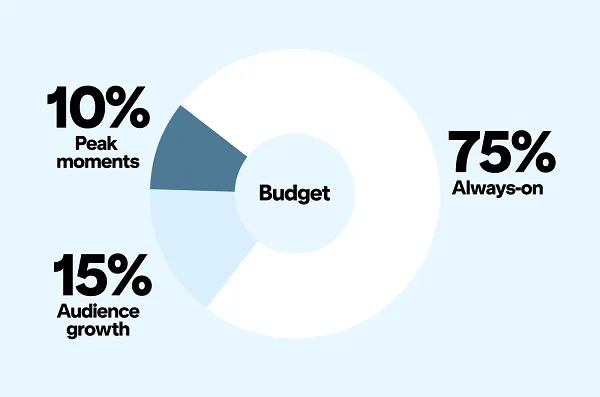
Pinterest has issued a proactive call to advertisers, emphasizing the critical importance of early strategic planning and continuous content presence to maximize results during the intensely competitive fourth-quarter (Q4) holiday shopping season. With approximately 31 weeks remaining until Christmas, the visual discovery platform is reminding brands that its unique user base approaches the app with a distinct planning mindset, making an “always-on” advertising strategy not just beneficial, but essential for peak performance. This guidance underscores Pinterest’s differentiation in the digital advertising landscape, positioning itself as a crucial tool for long-term brand building and conversion, particularly for events that require extensive forethought from consumers.
Understanding the Pinterest Planning Advantage
At the core of Pinterest’s recommendation is the fundamental difference in how its 631 million monthly active users (MAUs) engage with the platform compared to traditional social media or search engines. Unlike platforms primarily driven by real-time updates, impulse purchases, or immediate information retrieval, Pinterest functions as a “discovery engine” where users actively seek inspiration, save ideas, and meticulously plan for future purchases, projects, and life events. This behavior extends far beyond casual browsing; it’s a deliberate journey from initial ideation to final decision-making, often spanning weeks or even months.
Pinterest’s internal research consistently highlights this forward-thinking user behavior. Data indicates that Pinners begin saving holiday-related content—ranging from gift ideas and festive recipes to home decor and party planning inspiration—significantly earlier than the typical shopping rush. For instance, searches for “Christmas gift ideas” or “holiday decorations” can spike as early as July or August, indicating a prolonged period of consideration. This early engagement creates a unique window of opportunity for brands to influence purchasing decisions long before consumers are ready to transact. By establishing an “always-on” presence, advertisers can integrate their products and services into these early planning stages, effectively becoming part of a user’s digital wish list as it’s being compiled. This contrasts sharply with platforms where advertising often targets immediate intent or impulse, offering a distinct value proposition for brands seeking to build sustained consideration.
The Strategic Timeline: A Phased Approach to Peak Performance
Pinterest’s counsel is not merely about starting early; it’s about adopting a phased, strategic approach that aligns with the evolving planning journey of its users. This timeline can be broadly categorized into three distinct phases, each requiring a tailored advertising strategy:
Phase 1: Early Discovery & Inspiration (May-July)
This initial phase, encompassing the current period, is characterized by broad exploration and idea generation. Users are not yet ready to buy but are actively seeking inspiration for upcoming events, holidays, or personal projects. For advertisers, this means focusing on top-of-funnel content that sparks interest and introduces new ideas. Campaigns should leverage broad keywords and visually rich Pins that inspire dreams and possibilities, rather than pushing specific products for immediate sale. The objective here is to get onto the user’s “shortlist” of ideas, influencing their nascent preferences. Examples include lifestyle imagery, aspirational content, and general gift guides without specific product links, encouraging saves and engagement.
Phase 2: Consideration & Refinement (August-October)
As the year progresses, Pinners begin to narrow down their choices, moving from general inspiration to more specific considerations. They might be comparing products, researching brands, or looking for practical applications of their saved ideas. This phase is crucial for A/B testing various creative assets, messaging, and audience segments. Pinterest explicitly states that this window provides ample room to experiment, allowing marketers to identify what resonates most effectively before the peak holiday rush. Campaigns during this period should transition to more detailed product Pins, educational content, and comparisons, guiding users closer to a purchasing decision. This is when brands can test different calls-to-action, landing pages, and price points, optimizing their approach for maximum impact. The data gathered from these mid-funnel campaigns becomes invaluable for fine-tuning strategies for the final, high-stakes conversion phase.
Phase 3: Conversion & Last-Minute (November-December)
The final phase is the traditional Q4 peak, characterized by heightened purchase intent and urgent shopping. By this point, brands that have maintained an “always-on” presence will have accumulated significant data and insights, allowing them to scale their most effective campaigns. Having built momentum and refined their targeting, these brands are in a far stronger position to convert engaged users into customers. This phase calls for direct-response advertising, retargeting campaigns for those who have engaged with earlier content, and messaging focused on scarcity, deals, and delivery timelines. Pinterest emphasizes that “peak performance isn’t built in November”; rather, it’s the culmination of consistent, data-informed efforts throughout the preceding months.
Data-Driven Decisions: The Power of Persistent Campaigns
The efficacy of an “always-on” strategy on Pinterest is deeply rooted in the platform’s sophisticated machine learning algorithms. Longer campaign durations provide these algorithms with a continuous stream of data, enabling them to become more adept at matching the right products and creative content to the most receptive users. This iterative learning process leads to more efficient ad delivery, improved targeting accuracy, and ultimately, a higher return on ad spend (ROAS).
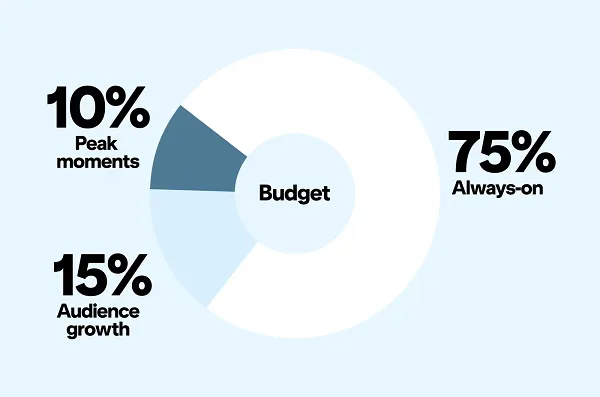
According to Pinterest, marketers should consider allocating approximately 75% of their overall ad budgets for the platform to these “always-on” initiatives. This significant allocation underscores the platform’s belief in the compounding benefits of sustained presence over sporadic bursts. Continuous campaigns allow the system to:
- Optimize Performance: More data means better optimization. The algorithm learns which Pins drive saves, clicks, and conversions for specific audience segments, continuously refining its delivery.
- Reduce Costs: By engaging users earlier, when competition for ad space is lower, brands can achieve lower costs per impression (CPMs) and clicks (CPCs). As Q4 approaches, ad inventory becomes scarcer and more expensive across all platforms. Early engagement can lock in more favorable rates and build audience pools that are cheaper to retarget later.
- Build Audience Pools: Consistent exposure allows brands to cultivate custom audience segments of users who have engaged with their content, saved their Pins, or visited their website. These warm audiences are significantly more likely to convert during peak shopping periods.
- Enhance Brand Recall: Regular presence ensures that a brand remains top-of-mind for users throughout their planning journey, fostering stronger brand recognition and affinity.
Beyond Pinterest’s internal mechanisms, broader e-commerce trends corroborate the value of early engagement. Recent years have seen a noticeable shift in consumer shopping habits, with events like Amazon Prime Day occurring earlier in the year, effectively kicking off holiday shopping for many. Economic uncertainties and inflation have also prompted consumers to start budgeting and planning their purchases earlier to spread out costs or take advantage of early deals. Brands that align with these evolving consumer behaviors by being present on platforms like Pinterest during the pre-peak season are better positioned to capture market share.
Industry Perspectives: Reactions and Adaptations
Pinterest’s strong recommendation for an “always-on” strategy resonates differently across the advertising ecosystem. Marketing agencies, often tasked with optimizing budgets and delivering results for diverse clients, generally view such guidance as valuable. Agencies appreciate the opportunity for longer planning cycles, which allows for more strategic creative development, thorough A/B testing, and less last-minute scrambling. It also strengthens the case for sustained budget allocation, moving away from purely reactive, short-term campaign thinking. Many agencies are already advocating for similar approaches on other platforms, recognizing the benefits of continuous engagement for algorithmic learning and audience building.
For brands, particularly small and medium-sized businesses (SMBs), implementing a robust “always-on” strategy may present both opportunities and challenges. Larger enterprises with substantial marketing budgets and dedicated teams are often better equipped to manage continuous campaigns, produce diverse creative assets, and absorb the upfront investment. For SMBs, the 75% budget allocation recommendation, coupled with the need for sustained content creation, could be daunting. However, the potential for lower ad costs during off-peak seasons and the ability to build a loyal audience over time offer a compelling incentive. SMBs might need to focus on evergreen content, repurpose existing assets, and leverage Pinterest’s organic reach tools to complement their paid efforts.
In the broader competitive landscape, Pinterest’s strategic push for early and continuous engagement subtly differentiates it from other major advertising platforms. While Google emphasizes search intent and immediate needs, and Meta platforms often excel in driving impulse purchases or brand awareness through social connection, Pinterest uniquely caters to the “planning” phase of the consumer journey. This distinct positioning allows Pinterest to capture users at the critical ideation stage, before their brand preferences are fully solidified. This move by Pinterest can be seen as a strategic play to secure a larger share of Q4 ad budgets by highlighting its unique value proposition and user behavior patterns, encouraging advertisers to think beyond just transactional advertising.

Implications for Marketers: Budget, Resources, and Future Strategy
The implications of Pinterest’s “always-on” advice are far-reaching for marketers, necessitating a reevaluation of budget allocation, resource management, and overall digital strategy.
Rethinking Budget Allocation: The recommendation to dedicate around 75% of Pinterest ad budgets to “always-on” initiatives signifies a shift from purely seasonal or campaign-based spending. This requires marketers to plan budgets further in advance and ensure consistent funding throughout the year, rather than concentrating expenditure solely in Q4. While it may seem like an increased overall spend, the argument is that this investment yields greater efficiency and ROI during peak periods, potentially reducing the need for costly, reactive campaigns later.
Operational Demands: Creative and Campaign Management: An “always-on” strategy demands a continuous flow of high-quality creative content. Marketers must invest in robust content calendars, diverse visual assets, and potentially larger creative teams or agency partnerships to maintain a fresh and engaging presence. Campaign management also becomes a year-round endeavor, requiring consistent monitoring, optimization, and reporting to ensure that the algorithmic learning process is fully leveraged. This shift necessitates a proactive, agile marketing operation.
Long-Term Brand Building vs. Short-Term Sales: While Q4 is synonymous with sales targets, Pinterest’s advice subtly encourages a long-term brand-building approach. By engaging users early and consistently, brands aren’t just pushing products; they’re fostering relationships, building trust, and becoming an integral part of a user’s aspirational journey. This cultivates brand loyalty that extends beyond a single purchase, contributing to sustainable growth.
Shifting Advertising Paradigms: Pinterest’s guidance reflects a broader trend in digital advertising towards more sophisticated, data-driven strategies that leverage machine learning for continuous optimization. The era of “set it and forget it” campaigns is waning. Marketers must embrace a paradigm where platforms are seen as intelligent partners whose algorithms thrive on consistent data input and iterative refinement.
In conclusion, Pinterest’s strategic directive for advertisers to embrace an “always-on” approach well in advance of Q4 is a compelling call to action rooted in the unique planning mindset of its vast user base. By advocating for early engagement, continuous presence, and a data-driven phased strategy, Pinterest aims to equip brands with the tools to navigate the competitive holiday season more effectively. While demanding greater foresight and consistent resource allocation, this approach promises not only optimized campaign performance and potentially lower costs but also stronger brand affinity and a more profound connection with consumers during their critical journey from inspiration to purchase. As digital advertising continues to evolve, platforms like Pinterest are redefining the parameters of success, emphasizing the enduring power of sustained strategic presence over episodic bursts.