

The digital marketplace is currently undergoing a fundamental transformation as Artificial Intelligence (AI) shifts from a peripheral experimental tool to the core engine of Conversion Rate Optimization (CRO). Historically, the process of turning a website visitor into a paying customer relied on manual data interpretation, sequential A/B testing, and broad-stroke generalizations about user behavior. However, the integration of AI is enabling a new era of “predictive commerce,” where websites no longer simply respond to user actions but anticipate them in real-time. This transition represents a significant leap in how businesses approach the customer journey, moving away from static interfaces toward dynamic, hyper-personalized environments that adapt to individual psychological triggers and browsing patterns.
The Mechanism of AI-Driven Conversion Rate Optimization
AI-powered CRO, often referred to as AI CRO, involves the deployment of machine learning algorithms to identify points of friction within the sales funnel with greater speed and accuracy than human analysts. While traditional CRO strategies involve a cycle of observation, hypothesis, and testing, AI accelerates this by processing vast datasets instantaneously. It identifies subtle patterns in user behavior—such as the specific millisecond a user hesitates before clicking a button or the correlation between weather patterns and purchasing intent—that are virtually impossible for human researchers to detect manually.

The primary function of AI in this context is not to replace the human strategist but to augment their capabilities. By automating the collection and analysis of qualitative and quantitative data, AI provides actionable insights that allow marketing teams to prioritize high-impact experiments. This ensures that testing resources are allocated to the variations most likely to improve key metrics, such as revenue per visitor (RPV), trial-to-paid conversion rates, and long-term customer lifetime value (CLV).
A Chronological Shift: From Static Testing to Real-Time Evolution
To understand the impact of AI on the current landscape, it is necessary to examine the evolution of optimization techniques over the last two decades.
In the early 2000s, digital optimization was largely reactive. Webmasters relied on basic server logs to track “hits” and page views. By the mid-2010s, the industry moved toward the “Testing Era,” characterized by the rise of tools like Optimizely and Google Analytics. This period focused on sequential A/B testing, where a single variable—such as the color of a “Buy Now” button—was tested against a control group over several weeks. While effective, this method was slow and often produced results that were no longer relevant by the time the test concluded.
The current era, beginning in the early 2020s, is defined by “Autonomous Optimization.” In this phase, AI models run thousands of variations simultaneously across different user segments. Rather than finding a single “winning” version of a webpage for all users, AI creates a unique version for every individual visitor. This shift from a “one-size-fits-all” approach to “one-to-one” personalization is the hallmark of modern AI CRO.
Core Pillars of AI-Enhanced Digital Strategy
The implementation of AI within the conversion funnel generally falls into several critical categories, each addressing a specific stage of the user journey.
1. Hyper-Personalization Engines
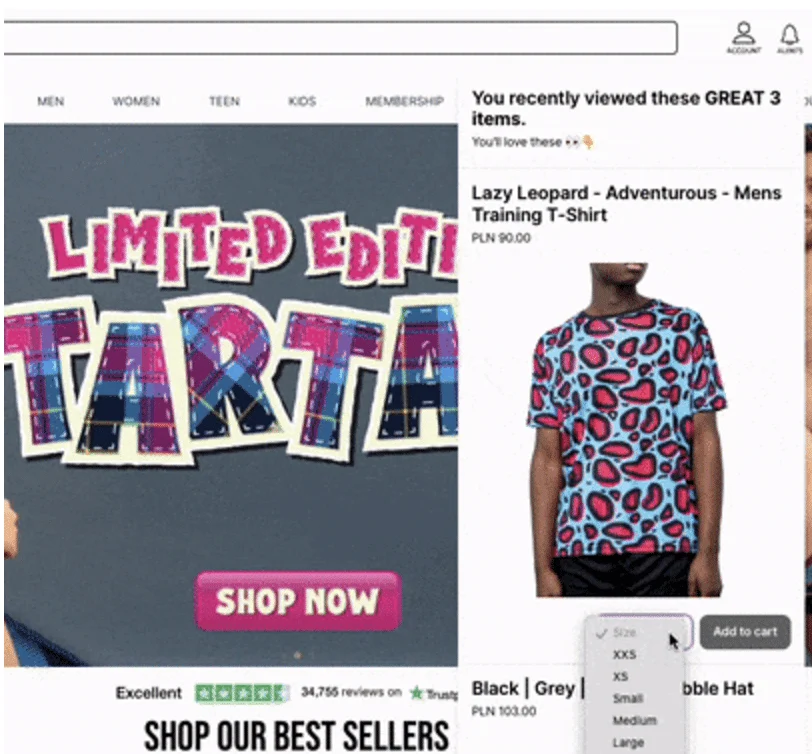
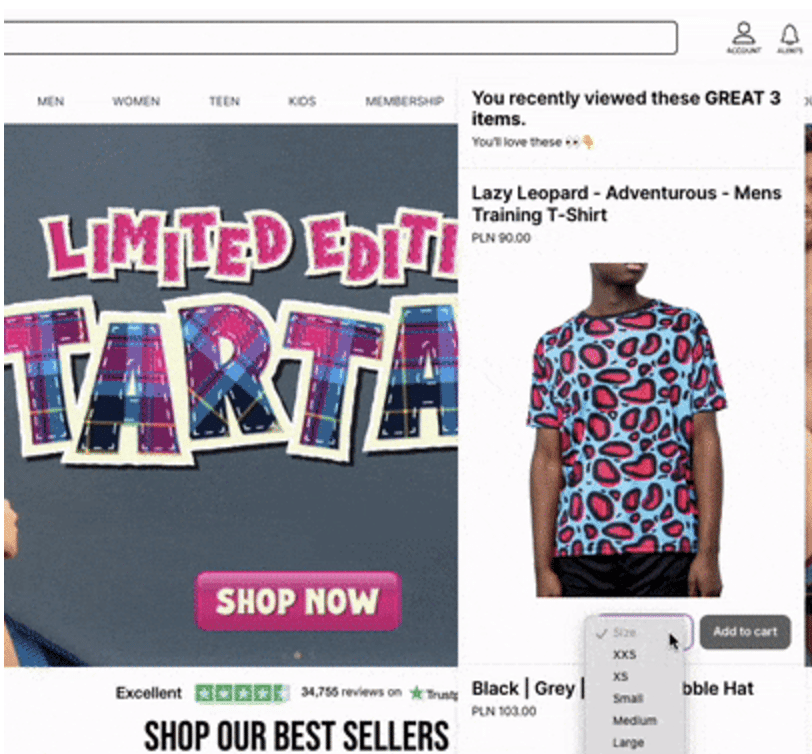
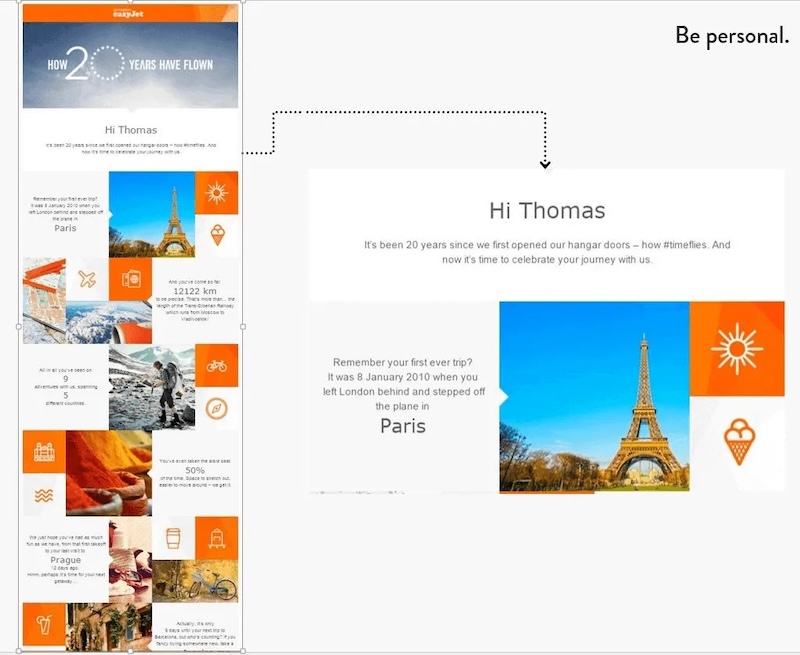
Personalization has moved beyond simply addressing a customer by their first name in an email. AI engines now analyze real-time behavior, including mouse movement, scroll depth, and past purchase history, to curate the entire website experience. For instance, the UK-based underwear brand OddBalls utilizes an AI-driven “Wishlist” feature. After a user views three products, the system triggers a targeted on-site notification with tailored recommendations. This level of relevance ensures that the user remains engaged, significantly reducing bounce rates.
2. Predictive Analytics and Propensity Modeling
Predictive analytics acts as a digital “crystal ball,” allowing businesses to forecast future actions based on historical data. Tools such as HubSpot and Pendo utilize machine learning to assign “propensity scores” to users. If the AI detects that a user’s behavior mirrors that of someone likely to abandon their shopping cart, it can preemptively trigger a personalized discount or a live chat invitation to address potential concerns before the user leaves the site.
3. AI-Driven Visual Analysis: Heatmaps and Eye-Tracking
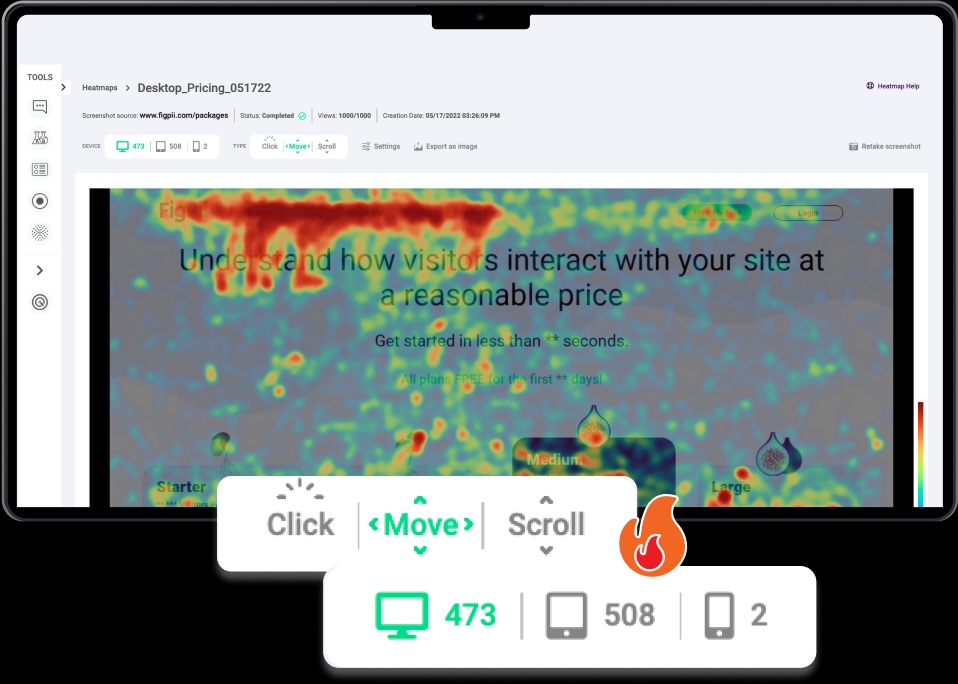
Traditional heatmaps show where users have clicked in the past. AI-enhanced heatmaps, such as those provided by FigPii or Crazy Egg, go further by using predictive eye-tracking algorithms. These tools can predict which areas of a new landing page will grab the most attention before the page even goes live. This allows designers to place high-value calls-to-action (CTAs) in “hot zones,” maximizing the probability of interaction from the first moment of launch.
Case Studies in AI Integration: Sephora, Stitch Fix, and Spotify
The practical application of these technologies is best observed through industry leaders who have successfully integrated AI into their conversion ecosystems.
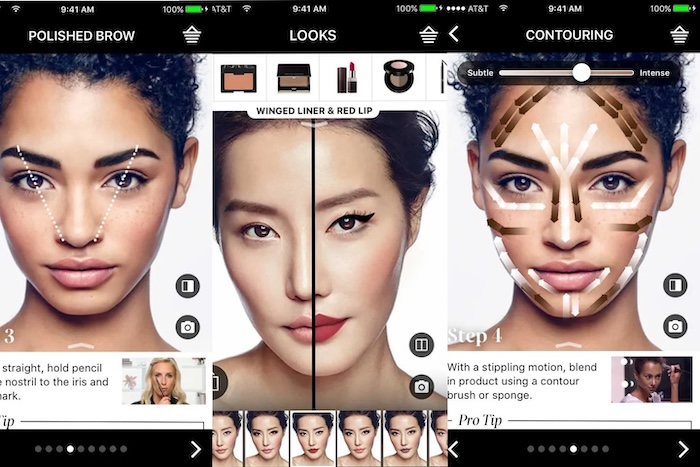
Sephora, a global leader in beauty retail, utilizes AI to bridge the gap between digital browsing and physical application. Their “Virtual Artist” tool uses augmented reality (AR) powered by AI to allow customers to “try on” makeup virtually. This reduces the primary friction point in online beauty sales—the uncertainty of how a product will look in reality—thereby increasing the confidence of the buyer and boosting conversion rates.
In the fashion sector, Stitch Fix has pioneered the use of the Outcome Cycle Model (OCM). By leveraging generative AI and deep learning, the company analyzes customer feedback and style preferences to curate personalized “Fixes.” This data-driven approach has redefined the traditional retail model, turning the act of shopping into a curated service where the AI acts as a personal stylist, significantly increasing the likelihood of purchase and retention.
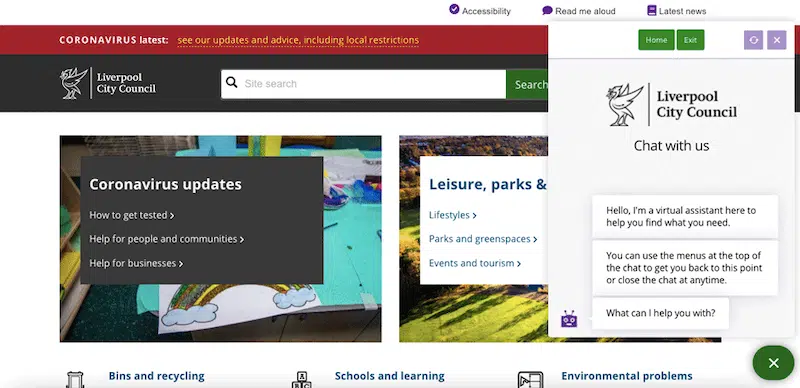
Even in the service and public sectors, AI is making inroads. Liverpool City Council implemented an AI-powered virtual assistant to handle queries regarding council tax and benefits. By using Natural Language Processing (NLP), the bot provides instant, human-like responses to complex questions. This has not only improved citizen satisfaction but has also streamlined the “conversion” of information seeking into successful task completion.
Supporting Data: The Economic Impact of AI in CRO
The financial justification for AI integration is supported by a growing body of industry data. According to research from McKinsey & Company, companies that excel at personalization generate 40% more revenue from those activities than average players. Furthermore, AI-driven optimization has been shown to reduce customer acquisition costs (CAC) by up to 50% while increasing marketing spend efficiency by 10% to 30%.
In the realm of A/B testing, AI-driven multi-armed bandit (MAB) testing allows businesses to divert traffic to the winning variation much faster than traditional frequentist or Bayesian methods. This “exploitation of the winner” ensures that revenue is not lost during the testing phase, a common drawback of older CRO methodologies.
Broader Implications and the Future of User Experience
As AI technology continues to evolve, the distinction between “marketing” and “customer service” is blurring. The future of CRO lies in “anticipatory design,” where the interface of a website changes dynamically based on the user’s intent. For example, a user arriving at a site with high “informational intent” might see a layout dominated by educational content and whitepapers, while a user with “transactional intent” would see a streamlined, one-click checkout interface.
However, this transition is not without its challenges. The heavy reliance on data necessitates a robust framework for privacy and ethics. With the tightening of GDPR and CCPA regulations, businesses must balance the desire for hyper-personalization with the necessity of data protection. The “data-driven culture” mentioned by industry experts involves not just the collection of data, but the responsible and transparent use of it to build trust.
Conclusion: The New Standard for Digital Competitiveness
The integration of Artificial Intelligence into Conversion Rate Optimization is no longer an optional luxury for high-growth enterprises; it is becoming a baseline requirement for digital survival. As consumer expectations for seamless, personalized, and intuitive experiences continue to rise, the manual methods of the past will increasingly fall short.
By leveraging AI to identify friction, predict behavior, and personalize interactions in real-time, businesses can move beyond the limitations of traditional analytics. The result is a more efficient sales funnel, a more satisfied customer base, and a significantly improved bottom line. The future of digital commerce is one where the website learns from the user as much as the user learns from the website, creating a symbiotic relationship that drives sustained growth in an increasingly competitive global market.







