

The rapid evolution of the Model Context Protocol (MCP) has introduced a transformative standard for how Large Language Models (LLMs) interact with external data sources and software tools. However, as organizations move from experimental AI use cases to production-grade automation, the inherent security risks and inconsistencies of granting LLMs direct access to MCP servers have become a primary concern for technical leads. The emergence of a structured methodology—leveraging the automation platform n8n and the MCP Proxy (MCPO) utility—is now being recognized as a critical framework for deploying secure, team-wide AI workflows. By converting raw MCP services into well-documented API endpoints, developers can strip away the unpredictability of autonomous agents while retaining the efficiency of automated A/B testing and experiment deployment.

The Evolution of Model Context Protocol and the Security Gap
The Model Context Protocol, pioneered by organizations like Anthropic, was designed to solve the fragmentation of AI tool-calling. Before MCP, every integration between an AI model and a third-party service required custom code and specific API handling. MCP standardized this, allowing a “server” to describe its tools to a “client” (like Claude or a coding assistant) in a way the model could immediately understand. While this standardization has accelerated the development of AI agents, it has simultaneously introduced a “keys to the kingdom” risk.
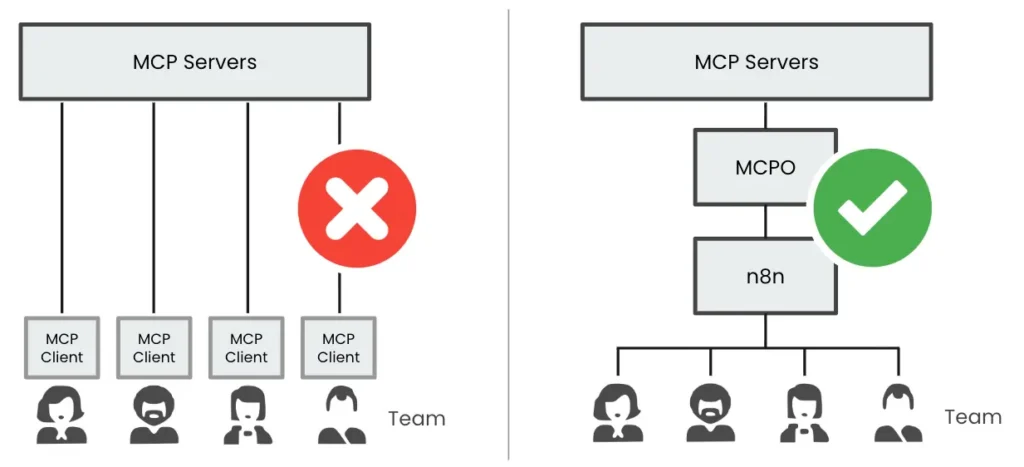
When an LLM is given direct access to an MCP server, it is essentially granted the power to execute functions, read databases, or modify files with minimal oversight. In a corporate environment, trusting a probabilistic model to decide when and how to use powerful administrative tools is often deemed too risky. Furthermore, the inconsistent nature of LLM outputs means that a task performed via a direct chat interface might yield different results each time. To solve this, technical experts are advocating for the transition from “Raw MCP” to “Structured MCPO Workflows,” where n8n acts as the orchestration layer that provides both security guardrails and process consistency.

Chronology of Technical Integration: From Manual to Automated
The shift toward this new architecture follows a specific chronological progression in the AI automation space. Initially, developers interacted with platforms like Convert.com for A/B testing through manual API calls or graphical user interfaces. The second phase arrived with the launch of the Convert MCP server, which allowed AI models to “understand” how to create experiments and variations autonomously. We have now entered the third phase: the systematization of these capabilities through MCPO and n8n.
The technical workflow begins with the installation of MCPO, an open-source bridge that transforms MCP servers into RESTful API endpoints. This is typically achieved using Docker Compose, which allows the service to run in a containerized environment. By defining the MCP clients within a configuration file, a team can centralize access. For instance, instead of every developer having their own local MCP configuration and API keys for a testing platform like Convert.com, the MCPO server acts as a single, secured gateway. This centralizes credential management and ensures that the LLM only interacts with specific, pre-authorized endpoints.
Technical Architecture and Data Processing Framework
The implementation of a secure n8n workflow follows a logical, multi-stage process designed to eliminate human error and ensure data integrity.
Phase 1: Controlled Ingestion
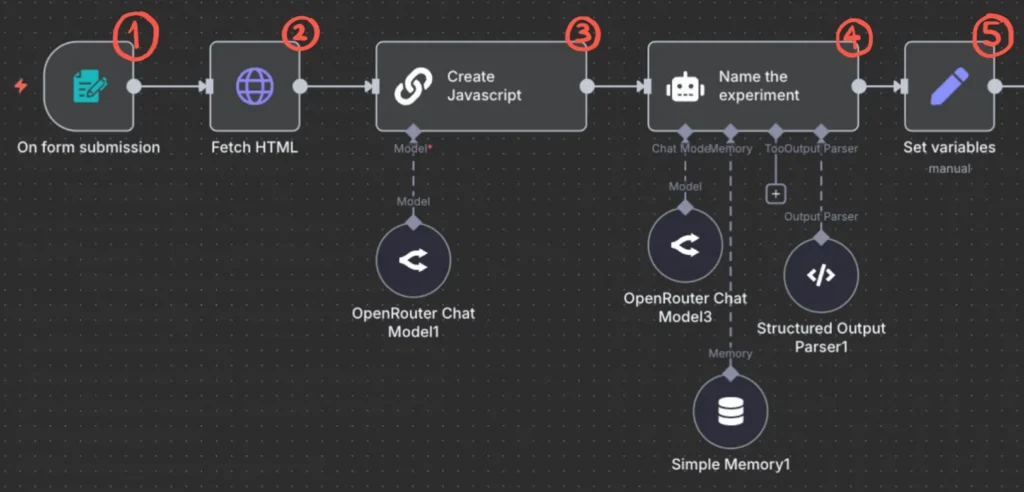
The workflow typically initiates through a structured input method, such as an n8n form or a specific webhook. Unlike a chat interface where a user might provide vague instructions, a form enforces a schema. In the context of A/B testing, this involves collecting the specific URL where a change is required and a clear description of the desired variation. This “defined input” stage is the first line of defense against the hallucinations often associated with unstructured AI prompts.
Phase 2: Information Enrichment
Once the input is received, the workflow performs automated data retrieval. Using n8n nodes, the system fetches the raw HTML of the target webpage. This step is crucial because it provides the necessary context for the LLM to generate accurate code. Rather than the model “guessing” the structure of a site, it is provided with the exact DOM (Document Object Model) structure it needs to manipulate.
Phase 3: Specialized LLM Logic
The enriched data is then passed to a Small Language Model (SLM). The industry is seeing a significant shift toward using SLMs for specific tasks like JavaScript generation. These models are not only more cost-efficient but, when given a narrow scope and a “developer” persona prompt, often produce more reliable code than their larger counterparts. The model processes the HTML and the change request to output a clean JavaScript snippet designed for an A/B test variation.
Phase 4: API Execution via MCPO
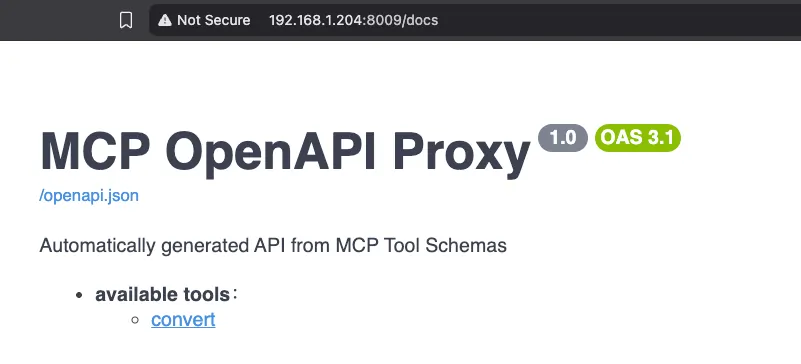
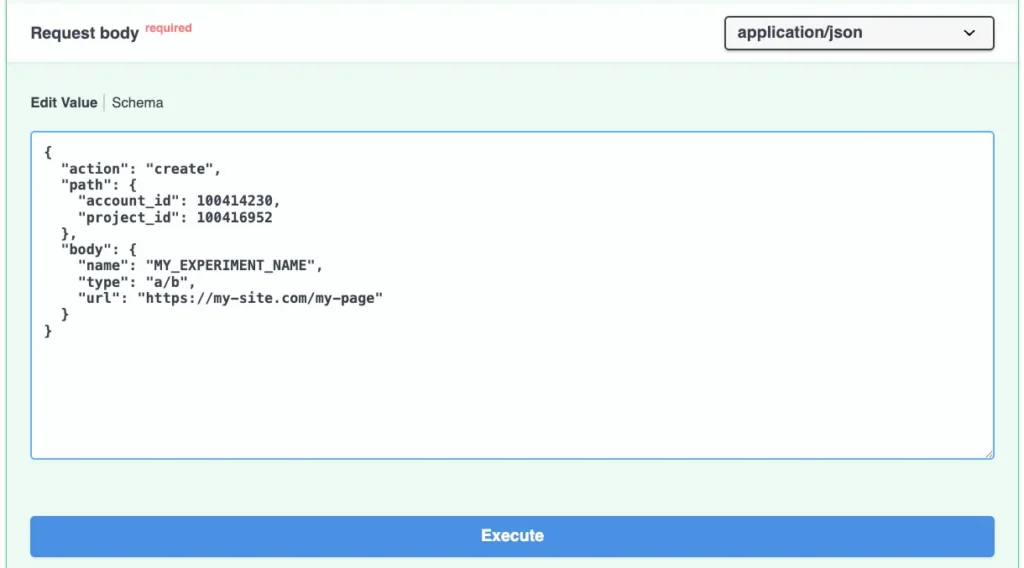
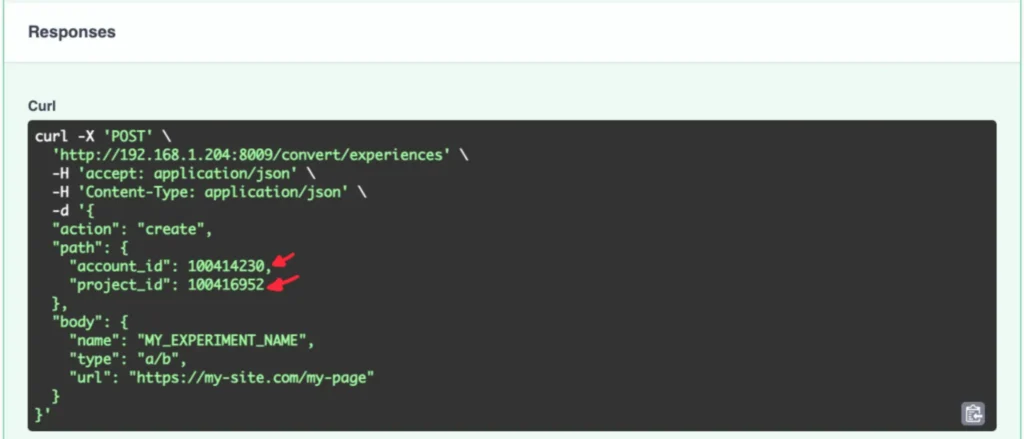
The final stage of the workflow involves the actual deployment of the experiment. This is where the MCPO bridge becomes vital. The n8n workflow sends an HTTP request to the MCPO service, which then translates that request into the specific MCP command required by the Convert.com server. By using the Swagger framework within MCPO, developers can test these API calls in a sandbox environment before they are ever executed in a live workflow.
Supporting Data: The Case for Small Models and Structured Automation
Market data indicates that the demand for AI automation is shifting from general-purpose assistants to “agentic workflows.” According to recent industry reports, companies that implement structured AI workflows see a 40% reduction in deployment errors compared to those using ad-hoc AI chat interfaces. Furthermore, the use of small, specialized models (under 10 billion parameters) for coding tasks has shown to be up to 80% cheaper than using flagship models like GPT-4 or Claude 3.5 Sonnet for the same repetitive tasks.
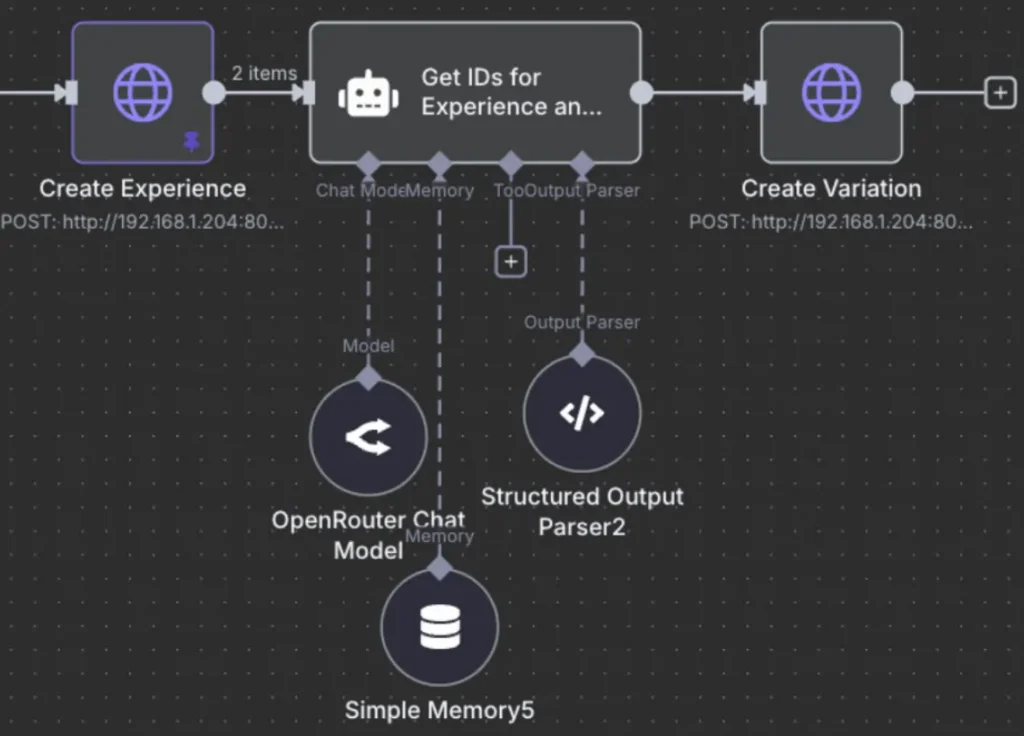
In the context of the Convert.com MCP server, the efficiency gains are measurable. A manual setup for an A/B test variation—including HTML analysis, JavaScript writing, and manual entry into a testing platform—can take an experienced developer 30 to 60 minutes. A structured n8n workflow utilizing MCPO can reduce this time to under two minutes, with the added benefit of enforcing organizational naming conventions and security protocols.
Official Responses and Technical Analysis
Technical consultants in the experimentation space emphasize that the “Human-in-the-Loop” model remains essential, but its role is changing. Iqbal Ali, an experimentation consultant and a leading voice in AI-driven testing, notes that the goal of using n8n and MCPO is to create an “optimized process” that the entire team can plug into without needing to understand the underlying complexity of the MCP protocol.
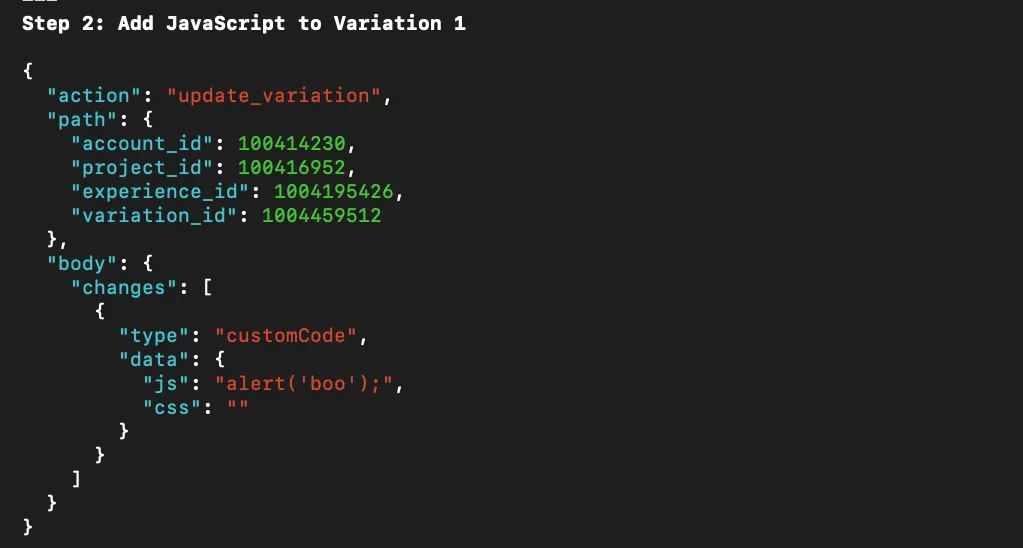
“When you give an LLM MCP access, you’re essentially handing it the tools to cause havoc and trusting that it won’t,” Ali stated regarding the risks of raw MCP. By moving to an MCPO-based architecture, organizations can “expose only the specific endpoints the LLM actually needs,” effectively mitigating the risk of unauthorized actions or unintended data exposure.
From a strategic perspective, this approach aligns with the “Security by Design” principle. By utilizing Docker to containerize the MCPO service and protecting it with dedicated API keys, the automation stack becomes an enterprise-grade asset rather than a fragmented set of local developer tools.
Broader Impact and Industry Implications
The implications of turning MCP into secure n8n workflows extend far beyond A/B testing. This methodology serves as a blueprint for the “API-fication” of all AI tools. As more SaaS providers release MCP servers, the ability to wrap these servers in a secure API layer and orchestrate them via low-code platforms like n8n will become a standard requirement for IT departments.
Furthermore, this trend is accelerating the democratization of technical tasks. In the past, creating a complex A/B test required a front-end developer. With a secured, AI-powered n8n workflow, a marketing manager or a product owner can initiate a test through a simple form, knowing that the generated code has been grounded in actual site HTML and deployed through a secure, pre-approved pipeline.
The transition toward these structured systems represents a maturation of the AI industry. The “wild west” era of autonomous agents with unrestricted tool access is giving way to a more disciplined approach where automation platforms provide the logic, MCP provides the connectivity, and humans provide the strategic oversight. As organizations continue to scale their AI operations, the combination of n8n and MCPO is likely to become a cornerstone of the modern enterprise AI stack, balancing the need for rapid innovation with the absolute necessity of security and reliability.







