


The global landscape of digital marketing is undergoing a fundamental transformation, shifting from a focus on raw acquisition to a more nuanced emphasis on Conversion Rate Optimization (CRO) and sustainable growth. In the 24th installment of the CRO Perspectives series, Mayowa Aderogbin, the Head of Business Marketing at Pierrine Consulting, provides an in-depth analysis of how businesses—particularly those operating within the unique socio-economic framework of Nigeria and the broader African continent—can leverage data, mindset, and technology to drive scalable results. Aderogbin, a seasoned expert in product marketing levers and Martech platforms such as HubSpot, Salesforce, and Google Tag Manager, argues that the most potent business ideas are born from firsthand experience rather than rigid theoretical frameworks.
The Converging Realities of B2B and B2C Experiences
Traditionally, the marketing industry has maintained a strict dichotomy between Business-to-Consumer (B2C) and Business-to-Business (B2B) strategies. B2C was viewed as the realm of emotional engagement and rapid transactions, while B2B was seen as a cold, rational world of ROI and long-term integrations. However, Aderogbin observes a significant "consumerization" of the B2B space. Today’s B2B buyers, influenced by their personal experiences with intuitive B2C platforms, now demand the same level of seamless design and instant gratification in professional software.
While B2B continues to prioritize value delivery and ROI clarity, the expectation for user-centricity has become a primary differentiator. As functional integrations become standardized across industries, the user experience (UX) becomes the new frontier for competition. Aderogbin posits that B2B products must now do more than just solve a technical problem; they must engage the user through intuitive interfaces and data-driven iterations. This shift necessitates a move away from purely transactional functions toward experience-led propositions that respect the user’s time and cognitive load.

Navigating the Non-Linear Path to Growth
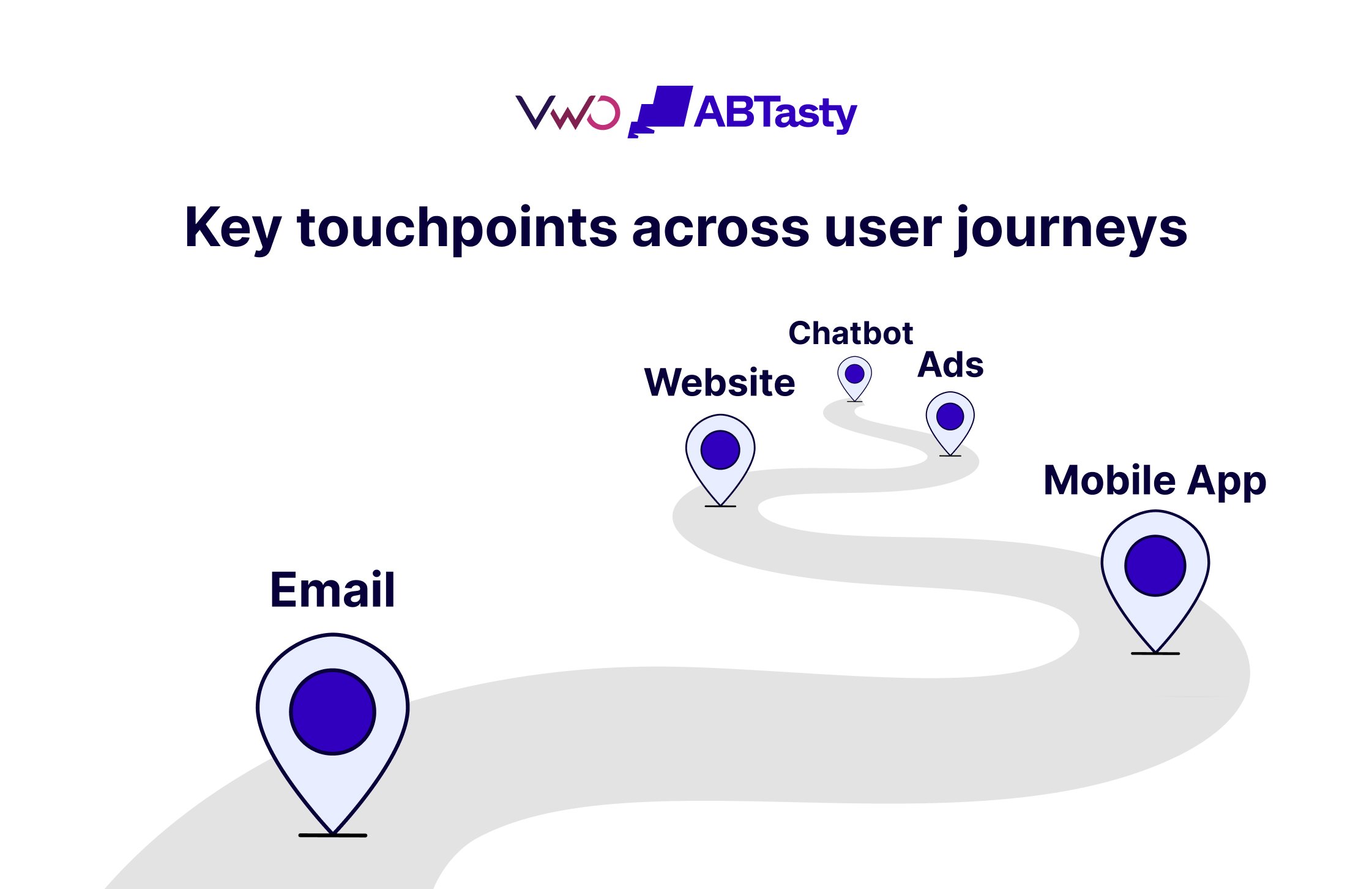
Modern consumer behavior is no longer a straight line from awareness to purchase. Instead, it is a "messy middle" characterized by a hydra-headed journey across multiple devices and touchpoints. Aderogbin emphasizes that growth teams must move away from idealized funnel models and instead build unified data lakes capable of tracking cross-device behavior. The challenge, however, lies in the complexity of modern Martech.
To combat the paralysis often caused by "over-teching," Aderogbin suggests a lean approach to data infrastructure. Rather than attempting to integrate every available data point, teams should focus on high-value sources: website analytics, CRM data, and sales outcomes. By utilizing low-cost cloud tools and establishing rigorous data governance—such as consistent naming conventions and clear ownership—companies can remain nimble. This agility is crucial for implementing retargeting experiments and behavioral nudges that account for the non-linear nature of the buyer’s journey.
At Pierrine Consulting, this philosophy was put to the test. The team experimented with adding social proof and urgency to lead magnet landing pages, moving testimonials to more prominent positions and introducing deadline-based offers. While these tactics are common, Aderogbin noted that in the consulting and knowledge sector, the quality of the resource itself remains the primary driver of conversion. Furthermore, data analysis revealed that the corporate homepage was a major entry point for traffic. By transforming the homepage into an "insight hub" rather than a static information page, the firm saw a 20% increase in conversion rates for user journeys originating from the homepage.
Integrating CRO with Performance Marketing for Sustainable ROI
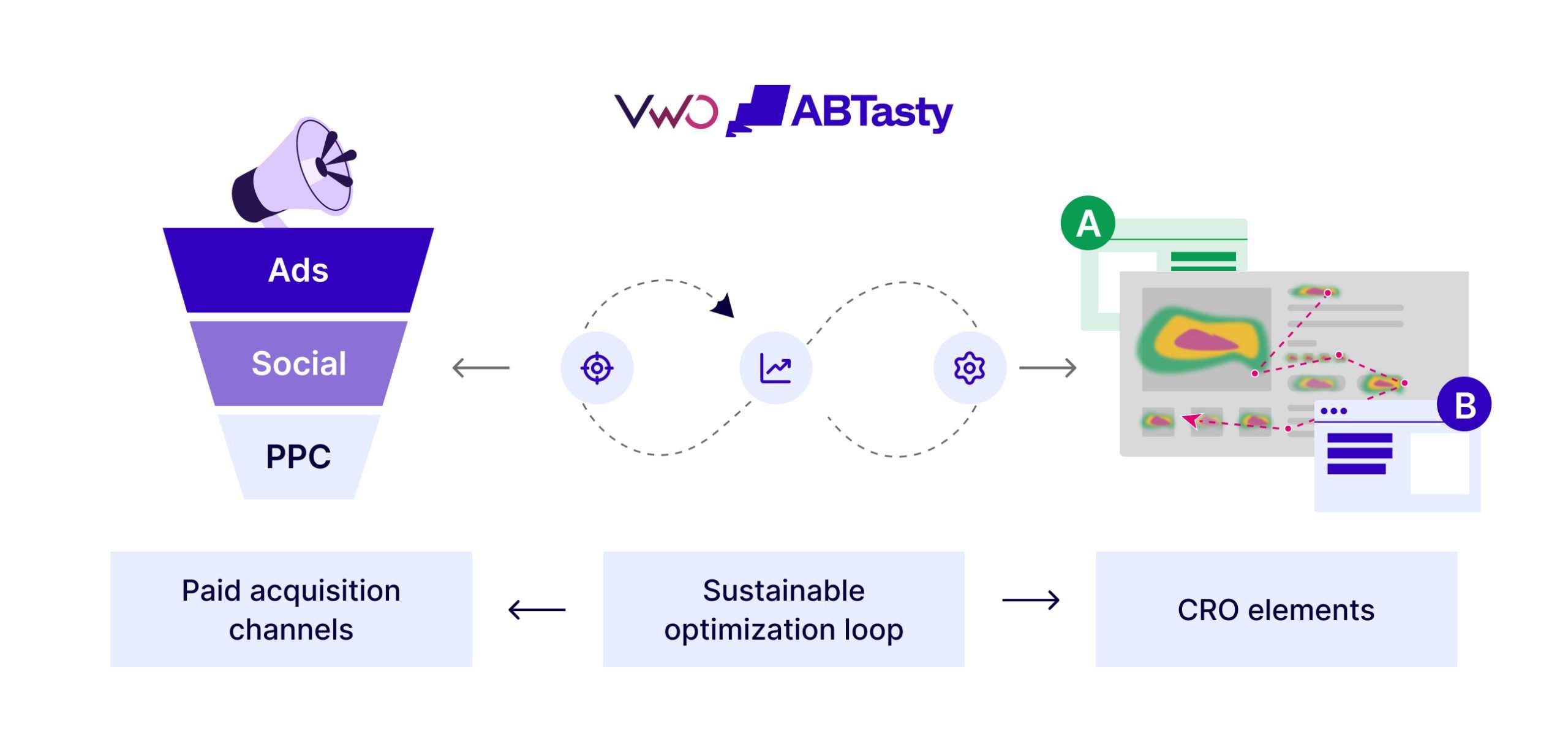
A critical point of failure for many marketing organizations is the siloed nature of performance marketing and CRO. Aderogbin advocates for a paradigm shift where performance marketing moves beyond "quick wins" that require constant ad spend to survive. Instead, he proposes a model where targeted advertising and Account-Based Marketing (ABM) are enriched with UX testing and persona-informed content.

This integrated approach aims to reduce the long-term reliance on paid media by ensuring that once a lead is acquired, the conversion path is optimized to the highest degree. Aderogbin insists that performance marketing functions must have a permanent seat at the business development table. Without accountability for lead quality and commercial outcomes—often discussed in Sales Action Review meetings—the optimization cycle remains incomplete. At Pierrine, this synergy between the performance team (identifying high-intent traffic) and the CRO team (refining copywriting and CTAs) led to a significant increase in Sales Qualified Leads (SQLs), proving that the quality of traffic is just as important as the volume.
The Synergy of Market and User Research
To build a truly experiment-driven engine, organizations must understand the distinction and the relationship between market research and user research. Aderogbin defines market research as the "what"—the identification of broad trends and demographic shifts. User research, conversely, provides the "why"—the underlying psychological drivers of behavior.
For instance, while market trends might show an increased demand for convenience among younger demographics like Gen Z, user research might reveal a simultaneous "health guilt" or a desire for social signaling. In the African context, where data infrastructure can be sparse and fragmented, combining these two research types is essential for ensuring that business decisions are locally grounded. Relying on global assumptions often leads to failure in African markets, where cultural nuances dictate everything from pricing sensitivity to delivery expectations.
Overcoming the "Luxury" Perception of Experimentation in Africa
In many emerging markets, experimentation is frequently dismissed as a "luxury" reserved for Silicon Valley giants with bottomless budgets. Aderogbin identifies several structural barriers to adoption in Africa, including a lack of unified data systems, a shortage of specialized talent, and an overreliance on "HiPPOs" (Highest Paid Person’s Opinions).
To overcome these hurdles, Aderogbin suggests reframing experimentation as a "risk mitigation tool." By testing small before scaling, companies can avoid costly mistakes in a high-stakes environment. He also calls for the development of more Africa-based case studies to provide local proof of concept. The ability to handle "unpleasant" results with grit and diplomacy is a critical skill for growth professionals. Treating failure as fuel rather than a setback allows teams to maintain stakeholder trust while refining their strategies.
The Role of Artificial Intelligence in Modern Testing
Artificial Intelligence is no longer a futuristic concept but an active "co-pilot" in the experimentation process. Aderogbin utilizes AI to accelerate insight generation from large volumes of user feedback and behavioral data. While he remains cautious about using AI for the "creative" side of marketing—preferring outputs to remain "thoroughly human"—he leans heavily into AI for its analytical capabilities.
AI-driven predictive journey modeling and sentiment analysis allow for real-time personalization at scale. In the future, Aderogbin predicts that experimentation will become a continuous, passive background process where multivariate tests run autonomously to optimize the user experience. This shift will allow human marketers to focus on high-level strategy while the "unpaid intern" of AI handles the heavy lifting of data processing.
Regional Nuances: Testing in the Most Heterogeneous Continent
Africa is described by Aderogbin as the most heterogeneous place on earth per square mile. This diversity means that a strategy successful in Lagos may fail in Nairobi or Accra. He highlights three specific nuances essential for testing in African markets:
- Mobile-First Reality: Most users interact with brands exclusively via mobile devices, often with varying levels of connectivity.
- Trust Deficits: In many regions, there is a historical lack of trust in digital transactions, making social proof and security signals even more vital.
- Infrastructure Constraints: High data costs and fragmented payment systems require experiments that focus on efficiency and simplicity.
Career Reflections: Depth Over Width
Reflecting on his career journey, Aderogbin concludes that "depth beats width." In an era of vanity metrics and flamboyant acronyms, he argues that a campaign speaking deeply to 1,000 the right people is far more valuable than a viral post seen by 100,000 passersby. This focus on precision and empathy is particularly relevant in Africa, where attention is fragmented and data is expensive.
By prioritizing long-term brand equity over short-term spikes, Aderogbin has reshaped how Pierrine Consulting approaches go-to-market strategies. His insights suggest that the future of growth marketing lies not in the complexity of the tools used, but in the clarity of the mindset applied. For businesses looking to scale in 2024 and beyond, the message is clear: simplify the tech, trust the data, and never stop experimenting.
The broader implication of Aderogbin’s work is that as the African tech ecosystem matures, the adoption of rigorous CRO and experimentation frameworks will become the primary differentiator between companies that survive and those that lead. As digital economies across the continent continue to grow, the demand for tech-enabled, data-driven marketing engines will only intensify, placing experts like Aderogbin at the forefront of this industrial shift.







