
 rifanmuazin
The global digital experience analytics market, valued at approximately $12 billion in 2023 and projected to grow at a compound annual growth rate (CAGR) of over 15% through 2030, has become the primary battleground for brands seeking to minimize churn and maximize conversion rates. Within this competitive ecosystem, two platforms—Crazy Egg and Contentsquare—have emerged as dominant forces, though they occupy distinctly different niches in the market. While Crazy Egg has maintained its position as a streamlined, high-utility tool for small-to-medium businesses (SMBs) and agile marketing teams, Contentsquare has aggressively expanded through high-profile acquisitions to become an enterprise-grade powerhouse. This report examines the technical capabilities, economic structures, and strategic positioning of both platforms to provide a definitive guide for digital stakeholders.
Historical Evolution and Market Positioning
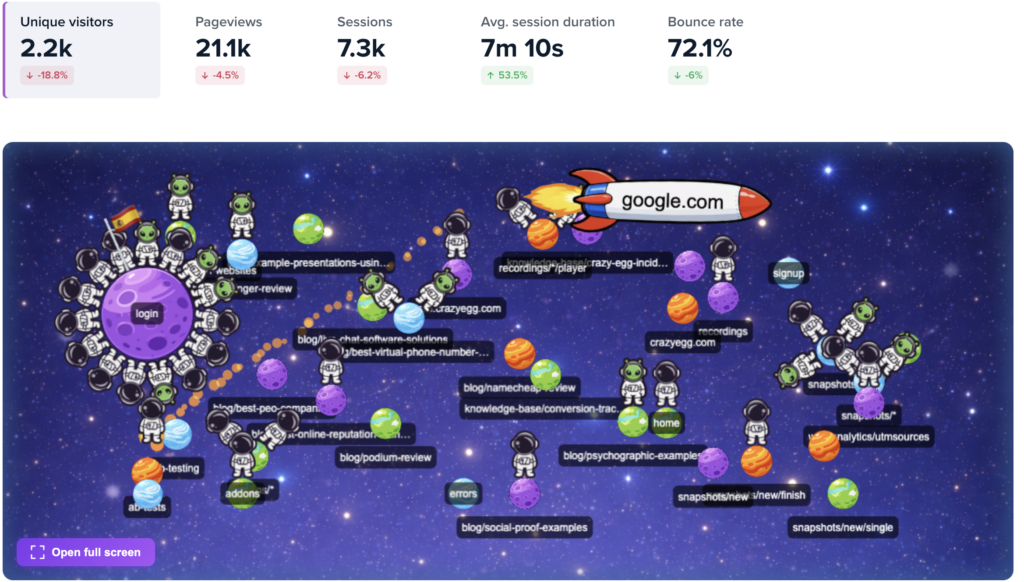
The trajectory of these two companies reflects the broader evolution of the “Conversion Rate Optimization” (CRO) industry. Crazy Egg, co-founded in 2006 by Neil Patel and Hiten Shah, was a pioneer in the heatmap space. It was one of the first tools to make complex visitor behavior visual and accessible to non-analysts. For nearly two decades, Crazy Egg has focused on vertical integration, steadily adding A/B testing, surveys, and error tracking to its core heatmap offering, all while maintaining a transparent, low-friction pricing model.
In contrast, Contentsquare, founded in Paris in 2012, has followed a path of rapid capital infusion and aggressive consolidation. The company’s strategic pivots are marked by two landmark acquisitions: the 2021 purchase of Hotjar to capture the mid-market segment and the 2023 acquisition of Heap to integrate sophisticated product analytics. Today, Contentsquare operates as a multi-tiered platform where the lower tiers are essentially rebranded Hotjar technology, while the “Pro” and “Enterprise” tiers represent the original Clicktale-inspired high-end analytics engine. This dual-identity approach allows Contentsquare to compete across the entire market spectrum, though it introduces significant complexity in its pricing and product architecture.
Technical Analysis of Core Features
Heatmapping and Behavioral Visualization
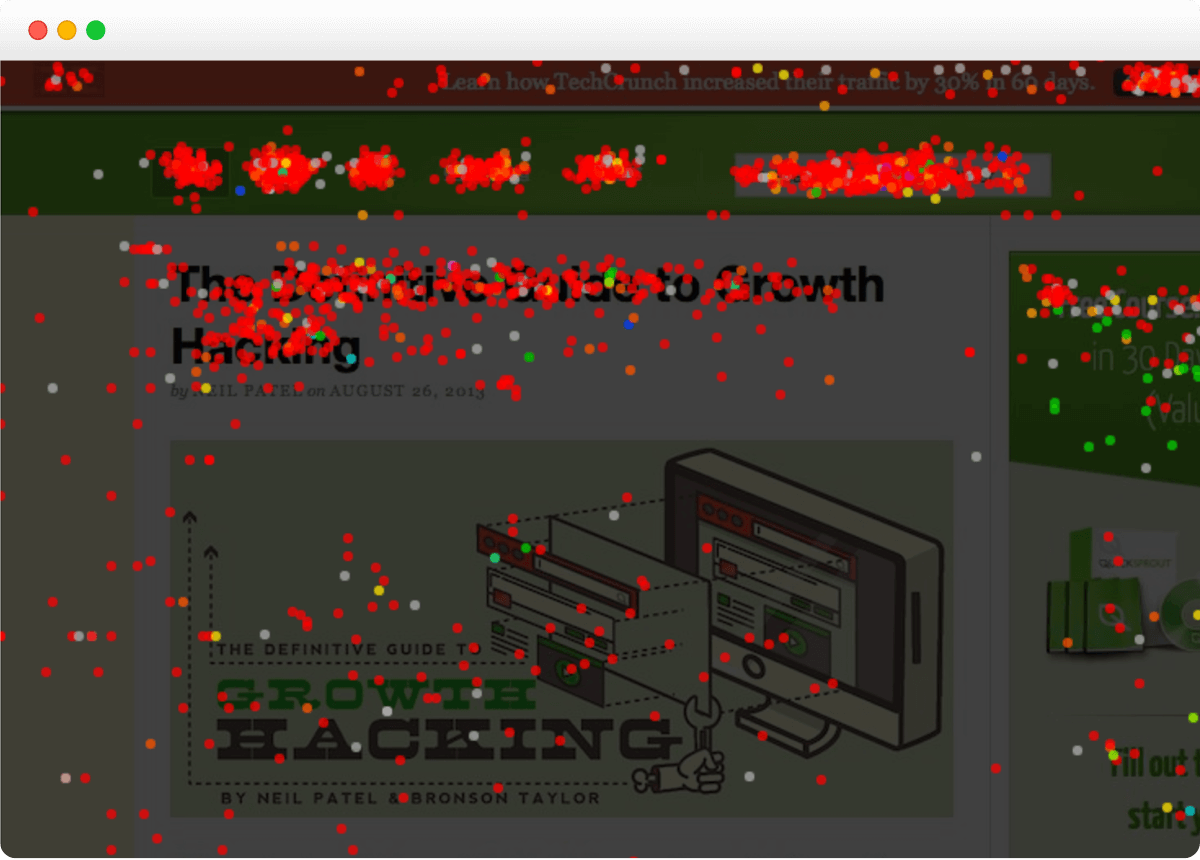
The primary differentiator between the two platforms lies in their approach to data visualization. Crazy Egg utilizes a proprietary “Confetti Map” system. Unlike standard heatmaps that show a general blur of activity, Confetti Maps allow users to segment every individual click by over 20 variables, including referral source, search terms, and visitor geography. This level of granularity enables marketers to see, for instance, how users arriving from a specific LinkedIn campaign interact with a landing page differently than those arriving from organic search.
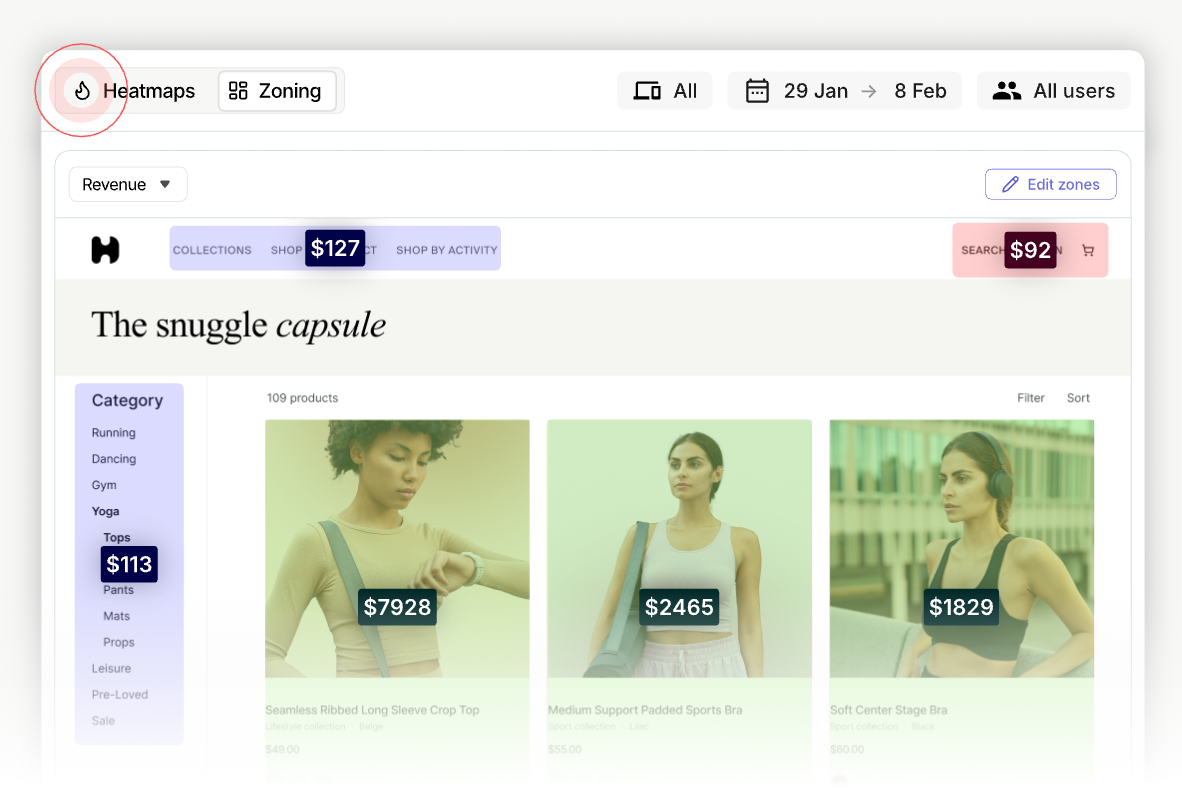
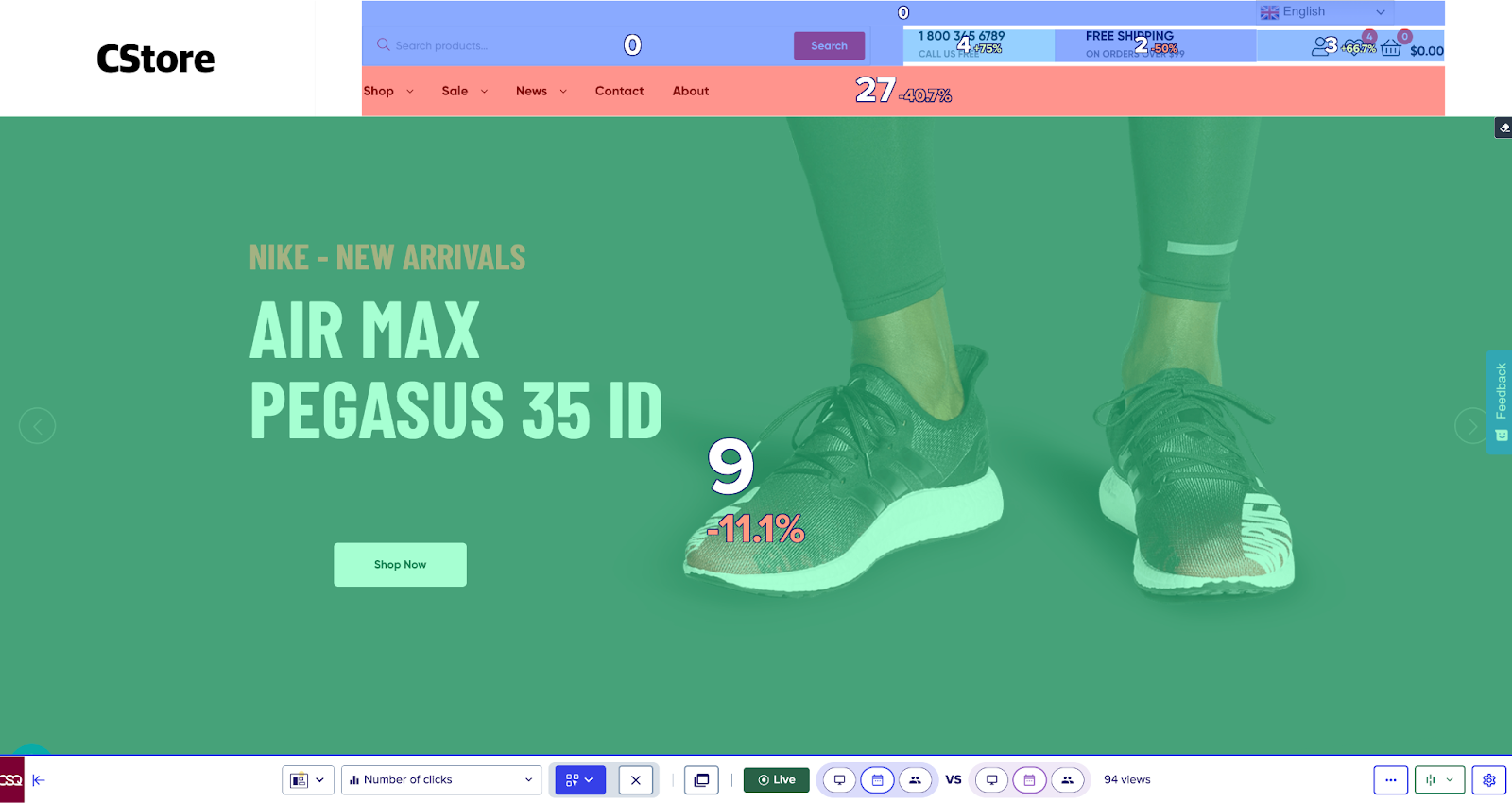
Contentsquare’s technical signature is “Zone-Based Heatmapping.” Rather than focusing solely on individual clicks, the platform allows users to draw zones around specific UI elements to measure engagement, conversion, and—crucially for e-commerce—revenue. This “Revenue Attribution” per element is a high-end feature that justifies Contentsquare’s enterprise pricing, as it allows digital merchandisers to see exactly how much money a specific hero banner or “Add to Cart” button generated in a given period.

Session Replay and Data Retention Policies
Session recordings are vital for diagnosing “rage clicks” and navigation friction. Crazy Egg offers a significant advantage in data longevity, providing retention periods ranging from six months to two years. For businesses with long sales cycles or seasonal peaks (such as holiday retail), this historical data is essential for year-over-year comparisons. Furthermore, Crazy Egg allows for “Per-Page Sampling,” giving teams the ability to record 100% of checkout sessions while only sampling 10% of blog traffic, thereby optimizing their data budget.
Contentsquare’s session replay capabilities are technically robust, featuring advanced filters and AI-generated summaries. However, the platform utilizes a more restrictive retention model, with a default window of 30 to 90 days. While extensions are available for enterprise clients, they often come at a premium cost. Contentsquare also differentiates between “sessions” and “replays,” capping the latter at a percentage of the former, which requires users to be more selective about which interactions they choose to visualize.
The Full-Stack vs. Modular Approach
The strategic divide between these platforms is most evident in their product bundling. Crazy Egg has adopted a “Full-Stack” philosophy. A single subscription includes:
- A/B Testing: A native visual editor and multi-armed bandit algorithms that automatically shift traffic to winning variants.
- Surveys: Unlimited responses and AI sentiment analysis included at no extra cost.
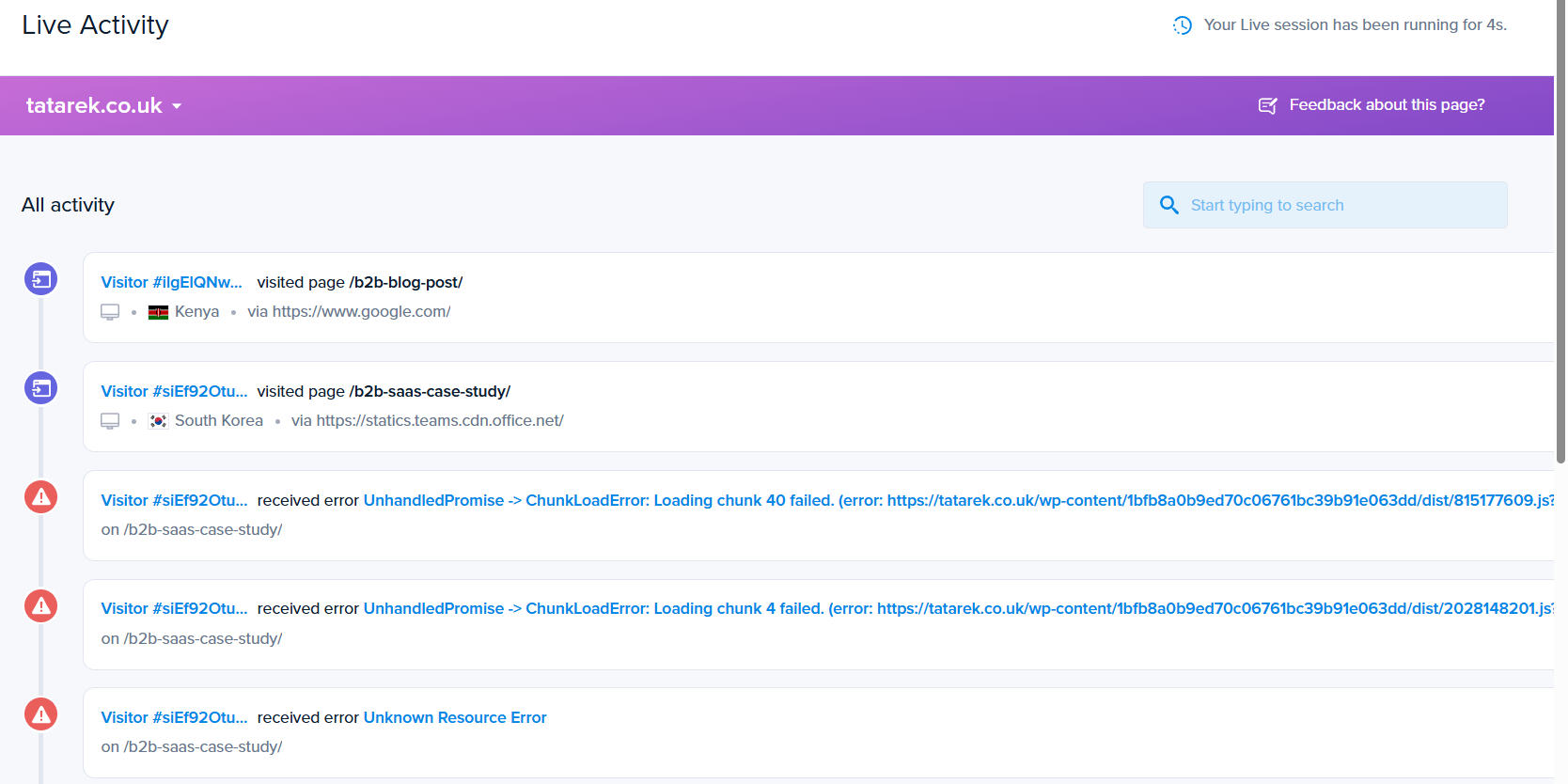
- Error Tracking: JavaScript error capture linked directly to session recordings for immediate debugging.
Contentsquare, conversely, operates on a modular “Add-On” model. While its “Experience Analytics” engine is world-class, several essential CRO tools are sold as separate products. For example, “Voice of Customer” (surveys) and “Error Analysis” (advanced technical debugging) often require separate subscriptions. Most notably, Contentsquare does not offer native A/B testing; instead, it provides “A/B Test Analysis” connectors that require the user to maintain a separate subscription to third-party tools like Optimizely or Adobe Target.
Economic Analysis and Transparency
The pricing models of these two companies represent two different eras of SaaS business strategy. Crazy Egg adheres to a transparent, self-service model with monthly tiers ranging from $29 to $599. This allows organizations to scale their usage without the need for lengthy sales negotiations or “black box” quotes.
Contentsquare’s enterprise tiers (Pro and Enterprise) operate on a sales-led model where annual contracts can range from $30,000 to over $500,000, according to industry benchmarks from procurement platforms like Vendr. While the “Growth” tier starts at $40 per month, the total cost of ownership (TCO) quickly escalates when adding survey modules (~$79+/mo) and product analytics extensions. Industry analysts suggest that Contentsquare’s high price point is justified by its “Journey Analysis” sunburst charts and mobile app parity—features that are indispensable for Fortune 500 companies but may represent “over-tooling” for smaller firms.

Strategic Implications and AI Integration
Artificial Intelligence has become the new frontier for both platforms. Crazy Egg has integrated AI to provide “Top Insights,” which automatically flags sessions where users encountered friction or showed high intent. It also offers an “Export to AI” feature, allowing users to send raw heatmap data to Large Language Models (LLMs) like ChatGPT or Gemini for custom analysis.
Contentsquare has invested heavily in “Sense,” an AI engine that provides natural language querying (Sense Chat) and automated struggle detection. The “Sense Analyst” feature acts as a virtual data scientist, proactively alerting teams to anomalies in the user journey. While Contentsquare’s AI is arguably more sophisticated, it is also more heavily gated, with many of the most impactful features reserved for the highest pricing tiers or sold as premium add-ons.

Broader Impact on the Digital Ecosystem
The competition between Crazy Egg and Contentsquare highlights a growing trend in the tech industry: the “Democratization of Data” versus the “Institutionalization of Analytics.” Crazy Egg empowers the “T-shaped” marketer—a professional who needs to handle SEO, content, and CRO simultaneously without a dedicated analyst. Its low barrier to entry and bundled toolset reduce the “toggle tax” (the time lost switching between different software applications).
Contentsquare, meanwhile, serves the “Center of Excellence” model found in large corporations. It provides the depth of data required by dedicated UX researchers and data scientists who need to export information to data warehouses like Snowflake or BigQuery. The platform’s ability to track users across web and native mobile apps (iOS/Android) provides a “Single Source of Truth” that smaller tools cannot match.
Final Assessment
For organizations making a procurement decision, the choice depends on the scale of the digital operation and the structure of the team.
Choose Crazy Egg if:
The objective is a rapid, cost-effective improvement of conversion rates through a unified toolkit. It is the superior choice for SMBs, marketing agencies, and growth hackers who require A/B testing, heatmaps, and surveys under a single, transparent price point. Its long data retention and ease of setup make it ideal for teams that need to move fast without a six-figure budget.
Choose Contentsquare if:
The organization is an enterprise with a complex digital footprint, including high-traffic mobile apps and a dedicated analytics department. It is the necessary choice for teams that require “Journey Analysis” to understand multi-session flows and for those who need to quantify the exact revenue impact of every pixel on a page. Users must be prepared for a significant financial investment and the potential need for third-party integrations for A/B testing.
As the digital landscape becomes increasingly crowded, the ability to understand and react to visitor behavior is no longer a luxury but a requirement for survival. Both Crazy Egg and Contentsquare provide the “eyes” necessary to see into the digital dark, though they offer very different lenses through which to view the data.








