Azzam Bilal Chamdy

The landscape of digital advertising and data privacy has undergone a seismic shift over the last three years, driven by a combination of regulatory changes and browser-level restrictions. As third-party cookies face obsolescence and privacy frameworks such as the General Data Protection Regulation (GDPR) and the California Consumer Privacy Act (CCPA) become more stringent, the burden of data accuracy has shifted from the platform to the advertiser. In this environment, basic tracking implementations—which rely on client-side scripts—are increasingly insufficient for providing the high-fidelity data required for modern machine-learning algorithms used by platforms like Meta, Google, and TikTok. To address these challenges, server-side tracking solutions such as Tracklution have emerged as the industry standard for maintaining attribution integrity.

While many agencies and internal marketing teams have adopted server-side tracking, a significant gap remains between a functional setup and an optimized one. A standard installation typically involves deploying a WordPress plugin, a Shopify app, or a Google Tag Manager (GTM) container. However, without specific technical refinements, these installations often suffer from signal loss, short-lived cookies, and poor match rates. The following analysis explores three critical optimizations—first-party mode, advanced consent tracking, and enhanced conversion data—that transform raw data collection into a robust, platform-trusted attribution system.
The Evolution of Digital Measurement: A Brief Chronology
The necessity for advanced server-side optimization is rooted in a timeline of privacy-centric updates. In 2017, Apple introduced Intelligent Tracking Prevention (ITP) for Safari, which began placing strict limits on the lifespan of first-party cookies and blocked third-party cookies entirely. This was followed by the 2021 release of iOS 14.5, which introduced the App Tracking Transparency (ATT) framework, allowing users to opt out of tracking at the system level.
By 2023, industry data suggested that nearly 40% of web traffic was subject to some form of tracking prevention or ad-blocking technology. For advertisers, this resulted in "signal loss," where conversions occurred but could not be attributed to specific ad campaigns. Server-side tracking via Tracklution provides a bridge over this gap by moving the data collection process from the user’s browser to a secure server environment. However, to fully circumvent browser-level restrictions, specific configurations are required to ensure the data is recognized as "first-party."
Strategic Optimization I: Establishing First-Party Data Sovereignty
The most immediate technical upgrade for any server-side tracking environment is the activation of First-Party Mode. In a standard tracking setup, data is often sent to a third-party domain (e.g., tracklution.com). Modern browsers, particularly those utilizing WebKit or Chromium engines, identify these requests as third-party tracking and may block them or truncate the associated cookies to a 24-hour or seven-day window.
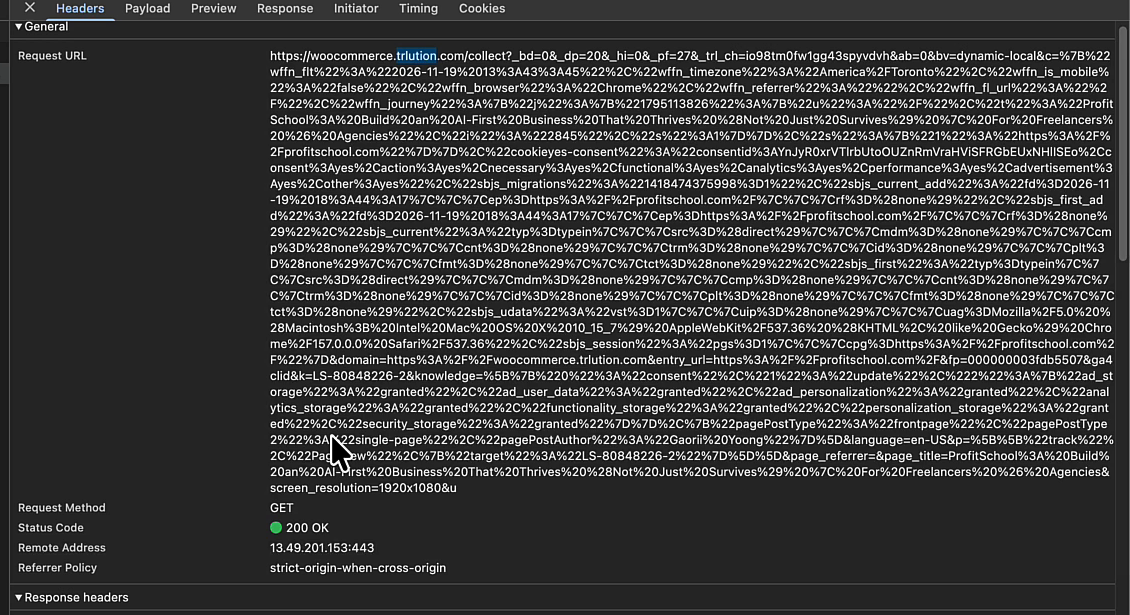
By implementing First-Party Mode, an advertiser configures their tracking to occur on a subdomain of their own primary domain (e.g., track.clientwebsite.com). This signals to the browser that the data collection is a primary function of the site itself rather than a third-party intrusion.
Technical Implementation and DNS Configuration
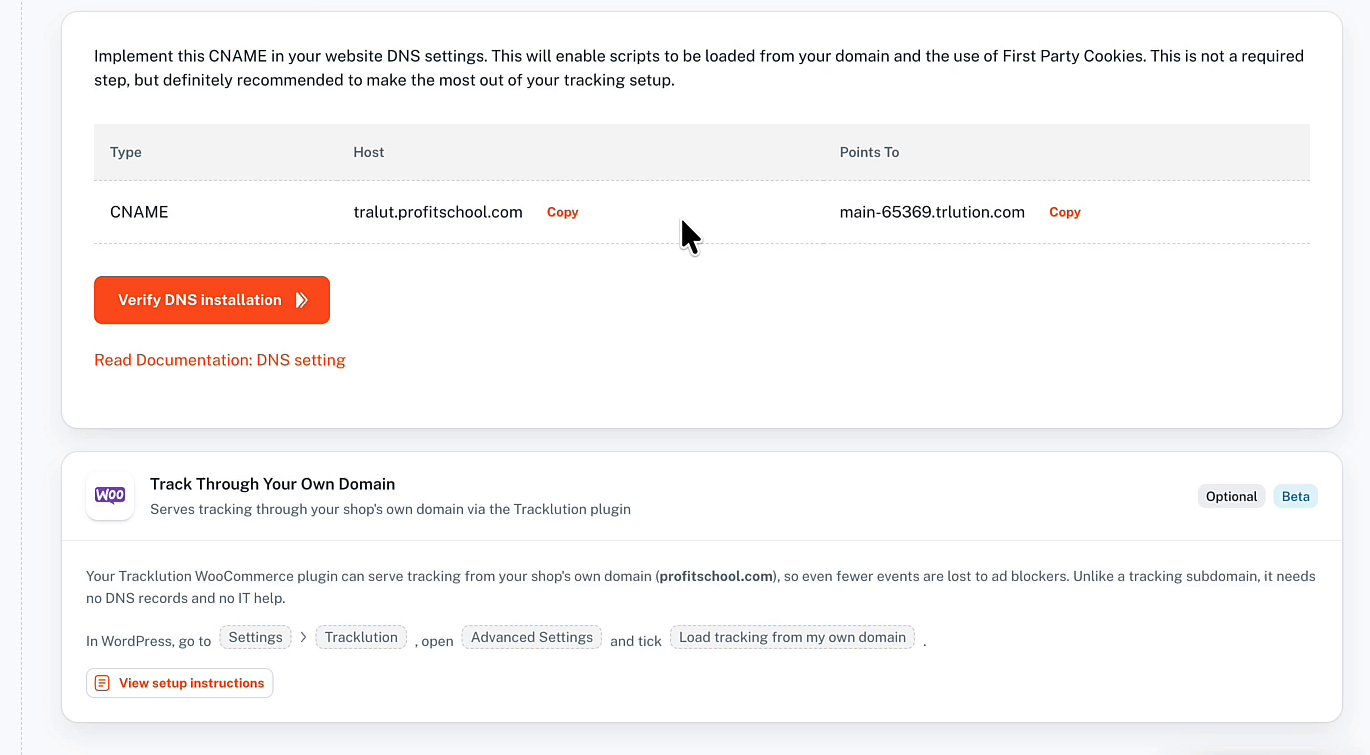
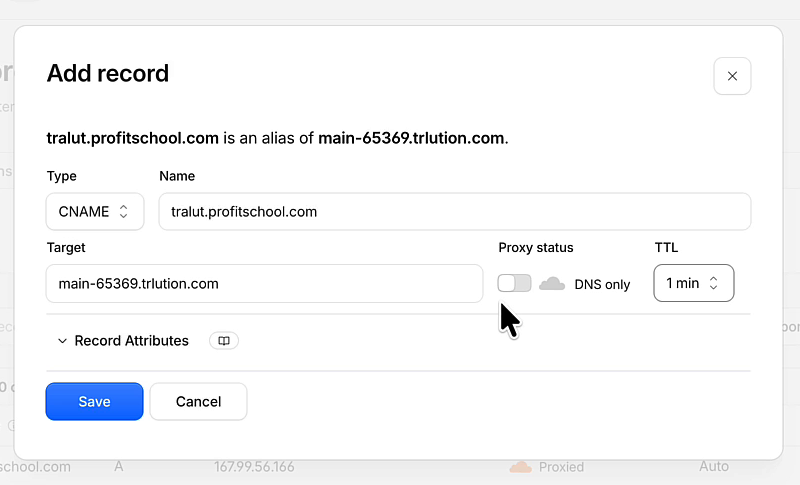
The transition to First-Party Mode requires the configuration of Canonical Name (CNAME) records within a Domain Name System (DNS) provider, such as Cloudflare or Amazon Route 53. The process involves mapping a specific tracking hostname to a DNS target provided by the server-side platform. Once the CNAME record is established, the tracking platform must issue an SSL certificate for the new subdomain to ensure all data transmissions are encrypted and secure.
Industry analysis indicates that moving from third-party to first-party tracking can extend cookie durability from seven days to up to two years in some browser environments. This longevity is critical for businesses with long sales cycles, where a user may click an ad on day one but not convert until day 30. Without first-party durability, that conversion would be recorded as "organic," depriving the ad platform of the data needed to optimize its bidding strategies.
Strategic Optimization II: Advanced Consent Tracking and Compliance
As global privacy laws evolve, the "all-or-nothing" approach to tracking has become a liability. Traditionally, basic consent tracking involves halting all tags until a user clicks "Accept" on a consent banner. While compliant, this method leads to a total loss of data for users who ignore the banner or click "Reject," even if those users interact with the site in ways that could be modeled anonymously.
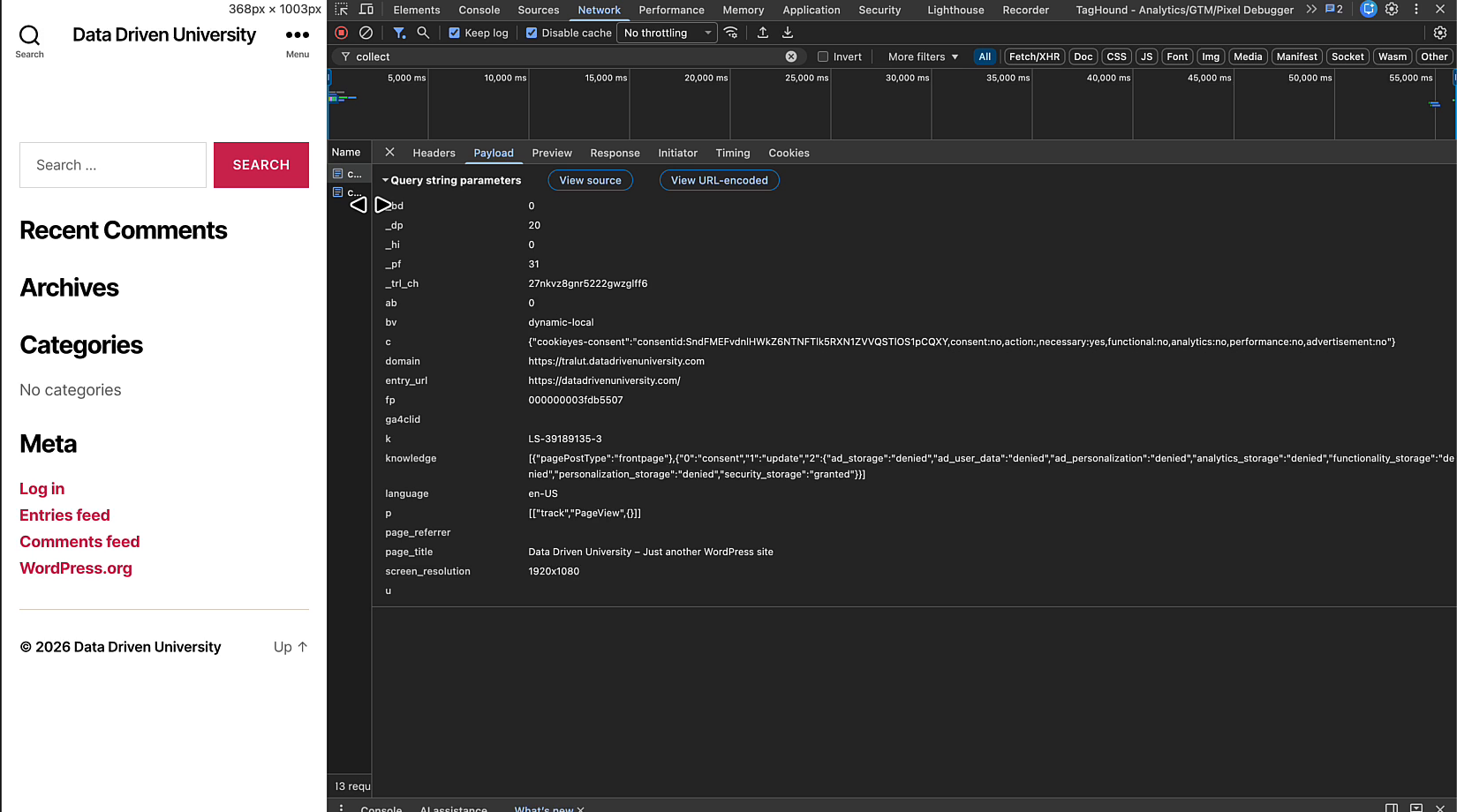
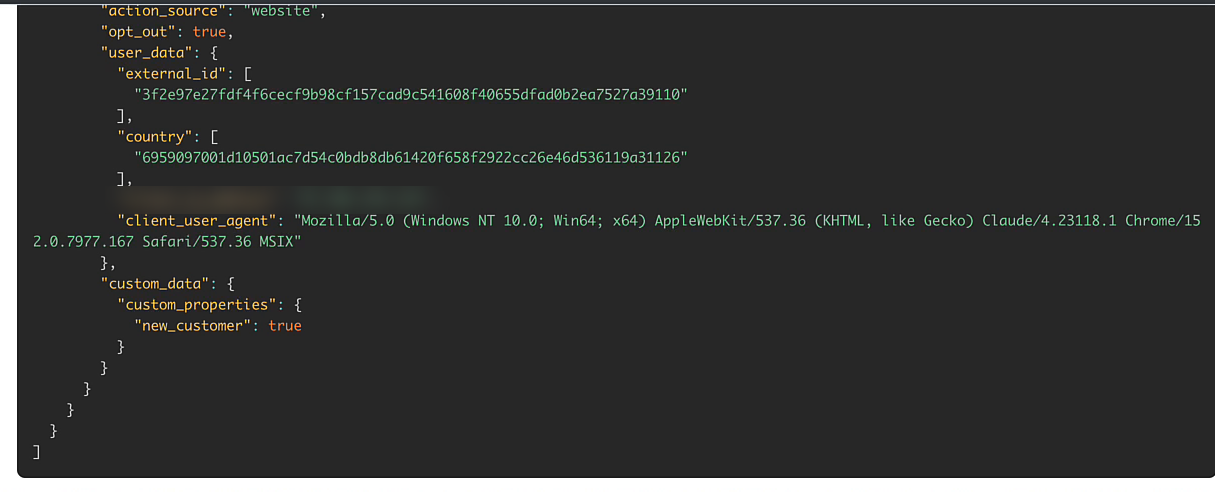
The shift toward Advanced Consent Mode allows for a more nuanced approach. In this configuration, tracking hits are fired immediately upon a page load but carry a metadata "signal" regarding the user’s consent state. If a user has not yet consented, the data is transmitted with an opt_out flag set to true.
Balancing Privacy and Platform Optimization
When Tracklution receives a hit with an "opt-out" signal, it processes the data according to the specific requirements of the destination ad platform. For example, when sending data to the Meta Conversions API (CAPI), the platform can receive the event but is legally and technically barred from processing it for personalized advertising. However, these signals can still be used for aggregate conversion modeling, allowing platforms to estimate the total impact of an ad spend without identifying specific individuals.
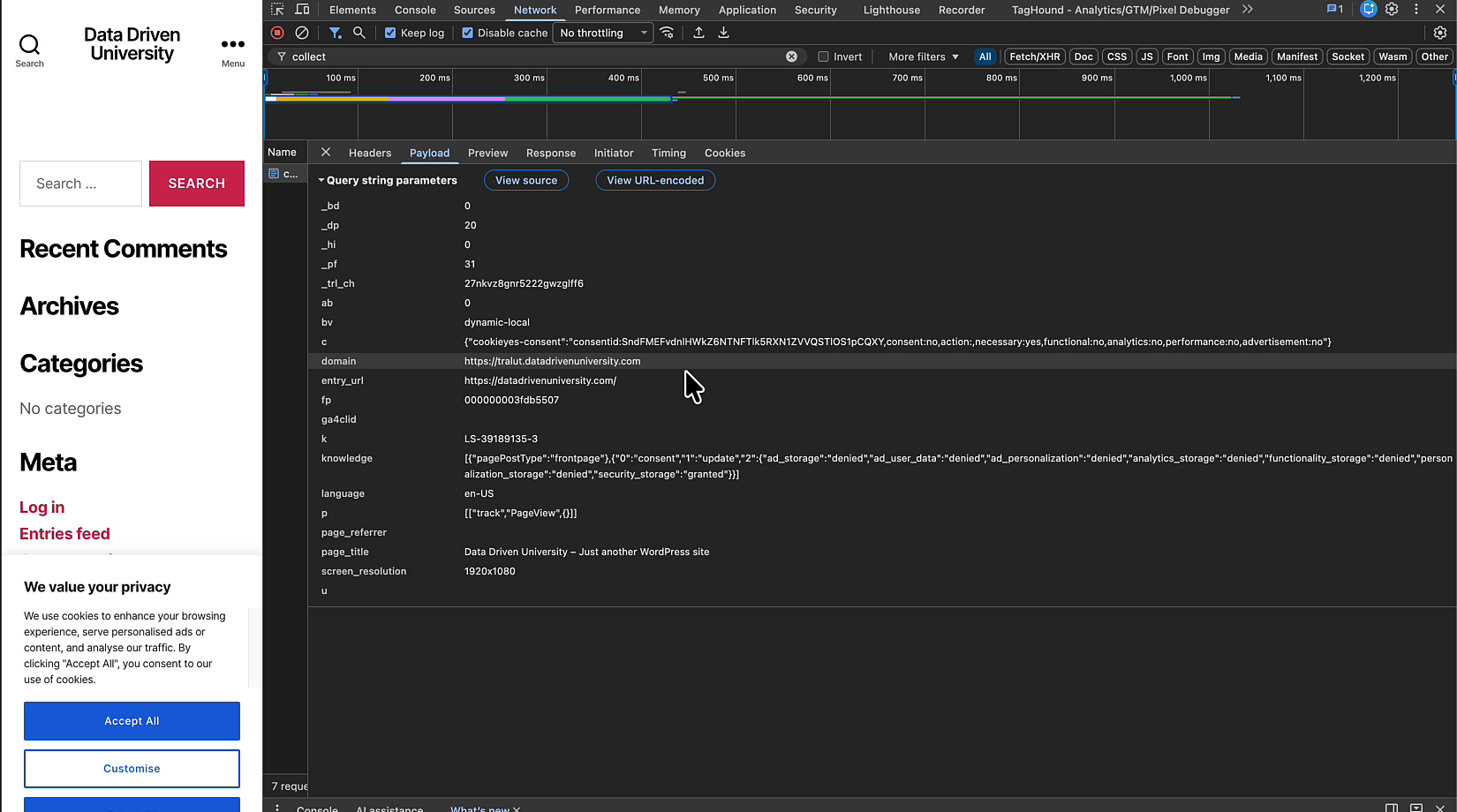
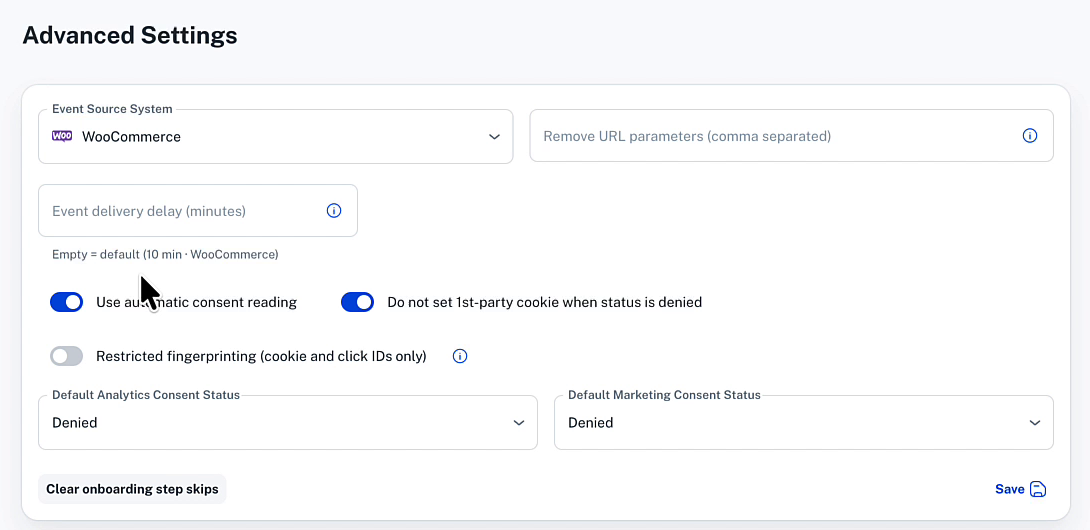
To implement this, organizations must integrate their Consent Management Platform (CMP)—such as CookieYes, OneTrust, or Cookiebot—with their GTM container. By setting default consent states to "Denied" and using event listeners to update those states in real-time as users interact with the banner, marketers can ensure that every piece of data sent to Tracklution is appropriately tagged for compliance.
Strategic Optimization III: Enhanced Conversions through Hashed PII
The third pillar of a high-performance tracking setup is the transmission of hashed Personally Identifiable Information (PII), commonly referred to as Enhanced Conversions. Ad platforms function most effectively when they can perform "deterministic matching"—linking a website conversion to a specific platform user with 100% certainty.
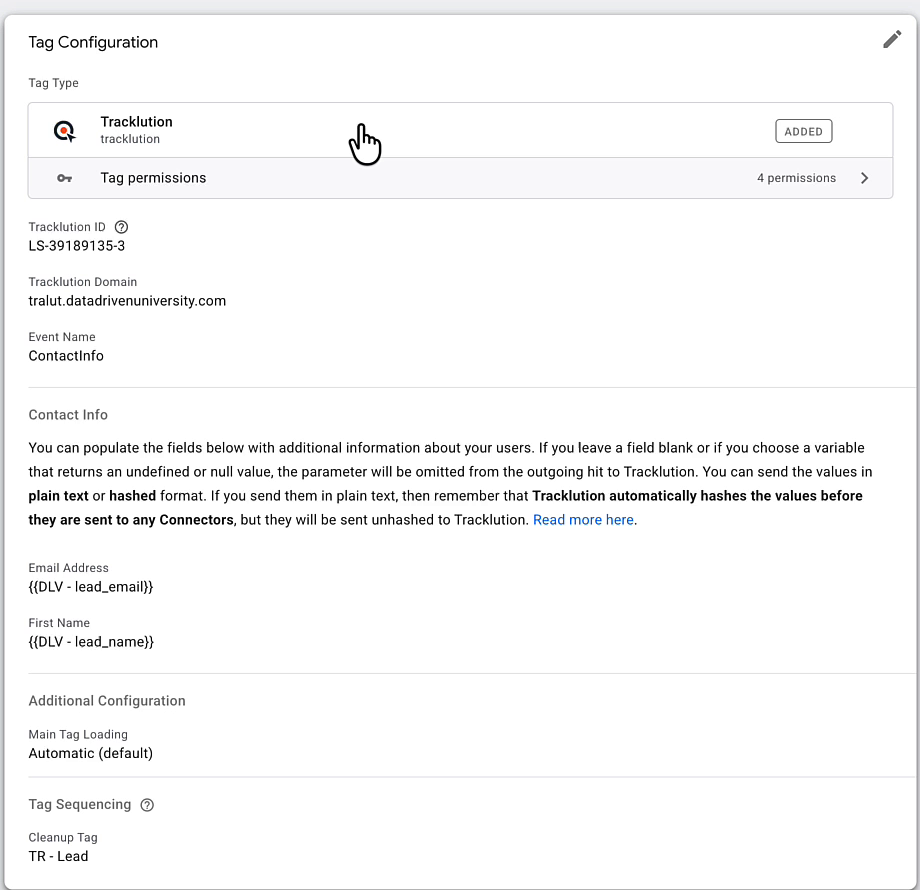
When a user submits a lead form or completes a purchase, they provide identifying data such as an email address, phone number, or physical address. In an optimized Tracklution setup, this data is captured from the Data Layer, hashed using the SHA-256 algorithm (ensuring the data is unreadable and privacy-compliant), and sent alongside the conversion event.
The Role of Tag Sequencing
For Enhanced Conversions to work correctly, the sequence of data transmission is vital. A "Contact Information" tag must fire and capture the user’s data before or at the exact moment the "Purchase" or "Lead" event fires. In GTM, this is managed through tag sequencing, where the Contact Information tag is set as a "Pre-fill" or the Event tag is set as a "Cleanup" tag.
Data from Meta and Google suggests that accounts utilizing Enhanced Conversions see a measurable lift in attributed conversions, often ranging from 5% to 15%. This increase is not due to "new" sales, but rather the recovery of sales that were previously untraceable due to cross-device behavior (e.g., a user clicks an ad on a mobile device but completes the purchase on a desktop).
Broader Implications for Return on Ad Spend (ROAS)
The cumulative effect of these three optimizations—First-Party Mode, Advanced Consent, and Enhanced Conversions—is a significant improvement in the Return on Ad Spend (ROAS). When ad platforms receive more accurate, higher-quality data, their algorithmic "learning phase" is shortened. The platforms can more quickly identify which audience segments are likely to convert, leading to lower Costs Per Acquisition (CPA).
Furthermore, the implementation of these features serves as a form of "future-proofing." As Google Chrome prepares to phase out third-party cookies for its entire user base, businesses that have already migrated to a server-side, first-party-first architecture will face minimal disruption compared to those relying on legacy client-side tracking.
Conclusion and Implementation Framework
The transition from basic tracking to an optimized server-side system is no longer an optional upgrade for high-growth companies; it is a fundamental requirement for accurate financial reporting and effective ad spend. While the technical implementation of CNAME records, consent signals, and hashed PII may require an initial investment of time—often estimated at 15 to 30 minutes per optimization—the long-term benefits in data durability and attribution accuracy are substantial.
For agencies and marketing departments, the action plan remains clear:
- Audit current DNS and SSL status to move tracking to a first-party subdomain.
- Synchronize Consent Management Platforms with server-side triggers to ensure regulatory compliance without total data loss.
- Deploy Enhanced Conversion tags to provide ad platforms with the deterministic data needed for cross-device matching.
By treating tracking as a dynamic system that requires regular optimization rather than a static "set-and-forget" task, organizations can ensure they are capturing every possible signal in an increasingly fragmented digital ecosystem. The integration of tools like Tracklution, combined with the strategic frameworks provided by partners like MeasureU, represents the current frontier of privacy-compliant, high-performance digital marketing.


 Siti Muinah

 Nana Wu