Lina Hope

For brands that cultivate desirability, exclusivity, or a deep emotional connection with their customer base, the integration of performance media requires a nuanced and strategic approach. The inherent tension lies in balancing tactics that drive immediate sales with those that nurture the long-term brand equity that initially attracted consumers. This delicate equilibrium is often disrupted by the prevailing measurement paradigms within paid media, which can inadvertently steer brands towards a relentless pursuit of conversions at the expense of sustainable growth and brand perception.
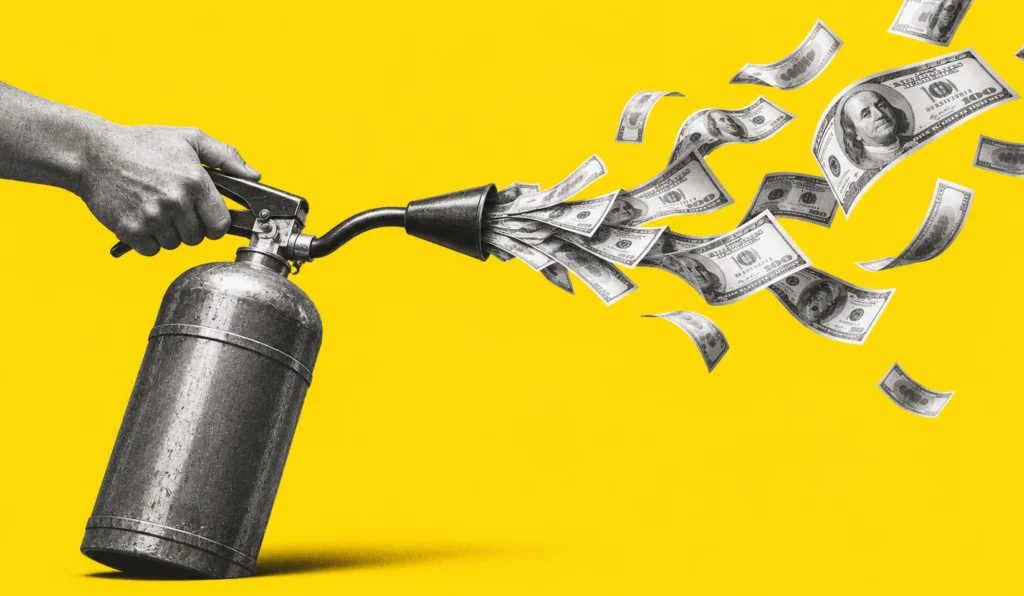
The very essence of brand desirability is frequently built upon authentic customer advocacy and organic word-of-mouth, rather than solely on the brand’s own pronouncements. Consequently, performance media strategies that aggressively push for immediate purchases can, paradoxically, erode the very foundation of that desirability. Tactics such as relentless retargeting, perpetual promotional messaging, and urgency-driven creative, while effective in generating short-term conversions, risk transforming a brand that customers actively seek out into one that appears to be perpetually pursuing them. This shift in perception can be detrimental to brands built on aspirational qualities.
This dynamic is exacerbated by how paid media campaigns are typically measured and optimized. When the primary benchmark for success is the number of conversions driven, marketing budgets naturally gravitate towards audiences already predisposed to purchasing. Simultaneously, creative development tends to focus on prompts for immediate action. While no brand consciously aims for desperation, the cumulative effect of continuous optimization, driven by sales-centric metrics, can lead to performance media activities dominating a marketing plan, irrespective of customer needs or the brand’s desired image. This can create a disconnect between what the brand offers and how it is perceived.
A compelling case study illustrating this phenomenon involved a prominent luxury brand. Its social media and search engine marketing efforts were almost exclusively dictated by product feed data and optimized against in-platform sales metrics. From a purely quantitative perspective, these campaigns appeared successful, with each platform reporting short-term revenue gains. However, a broader, more qualitative assessment revealed a starkly different reality.
Analysis of category consideration data provided crucial insights. Metrics such as customer satisfaction, brand recommendation, and organic word-of-mouth emerged as the strongest predictors of consideration, while direct ad awareness had a negligible impact. The most striking finding was the negative correlation between brand awareness and consideration. In essence, being more widely known did not translate into increased customer interest; in fact, it appeared to have a detrimental effect. This suggests that increased visibility through traditional advertising was not building the kind of positive sentiment that drives genuine consideration within this luxury segment.
The underlying driver of both consideration and sales for this brand was not aggressive targeting, but rather a deeply engaged community. This pattern is increasingly observed across a diverse range of consumer categories, indicating a fundamental shift in how brands build loyalty and drive growth. The community’s organic enthusiasm and advocacy were proving more potent than direct promotional efforts.
Establishing Guardrails for Platform Optimization
The default inclination when developing paid media strategies is to begin with in-platform audience segments, preferred channels, and campaign objectives. However, a more effective approach necessitates a prior understanding of what customers genuinely seek from a brand. Allowing algorithms to operate without such strategic direction can lead to unintended consequences.
In the case of the luxury brand, expenditure was consistently directed towards the most engaged individuals, as they exhibited the strongest purchase signals. Over time, this "optimization" process narrowed the audience pool to a select group of existing buyers who would likely have continued their purchasing behavior regardless of aggressive marketing. The critical issue was that these individuals were subjected to constant retargeting, potentially diminishing their positive brand experience.
To counteract this, a key recommendation was to implement guardrails around platform-level optimization targets. This strategic intervention would prevent algorithms from solely pursuing the strongest purchase signals at the expense of reaching broader, potentially valuable audiences that the brand needed to cultivate. This ensures that performance media serves a more strategic purpose beyond immediate conversion.
Paid Media’s Role within Broader Community Conversations
Paid media serves a dual purpose: the creation of demand and the capture of existing demand. Performance media, in particular, is often tasked with achieving both objectives simultaneously. However, the creative assets and optimization targets are frequently geared solely towards demand capture, with insufficient credit given to demand creation.
The creation of demand requires a different caliber of creative content – material that captivates attention and offers intrinsic value, rather than merely prompting a sale. Often, authentic creators and passionate fans are more adept at this than the brand itself. They communicate in a voice that resonates with the audience, provided their contributions are credible and align with the brand’s core messaging.
Consumers do not encounter performance media in isolation. It is seamlessly integrated within social feeds alongside organic brand posts, creator content, overarching brand campaigns, and organic fan conversations. Therefore, the creative employed in paid media must harmoniously coexist with the entire spectrum of content that users are exposed to.
The fan community of the aforementioned luxury brand was exceptionally effective at demand creation across the same social platforms where the brand was investing in performance media. This created a jarring juxtaposition: a user might scroll past a deeply emotive piece of fan-generated content that celebrates the brand, only to be immediately met with a sales-driven advertisement urging them to purchase. In categories characterized by genuine fandom, such a disconnect between what fans are articulating and what the brand is overtly selling can erode trust and loyalty. This dissonance can lead consumers to question the brand’s authenticity.
Leveraging Community Moments Strategically
Biddable media optimization is typically geared towards identifying existing demand rather than actively creating it. Consequently, when organic interest experiences a surge, algorithms detect these signals, and ad spend follows suit. While this may appear favorable on performance dashboards due to a high conversion rate from pre-existing interest, it often leads to an overexposure of messaging at precisely the wrong moments. Even a relevant advertisement can become unwelcome if encountered too frequently, and the most engaged fans are precisely those most likely to be overexposed.
For the luxury brand, this meant that paid media was amplifying moments of peak interest that were organically generated by the community, such as product launches or seasonal events. This approach cannibalized earned consideration and demand rather than augmenting it. The damage manifested in two primary ways: firstly, the repetition of jarring, sales-focused creative precisely when fans were at their most enthusiastic, and secondly, the over-saturation of paid media during peak interest periods, leading to stockouts. This resulted in the brand effectively paying for customers to experience disappointment when they attempted to make a purchase.
The strategic recommendation was to utilize paid media to balance demand around these community-driven peaks, rather than amplify them. A more even distribution of demand throughout the year would yield efficiencies across the entire business. This included optimizing supply chains, strengthening relationships with retail partners such as department stores, and improving collaborations with manufacturers. Such a shift from reactive amplification to proactive demand management can lead to more sustainable business practices.
Measuring Performance Without Rewarding Unnecessary Pressure
Conversion-focused tactics often gain prominence due to the ease with which their impact can be quantified. A customer clicks on an ad, makes a purchase, and the platform reports a measurable return on investment. In contrast, the foundational activities that cultivated the customer’s initial interest often go uncredited.
Consider a scenario where a consumer discovers a product through paid social media advertising, contemplates it for a couple of weeks, and then returns to purchase via a branded search query. Under a last-click attribution model, search advertising receives the majority of the credit. Over time, this leads to budgets shifting towards channels that capture existing demand, with creative evolving to become more direct in an effort to maintain positive numbers. This can create a feedback loop that prioritizes immediate sales over long-term brand building.
The solution lies in evaluating performance media based on the specific role it is intended to fulfill within a broader marketing ecosystem. For demand creation efforts, indicators such as branded search trends, changes in consideration metrics, and website engagement can signal whether interest is growing. These metrics should be analyzed in conjunction with seasonal influences and the performance of the entire marketing mix. For conversion-focused activities, the crucial question is the incremental value they generate. Incrementality testing, where feasible, can provide insights into this. Advanced methodologies, such as Full-Funnel Marketing Mix Modeling, offer a more comprehensive approach to measuring media’s contribution across the entire customer journey, providing a more holistic view of campaign effectiveness.
In the case of the luxury brand, the platform-level metrics failed to raise any red flags. However, the underlying issues surfaced elsewhere: in long-term brand tracking studies that indicated declining salience and consideration, and in social listening data where customers were voicing direct criticisms. These were the very brand metrics that performance media was intended to bolster, yet the short-term gains were being achieved at the expense of long-term brand equity. This highlights the critical importance of looking beyond immediate performance indicators to assess the true health of a brand.
Aligning with the Community’s Trajectory
Protecting a brand’s inherent appeal does not necessitate the avoidance of direct response or promotional activities. Instead, it requires a recognition that the cumulative experience crafted by paid media is as significant as the performance of individual campaigns. Furthermore, a campaign can meet its quantitative targets while still being detrimental to the customer experience and the brand’s long-term standing.
The overarching recommendation provided to the luxury brand was to align its messaging with the conversations already unfolding organically within its community. It was also advised to continuously monitor how the community’s discourse evolved over time. This proactive approach would ensure that performance and brand media moved in synchronicity with the prevailing sentiment and interests of the community, rather than inadvertently disrupting them.
While performance media should undoubtedly be evaluated on its own merits, it must also be planned within the context of how each customer experiences the entire spectrum of media and creative content they encounter. Performance media does not operate in a vacuum. Achieving this integration ensures that paid media ceases to work against the very attributes that make a brand desirable. The community can then continue to excel in its organic endeavors, product drops can be perceived as anticipated events rather than sources of disappointment due to stockouts, and the brand can retain its status as one that people actively seek out, rather than one that relentlessly pursues them. This shift fosters a more authentic and sustainable relationship between brand and consumer.

 Siti Muinah
 Nana