Nana Muazin

The landscape of digital advertising continues its rapid evolution, with Meta’s platforms, encompassing Facebook, Instagram, Messenger, and the Audience Network, remaining a cornerstone for businesses seeking unparalleled reach and precision. In 2026, understanding the intricacies of Meta advertising is not merely beneficial but essential for any robust digital marketing strategy, from burgeoning startups to established enterprises. The system allows advertisers to deploy text, image, and video creative to highly specific audiences, yielding measurable results at scale.
The Evolving Power of Meta’s Advertising Reach

Meta’s advertising prowess is underscored by its colossal user base. As of June 2025, the company reported an astonishing average of 3.48 billion daily active people across its family of apps. This represents an unmatched global pool of potential customers, offering advertisers a vast canvas for their campaigns. The sheer scale of this audience is a primary driver for Meta’s advertising revenue, which exceeded $196 billion in 2025, cementing its position as a dominant force in the digital ad market.
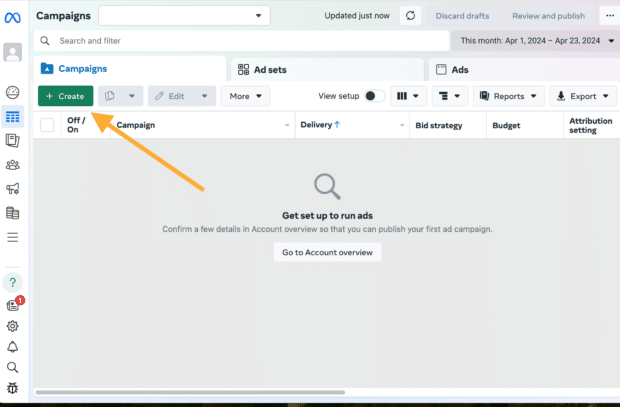
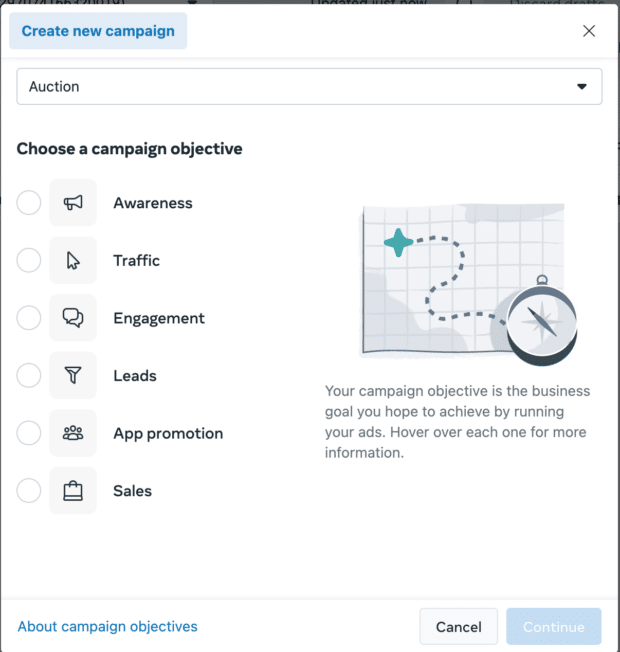
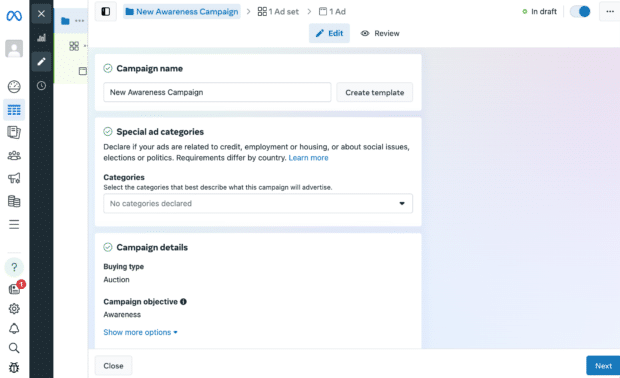
The mechanism behind this scale is Meta’s sophisticated auction system. When an advertiser initiates a campaign, they specify their objective, target audience, and budget. Meta’s algorithms then orchestrate which ads are displayed to individual users, a decision influenced by the advertiser’s bid, the estimated action rate (likelihood of a user taking the desired action), and the overall quality of the ad. Crucially, the system is designed to prevent advertisers from overpaying, ensuring they only spend what is necessary to win the auction, while simultaneously optimizing ad delivery to users most inclined to engage.
A significant shift observed over the past two years, leading into 2026, is the increasing reliance on Meta’s Artificial Intelligence (AI) to manage campaign complexities. With advertising revenue constituting 98.7% of Meta’s app revenue, the company has made substantial investments in AI-driven solutions such as Advantage+ campaigns, automated audience discovery, and advanced AI creative tools. This evolution has redefined the advertiser’s role, shifting focus from meticulous manual setup to providing the AI system with high-quality creative assets, accurate conversion data, and clearly defined objectives. This allows for greater efficiency and optimization, particularly for large-scale campaigns.

The Economics of Engagement: Understanding Ad Costs in 2026
The financial outlay for Facebook advertising is highly variable, influenced by numerous factors. In 2026, the typical cost per click (CPC) generally ranges between $0.50 and $2.00. This benchmark is subject to significant fluctuations based on industry, audience competitiveness, the quality of the creative, and seasonal demand. Highly competitive audiences or peak retail periods, for instance, can drive costs higher.
Industry benchmark data provides a clearer picture of typical costs by campaign objective:
- Traffic Campaigns: An average CPC of approximately $0.70. These campaigns are designed to drive users to a specific destination, such as a website or landing page.
- Lead Generation Campaigns: An average CPC of around $1.92. These campaigns are optimized to acquire contact information from potential customers.
These figures serve as general benchmarks rather than guarantees, as actual costs are uniquely tied to individual account performance and audience dynamics. Analysts frequently advise businesses to allocate budgets flexibly and prioritize A/B testing to identify the most cost-effective strategies.
Beyond CPC, another critical metric is the cost per 1,000 impressions (CPM), which measures the cost for a thousand views of an ad. In 2026, CPM typically ranges from $5 to $18. Awareness campaigns tend to reside at the lower end of this spectrum, given their broader targeting, while sales and lead campaigns often incur higher CPMs due to their focus on high-intent audiences. Ad placement also plays a role, with feed placements generally costing more than those within the Audience Network. Sharp, unexplained increases in CPM without corresponding performance improvements often signal a need for creative refreshment.
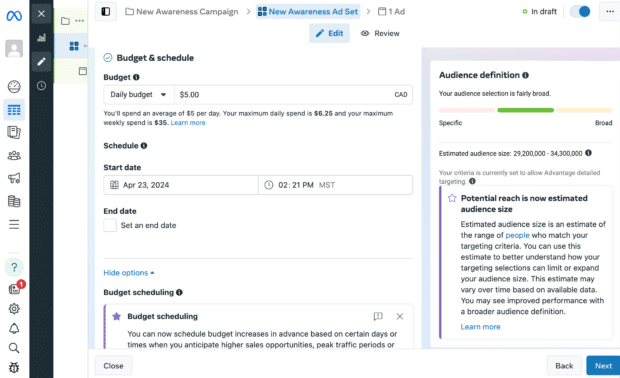
For businesses with limited resources, daily budgets of $5 or $10 are viable starting points. A $5 daily budget is suitable for small-scale testing, localized campaigns, or initial data collection. A $10 daily budget provides Meta’s algorithm with more data for optimization, potentially yielding meaningful results for small to mid-sized campaigns. Larger enterprises pursuing extensive reach or high conversion volumes will naturally require substantially greater investment. The prevailing wisdom is to begin with a budget that facilitates sufficient data collection for optimization, then scale up successful campaigns.
Strategic Imperatives: Why Advertise on Meta?
Advertising on Meta platforms offers a compelling value proposition, providing businesses with a potent combination of vast reach, granular targeting capabilities, budgetary flexibility, and transparent performance data. The platform’s ability to generate over $196 billion in ad revenue in 2025 underscores its efficacy as a channel for measurable growth.
Key benefits include:
- Unrivaled Reach: Access to billions of users across Facebook, Instagram, Messenger, and the Audience Network.
- Precision Targeting: The ability to segment audiences based on detailed demographics, interests, behaviors, and custom data, ensuring messages reach the most relevant individuals.
- Flexible Budgeting: Campaigns can be run with varying daily or lifetime budgets, accommodating businesses of all sizes.
- Measurable ROI: Comprehensive analytics tools provide clear data on campaign performance, enabling continuous optimization and demonstrable return on investment.
- Diverse Ad Formats: A wide array of creative options, from static images to interactive collections, catering to different campaign objectives and stages of the marketing funnel.
- AI-Powered Optimization: Meta’s Advantage+ suite leverages AI to automate and enhance campaign performance, streamlining management and improving efficiency.
- Retargeting Capabilities: The ability to re-engage users who have previously interacted with a brand, leading to higher conversion rates.
The Diverse Toolkit: Exploring Ad Formats
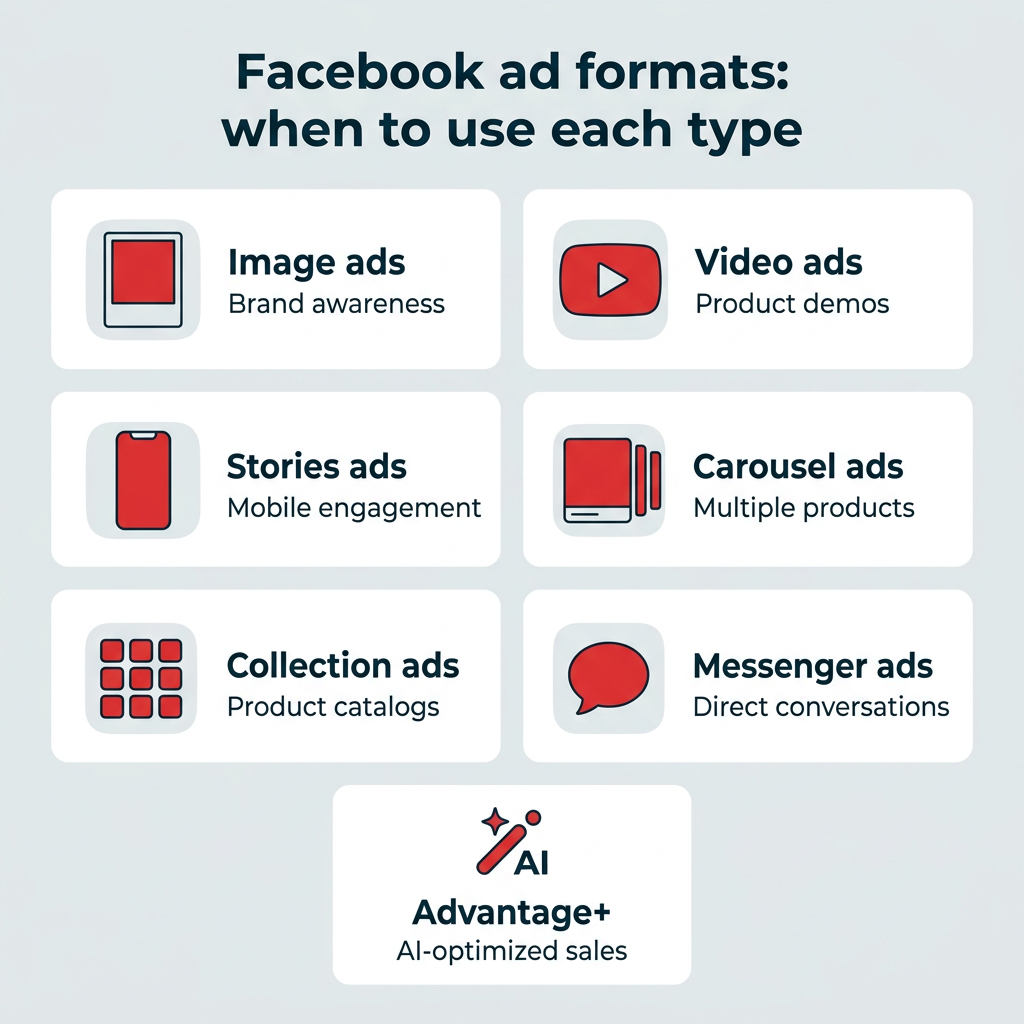
Meta offers a rich portfolio of ad formats, each designed to serve specific campaign objectives and stages of the customer journey.
-
Image Ads: These are the foundational ad format, utilizing a single image to promote a product, service, or brand. Their versatility across various placements and aspect ratios makes them an excellent starting point for new advertisers. Image ads are ideal for campaigns with strong, static visual content and are effective across the sales funnel, from brand awareness to product launches. The primary limitation is the single visual, which may not suffice for displaying multiple products or demonstrating complex functionalities. Adherence to Meta’s image ad specifications is crucial to avoid cropping or distortion.
-
Video Ads: Employing a single video, this format excels at showcasing products, services, or brands, particularly for demonstrations, tutorials, or content with dynamic elements. While videos can extend up to 241 minutes, Meta strongly recommends brevity, with videos under 15 seconds often yielding the best results. The main tradeoff is the higher production cost and time compared to image or carousel ads.
-
Stories Ads: Leveraging the vertical orientation of mobile devices, Stories ads offer a full-screen, immersive experience. This format maximizes screen real estate without requiring users to rotate their devices. A significant statistic from the U.S. indicates that 62% of individuals reported increased interest in a brand or product after encountering it in a Story. Stories ads also provide extensive creative freedom, allowing for the integration of emojis, stickers, filters, video effects, and even augmented reality elements.
-
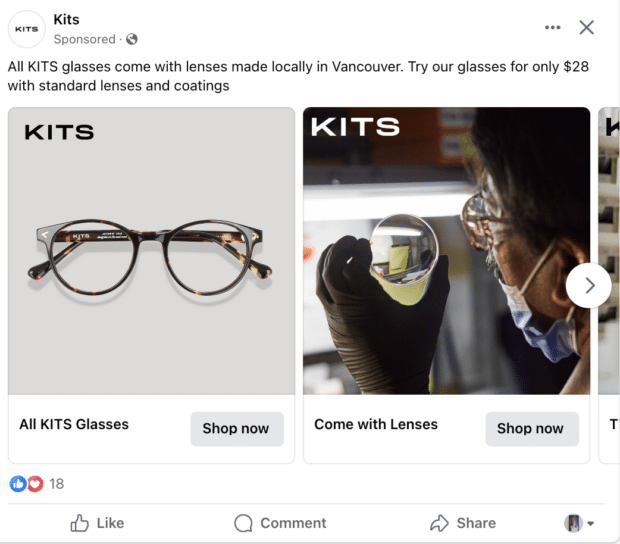
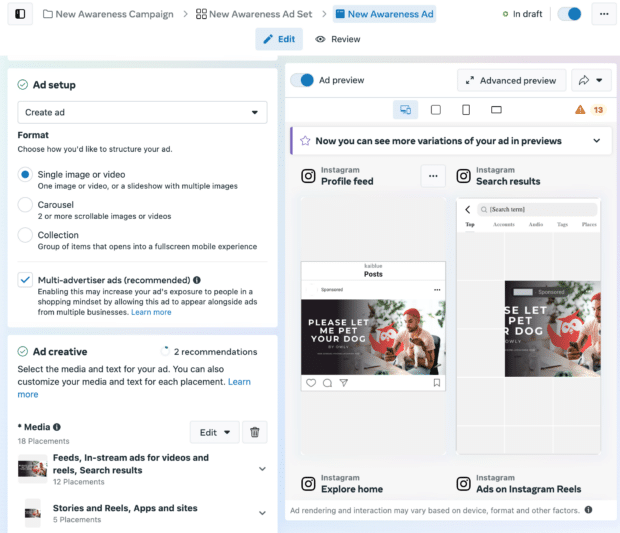
Carousel Ads: This format allows advertisers to display up to ten images or videos that users can swipe through, with each card featuring its own headline, description, or unique link. Carousels are particularly effective for showcasing a range of products, with individual images potentially linking to specific landing pages. They are also adept at guiding users through a multi-step process or presenting a series of related products sequentially.
-
Collection Ads: Functioning as an immersive, full-screen mobile shopping experience, collection ads allow users to browse product lineups and make direct purchases within the ad. Advertisers can opt to have Meta’s algorithms dynamically select products from their catalog based on user relevance. Tapping a Collection ad opens an "Instant Experience," a mobile-only landing page where users can interact with images, shift screens, and zoom. Meta suggests using five to seven images and videos for optimal engagement. This format is best suited for larger businesses with extensive product catalogs.
-
Messenger Ads: These ads appear within the Facebook Messenger interface, integrating seamlessly into users’ conversations. This placement lends a more personal feel to the advertising experience. Users can tap these ads to initiate a conversation directly with the brand, making them highly effective for driving interaction, particularly for smaller businesses promoting local products or services.
-
Advantage+ Shopping Campaigns: Representing the pinnacle of Meta’s AI integration, Advantage+ Shopping campaigns automate creative selection, audience targeting, and ad placements to maximize sales with minimal manual intervention. Instead of constructing each campaign element individually, advertisers provide their assets and objectives, and Meta’s AI models handle real-time optimization. This automation reportedly delivers a 20% lower cost per result on average compared to manual campaigns. Advantage+ Shopping is particularly advantageous for enterprise teams managing large product catalogs across multiple regions, freeing up strategic planning time. Optimal performance requires clear conversion goals and sufficient budget for the system to learn effectively.
Precision and Automation: The Evolution of Targeting
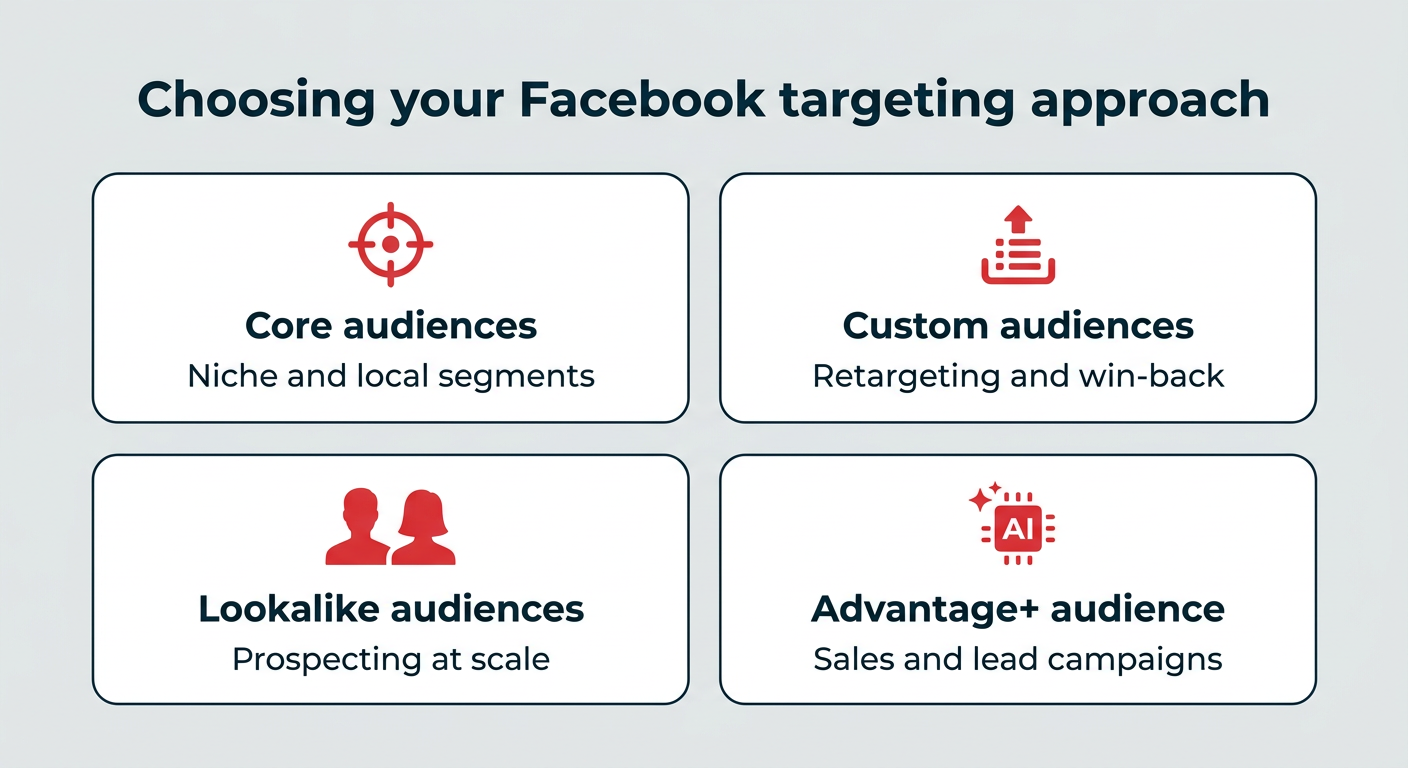
Effective ad targeting is paramount to maximizing return on investment. Meta’s platform offers four primary targeting options, allowing advertisers to define their audience with varying degrees of granularity and automation.
-
Core Audiences: This traditional method enables advertisers to manually define audiences based on Meta’s first-party data, including demographics (age, gender, location), interests (hobbies, preferred content), and behaviors (purchase history, device usage). This approach is ideal for niche segments, local campaigns, or industries with regulatory constraints.
-
Custom Audiences: These audiences are built from data provided by the advertiser. This includes customer lists (CRM data), website visitors (via the Meta Pixel), or app users (through app events). Custom audiences are highly effective for retargeting existing customers, upselling, or win-back campaigns, as they engage individuals who have already shown an interest in the brand.
-
Lookalike Audiences: Created by Meta’s AI, lookalike audiences identify new users who share characteristics with an existing "source audience" (e.g., a custom audience of high-value customers). This powerful tool is excellent for prospecting at scale, expanding reach to new potential customers who are statistically similar to a brand’s most valuable ones.
-
Advantage+ Audience: This AI-driven option allows Meta’s system to dynamically discover and target the most receptive audiences. Leveraging machine learning, Advantage+ audiences aim to optimize delivery for sales and lead generation campaigns, often achieving superior results at lower costs. Meta’s own data suggests Advantage+ audiences can lead to approximately 28% lower average cost per click, lead, or landing page view. This approach is particularly beneficial when robust conversion tracking is in place.
A practical strategy for many marketing teams involves a hybrid approach: utilizing Advantage+ audience for broad prospecting, maintaining separate retargeting ad sets built from custom audiences, and deploying lookalike audiences to scale into new markets. This blend balances automation with strategic control.
Crafting Compelling Narratives: Principles of Ad Copy
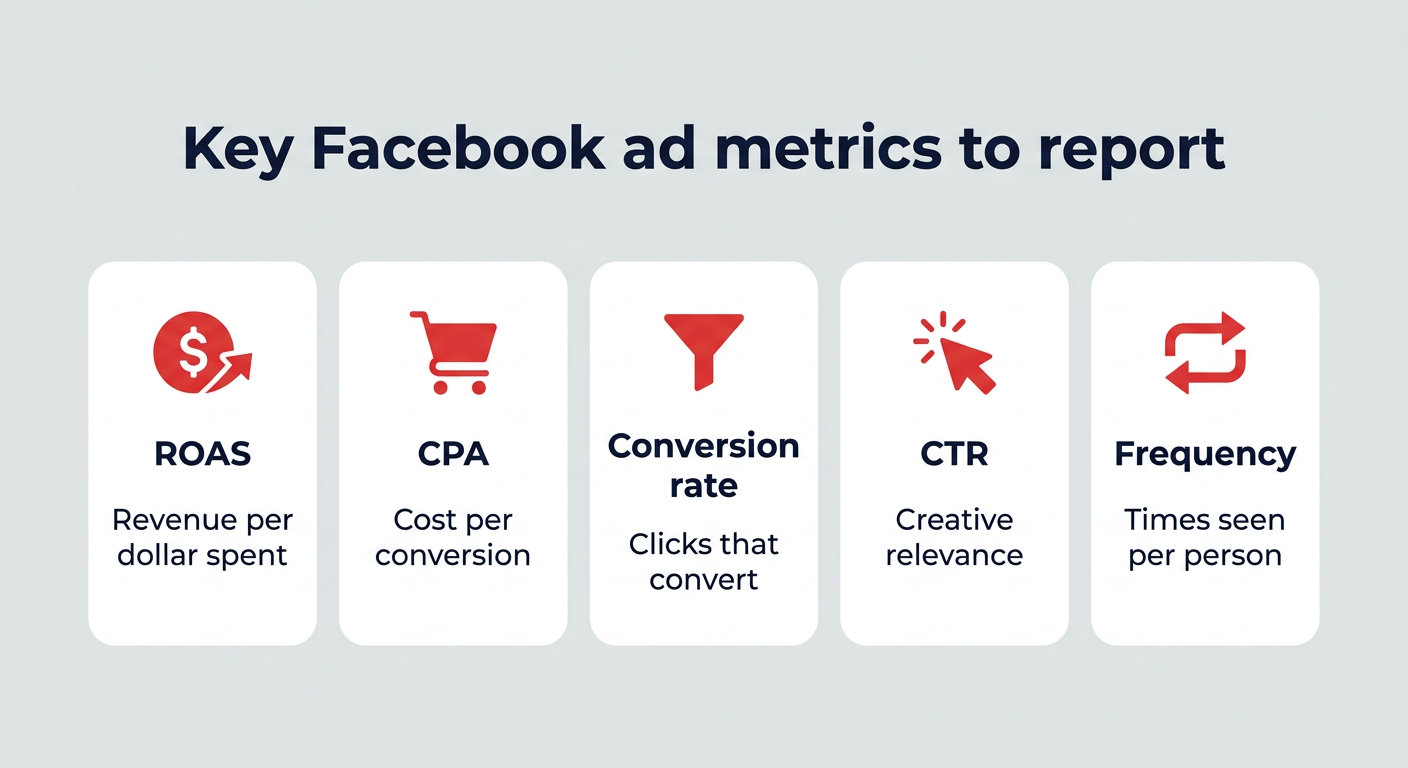
Effective Facebook ad copy is crucial for capturing attention and driving action. The best copy is concise, benefit-oriented, and features a strong call to action (CTA).
Key best practices for ad copy include:
- Lead with the Benefit: Immediately articulate what the product or service offers to the user, not just its features.
- Be Direct and Concise: Most users scan content; keep sentences short and to the point.
- Integrate Keywords Naturally: While not as critical as for search, relevant keywords can improve discoverability and relevance.
- Strong Call to Action (CTA): Clearly instruct users on the next step (e.g., "Shop Now," "Learn More," "Sign Up").
- Mirror Your Brand Voice: Maintain consistent tone and style to reinforce brand identity.
- A/B Test Variations: Experiment with different headlines, body copy, and CTAs to identify top performers.
- Complement Visuals: Ensure copy and creative work in tandem to convey a unified message.
- Create Urgency (When Appropriate): Limited-time offers or stock scarcity can motivate immediate action.
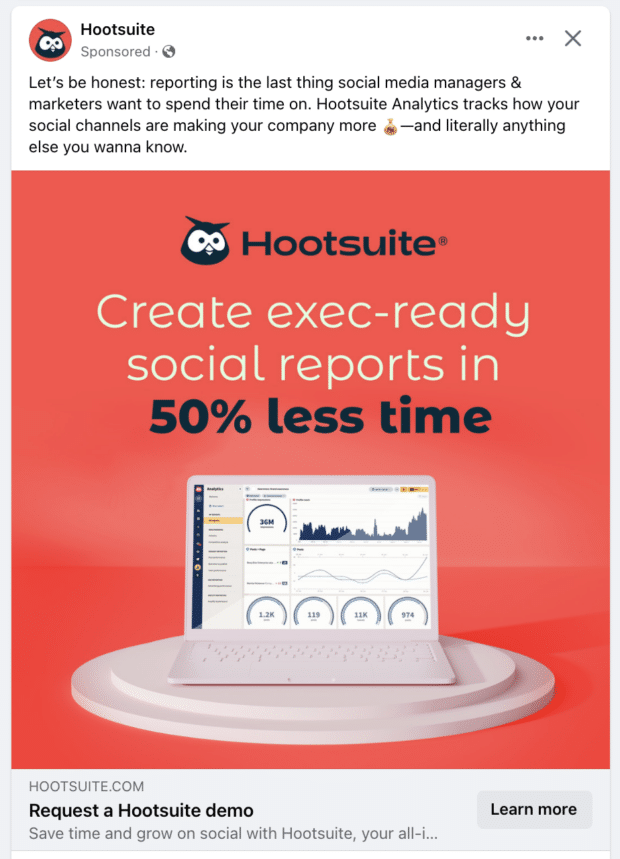
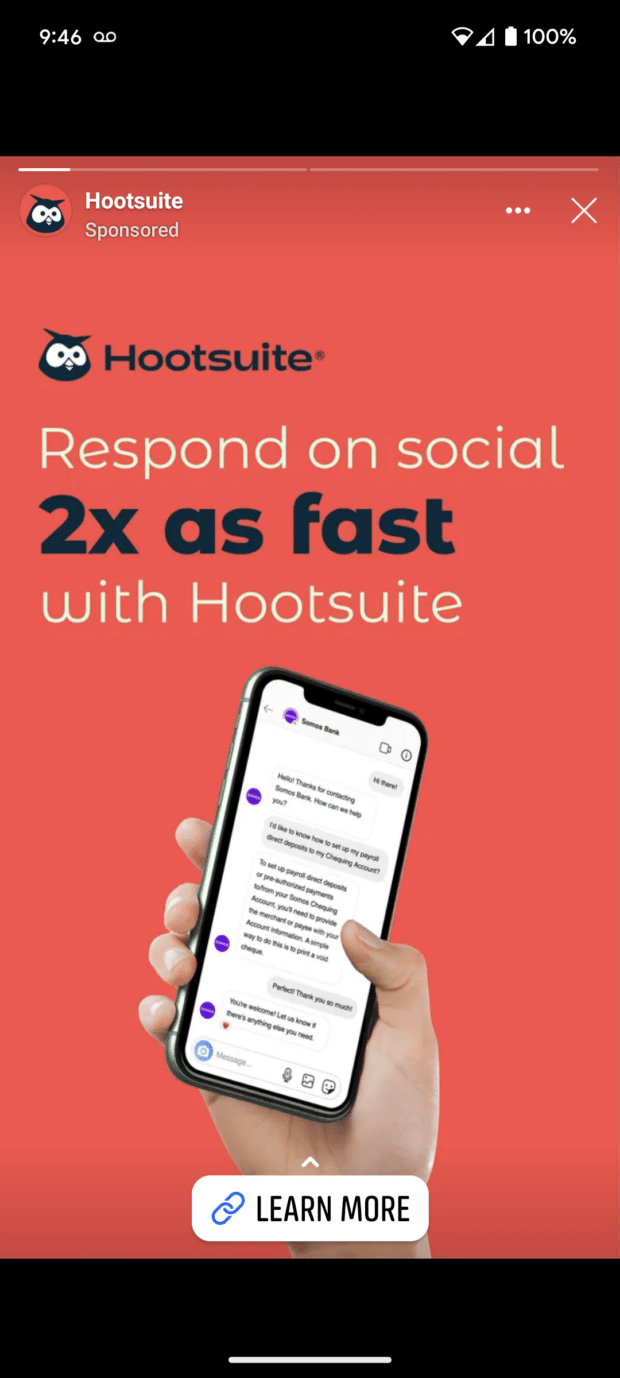
For instance, weak copy might state, "We offer great software for businesses of all sizes," while strong, effective copy would declare, "Respond to customers 2x faster. Try Hootsuite free for 30 days." Tools incorporating AI writing capabilities can assist in generating diverse copy variations for testing.
Optimizing for Impact: Key Advertising Best Practices
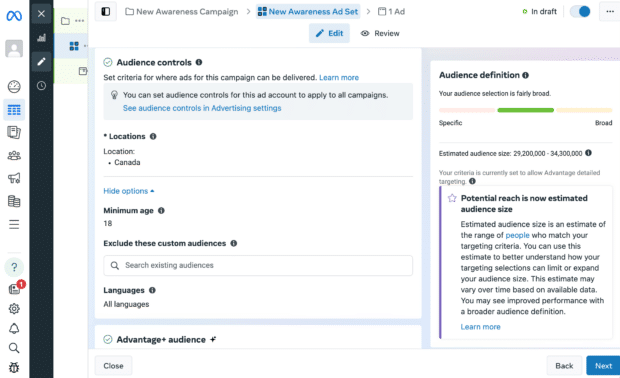
Maximizing the effectiveness of Meta advertising campaigns hinges on adherence to several best practices, primarily centered on mobile optimization and data-driven decision-making.
-
Design for Mobile First: Given that the vast majority of social media engagement occurs on mobile devices, ads must be optimized for this experience. This includes using vertical video and imagery, ensuring text is legible on small screens, designing thumb-stopping visuals, and keeping file sizes small for quick loading.
-
Capture Attention Immediately: The initial three seconds of an ad, especially video, are critical. Advertisers should prioritize displaying the main message, branding, or product benefits within this brief window. Tactics include opening with movement, immediately showcasing the product or its outcome, and using short text overlays for sound-off viewing.
-
Make Sound Optional: A significant portion of video content is consumed without sound. Ads should be comprehensible even when muted, achieved through clear visuals, text overlays, and captions.
-
Test Creative Variations with A/B Testing: A/B testing is indispensable for understanding what resonates with the target audience. By testing one variable at a time (e.g., headline, image, CTA), advertisers can precisely identify which elements drive performance. Sufficient data collection for each test is vital before declaring a winner and allocating budget accordingly.
-
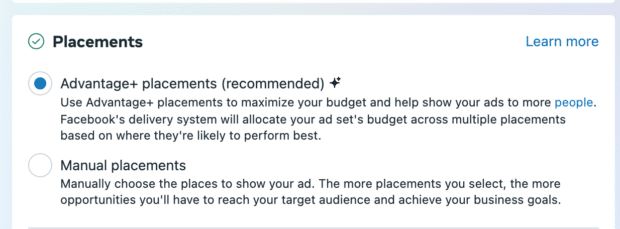
Leverage Advantage+ AI Features: Meta’s Advantage+ features offer powerful automation for targeting, placements, and creative optimization. These AI tools can test numerous creative and audience combinations far more rapidly than manual processes, dynamically reallocating budget to top performers. This allows marketing teams to focus on strategy and creative development while the AI handles real-time optimization.
-
Implement Retargeting for Higher Conversions: Retargeting campaigns are highly effective for re-engaging users who have previously interacted with a brand. By creating custom audiences from website visitors, video viewers, or past customers, businesses can serve tailored ads that align with their prior engagement, leading to significantly higher conversion rates and lower customer acquisition costs.
-
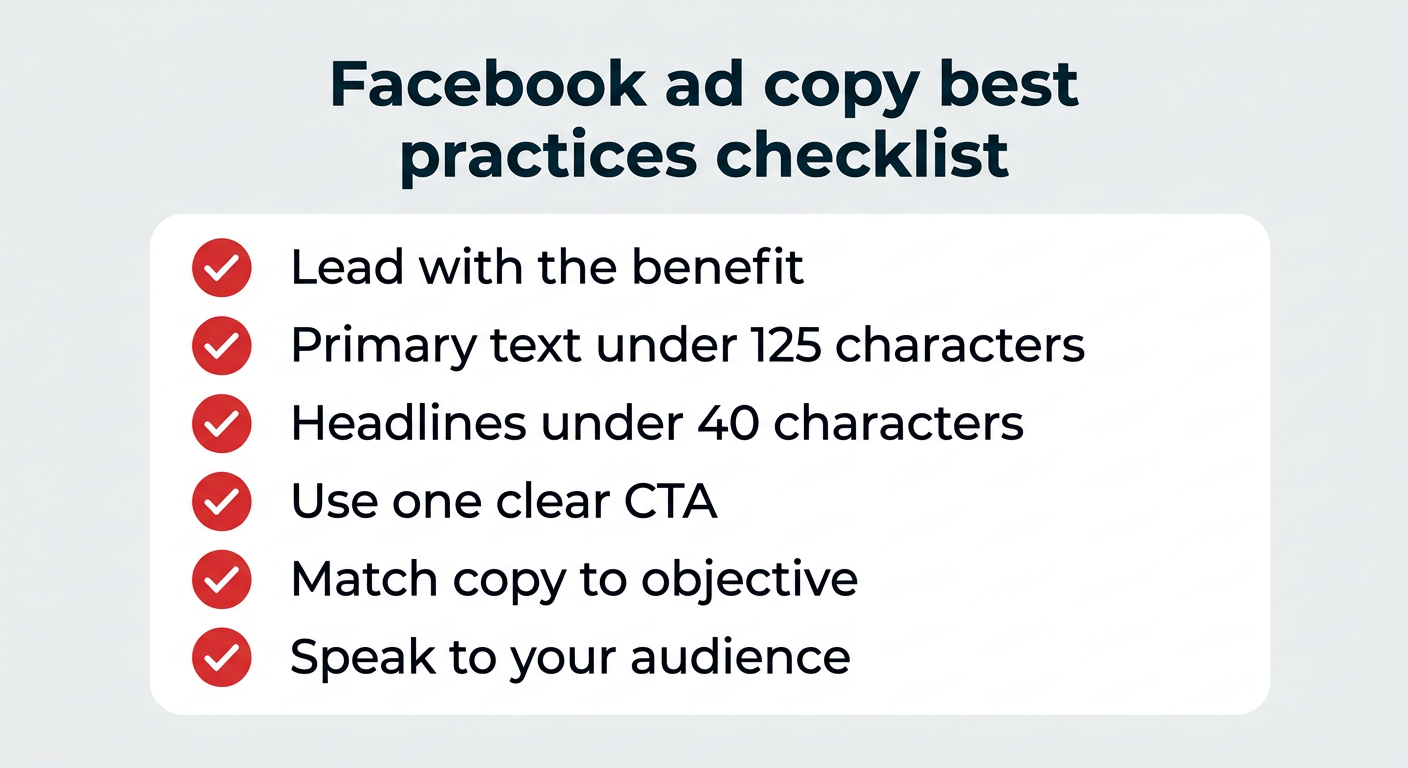
Base Ad Decisions on Analytics: Sound advertising decisions are rooted in robust data analysis. Advertisers must move beyond "vanity metrics" like likes and focus on key performance indicators (KPIs) that directly impact business objectives, such as Return on Ad Spend (ROAS), Cost Per Acquisition (CPA), and Conversion Rate. Utilizing Meta’s built-in tools and integrating with third-party social analytics dashboards like Hootsuite can provide a comprehensive view of campaign performance.
Measuring Success: Beyond Vanity Metrics
Accurate measurement of Facebook ad performance requires a focus on outcome-oriented metrics that directly correlate with business impact. While engagement and reach offer insights into creative effectiveness, ROAS and CPA are crucial for determining a campaign’s overall value.
Key metrics for leadership reporting include:
- Return on Ad Spend (ROAS): The revenue generated for every dollar spent on advertising.
- Cost Per Acquisition (CPA): The cost incurred to acquire a single customer or conversion.
- Conversion Rate: The percentage of users who complete a desired action after clicking an ad.
- Click-Through Rate (CTR): The percentage of users who click on an ad after viewing it.
- Impressions: The total number of times an ad was displayed.
- Reach: The total number of unique users who saw an ad.
- Frequency: The average number of times a unique user saw an ad, crucial for avoiding audience fatigue.
The accuracy of these metrics is contingent upon precise tracking implementation. Advertisers must ensure the Meta Pixel is correctly installed on their websites and, where feasible, leverage the Conversions API to send server-side events. This maintains data integrity amidst evolving browser privacy restrictions. Verifying both tracking mechanisms in Meta’s Events Manager before launching campaigns is a critical pre-emptive step.
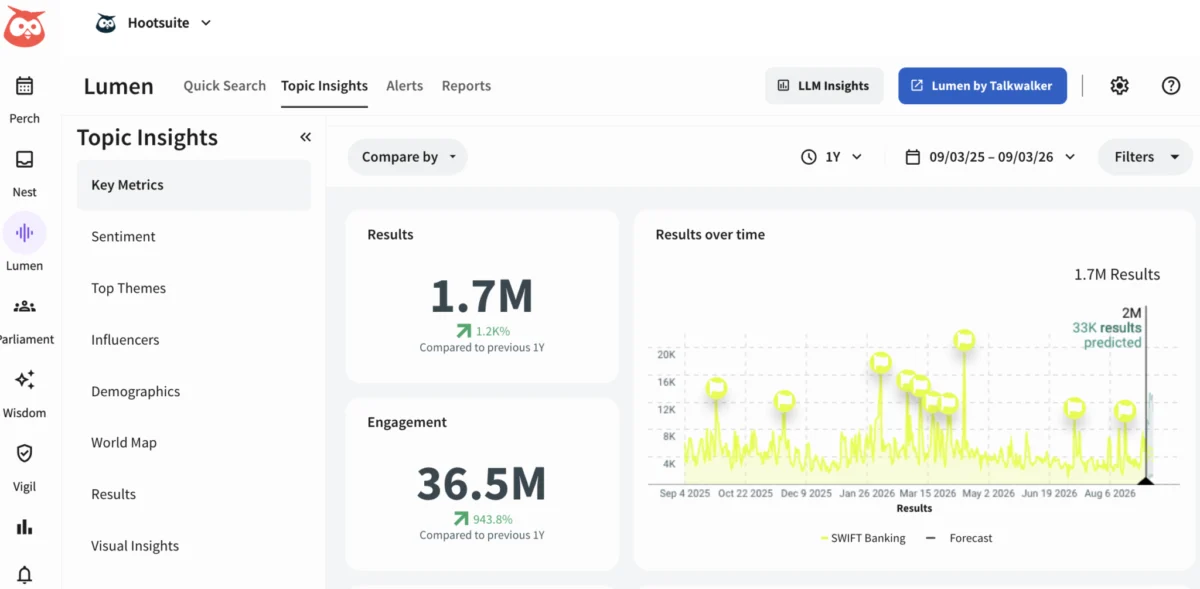
While Meta Ads Manager provides extensive paid performance data, platforms like Hootsuite offer integrated dashboards that juxtapose paid and organic performance. This holistic view enables marketers to compare campaign effectiveness, strategically reallocate budgets, and clearly demonstrate ROI to stakeholders, often reducing manual reporting efforts. Integrations with CRM systems like Mailchimp, HubSpot, or Salesforce further consolidate ad performance and sales data, creating a unified operational view.
Navigating Challenges: Troubleshooting Common Ad Problems
Even well-planned campaigns can encounter issues. Understanding common problems and their solutions is vital for maintaining smooth operations and protecting ad budgets.
- Ad Rejection: Often due to violations of Meta’s advertising policies (e.g., prohibited content, misleading claims, discriminatory targeting, or restricted categories like alcohol/financial services). Fix: Review the specific policy flagged, amend the offending element, and resubmit for approval.
- Underperformance/High Costs: Can stem from poor targeting, irrelevant creative, or intense audience competition. Fix: Refine audience segmentation, refresh ad creative, A/B test different elements, and adjust bidding strategies.
- Low Conversion Rates: Indicates a mismatch between the ad’s promise and the landing page experience, or a weak call to action. Fix: Optimize landing page content, ensure a seamless user journey, and strengthen the CTA.
- Low Reach/Impressions: May be due to an overly narrow audience, insufficient budget, or low ad quality. Fix: Broaden targeting slightly, increase budget, or improve creative quality to enhance ad relevance scores.
- Inaccurate Tracking Data: Typically a Meta Pixel or Conversions API implementation issue. Fix: Verify Pixel and API setup in Meta’s Events Manager, check for errors, and ensure all conversion events are correctly configured.
Addressing these issues proactively ensures campaigns remain efficient and effective, safeguarding allocated budgets and optimizing performance.
Inspiring Campaigns: Examples of Effective Facebook Ads
Examining successful campaigns can provide valuable insights for future initiatives.
-
Reddit for Business (Image Ad): Reddit effectively uses a concise image ad to highlight a key benefit ("your best ROAS") and an enticing offer ($500 ad credit). The caption and CTA ("Ready to send ROAS soaring? Get Offer.") are straightforward and actionable. The clever inclusion of ‘r/LifeProTips’ subtly reinforces brand identity. This ad demonstrates the power of clear value proposition and a strong incentive.
-
Hootsuite (Facebook Story Ad): Hootsuite utilizes a two-part Story ad. The first segment immediately captures attention with a product benefit ("Respond on social 2x as fast"), followed by a second Story that details the specific features enabling this benefit. This "one-two punch" approach effectively grabs users quickly tapping through Stories, delivering both the ‘why’ and the ‘how’.
-
Kits (Carousel Ad): Kits, an eyewear retailer, leverages a carousel ad to showcase a diverse range of eyeglass frames. Each frame in the carousel features a different style, allowing users to browse options without leaving their feed. This format is highly effective for retailers with catalogs, as it allows the algorithm to present the most relevant product to each viewer, driving clicks to specific product pages.

In conclusion, the Meta advertising ecosystem in 2026 is characterized by its immense reach, advanced AI-driven optimization, and diverse creative formats. Mastering this platform requires a blend of strategic planning, data-informed decision-making, and a commitment to continuous testing and refinement. As AI continues to evolve, the emphasis will increasingly be on providing quality inputs and interpreting outputs, allowing businesses to harness Meta’s power for sustained growth and measurable impact.

 Muslim
 Pevita Pearce