
 rifanmuazin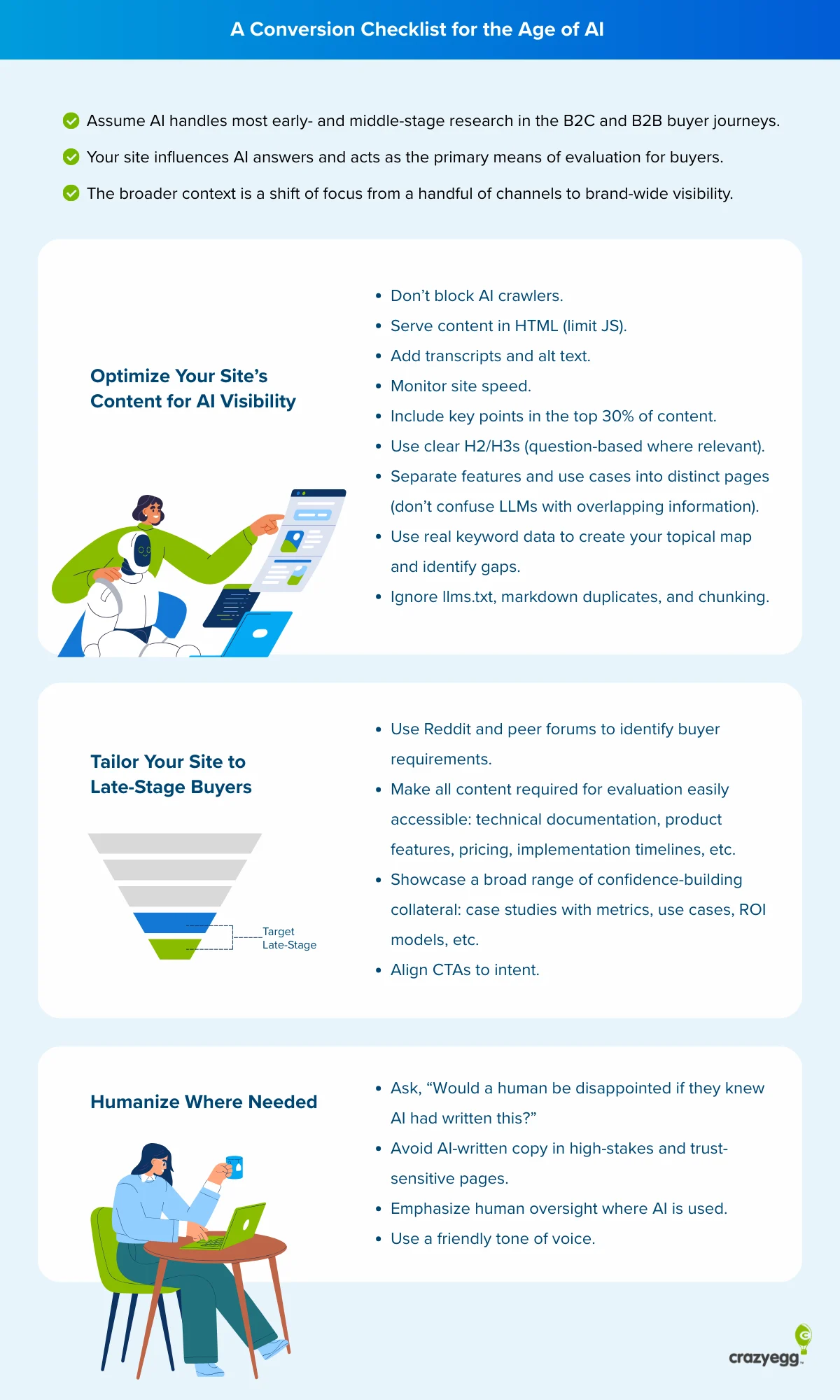
The landscape of digital marketing is undergoing a fundamental transformation as artificial intelligence (AI) redefines how consumers discover, evaluate, and engage with brands. As large language models (LLMs) and generative search engines become the primary intermediaries between businesses and their audiences, traditional conversion rate optimization (CRO) and search engine optimization (SEO) strategies are no longer sufficient in isolation. To remain competitive, organizations must adapt to a new paradigm where websites serve not just as digital storefronts, but as primary data sources for AI engines and validation hubs for highly informed buyers.
The Paradigm Shift in Digital Discovery
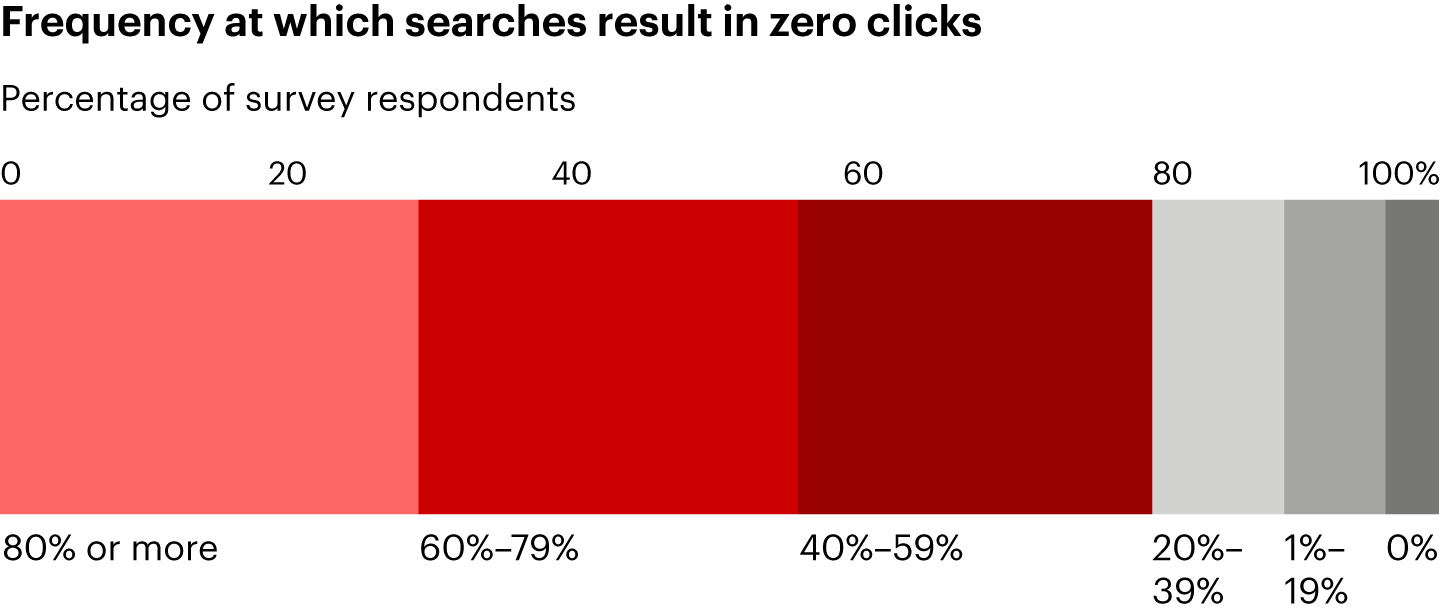
For decades, the standard marketing funnel relied on search engines to drive traffic to specific landing pages where the journey of education and persuasion would begin. However, recent industry data suggests this linear path is being replaced by a multi-faceted, AI-assisted journey. According to research from Bain & Company, organic search traffic across various industries has seen a decline of 15% to 25% as "zero-click" searches become the norm. In this environment, users receive answers directly within AI interfaces, such as ChatGPT, Claude, or Google’s Search Generative Experience (SGE), without ever clicking through to a source website.
This shift does not render the website obsolete; rather, it changes the website’s role. While overall traffic may fluctuate, the nature of that traffic is changing. Research by Siege Media indicates that while sub-page discovery via search engines is declining, homepage traffic for many B2B entities has increased by approximately 10.7%. This suggests that buyers are performing their initial research via AI and only visiting the official website once they have established a shortlist of potential vendors. Consequently, the website must now function as a high-stakes validation tool for visitors who arrive with significantly higher buying intent than in previous years.
Historical Context and the Evolution of the Buyer Journey
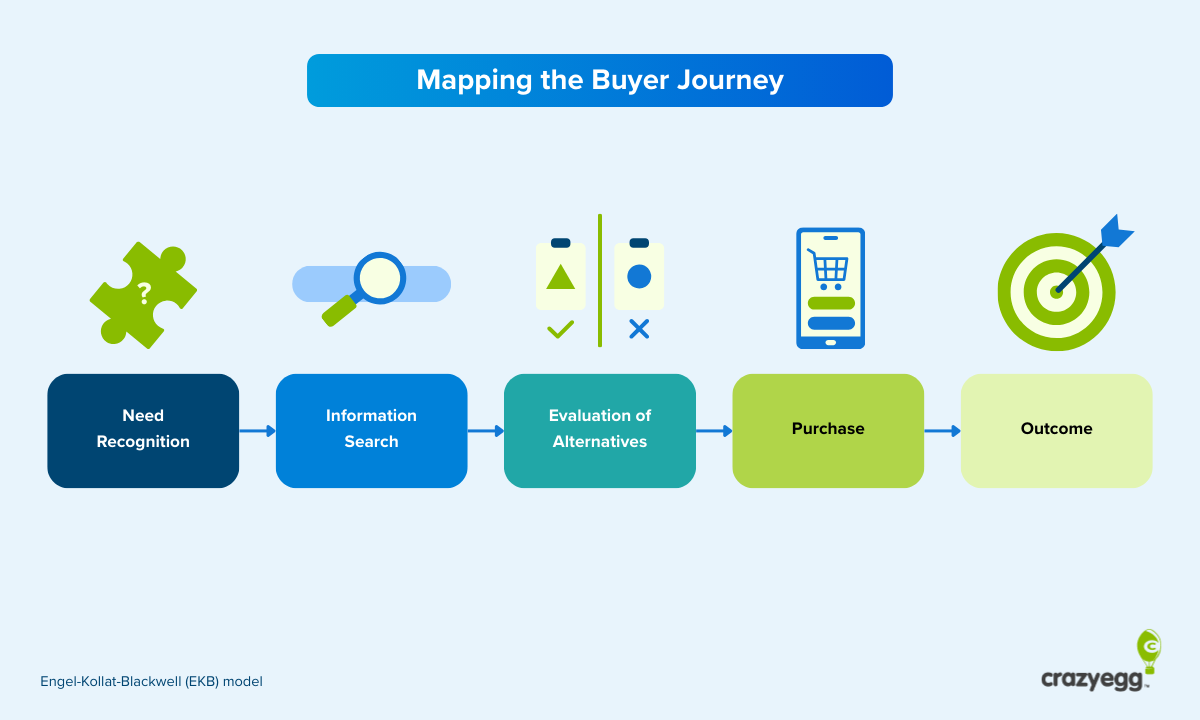
To understand the current state of optimization, it is necessary to examine the evolution of consumer behavior models. Traditionally, marketers relied on the Engel–Kollat–Blackwell (EKB) model, which charts a path from need recognition to information search, alternative evaluation, and finally, the purchase decision. In the pre-AI era, the "information search" phase was dominated by manual searches, reading blog posts, and comparing reviews across multiple tabs.
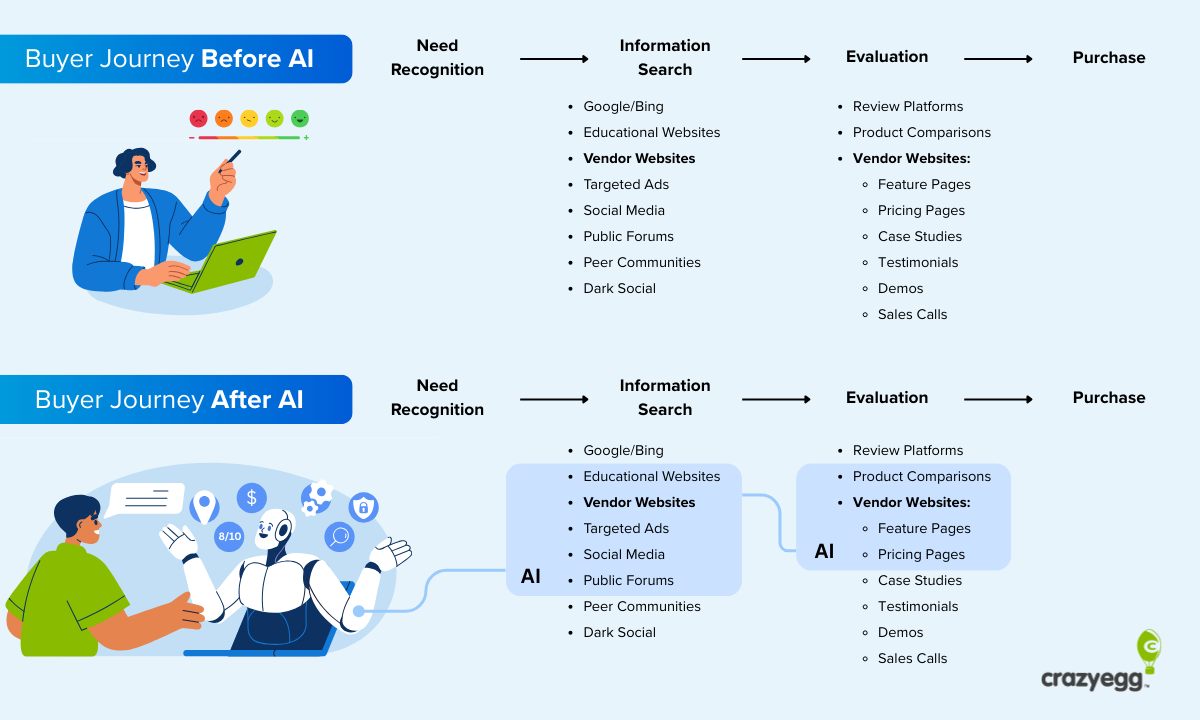
In the current climate, AI tools aggregate these touches. A consumer might ask an LLM to "compare the top five enterprise CRM solutions for a mid-sized legal firm," and the AI will synthesize data from hundreds of sources—including Reddit threads, Trustpilot reviews, and official documentation—into a single response. By the time the user visits a vendor’s site, they have already bypassed the early stages of the EKB model.
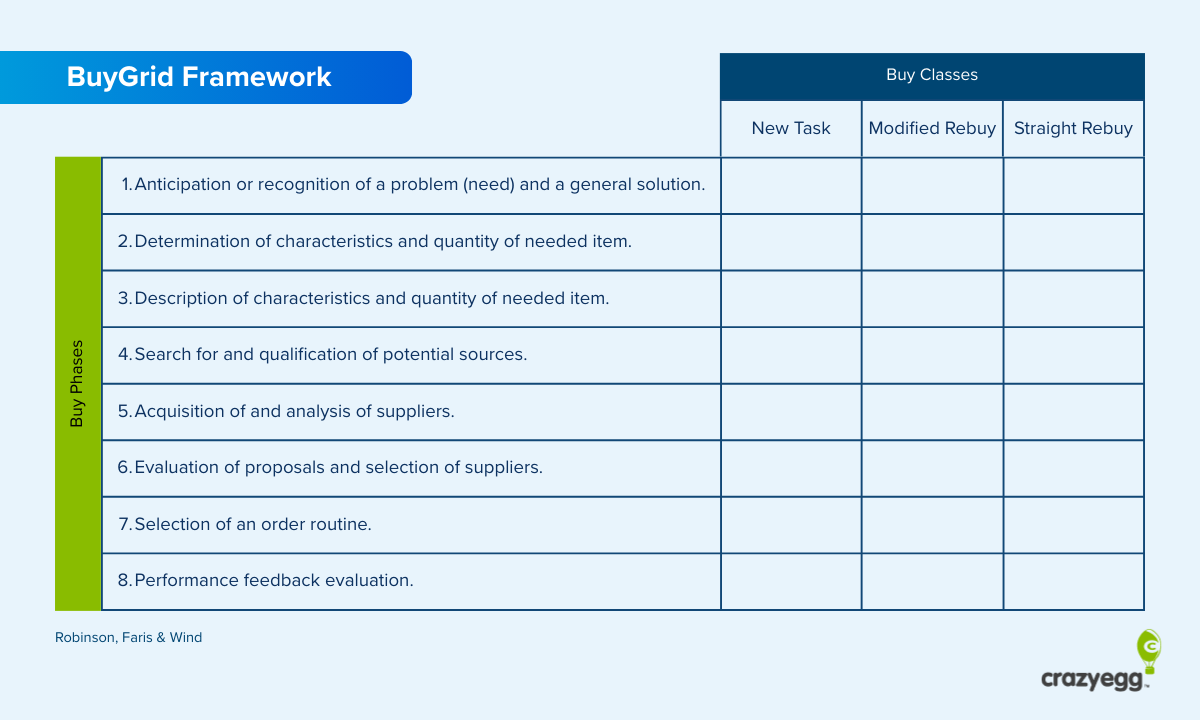
For B2B organizations, the "BuyGrid" framework, developed by Robinson, Faris, and Wind, offers further insight. This model accounts for the complex, multi-stakeholder nature of corporate purchasing. AI has streamlined the "search for and qualification of potential sources" phase of the BuyGrid, meaning the vendor’s website is now primarily responsible for the "evaluation of proposals" and "supplier selection" phases.
The Rise of Artificial Engine Optimization (AEO)
As AI engines become the gatekeepers of information, a new discipline known as Artificial Engine Optimization (AEO) has emerged. Unlike traditional SEO, which focuses on keyword rankings and backlink profiles, AEO is centered on "brand representation"—ensuring that AI models have an accurate, positive, and comprehensive understanding of a brand’s offerings.
A study conducted by Martech, which analyzed 1,000 prompts across 29 B2B brands, found that "owned media"—the content published on a brand’s own website—is the single most critical factor in determining whether a brand is cited in generative AI answers. The study revealed that owned websites are cited more than twice as often as earned media sites (such as news outlets or third-party review platforms). This underscores the importance of the website as a primary data source for LLMs.
Industry experts emphasize that AEO is less about "gaming the system" and more about clarity. Irina Maltseva, founder of the AI SEO agency Seen, suggests that businesses should view AI visibility as a directional metric rather than an absolute one. Because LLM outputs are non-deterministic and context-dependent, optimization must focus on providing consistent, structured data that leaves no room for AI misinterpretation.
Technical Requirements for AI-Friendly Websites
To ensure that AI crawlers can effectively digest and cite website content, organizations must adhere to specific technical standards. While these often overlap with traditional SEO best practices, they require a higher level of precision.
Ensuring Crawler Accessibility
The first step in AEO is ensuring that AI agents are not blocked. This involves auditing the robots.txt file to ensure that user agents like GPTBot (OpenAI) and CCBot (Common Crawl) have access to informational pages. Furthermore, the use of structured data and Schema.org markup is vital. By providing search engines and AI with explicit metadata about products, pricing, and reviews, brands can increase the likelihood of appearing in "rich" AI snippets and comparisons.
The "Ski Ramp" Content Strategy
Content structure is also evolving. A large-scale analysis of 1.2 million ChatGPT citations conducted by strategist Kevin Indig revealed a pattern dubbed the "ski ramp." The study found that ChatGPT pays disproportionate attention to the top 30% of a page’s content. To optimize for this, brands are encouraged to adopt a "journalistic" style of writing: placing the most critical information, conclusions, and definitions at the beginning of the article, followed by supporting details.
Entity-Based Organization
LLMs understand the world through "entities"—distinct concepts or things. A common mistake in website optimization is creating overlapping or "bloated" content that confuses these models. Modern optimization requires building pages around distinct entities, such as specific features, use cases, or audience segments. By maintaining absolute consistency across these pages, a brand can ensure that AI models do not provide conflicting information to potential buyers.
Converting the High-Intent Visitor
When a visitor does land on a website in the age of AI, they are often armed with what Talia Wolf, CEO of GetUplift, calls a "shopping list." This visitor has already conducted preliminary research and is looking for specific evidence to validate their decision.
To convert these high-intent visitors, websites must prioritize "certainty-building" content. Jason Patterson, CEO of Jewel Content Marketing, notes that B2B certainty is built on three pillars: proof of expertise, proof of customer understanding, and proof of reliability.
Essential Validation Assets
To satisfy the late-stage buyer’s shopping list, websites should provide easy access to:
- Detailed Case Studies: Moving beyond generic testimonials to provide deep-dive analyses of how the product solved specific problems for similar companies.
- Transparent Pricing: AI-driven buyers value efficiency. If pricing is hidden, they may rely on potentially inaccurate third-party data provided by an AI.
- Integration Documentation: For B2B SaaS, knowing whether a tool fits into an existing tech stack is a frequent "make-or-break" criterion.
- Security and Compliance Data: Particularly in enterprise sectors, SOC2, GDPR, and other certifications must be front and center.
The Human Element in an Automated World
Perhaps the most significant counter-trend in the age of AI is the renewed importance of the human element. As the internet becomes saturated with AI-generated text, authenticity has become a premium commodity. Mark Williams-Cook, Marketing Director at Candour, proposes a simple litmus test for content: "Would a human be disappointed if they knew AI had written this?"
For technical documentation or basic product descriptions, AI-generated content is often acceptable. However, for thought leadership, opinion pieces, and strategic advice, human authorship is essential for building trust. Conversion optimization now involves highlighting human expertise through "About Us" pages, author bios that demonstrate real-world experience, and video content that features actual team members. This "human-in-the-loop" approach ensures that while AI handles the discovery, humans handle the closing of the deal.
Broader Implications and Future Outlook
The shift toward AI-centric optimization represents a move away from "quantity" and toward "quality." While the era of massive organic traffic peaks may be waning for some industries, the era of "high-signal" traffic is beginning. Companies that successfully optimize for AI visibility while simultaneously providing a friction-less, human-centric validation experience on-site will be the ones that thrive.
As AI models continue to integrate "Retrieval-Augmented Generation" (RAG)—where they pull real-time data from the web to answer queries—the website will remain the single most important source of truth for any brand. The future of website optimization is not about fighting the AI tide, but about becoming the most reliable, structured, and authoritative source of information that the AI can find.
In conclusion, the roadmap for adapting to this new reality involves a dual-track strategy: making the site "readable" for machines through technical AEO and "persuasive" for humans through specific, high-intent content. Organizations that master this balance will turn the challenge of AI search into a significant competitive advantage, capturing buyers exactly when they are most ready to commit.








