
 rifanmuazin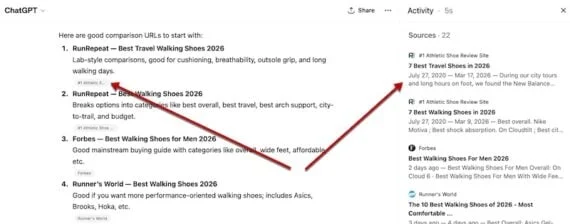
The emergence of sophisticated generative artificial intelligence (genAI) platforms like ChatGPT, Claude, and Gemini has fundamentally altered how users seek and consume information. A critical, yet often opaque, aspect of these platforms is their inclusion of source links, known as citations, which can appear directly within generated responses or in a dedicated panel, frequently positioned to the right of the main content. Understanding the underlying algorithms that govern these citations is no longer a niche concern but a crucial strategic imperative for any business aiming to optimize its digital visibility in this rapidly evolving landscape.
The precise mechanisms behind genAI citation algorithms remain largely undisclosed by the leading platforms. However, through meticulous analysis of citation patterns and their correlation with traditional search engine rankings, a clearer picture is beginning to emerge. It is widely understood that platforms such as ChatGPT, Google’s Gemini, AI Overviews, and Grok leverage Google’s search infrastructure. Similarly, Claude and Perplexity appear to be driven by Brave’s search technology. This foundational insight suggests that maintaining a strong presence and high rankings on these respective search engines significantly increases the probability of a web page being cited by these AI models. An notable exception to this rule is ChatGPT’s documented practice of citing its publication partners, irrespective of their external search engine rankings, highlighting potential direct partnership agreements influencing content attribution.
The Evolving Landscape of AI Citations
The journey of genAI citations began subtly, with early models offering responses that were often perceived as syntheses of vast datasets without explicit attribution. As these technologies matured and user demand for transparency grew, the inclusion of source links became a prominent feature. This evolution can be broadly traced over the past few years, with significant advancements in natural language processing and retrieval-augmented generation (RAG) techniques enabling AI to more effectively identify and present relevant source material. The initial implementation of citations was rudimentary, often appearing as simple hyperlinks within the text. However, as seen in current iterations, the presentation has become more sophisticated, with dedicated citation panels offering a comprehensive list of sources that informed the AI’s output. This shift is not merely cosmetic; it signifies a move towards greater accountability and a recognition of the intellectual property underpinning AI-generated content.
Decoding the Four Pillars of GenAI Citations
Recent insights, stemming from patent filings and independent academic studies, have illuminated at least four distinct categories of citations employed by generative AI platforms. These categories offer a nuanced understanding of how AI models integrate external information.
Grounded Citations: The Foundation of AI Responses
These citations are directly integrated into the AI’s answer, meaning the platform actively performs searches, crawls the content of indexed web pages, and then quotes or paraphrases information directly from those sources within its generated response. This process is fundamental to how genAI constructs factual and informative answers, ensuring that the output is rooted in verifiable external data. For businesses, this means that the content they publish, if indexed and deemed authoritative, can directly contribute to AI-generated answers, effectively placing their brand and information at the forefront of user queries.
Ungrounded Citations: Affirming Existing Knowledge
In contrast to grounded citations, ungrounded citations serve to support and confirm the AI platform’s existing training data rather than directly influencing the answer itself. These are akin to "reverse" citations, where the AI references sources that corroborate information it already possesses, presumably to enhance accuracy and maintain objectivity, particularly when drawing from reputable companies. The prevalence of ungrounded citations remains an area of significant mystery. However, a recent analysis highlighted in The New York Times, concerning Google’s AI Overviews (powered by Gemini), indicated that "more than half" of the citations presented were ungrounded. This finding suggests that AI models may not solely rely on real-time searches for every piece of information but also leverage their extensive pre-existing knowledge base, validated by trusted external sources.
Ghost Citations: The Unattributed Information Gap
Ghost citations represent a perplexing phenomenon where links appear within AI-generated answers, but the source of the information is not explicitly named or directly linked. This issue is thought to arise when a source provides information that addresses a query but fails to clearly articulate how its product or service fulfills that need. A study published this month by search optimization expert Kevin Indig revealed that a significant 61.7% of AI-generated answers include ghost citations. This highlights a potential disconnect between the information retrieved and its proper attribution, posing challenges for content creators seeking recognition for their contributions.
Invisible Citations: The Uncited Content Dilemma
Perhaps the most concerning category for content creators is "invisible citations." These are not actual citations in the traditional sense but instances where generative AI utilizes a website’s information without any form of mention or linking. A recent study by Ahrefs found that a substantial 50.2% of URLs retrieved by ChatGPT remain uncited. Furthermore, anecdotal evidence suggests that platforms like Reddit, despite often influencing AI answers, are rarely cited, contributing to this problem. This practice raises concerns about content creators not receiving credit or traffic for the valuable information they provide, potentially impacting their online visibility and authority.
The Strategic Imperative: Optimizing for GenAI Visibility
Understanding the intricate workings of genAI citations is paramount for businesses seeking to elevate their digital presence. The distinction between influencing an AI’s answer and simply being cited within it is significant, yet appearing in any capacity within an AI response, especially if it features products or services, offers a tangible benefit.
The foundational element for genAI visibility lies in training data. While genAI platforms may draw from a diverse array of sources, their initial training data forms the bedrock of their knowledge. Subsequently, these platforms may consult search engines like Google or Brave to augment their responses or even generate answers exclusively from external web pages. Regardless of the specific process, direct or indirect associations with relevant prompts expose a brand to the AI platform, making it a priority for businesses to ensure their content is discoverable and relevant.
The Role of Search Engine Optimization (SEO) in the AI Era
The insights into genAI citation methods have profound implications for traditional SEO strategies. The dependency of AI models on search engines like Google and Brave underscores the continued importance of on-page optimization, technical SEO, and high-quality content creation.
Enhancing Grounded Citations: Content is King
For businesses aiming for grounded citations, the focus must be on creating comprehensive, authoritative, and easily digestible content. This includes:
- Keyword Research: Identifying the terms and phrases users are likely to query AI models. This may involve analyzing search trends and understanding the semantic nuances of user intent.
- Content Depth and Accuracy: Providing detailed, accurate, and well-researched information that directly answers potential queries. This involves going beyond superficial answers and offering genuine insights and value.
- Structured Data Markup: Implementing schema markup can help AI models better understand the context and entities within a webpage, increasing the likelihood of accurate retrieval and citation.
- E-E-A-T Principles: Adhering to Google’s Expertise, Experience, Authoritativeness, and Trustworthiness guidelines is crucial. AI models, like search engines, are likely to prioritize content from reputable and trustworthy sources.
Addressing Ungrounded and Invisible Citations: The Challenge of Attribution
The prevalence of ungrounded and invisible citations presents a significant challenge. While businesses cannot directly control how AI models use their data in these instances, several strategies can mitigate the impact:
- Brand Building and Authority: Establishing a strong brand reputation and demonstrating expertise can indirectly influence AI models. If a brand is consistently recognized as a reliable source, AI platforms may be more inclined to attribute information to it, even if not explicitly linked in every instance.
- Content Syndication and Partnerships: Collaborating with AI platforms or content syndication partners can ensure proper attribution. This might involve direct agreements or participation in programs that facilitate the use and citation of content.
- Monitoring and Analysis: Regularly monitoring AI outputs for mentions of your brand or products, even without direct links, can provide valuable insights into how your content is being utilized. Tools that track brand mentions across the web can be instrumental here.
Mitigating Ghost Citations: Clarity and Directness
Ghost citations often arise from ambiguity in content. To combat this:
- Clear Product/Service Explanations: Businesses should ensure that their websites clearly explain how their products or services address specific user needs or solve problems. This directness can help AI models understand the context and attribute information correctly.
- Call-to-Actions (CTAs): Well-placed and clear CTAs can help AI models understand the purpose of a page and its offerings, potentially reducing the likelihood of ghost citations.
The Future of AI Attribution and Digital Marketing
The ongoing development of generative AI and its citation mechanisms will undoubtedly reshape the digital marketing landscape. As AI becomes more integrated into daily information consumption, the ability to influence and be recognized by these platforms will become a critical differentiator. Businesses that proactively adapt their strategies, focusing on creating high-quality, authoritative content and understanding the evolving attribution models, will be best positioned to thrive in this new era of information discovery. The race is on to not only be found by AI but to be understood, cited, and ultimately, trusted. The implications extend beyond mere search rankings; they touch upon brand reputation, user engagement, and the very flow of information in the digital age. Companies that master this complex interplay will undoubtedly gain a significant competitive advantage.









