rifanmuazin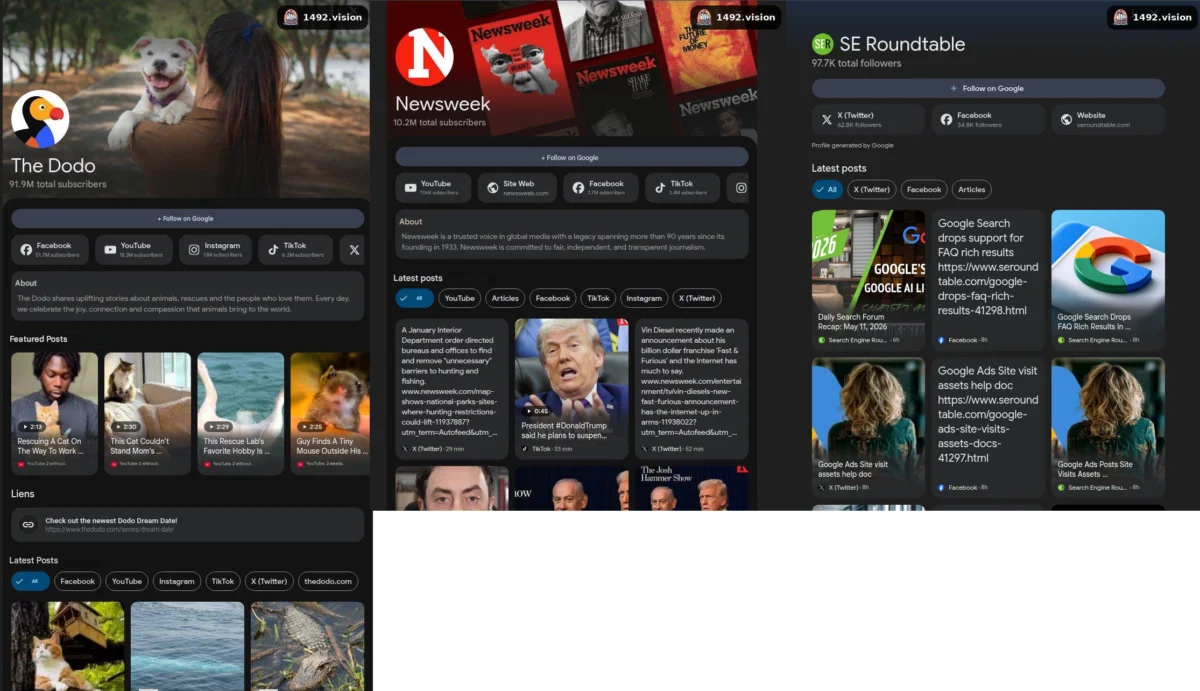
Google is actively rolling out significant enhancements to its Google Discover publisher pages, introducing a suite of features designed to offer content creators greater control over their brand presentation and content promotion within the popular personalized feed. These updates include the integration of custom links, the ability to feature specific posts (now referred to as "Pinned" content), the option for larger header images, and sharper logo displays. This strategic move is widely presumed to be manageable by publishers through a dedicated "claiming" process, similar to how entities assert ownership and manage their presence across other Google platforms.
The introduction of these advanced customization options marks a pivotal moment in the evolution of Google Discover, reinforcing its role not just as a content aggregator, but as a robust platform for publishers to cultivate their brand identity and guide users to their most important content. Industry observers and early adopters have noted these changes, with initial observations indicating a shift towards a more dynamic and publisher-centric interface.
Unpacking the Update: Enhanced Publisher Control and Visibility
The core of this latest Google Discover update lies in empowering publishers with tools previously unavailable or less refined. Each new feature serves a specific purpose in bolstering a publisher’s presence and engagement potential:
- Custom Links: Beyond standard social media profiles, publishers will now have the flexibility to add bespoke links. This opens avenues for directing users to specific sections of their website, subscription pages, merchandise stores, or even sister publications, offering a more direct and tailored pathway for user engagement. This move signifies Google’s recognition of the diverse touchpoints publishers maintain with their audience.
- Featured Posts (Now "Pinned"): Renamed from "Featured Posts" to "Pinned," this functionality allows publishers to highlight crucial articles, evergreen content, or timely announcements at the top of their Discover page profile. This ensures that key pieces of content receive maximum visibility, regardless of their original publication date, enabling publishers to strategically showcase their best work or most relevant information to a highly engaged audience.
- Larger Header Images: Aesthetically, the provision for larger header images transforms the publisher page into a more visually compelling destination. This enhanced canvas offers a prime opportunity for branding, allowing publishers to utilize high-impact visuals that resonate with their brand identity and capture user attention more effectively.
- Sharper Logos: Complementing the larger header images, sharper logo displays ensure that a publisher’s brand mark is presented with utmost clarity and professionalism. In a visually driven digital landscape, a crisp, high-resolution logo is paramount for brand recognition and conveying credibility.
- Order of Links and Content Tabs: Perhaps one of the most significant functional improvements is the ability for publishers to customize the order of their social media links and content tabs. Previously, this order was often algorithmically determined, sometimes based on follower counts. Now, publishers can strategically prioritize, for instance, placing their official website link first, followed by their YouTube channel, Instagram, or a dedicated "Articles" tab. This newfound control allows for a deliberate user journey, aligning with a publisher’s specific content strategy and audience engagement goals.
The Genesis of Discover Publisher Pages: A Chronology
The evolution of Google Discover’s publisher pages is part of a broader, ongoing strategy by Google to enhance content discovery and provide richer experiences for both users and content creators.
- August 2023: Google initiated the initial rollout of what it referred to as "Google Discover publisher entity pages." This marked the first formal attempt to give publishers a dedicated, branded presence within the Discover feed, moving beyond simple article cards. The goal was to provide a centralized hub where users could explore more content from a specific source.
- September 2023: Following the initial pilot, Google officially launched these publisher pages, coinciding with the broader rollout of the "Follow" feature. The "Follow" button, prominently displayed on Discover cards, allowed users to subscribe to content from specific publishers directly within the Google app, funneling these subscriptions into a dedicated "Following" tab. The publisher pages served as the profile for these followed entities, offering a deeper dive into their content ecosystem.
- Ongoing Tweaks: Since their official launch, Google has consistently iterated on these pages. Minor adjustments to layout, content display, and functionality have been observed, indicating Google’s commitment to refining the user experience and publisher utility. These incremental improvements have paved the way for the more substantial update currently being rolled out.
- May 2024 (Current Observation): The latest wave of updates, encompassing custom links, featured posts, and enhanced visual branding, was first identified and documented by Damien (Andell) via screenshots posted on X (formerly Twitter). Damien’s observations provided concrete evidence of the new functionalities, showcasing the stark contrast between the previous, more basic publisher page format and the new, enriched version. His detailed breakdown, despite some Google Translate nuances, highlighted the customizable link ordering, citing examples like NewsWeek prioritizing YouTube and Delish opting for their website first.
Contextualizing the Update: Google’s Broader Content Strategy
These enhancements to Google Discover publisher pages are not isolated changes but fit squarely within Google’s overarching strategy for content indexing, discovery, and user engagement. Google has been increasingly focusing on "entities" – real-world concepts, people, places, and organizations – to better understand and organize information. Publisher pages align perfectly with this entity-centric approach, treating each publisher as a distinct entity with a unique brand and body of work.
Moreover, the update underscores Google’s efforts to compete effectively in the dynamic landscape of content consumption. In an era where users increasingly turn to social media platforms like X, Instagram, TikTok, and YouTube for personalized content feeds, Google Discover aims to offer a compelling alternative rooted in its vast indexing capabilities and sophisticated personalization algorithms. By providing publishers with tools to curate their presence and direct users to their various platforms, Google effectively strengthens Discover as a primary gateway for content consumption, fostering deeper connections between creators and their audience directly within the Google ecosystem. This also helps Google in retaining users within its suite of products, reducing fragmentation in content discovery.
Implications for Publishers: Branding, Engagement, and Traffic
For publishers, these new features represent a significant opportunity to optimize their presence on Google Discover and achieve several strategic objectives:

- Enhanced Branding and Professionalism: The ability to use larger header images and sharper logos allows publishers to project a more polished and professional image. This visual consistency is crucial for brand recognition and building trust with an audience. A well-designed publisher page can serve as a powerful extension of a brand’s identity, reinforcing its values and aesthetic.
- Direct Traffic Generation: Custom links provide a direct conduit for driving traffic to specific, high-priority destinations beyond just individual articles. Publishers can strategically link to their homepage, subscription offers, product pages, or other content hubs, potentially increasing conversion rates and user engagement with their broader digital presence.
- Strategic Content Promotion: The "Pinned" posts feature is invaluable for content strategy. Publishers can highlight their most impactful investigative pieces, popular evergreen content, critical announcements, or subscription-driving articles. This ensures that valuable content, which might otherwise get lost in a chronological feed, remains prominently visible to interested users.
- Improved Audience Engagement and Retention: By allowing publishers to control the order of their links, they can guide users through their preferred engagement channels. For a video-first publisher, leading with YouTube makes sense. For a news outlet, prioritizing the website or a specific news section could be more effective. This tailored approach caters to audience preferences and encourages deeper interaction with the publisher’s diverse content offerings, fostering loyalty.
- Indirect SEO Benefits: While Discover is distinct from traditional Google Search, a stronger brand presence, increased direct traffic, and higher engagement rates within Discover can indirectly contribute to overall SEO performance. Strong user signals, brand authority, and consistent content production are factors that Google’s algorithms consider across its various products, potentially benefiting a publisher’s visibility in broader search results.
- Diversified Content Strategy: The flexibility in link ordering, as exemplified by NewsWeek putting YouTube first, suggests that publishers can use these pages to showcase the diversity of their content formats and platforms. This encourages a multi-platform strategy, allowing publishers to connect with users wherever they consume content.
The User Experience: Streamlined Discovery and Connection
From a user perspective, these updates promise a more intuitive, richer, and personalized content discovery experience:
- Easier Navigation: Users who discover a publisher through a single article can now more easily explore the full breadth of their content across different platforms. The ability to directly access a publisher’s website, social media, or specific content categories from a single Discover page streamlines the user journey.
- More Curated Content: "Pinned" posts mean users are more likely to encounter what the publisher deems their most important or representative work, offering a better introduction to the brand’s unique value proposition.
- Enhanced Trust and Authority: A well-branded, professional-looking publisher page, complete with crisp logos and relevant links, instills greater trust and reinforces the authority of the content source. This is particularly crucial in an era where discerning credible information is paramount.
- Personalized Engagement: The customization options allow publishers to tailor their Discover presence to what best serves their audience, leading to a more relevant and satisfying content consumption experience for the end-user.
Managing the New Features: The "Claim Your Page" Hypothesis
While Google has yet to release an official announcement detailing the administrative process for these new features, the consensus among industry experts is that publishers will manage these enhancements through a dedicated "claiming" process. This model is consistent with how Google handles other entity profiles, such as Google My Business for local businesses or Google Search Console for website owners.
It is highly probable that publishers will need to:
- Verify Ownership: Demonstrate ownership of their website or content entity through existing Google tools like Search Console.
- Access a Dedicated Interface: Google may introduce a new section within Search Console, Google Publisher Center, or a similar dashboard specifically for managing Discover publisher pages.
- Configure Settings: Within this interface, publishers would likely find options to upload larger header images, update logos, add custom links, specify "Pinned" posts, and rearrange the order of their social media and website links.
This "claim and control" model empowers publishers directly, removing reliance on algorithmic assumptions for their page’s presentation and allowing for a dynamic, strategy-driven approach to their Discover presence. For publishers, proactive engagement with these tools will be critical to maximizing their visibility and engagement within Google Discover.
Expert Analysis and Industry Outlook
Industry analysts generally view this update as a positive and necessary step for Google Discover. It addresses a long-standing desire from publishers for greater control over their brand representation on key discovery platforms. The trend toward richer, more customizable entity profiles is evident across the digital landscape, and Google’s move brings Discover more in line with these expectations.
Experts suggest that this evolution will likely lead to:
- Increased Publisher Investment: As Google Discover offers more robust branding and engagement tools, publishers are expected to invest more time and resources into optimizing their presence on the platform.
- Enhanced Competition: The improved features could intensify competition among publishers to capture user attention within Discover, driving innovation in content quality and presentation.
- Future Expansions: This update could be a precursor to further enhancements, such as integration with Google’s subscription services, direct monetization options, or more sophisticated analytics for publisher pages.
The evolving landscape of content distribution demands platforms that not only deliver content efficiently but also allow creators to build and sustain their brand identity. Google Discover’s latest update is a clear indication that Google is listening to these demands, positioning the platform as an increasingly valuable asset for publishers seeking to connect with their audience in a personalized, visually engaging, and strategically controllable manner.
In conclusion, the ongoing rollout of enhanced features for Google Discover publisher pages, including custom links, "Pinned" posts, improved visuals, and customizable link ordering, signifies a strategic pivot by Google. This update empowers publishers with unprecedented control over their brand identity and content promotion within the Discover ecosystem, fostering deeper user engagement, driving targeted traffic, and reinforcing Google Discover’s position as a critical platform for content discovery in the digital age. Publishers who proactively leverage these new tools stand to gain significant advantages in a competitive and rapidly evolving content landscape.