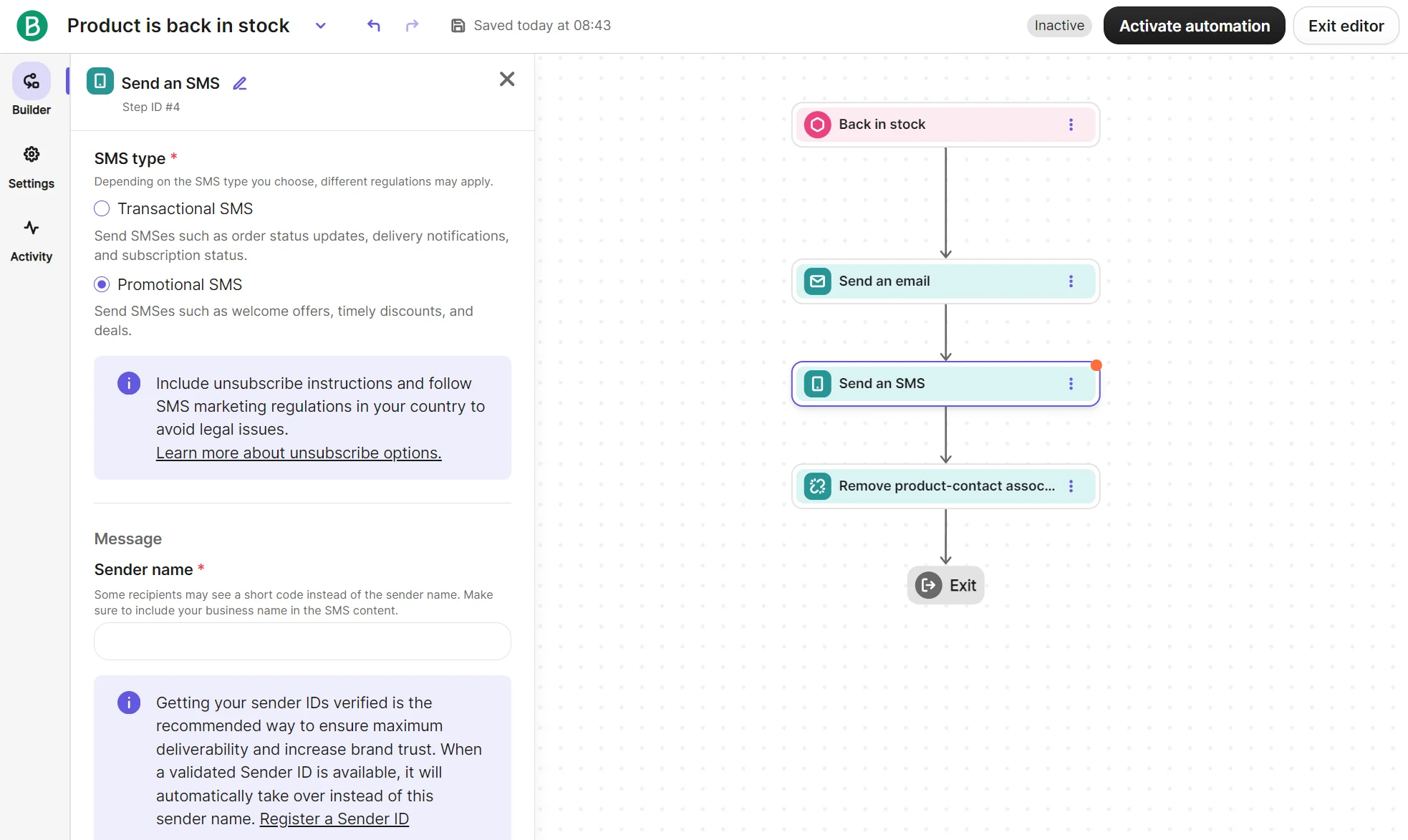
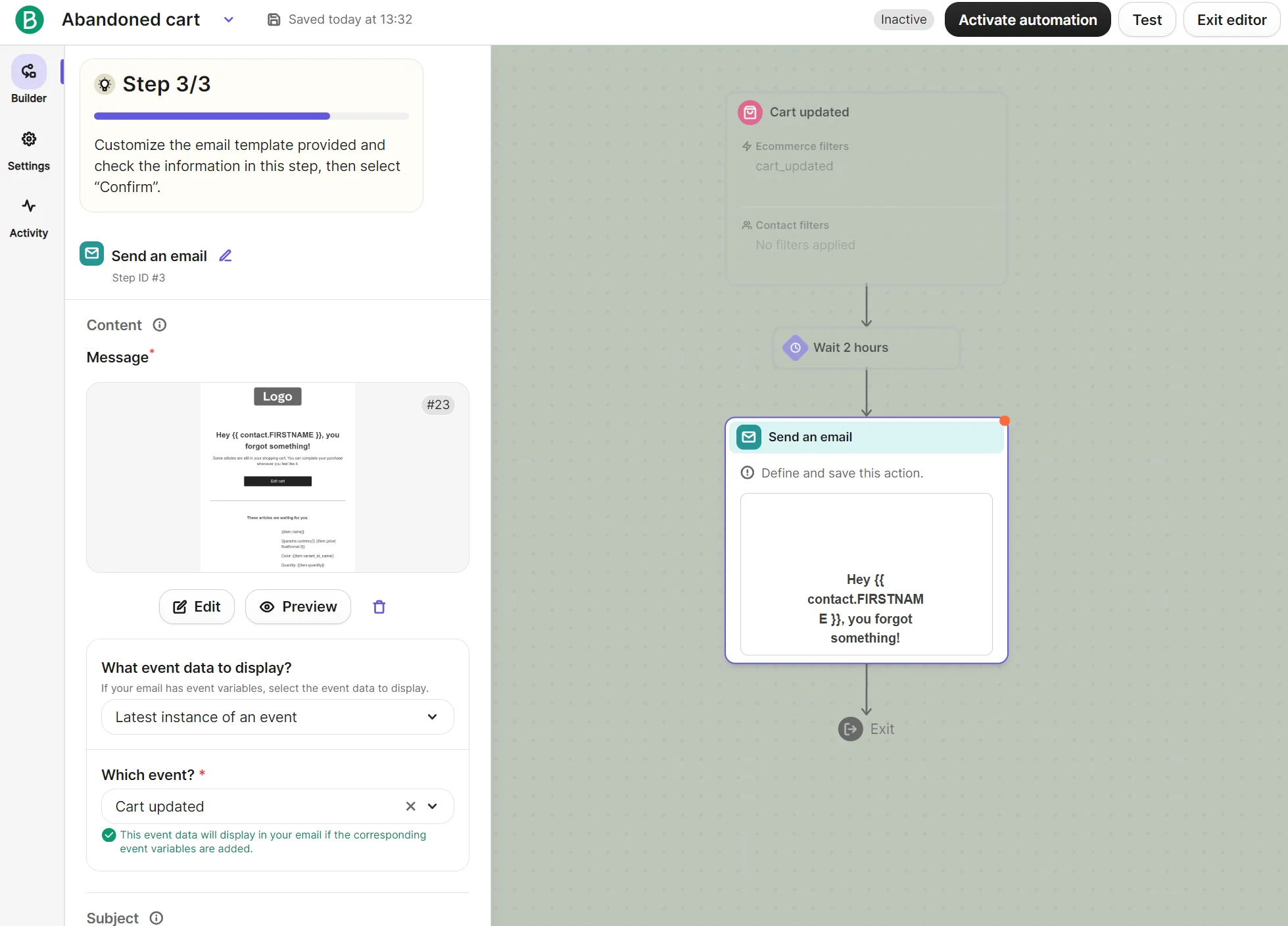
In the increasingly competitive and dynamic landscape of digital marketing, selecting the optimal platform for audience engagement and revenue generation is a pivotal decision for businesses and individual creators alike. The market offers a plethora of tools, each with its unique strengths and strategic focus. Among the most discussed are ConvertKit, recently streamlined and officially known as Kit, and Brevo, which evolved from Sendinblue. While both platforms are stalwarts in email marketing automation, they distinctly cater to different operational paradigms: ConvertKit is meticulously crafted for content creators – influencers, bloggers, podcasters, and online educators – who primarily monetize and market their intellectual property and content; Brevo, conversely, is engineered for established businesses that contend with extensive customer lists, intricate sales pipelines, and the comprehensive demands of customer relationship management (CRM). This comprehensive analysis delves into the core functionalities, strategic advantages, and practical implications of each platform, covering their pricing models, automation capabilities, marketing toolsets, contact management features, monetization options, and overall utility, all presented with a professional journalistic lens to inform prospective users.
Strategic Positioning and Core Value Propositions
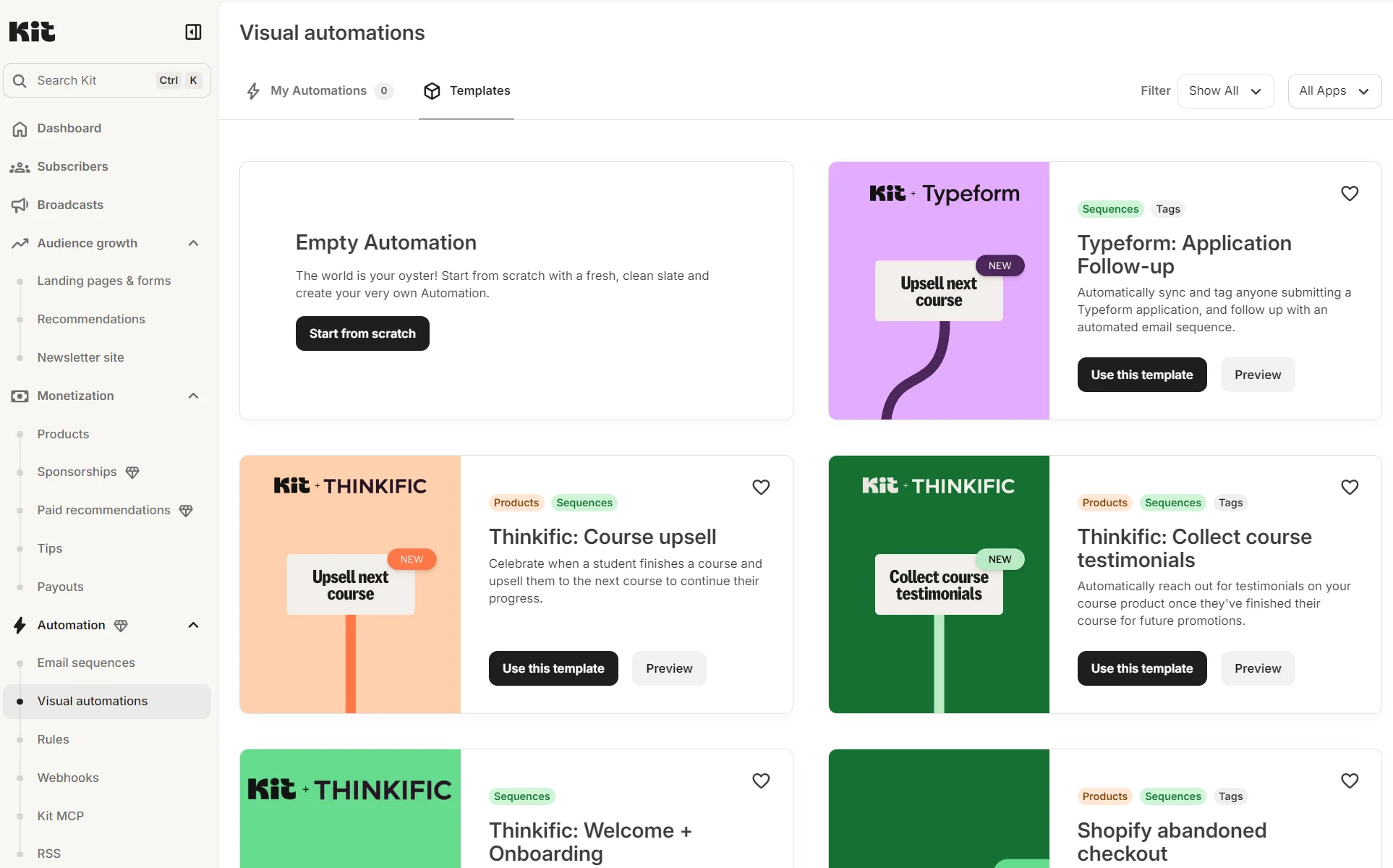
The fundamental difference between Kit and Brevo lies in their intended user base and the problems they aim to solve. Kit has cultivated a strong reputation within the creator economy, positioning itself as the essential tool for individuals and small teams building an audience and directly monetizing their expertise or content. Its features are tailored to simplify the journey from subscriber acquisition to digital product sales. Brevo, on the other hand, has