The traditional B2B sales funnel is undergoing a radical transformation as SaaS companies grapple with declining demo request volumes and a fundamental shift in buyer behavior. For years, the "Request a Demo" call-to-action (CTA) was treated as a primary conversion point, yet recent industry data suggests that this high-friction request is increasingly out of sync with how modern buyers navigate the software procurement process. As of July 2026, marketing analysts and conversion experts are signaling a move away from aggressive lead capture in favor of transparency, education, and intent-based targeting.
The disconnect between marketing output and sales outcomes has reached a critical juncture. While marketing departments frequently respond to low demo volumes by increasing ad spend on demo-specific campaigns, the core issue often remains unaddressed: the demo request is no longer a low-friction entry point. According to the 2025 LinkedIn Ads Benchmark Report by Dreamdata, the average B2B customer journey now spans 211 days and involves approximately 88 distinct touchpoints. In this prolonged research cycle, asking a prospect to book a live sales call before they have established significant trust is increasingly viewed as a strategic error.
The Chronology of a Shifting Funnel
The evolution of the SaaS demo landing page can be traced through several key industry shifts over the last three years. In 2024, Unbounce’s Conversion Benchmark Report established a median conversion rate for SaaS landing pages at 3.8%. However, by 2025, first-party research from B2B consultants indicated that this number had dipped toward 3.1% for teams failing to adapt to a "research-first" buyer model.
A significant catalyst for change arrived in early 2025, when Google updated its ad quality prediction model. This update began rewarding landing pages that provided comprehensive navigation and access to relevant research materials, effectively penalizing the "no-exit" landing pages that had been a staple of the industry for a decade. This move forced SaaS marketers to reconsider the "walled garden" approach to demo pages, shifting toward an ecosystem where the demo request is the final step in a multi-stage educational journey rather than the first.
The Core Four Framework: A New Tactical Roadmap
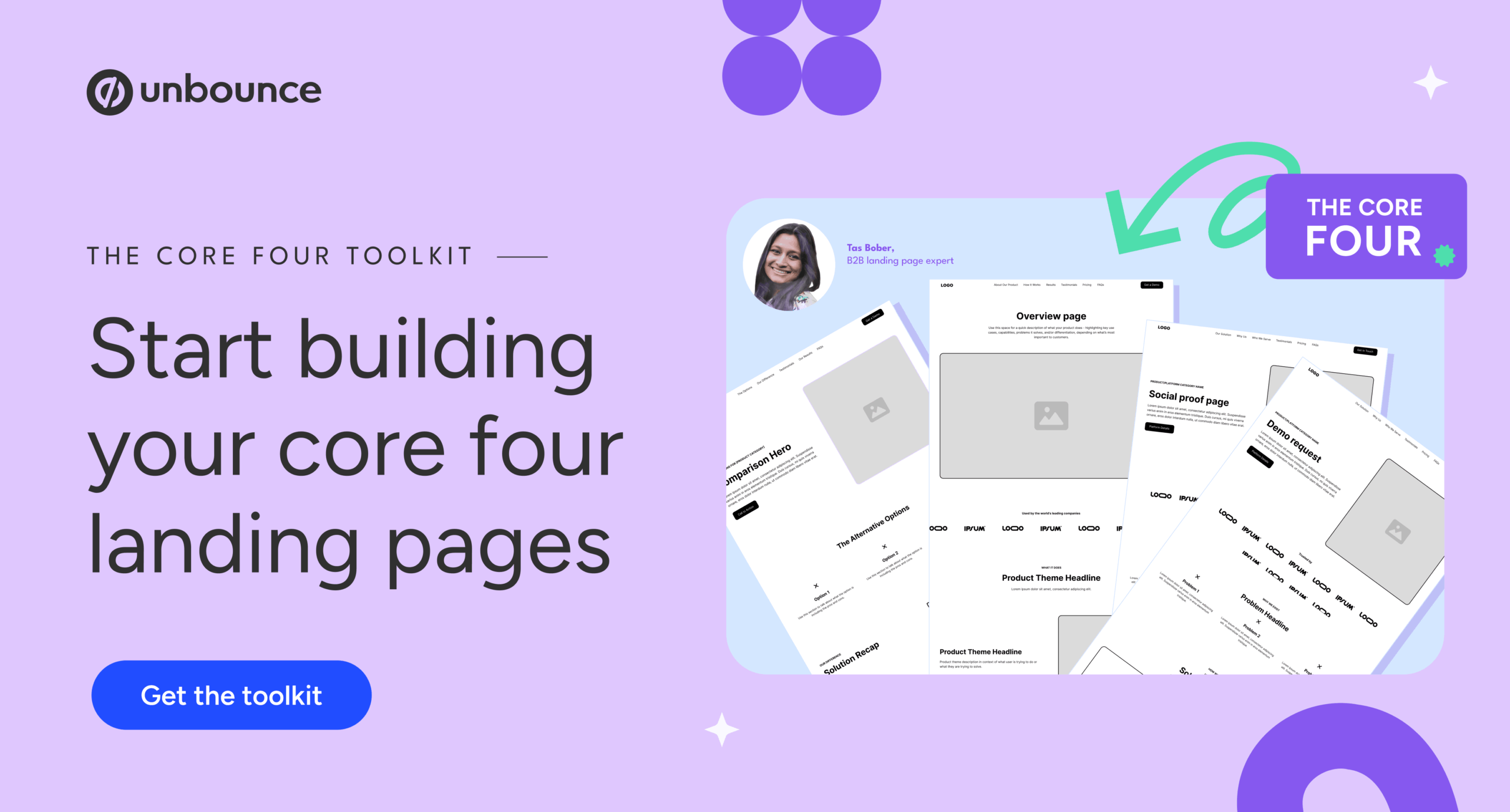
To address the complexities of the 88-touchpoint journey, B2B landing page experts like Tas Bober have championed the "Core Four" framework. This methodology posits that a demo landing page cannot exist in isolation; it must be the culmination of a four-part narrative structure:
- Top-of-Funnel (TOFU) Educational Content: Pages designed to build awareness and provide value without an immediate sales pitch.
- Problem/Solution Identification: Content that aligns the software’s capabilities with the specific pain points of the target audience.
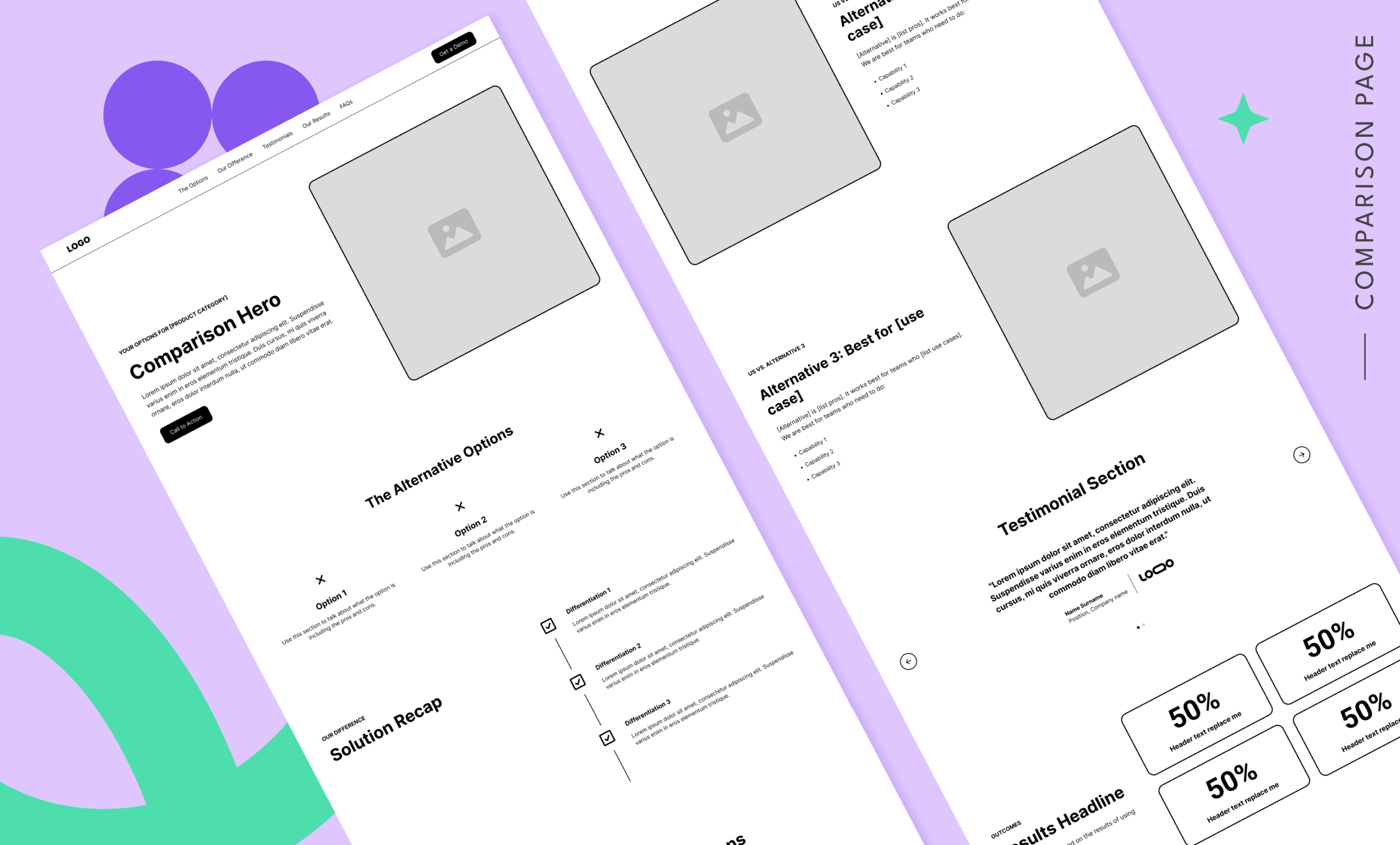
- Comparison and Validation: Direct comparisons against competitors and industry alternatives to help buyers narrow their shortlist.
- The High-Intent Demo Page: The final destination for "warm" traffic that has already engaged with the previous three stages.
Industry analysis suggests that the failure of many demo pages stems from a "traffic mismatch." When cold traffic—users who have not yet identified their specific needs or compared alternatives—is sent directly to a demo request form, the conversion ceiling is low. Experts argue that only 3% to 5% of a given market is in an active buying cycle at any time. Consequently, the most successful SaaS firms in 2026 are those that reserve their demo page for high-intent visitors coming from branded search, retargeting campaigns, or direct navigation from comparison pages.
Structural Requirements for the Modern Demo Page
For the 3% of visitors ready to engage, the demo landing page must function as a tool for final reassurance rather than a basic introduction. Data-driven best practices now dictate a specific block-by-block architecture designed to eliminate friction.
Navigational Transparency and Google Compliance
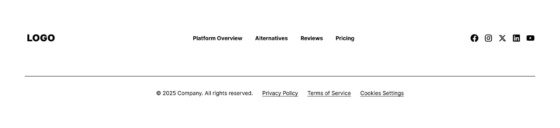
In response to the 2025 Google algorithm changes, high-performing demo pages now incorporate "anchor navigation." This allows users to jump to specific sections—such as pricing, FAQs, or testimonials—without leaving the page. Furthermore, a minimal footer linking to other "Core Four" pages ensures that if a visitor is not yet ready to book a call, they remain within the company’s digital ecosystem rather than bouncing back to a search engine.
The Hero Section and Process Clarity
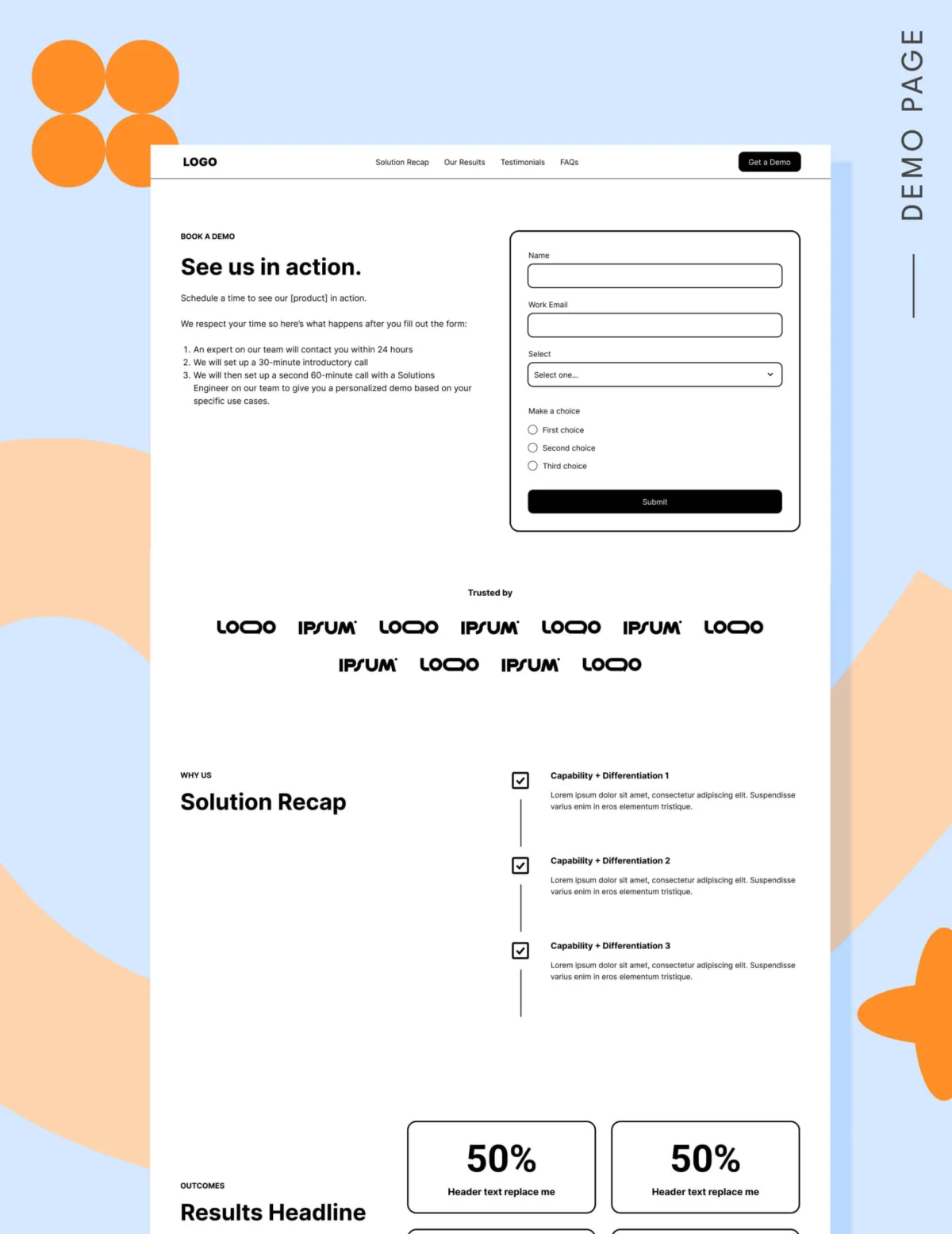
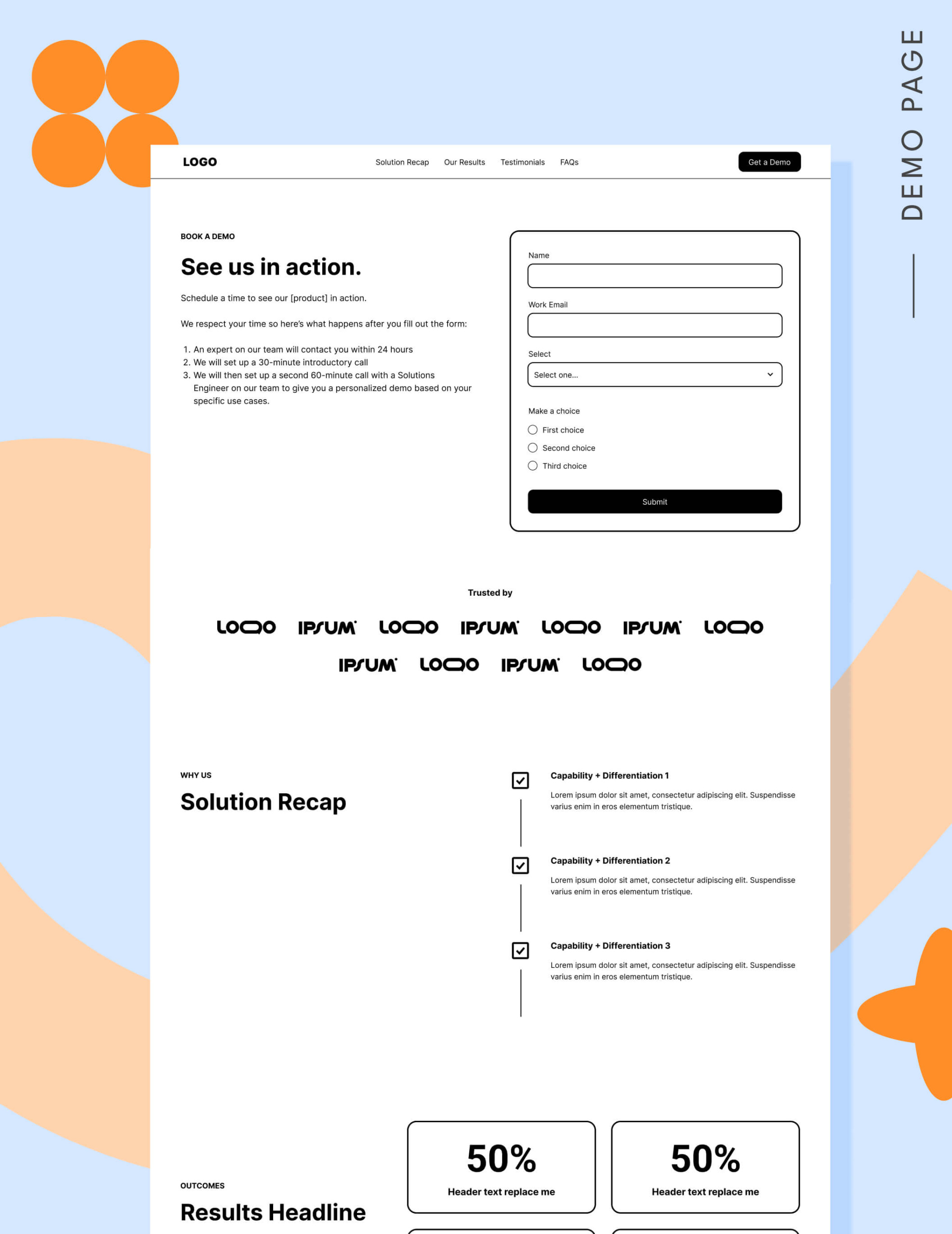
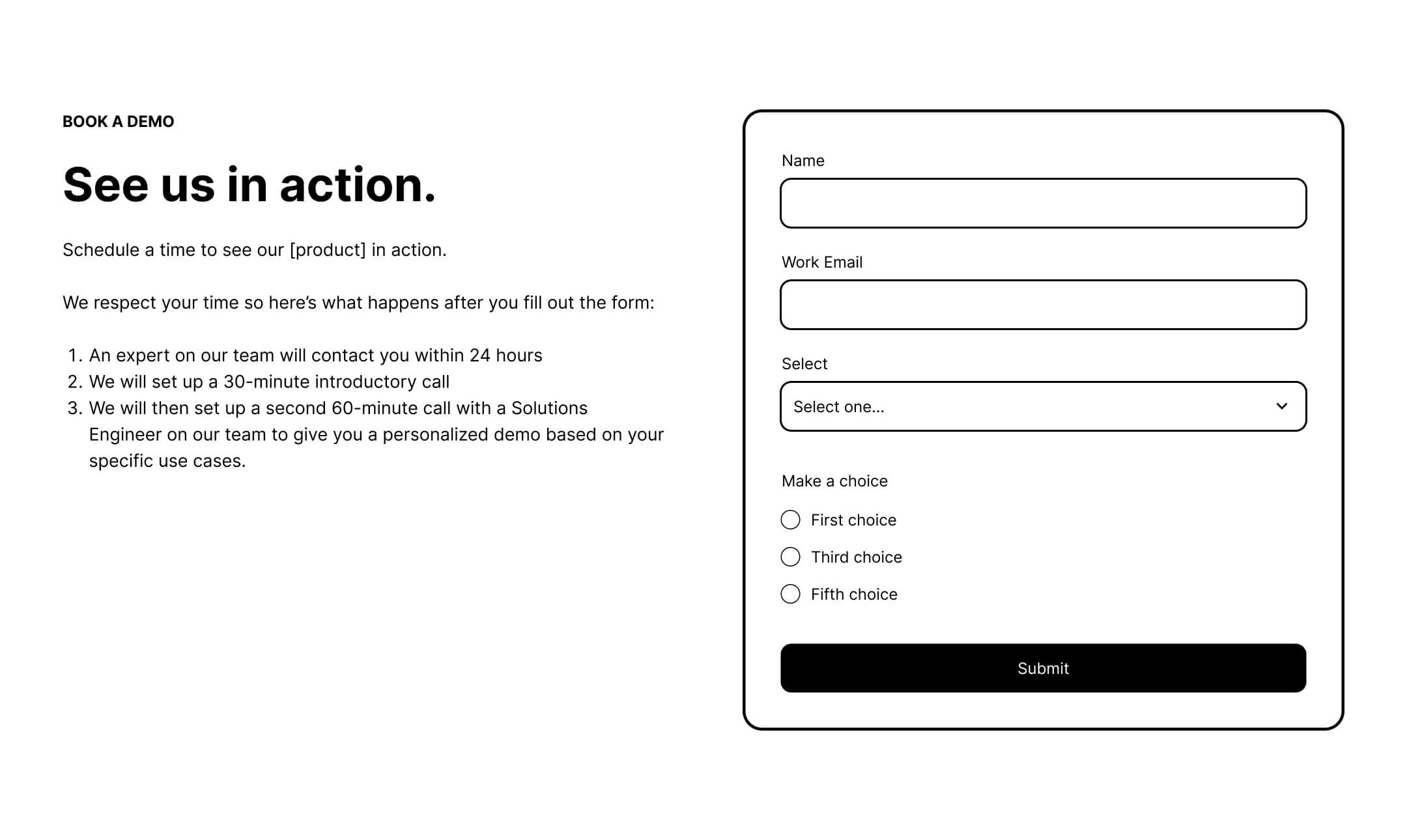
The most common psychological barrier to requesting a demo is the "fear of the unknown." Prospects often worry that a demo request will lead to aggressive, unceasing sales follow-ups. To mitigate this, 2026 best practices require the hero section to explicitly detail the post-submission process. Successful pages now answer four critical questions above the fold:

- Who will the buyer speak with (e.g., an Account Executive or a Product Specialist)?
- How long will the initial call last?
- Will there be a discovery phase before a technical walkthrough?
- What is the typical timeline for follow-up?
The Proof Stack: Logo Gardens and Quantifiable Results
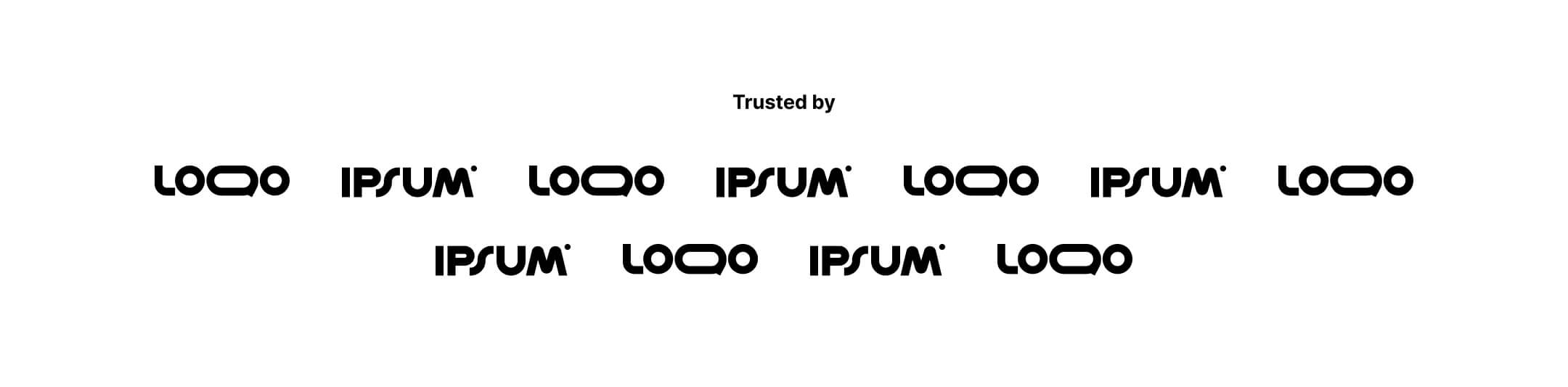
Social proof has evolved beyond simple logo displays. While "logo gardens" remain effective for established brands, emerging SaaS companies are finding higher conversion rates by utilizing "light testimonials"—one- to two-line quotes that specifically address the "shortlist" decision. Additionally, the inclusion of 6 to 12 testimonials is now considered the baseline for building the necessary volume of trust, mimicking the "review density" seen on consumer platforms like Amazon.
The Pricing Debate: Transparency as a Filter
One of the most contentious shifts in 2026 is the inclusion of pricing on sales-led demo pages. Historically, B2B companies hid pricing to force a sales conversation. However, contemporary analysis shows that this lack of transparency often backfires, leading to "lead quality" issues where sales teams waste hours on prospects who cannot afford the solution.
By providing a "starting at" range or a condensed pricing grid, SaaS companies are effectively using their landing pages as a qualification tool. This transparency builds immediate trust and ensures that the leads reaching the sales team are already budget-qualified. For product-led companies with a secondary sales motion, showing the most popular enterprise tiers alongside a "Request a Demo" button has been shown to improve lead quality scores by up to 40%.
Technical Optimization: Forms vs. Scheduling Tools
The mechanics of the demo request itself have also been refined. 2026 conversion benchmarks indicate a sharp drop-off in form completions after five fields. Data shows that conversion rates plummet from 17% at five fields to under 7% when ten or more fields are required. The current industry standard is to use a maximum of five fields, focusing only on the most critical qualifying question—such as company size or primary use case.
Furthermore, the choice between a static form and an embedded scheduling tool (like Calendly) has become a strategic decision based on lead volume. Scheduling tools are increasingly preferred for high-intent, qualified traffic, as they provide an immediate "win" for the buyer. Conversely, static forms remain the standard for higher-volume, lower-intent traffic where an automated or manual qualification step is required before a representative’s calendar is opened.
Market Implications and the Rise of the "Soft Path"
The broader impact of these changes is a fundamental rebranding of the sales entry point. Many SaaS leaders are moving away from the "Request a Demo" terminology entirely. Case studies, such as those from the firm FORM, indicate that changing the CTA to "Take a Tour" and providing an interactive, self-guided demo on the landing page can increase PPC conversions by as much as 33%.
This "softer path" acknowledges that the modern buyer wants to "test drive" the product before committing to a human interaction. Weekly demo webinars and recorded walkthroughs are being used as intermediate steps, allowing buyers to engage at their own pace. This respect for the buyer’s time and autonomy has become a hallmark of successful B2B marketing in the mid-2020s.
Conclusion: The Shift Toward Buyer-Centricity
As the SaaS landscape becomes increasingly crowded, the demo landing page has evolved from a simple lead capture tool into a complex instrument of trust and qualification. The data from 2024 through 2026 suggests a clear mandate for marketers: fix the targeting first, then optimize the experience. By aligning the page structure with the 211-day buyer journey and addressing the inherent frictions of the sales process, companies can bridge the gap between marketing volume and sales velocity. The future of SaaS lead generation lies not in the persistence of the "Request a Demo" button, but in the transparency and education that surround it.