Instapage, a leading landing page platform for marketers and digital agencies, has officially announced the rollout of its new AI-powered Schema Markup feature, a strategic move designed to help brands navigate the increasingly complex landscape of search engine optimization and artificial intelligence-driven discovery. The tool allows users to generate, validate, and implement structured data directly within the Instapage environment, effectively removing the technical barriers that have historically prevented many marketing teams from optimizing their pages for rich snippets and AI answer engines. As global marketing budgets face increased scrutiny and traditional advertising costs continue to rise, the ability to secure organic visibility through structured signals has moved from a secondary consideration to a primary growth driver.
The introduction of this feature comes at a pivotal moment in the evolution of the internet. For decades, search engine optimization (SEO) was primarily concerned with keywords and backlink profiles. However, the rise of Large Language Models (LLMs) and AI assistants—such as Google’s Search Generative Experience (SGE), Perplexity, and ChatGPT—has shifted the paradigm. These systems do not merely "crawl" text; they seek to understand the context and relationships between data points. Schema markup, specifically in the JSON-LD format, serves as the essential translator between a brand’s human-readable content and the machine-readable data structures required by modern search algorithms.
The Technical Necessity of Structured Data in the AI Era
To understand the significance of Instapage’s latest update, one must examine the role of the Schema.org vocabulary. Founded in 2011 by a consortium including Google, Bing, and Yahoo, Schema.org provides a standardized language for describing the content of a webpage. By using this "structured data," a website can explicitly tell a search engine that a specific string of numbers is a product price, a specific date is a scheduled event, or a specific block of text is a frequently asked question (FAQ).
In the current digital ecosystem, pages lacking these structured signals often remain invisible to advanced AI systems. While a human visitor can easily distinguish a product page from a blog post based on visual design, an AI assistant requires structured data to verify the "who, what, and where" of a business entity. The Instapage Schema Markup tool addresses this "visibility gap" by automating the creation of these signals, ensuring that even pages designed for high-speed lead generation are fully optimized for the technical requirements of modern search.
Features and Functionality of the Instapage Schema Generator
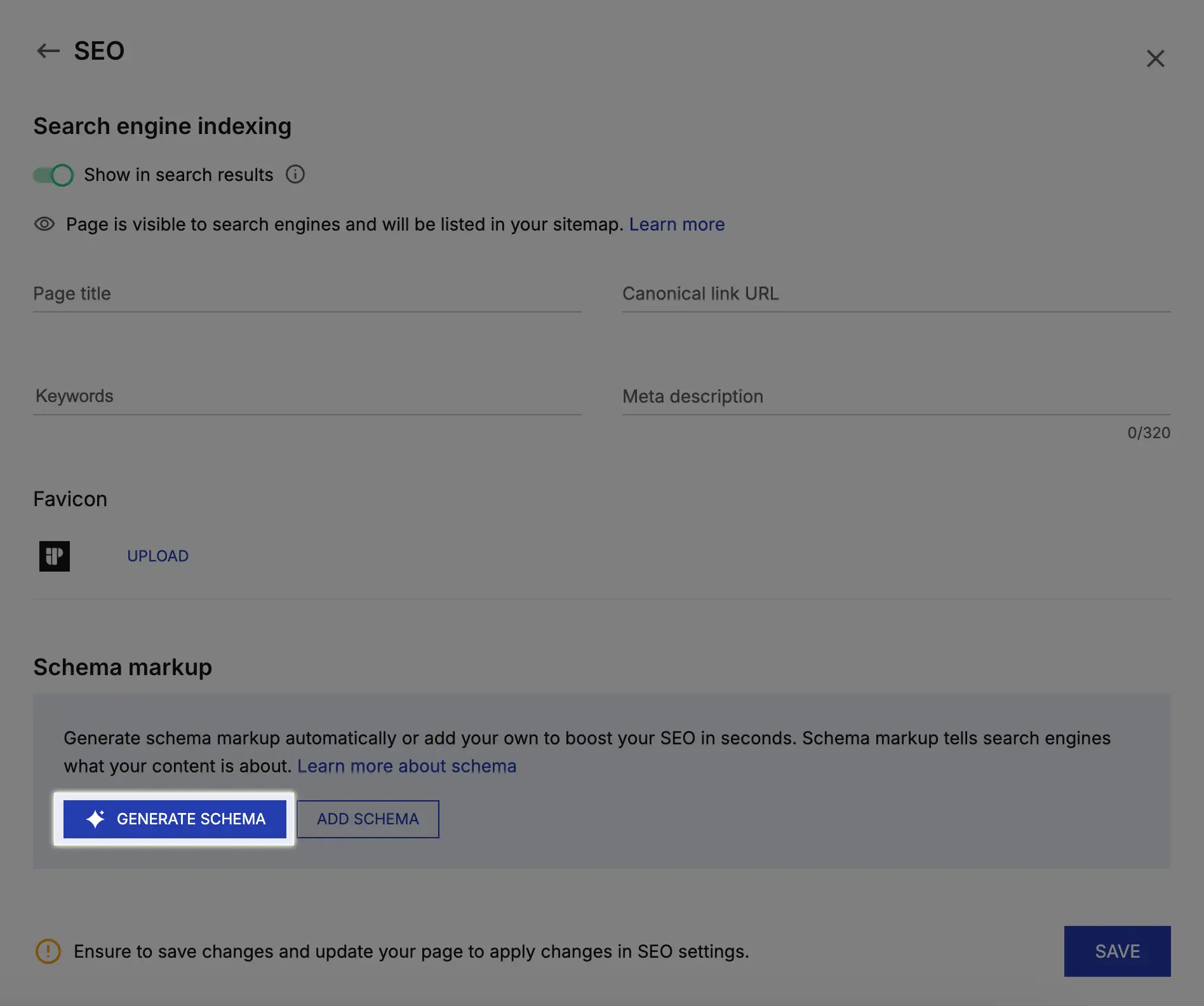
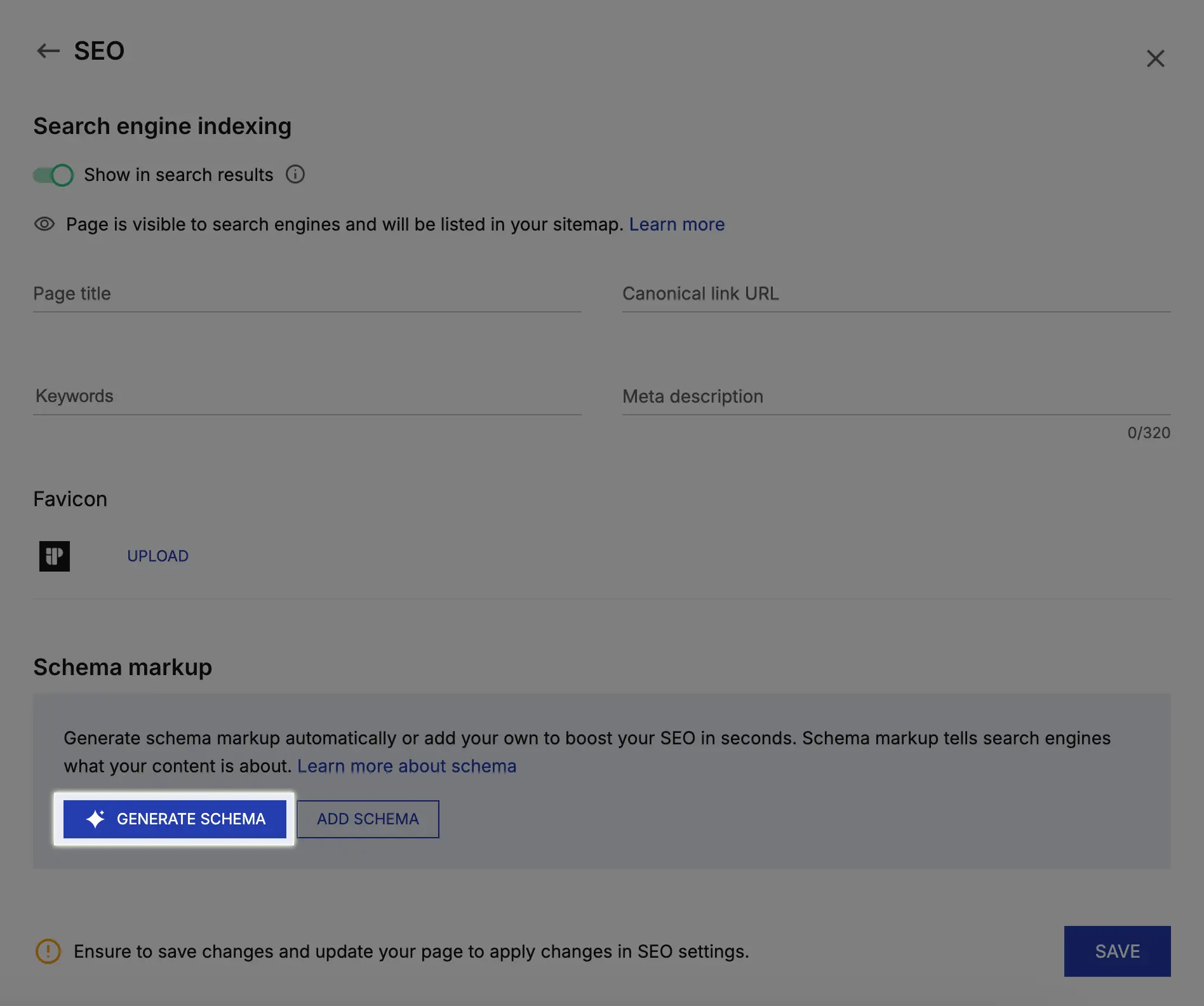
The new functionality is integrated directly into the SEO settings panel of the Instapage builder. It is designed with a "no-code" philosophy, catering to performance marketers who may not have immediate access to web development resources. The feature set includes several key components:
AI-Driven Generation and Auto-Detection
The centerpiece of the update is an AI engine that analyzes the existing content on a landing page to suggest the most appropriate schema types. If a user is unsure which category fits their page, the "Auto-detect" option scans the text, headers, and images to generate the correct JSON-LD markup automatically. This significantly reduces the margin for error and the time required for manual entry.

Comprehensive Schema Library
Instapage supports the most impactful schema types utilized by businesses today. These include:
- Organization and LocalBusiness: Crucial for establishing brand authority and location-based search relevance.
- Product: Enables rich snippets in search results, displaying prices, availability, and review stars.
- Event: Allows marketing campaigns for webinars or conferences to appear in specialized search modules.
- FAQPage: A high-value schema that expands a search result’s vertical real estate by listing common questions and answers directly on the Search Engine Results Page (SERP).
- Person: Ideal for personal branding and influencer-led landing pages.
Validation and Manual Control
Recognizing that technical precision is non-negotiable for SEO, the tool includes a built-in validation step. This ensures that the generated code is free of syntax errors before it is published. For advanced SEO specialists who require granular control, the platform also allows for the manual entry and editing of JSON-LD scripts, providing a hybrid environment for both automated and custom solutions.
Chronology of Development and Market Context
The development of the Schema Markup feature follows a series of updates by Instapage aimed at integrating artificial intelligence into the landing page lifecycle. Over the past 24 months, the platform has introduced AI content generation and heatmapping tools, signaling a broader shift toward a comprehensive "AI-native" marketing suite.
The timeline of this release coincides with significant shifts in the search industry:
- May 2023: Google announces the Search Generative Experience (SGE), highlighting the importance of structured data in fueling AI-generated summaries.
- Late 2023: Industry data begins to show a decline in traditional click-through rates (CTR) as "zero-click searches" (where users find their answer on the SERP without clicking a link) become more prevalent.
- Q1 2024: Instapage enters the beta testing phase for its structured data tools, responding to user demand for better organic performance.
- Present Day: The official launch of the Schema Markup feature across all Instapage plans.
Supporting Data: The Impact of Schema on Marketing Performance
The business case for implementing structured data is supported by a growing body of industry research. According to data from various SEO tracking platforms, pages that utilize schema markup to trigger "rich results" (such as star ratings or price displays) can see an increase in click-through rates of up to 30% compared to standard blue-link results.
Furthermore, a study by Milestone Research found that while only a small percentage of websites currently utilize advanced schema, those that do tend to capture a disproportionate share of voice in voice search and AI assistant queries. In the context of landing pages—which are often the destination for high-cost paid traffic—the ability to supplement paid efforts with high-visibility organic placements is a critical factor in lowering the overall Cost Per Acquisition (CPA).
By automating this process, Instapage is addressing a common bottleneck. Previously, adding schema to a landing page required a developer to manually write the JSON-LD script and inject it into the page’s header code. This process often led to delays in campaign launches. Instapage’s internal data suggests that the new tool reduces the time spent on schema implementation from several hours of cross-departmental coordination to less than five minutes of work for a single marketer.
Industry Reactions and Expert Analysis
The marketing community has reacted positively to the democratization of technical SEO tools. While large enterprises often have dedicated SEO departments to handle structured data, small-to-medium-sized businesses (SMBs) and independent agencies have historically struggled to keep pace with technical requirements.
"The challenge for most performance marketers has never been a lack of desire for SEO; it’s been a lack of bandwidth and technical skill," says Sarah Jenkins, a digital strategy consultant. "By moving schema generation into the landing page builder itself, Instapage is effectively removing the ‘technical debt’ that often plagues marketing campaigns. It allows the person who knows the content best—the marketer—to be the one who defines the data structure."
Industry analysts also point out that this move is a defensive necessity. As search engines become more reliant on AI, they are becoming less tolerant of "thin" content or pages that are difficult to parse. In this environment, structured data is no longer an "extra" for SEO; it is the baseline for entry into the modern search ecosystem.
Broader Implications and Future Outlook
The launch of the Schema Markup feature reflects a broader trend in the software-as-a-service (SaaS) industry: the convergence of creative tools and technical optimization. As AI continues to automate the creative aspects of marketing—such as copywriting and image generation—the competitive advantage is shifting toward those who can best manage the underlying data and infrastructure of their digital assets.
For Instapage, this update strengthens its position in a competitive market against rivals like Unbounce and Leadpages. By focusing on the "discoverability" of a page rather than just its conversion rate, Instapage is acknowledging that a high-converting page is only valuable if it can be found by the target audience.
Looking ahead, the role of schema is expected to expand. Future iterations of structured data may include more specific indicators for AI "trustworthiness" and "authority," particularly in sectors such as finance and healthcare (often referred to as Your Money or Your Life, or YMYL, in Google’s guidelines). By building the infrastructure for schema today, Instapage users are positioning themselves to adapt to these future requirements as they emerge.
In conclusion, the integration of AI-powered Schema Markup into the Instapage platform represents a significant step forward in the professionalization of landing page management. It provides marketers with the tools necessary to compete in an AI-first world, ensuring that their pages are not only beautiful and fast-loading but also fully legible to the machines that now dictate the flow of digital traffic. As the digital landscape continues to fragment across search engines, social media, and AI assistants, the importance of a centralized, structured data strategy will only continue to grow.