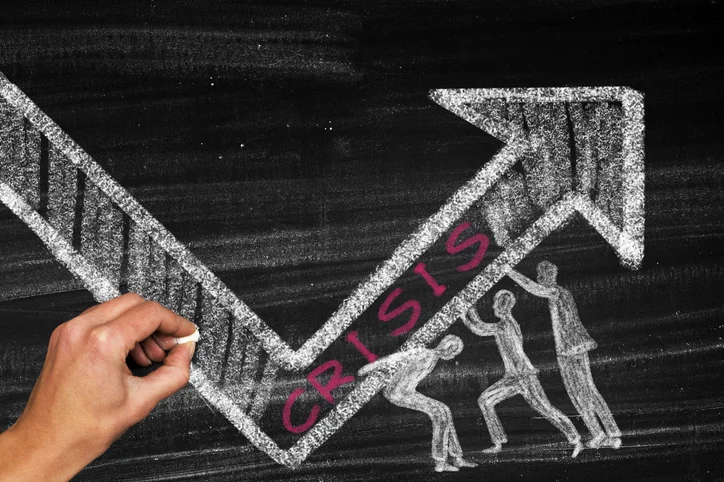
The modern corporate landscape is characterized by a state of "perpetual volatility," where the reputation of an organization can be dismantled in a matter of hours through social media amplification, data breaches, or executive misconduct. In this high-stakes environment, the traditional reactive approach to public relations has been rendered obsolete, replaced by the necessity for robust, scalable crisis communication frameworks. While the specific risks faced by a regional hospital system differ fundamentally from those of a multinational software startup or a global fast-food franchise, the structural requirements for effective crisis management remain remarkably consistent across industries. A successful framework is not a rigid script but a dynamic system of escalation triggers, defined roles, pre-approved message anchors, and rigorous post-incident evaluation protocols.
The shift toward structured frameworks reflects a broader evolution in the field of public relations, moving away from "damage control" toward "strategic risk mitigation." Industry experts argue that the most effective crisis plans are those that prioritize organizational integrity and proactive monitoring over mere speed of response. By establishing a clear hierarchy of action before a crisis occurs, organizations can bypass the paralysis that often accompanies high-pressure situations, ensuring that their response is proportional, ethical, and strategically aligned with their long-term business goals.
Defining the Architecture of a Crisis Communication Framework
A crisis communication framework serves as the operational blueprint for an organization’s response to a disruptive event. It is the mechanism by which leadership decides how a response happens, who is authorized to speak, what information is disseminated, and the timeline for delivery. Rather than a static document that sits on a shelf, a modern framework functions as a living toolkit designed to reduce cognitive load for the communications team during a period of intense stress.
The core components of a high-functioning framework typically include:
- Escalation Triggers: Specific, measurable criteria that determine when an issue has crossed the threshold from a routine operational matter to a communications crisis.
- Tiered Response Plans: A graduated system—often scored by severity—that dictates the level of resources and executive involvement required.
- Defined Roles and Responsibilities: A clear "who’s who" that identifies the crisis lead, the legal liaison, the internal communications head, and the social media monitors.
- Pre-Approved Message Anchors: Core values and "holding statements" that can be deployed immediately to acknowledge an event while specific facts are still being gathered.
- Simulation and Drills: Regular "stress tests" of the plan to build the muscle memory required for a real-world deployment.
At APCO Worldwide, a leading global advisory firm, severity is often determined through a standardized scorecard. According to Linda Barnhart, senior director at APCO, this scoring allows for a graduated response plan mapped to specific levels of threat. This prevents "over-reacting" to minor social media tremors while ensuring that catastrophic failures receive immediate, top-tier executive attention.
The Chronology of a Crisis: From Warning Signs to Resolution
Most corporate crises do not emerge from a vacuum; they are the result of ignored warning signs or a widening "say-do" gap—the distance between an organization’s stated values and its actual behavior. Gregg Feistman, professor of practice at Temple University’s Klein College of Media and Communication, notes that crises frequently stem from a weak explanation of an existing issue rather than a single, unforeseen event.
The typical chronology of a modern crisis can be broken down into four distinct phases:
Phase 1: The Incubation Period
During this stage, the risk is present but has not yet reached the public eye. This is often where executive conduct issues reside. Executive crises are rarely sudden; they are frequently the result of preventable failures that have been allowed to fester for months or years. In many organizations, HR, legal, and communications departments treat these risks as "someone else’s problem." A robust framework closes this gap by assigning clear ownership of executive risk assessment.
Phase 2: The Trigger Event
This is the moment the issue becomes public or reaches a critical mass. In the digital age, the trigger is often a viral social media post, a whistleblower report, or a regulatory filing. The framework’s escalation triggers are designed to catch the crisis at this moment.
Phase 3: The Response and Escalation
The organization enters the "active" phase of the framework. Roles are activated, and tiered response plans are implemented. This is where the organization’s "muscle memory" is tested. Communicators must monitor several early indicators to determine if the situation is worsening:
- An unusual spike in customer service inquiries or complaints.
- A surge in social media mentions, particularly those tagged with high-sentiment keywords.
- Inquiries from major news outlets or high-profile industry influencers.
- Engagement from activist groups or regulatory bodies.
Phase 4: The Evaluation and Recovery
Once the immediate threat has subsided, the framework dictates a formal reflection phase. This is often the most overlooked part of the process, yet it is critical for rebuilding trust and refining the framework for future use.
Data-Driven Insights: The Role of AI in Crisis Management
The integration of Artificial Intelligence (AI) has introduced both a new category of risk and a powerful set of tools for crisis communicators. An AI incident response plan is no longer a luxury but a necessity. According to Katelyn Ringrose, an advisor for the Center for AI Strategy, these plans must include specific triggers for "algorithmic failures," such as a chatbot hallucinating a false policy or a model inadvertently exposing sensitive consumer data.
However, AI also offers significant advantages in preparation and monitoring. Microsoft research indicates that AI-driven tools can significantly improve the efficiency of a PR team by:
- Drafting Initial Statements: Generating multiple versions of a holding statement based on historical data and past crisis responses.
- Real-Time Sentiment Monitoring: Analyzing vast amounts of social media data to detect shifts in public perception faster than human monitors.
- Predictive Analysis: While AI cannot predict a specific crisis, it can analyze industry trends to identify areas where an organization is most vulnerable.
Despite these technological advancements, the "human" elements of public relations—ethical judgment, relationship management, and strategic empathy—remain the most vital components of any framework. AI can process the data, but humans must make the final call on the tone and substance of the response.
Proportionality and the Seat at the Table
One of the most critical rules for any crisis framework is that response must be proportional to the threat. In an era of "cancel culture," there is a temptation to default to the loudest possible reaction. However, experts warn that volume of media coverage does not always correlate with actual damage to business metrics. A "noisy" situation on social media may not require a massive public apology if the core customer base remains unaffected and business operations are stable.
Furthermore, a crisis framework is only as effective as the decisions it supports. Shrita Hernandez, a veteran brand strategy and communications executive, emphasizes that the "perfect message" cannot fix a fundamentally bad business decision. For a framework to be truly effective, the Chief Communications Officer (CCO) must have a "seat at the table" during the decision-making process, not just when it is time to write the press release.
"Communicators need a voice in the decision itself, not just the language around it," Hernandez notes. If an organization chooses a course of action that is ethically or operationally flawed, the communications framework should include a mechanism for the PR team to flag these risks to the CEO and Board of Directors before the decision is finalized.
Building Muscle Memory: The Mount Everest Mindset
The ultimate value of a crisis framework is realized through repetition and training, not through the volume of the documentation. Tim Gilman, head of external communications at Oshkosh Corp., compares crisis preparation to a team training to climb Mount Everest. In his analogy, a leader might randomly shout "pick axe," and the climbers must instantly reach for the tool without thinking.
This "muscle memory" is what separates successful crisis responses from failures. When a crisis hits, the team should not be reading the manual for the first time; they should be executing a plan that has been practiced through tabletop exercises and simulated "fire drills." By the time the pressure is real, the response should be automatic.
Conclusion: The Long-Term Impact of Readiness
In the final analysis, a crisis communication framework is a tool for resilience. It allows an organization to navigate the inevitable storms of the modern business world with a sense of order and purpose. By defining roles, setting clear escalation triggers, and prioritizing post-crisis evaluation, companies can turn a potential catastrophe into an opportunity to demonstrate their values and strengthen their relationship with stakeholders.
As the media landscape continues to fragment and the speed of information increases, the organizations that survive and thrive will be those that view crisis communication not as an emergency function, but as a core competency. Readiness, proportionality, and a commitment to bridging the "say-do" gap are the hallmarks of a framework that does not just manage a crisis, but preserves the future of the brand.