The transition from experimental artificial intelligence to production-grade software has necessitated a fundamental shift in how organizations manage their technical stacks. As the industry moves beyond simple predictive models toward generative systems and autonomous agents, the frameworks required to monitor, scale, and secure these technologies have evolved in tandem. While Machine Learning Operations (MLOps) provided the initial blueprint for managing statistical models, the rise of Large Language Models (LLMs) and agentic workflows has birthed two new disciplines: LLMOps and AgentOps. Understanding the distinctions between these three pillars is no longer a niche requirement for data scientists; it is a strategic imperative for any enterprise aiming to deploy reliable AI at scale.
The Foundation: MLOps and the Era of Predictive Analytics
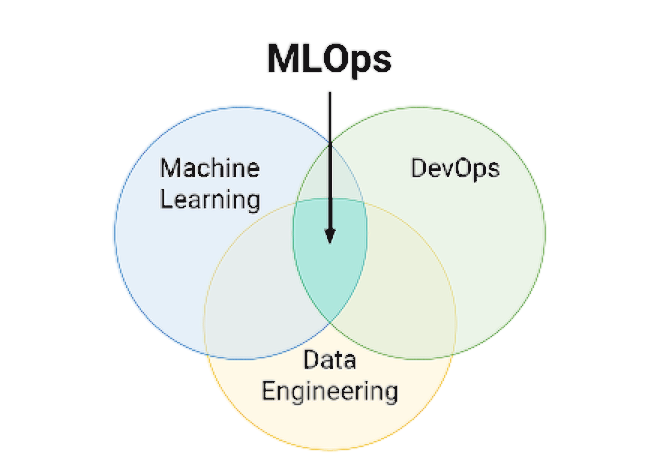
Machine Learning Operations, or MLOps, emerged in the late 2010s as a response to the "hidden technical debt" in machine learning systems. At its core, MLOps is the application of DevOps principles—such as continuous integration, continuous delivery (CI/CD), and automated testing—to the unique lifecycle of machine learning models.
In a traditional MLOps environment, the primary objective is to manage predictive models that ingest structured data to produce specific outputs, such as a probability score for credit risk or a classification for medical imaging. The workflow is characterized by a linear progression: data collection, feature engineering, model training, validation, and deployment.
The metrics of success in MLOps are mathematically rigorous. Engineers focus on objective indicators such as accuracy, precision, recall, and the F1 score. Furthermore, MLOps introduced the critical concept of "data drift" and "concept drift." Because these models are trained on historical snapshots of data, their performance inevitably degrades as real-world conditions change. Consequently, MLOps pipelines are designed to trigger automated retraining sessions whenever a model’s performance dips below a predefined threshold. This structured, reproducible approach transformed AI from a laboratory curiosity into a dependable component of enterprise software.
The Generative Pivot: The Rise of LLMOps
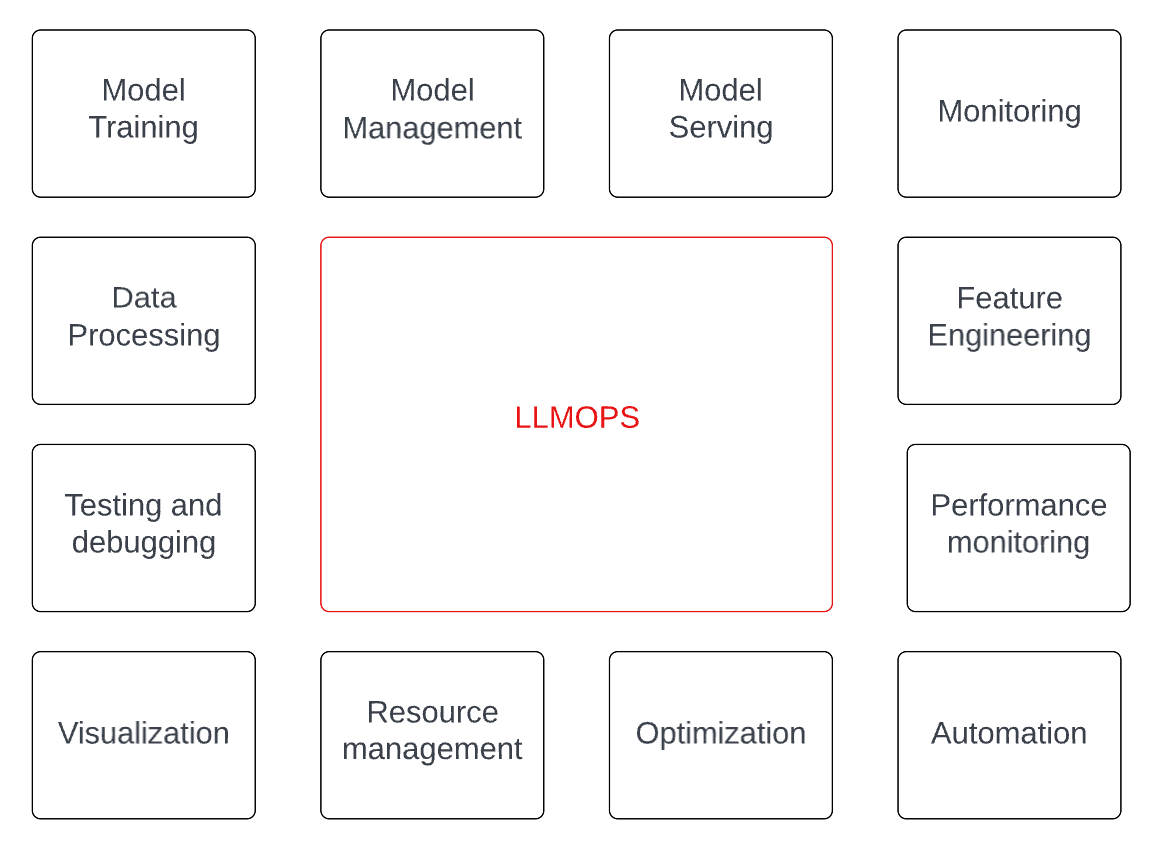
The public release of transformer-based models like GPT-3 and GPT-4 catalyzed the need for LLMOps. While it shares some DNA with MLOps, LLMOps addresses a fundamentally different set of challenges associated with non-deterministic, generative systems. Unlike traditional ML models, which are often trained from scratch by an organization, LLMs are typically massive, pre-trained foundation models accessed via APIs or fine-tuned on specific datasets.
The shift from MLOps to LLMOps represents a move from "data-centric" to "context-centric" operations. In LLMOps, the focus shifts away from feature engineering and toward prompt engineering and Retrieval-Augmented Generation (RAG). A typical LLMOps stack includes vector databases (such as Pinecone or Milvus) to store and retrieve relevant documents, as well as orchestration frameworks like LangChain or LlamaIndex.
One of the most significant hurdles in LLMOps is evaluation. In MLOps, a model is either right or wrong based on a ground-truth label. In LLMOps, the output is natural language, which is subjective and difficult to quantify. This has led to the development of "LLM-as-a-judge" frameworks, where a more powerful model evaluates the quality, relevance, and safety of a smaller model’s response. Additionally, LLMOps introduces the critical constraints of token management and latency. Organizations must monitor "cost-per-query" and "time-to-first-token" (TTFT) to ensure that their generative applications remain economically viable and user-friendly.
The New Frontier: AgentOps and Autonomous Workflows
As of 2024, the industry is witnessing the emergence of AgentOps, a discipline focused on AI agents capable of independent reasoning and multi-step execution. While an LLM-based chatbot simply responds to a prompt, an AI agent can use tools, browse the web, access databases, and interact with third-party software to complete a high-level goal, such as "research this company and draft a personalized sales proposal."
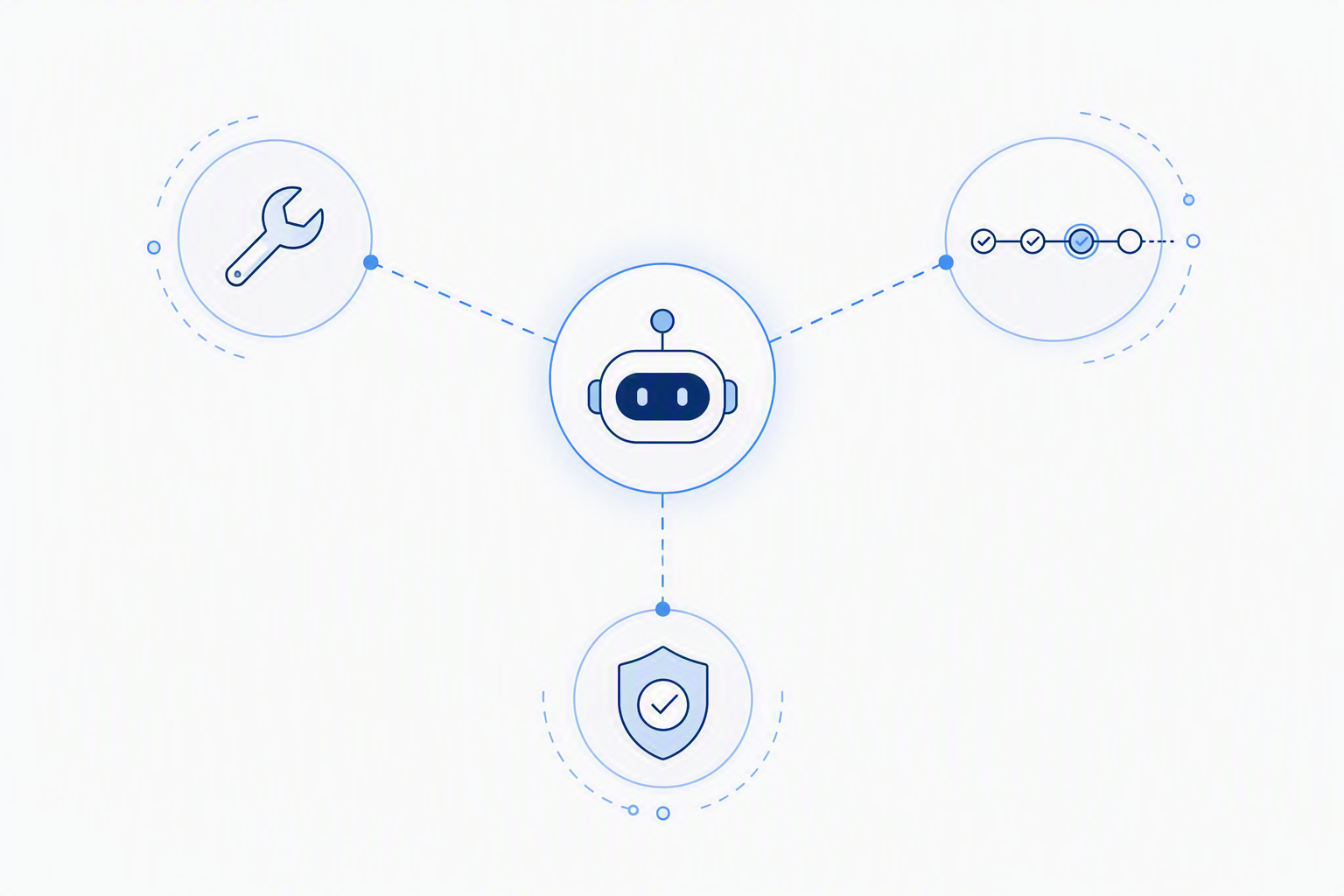
AgentOps is necessitated by the fact that agentic behavior is inherently unpredictable. An agent may enter an infinite loop, hallucinate a tool that doesn’t exist, or make an unauthorized API call. Therefore, AgentOps emphasizes "traceability" and "workflow observability." It requires specialized logging that tracks not just the final output, but the entire "chain of thought" the agent followed.
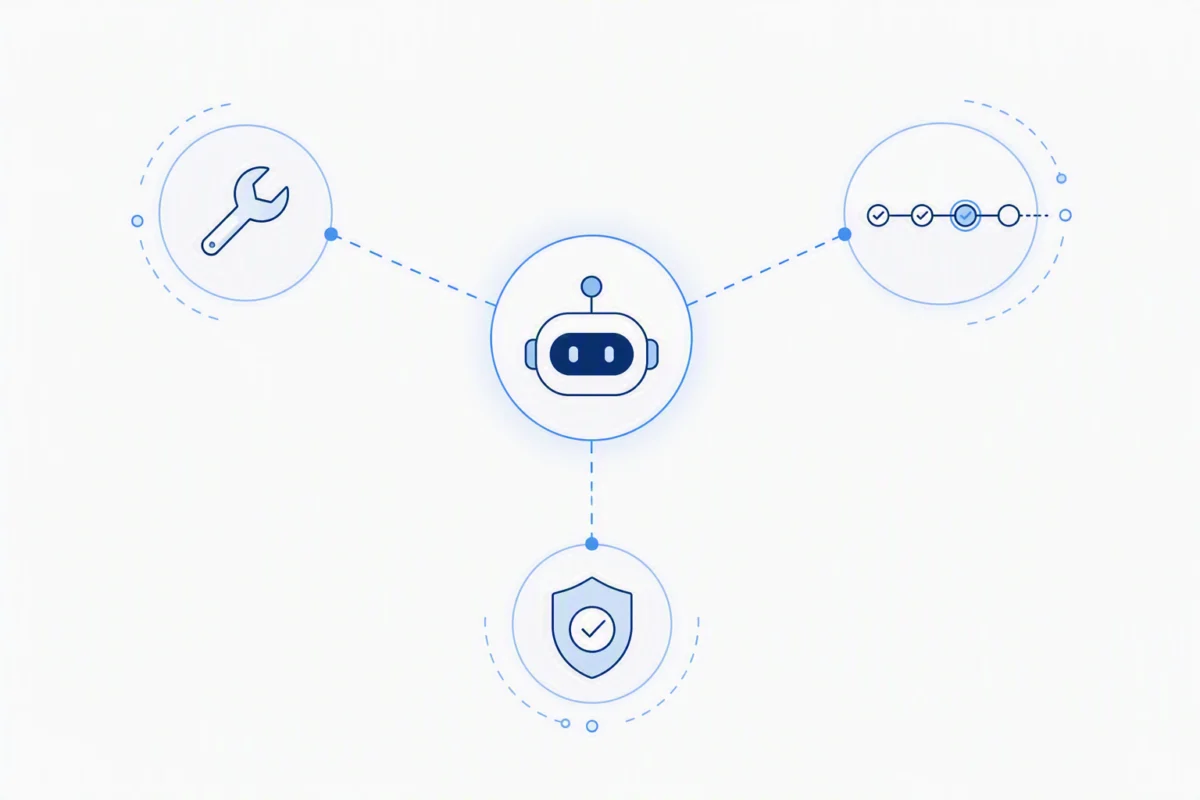
Key components of an AgentOps framework include:
- Tool Integration Monitoring: Ensuring that the agent is calling external APIs correctly and handling errors gracefully.
- State Management: Tracking the agent’s "memory" across long-running tasks to ensure it doesn’t lose context.
- Kill-Switches and Guardrails: Implementing safety protocols that prevent an agent from taking irreversible or harmful actions in a production environment.
- Success Rate Metrics: Moving beyond "response quality" to "task completion rate."
Comparative Analysis: A Summary of the Operational Shift
To better understand the transition, it is helpful to view these three frameworks across several key dimensions:
| Dimension | MLOps | LLMOps | AgentOps |
|---|---|---|---|
| Primary Goal | Predictive Accuracy | Generative Quality & Relevance | Task Success & Autonomy |
| Input Type | Structured Data (Tables, Tensors) | Unstructured Text (Prompts) | High-level Objectives |
| Core Technology | Scikit-learn, XGBoost, PyTorch | Foundation Models, RAG, Vectors | Reasoning Engines, Tool-sets |
| Monitoring Focus | Statistical Drift | Hallucination, Latency, Cost | Tool Usage, Planning, Logic |
| Risk Profile | Misclassification | Bias, Toxicity, Hallucination | Unauthorized Actions, Loop Errors |
Chronology of AI Operations Development
The evolution of these operations follows the broader timeline of AI breakthroughs:
- 2015–2018 (The MLOps Era): Driven by the success of Deep Learning in image recognition and tabular data. Companies like Uber (Michelangelo) and Netflix pioneered internal MLOps platforms.
- 2022–2023 (The LLMOps Explosion): Post-ChatGPT, enterprises scrambled to integrate generative AI. The focus was on "Chat with your PDF" and internal knowledge management using RAG.
- 2024–Present (The AgentOps Emergence): The focus has shifted toward "Agentic Workflows." Organizations are no longer satisfied with AI that talks; they want AI that works. This has led to the rise of specialized AgentOps startups and tools designed to monitor autonomous loops.
Industry Implications and Expert Perspectives
The rapid diversification of AI operations has created a fragmented market for tooling. Industry analysts suggest that the total addressable market (TAM) for AI observability and operations software is expected to grow at a CAGR of over 35% through 2030.
Lead data scientists at major tech firms have noted that the "observability gap" is currently the biggest bottleneck to AI adoption. While many companies have successfully built prototypes, few have the AgentOps infrastructure required to ensure those agents won’t "hallucinate" an expensive mistake in a live environment.
"In the MLOps days, if your model was 90% accurate, you were a hero," says one industry consultant. "In the AgentOps era, if your agent is 90% accurate but the 10% error involves deleting a client’s database, you’re out of business. The stakes for observability have never been higher."
The Path Forward: Convergence and Integration
While MLOps, LLMOps, and AgentOps are distinct, they are not mutually exclusive. In fact, a sophisticated modern application likely utilizes all three. A financial services app might use a traditional ML model (MLOps) to calculate a credit score, an LLM (LLMOps) to summarize the applicant’s financial history, and an agent (AgentOps) to automatically file the necessary regulatory paperwork based on the findings.
The future of AI operations lies in a unified "AIOps" platform that can provide a single pane of glass for all three paradigms. However, until such a unified standard emerges, teams must be diligent in selecting the right operational framework for their specific use case.
The takeaway for enterprise leaders is clear: the complexity of an AI system is proportional to the complexity of its operations. As we move from static predictions to dynamic, autonomous actions, the "Ops" side of the equation will become the primary differentiator between companies that successfully deploy AI and those that remain stuck in the "Proof of Concept" phase. Building a robust infrastructure for observability, cost control, and safety is no longer optional—it is the bedrock of the next generation of software.