The intricate mechanisms governing content visibility across major digital platforms are collectively known as social media algorithms, a sophisticated blend of rules, ranking signals, and complex calculations determining the priority and display order of content for each user. Far from static, these algorithms leverage advanced machine learning to continuously adapt and personalize the user experience, ensuring that no two individuals encounter an identical feed. As of 2026, every prominent social platform operates with its unique algorithmic framework, each weighing specific signals differently to curate a highly individualized content stream.

Understanding the Core Mechanics of Social Algorithms
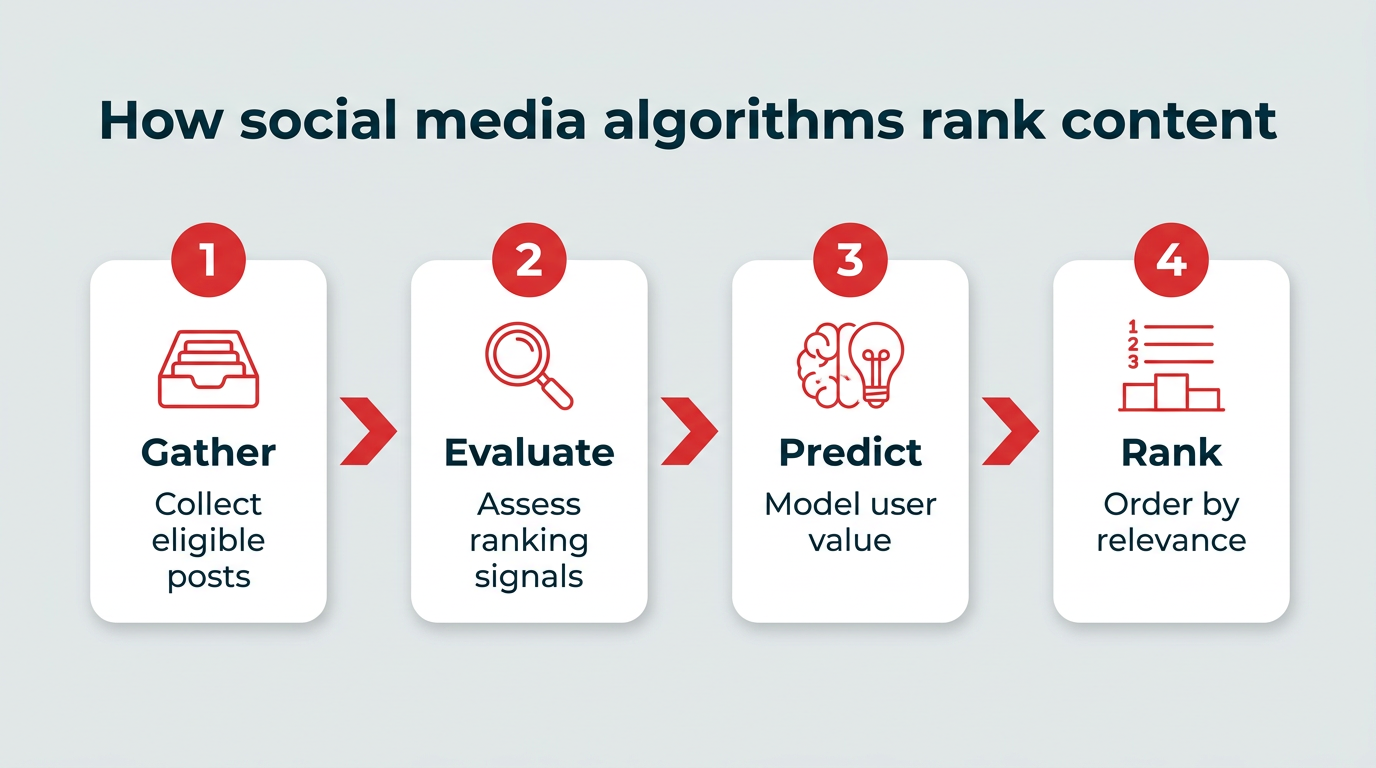
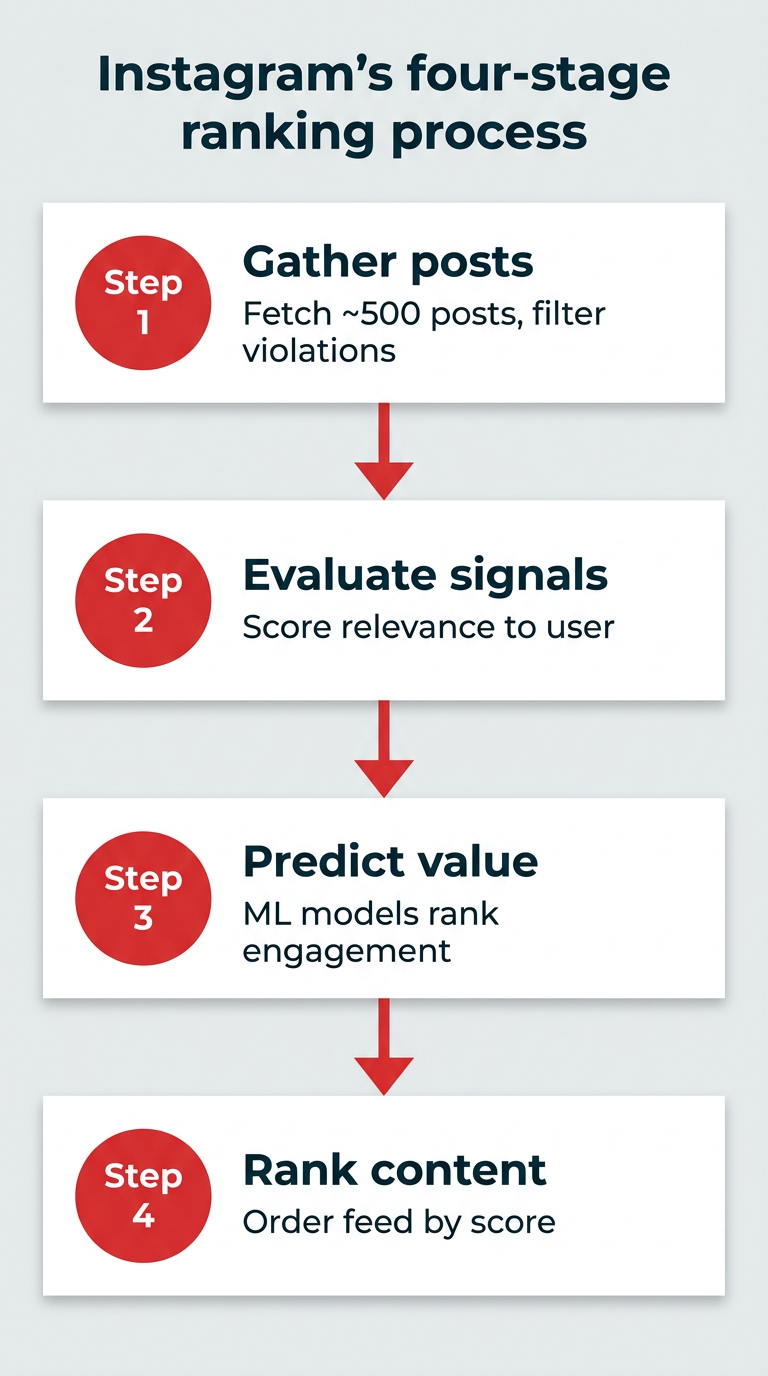
At their fundamental level, social media algorithms function through a multi-stage process: gathering eligible content, rigorously scoring it against a multitude of ranking signals, predicting the potential value each post holds for a specific user, and subsequently ordering the results. This dynamic workflow can be best illustrated by examining a platform like Instagram. Upon opening the application, Instagram’s algorithm sifts through approximately 500 recent posts from accounts a user follows, filtering out any content that violates its Community Guidelines. Each remaining post is then assigned a score based on predicted engagement, taking into account crucial signals such as the user’s past interactions with the content creator, the post’s format (e.g., video, image, carousel), and how other users have previously responded. For instance, a Reel that a user is predicted to watch for over ten seconds will invariably be prioritized above a static photograph they might quickly scroll past. This entire process culminates in a feed meticulously ranked from most to least relevant, all executed within mere milliseconds.

This general operational principle—gather, evaluate, predict, rank—is consistently applied across virtually all social media platforms. While the specific signals and their respective weightings may vary significantly, the underlying logic remains steadfast. Modern algorithms fundamentally shift the paradigm from merely presenting the newest content to actively discerning what a specific user is most likely to engage with at any given moment. This pivot underscores the critical importance of understanding these systems for anyone seeking to effectively reach an audience in the digital sphere.
The Evolution of Algorithmic Curation: A Brief Timeline
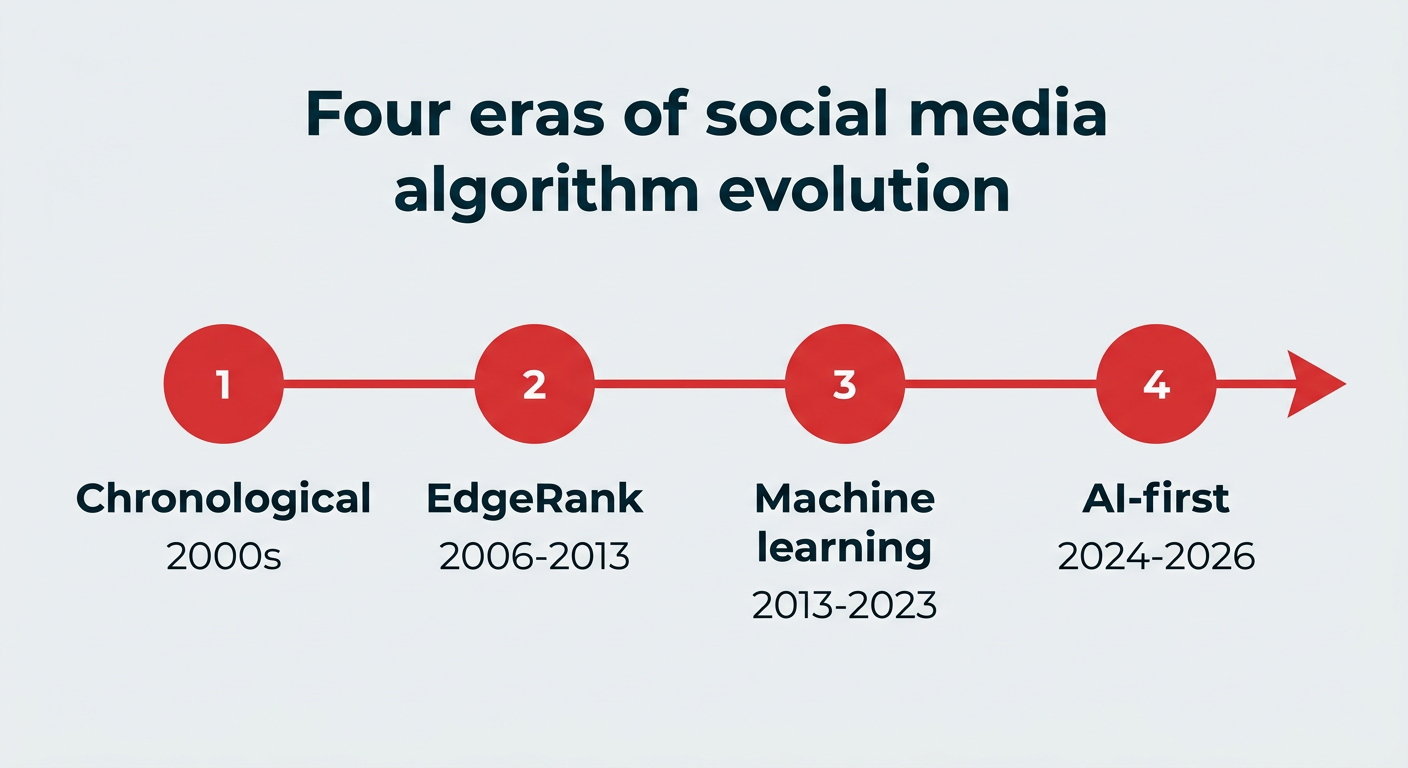
The journey of social media algorithms can be broadly categorized into four distinct eras, reflecting the technological advancements and changing user expectations:
- The Chronological Era (Pre-2010s): In its nascent stages, social media largely operated on a simple chronological feed. Content appeared in the order it was published, offering users a straightforward, if often overwhelming, stream of information. This era prioritized timeliness above all else, making it challenging for users to keep up with the sheer volume of posts from their expanding networks.
- The Engagement-First Era (Early 2010s): As content volume surged, platforms recognized the need for intelligent filtering. This era saw the introduction of early algorithms that prioritized content based on simple engagement metrics like likes and comments. The goal was to surface popular content, assuming that widely engaged-with posts were inherently more valuable to a broader audience.
- The Personalized Feed Era (Mid-2010s): The advent of more sophisticated machine learning marked a significant shift towards hyper-personalization. Algorithms began to analyze individual user behavior—who they followed, what they interacted with, how long they spent on specific content—to tailor feeds uniquely. This moved beyond simple popularity to individual relevance.
- The AI-Driven Discovery Era (Late 2010s – Present): The current era is characterized by highly advanced AI and deep learning models. These algorithms not only personalize existing connections but also excel at content discovery, introducing users to new creators, topics, and communities based on nuanced behavioral patterns. Platforms like TikTok exemplify this era, with their "For You Pages" prioritizing discovery over direct connections. This continuous evolution means that algorithms are constantly learning, adapting, and refining the user experience, making static content strategies increasingly ineffective.
Why Algorithms are Indispensable for Digital Engagement
Algorithms serve as the invisible gatekeepers between content creators and their intended audiences. They dictate precisely who sees published content, with what frequency, and in what sequence, thereby becoming the single most influential variable in determining organic reach. For marketing teams, grasping the intricacies of these algorithms is not merely an academic exercise but a practical necessity with profound implications for campaign success and business outcomes.
One primary function of algorithms is to filter out the overwhelming noise of digital content and personalize individual user feeds. With individuals spending an average of 141 minutes daily on social media platforms globally (Statista, 2024), platforms are compelled to employ sophisticated ranking systems to ensure this time feels worthwhile and engaging. This filtering mechanism carries a critical implication for marketers: content does not merely compete against direct competitors within a specific industry. Instead, it vies for attention against the entirety of content a user might find more compelling at that precise moment. This reality elevates relevance and quality to paramount importance, often outweighing mere posting frequency.
Furthermore, algorithms exert direct control over organic reach and, by extension, business impact. When an algorithm favors specific content, its reach naturally expands without necessitating additional paid promotion. Conversely, if content fails to align with algorithmic preferences, even meticulously crafted and high-quality material may remain largely unseen. This direct correlation between ranking signals and business outcomes is undeniable: robust organic distribution fuels awareness, which in turn drives consideration, while underperforming organic content often necessitates significantly higher paid advertising budgets to achieve comparable results. This underscores the necessity of platform-specific knowledge for scaled operations. Given that U.S. adult adoption rates vary considerably across platforms—from 84% on YouTube to 37% on TikTok (Pew Research, 2025)—a marketing team employing a generic, one-size-fits-all playbook across multiple networks will inevitably underperform compared to a team that strategically adapts content format, length, and hooks to align with each algorithm’s unique priorities.
Categorizing Universal Ranking Signals
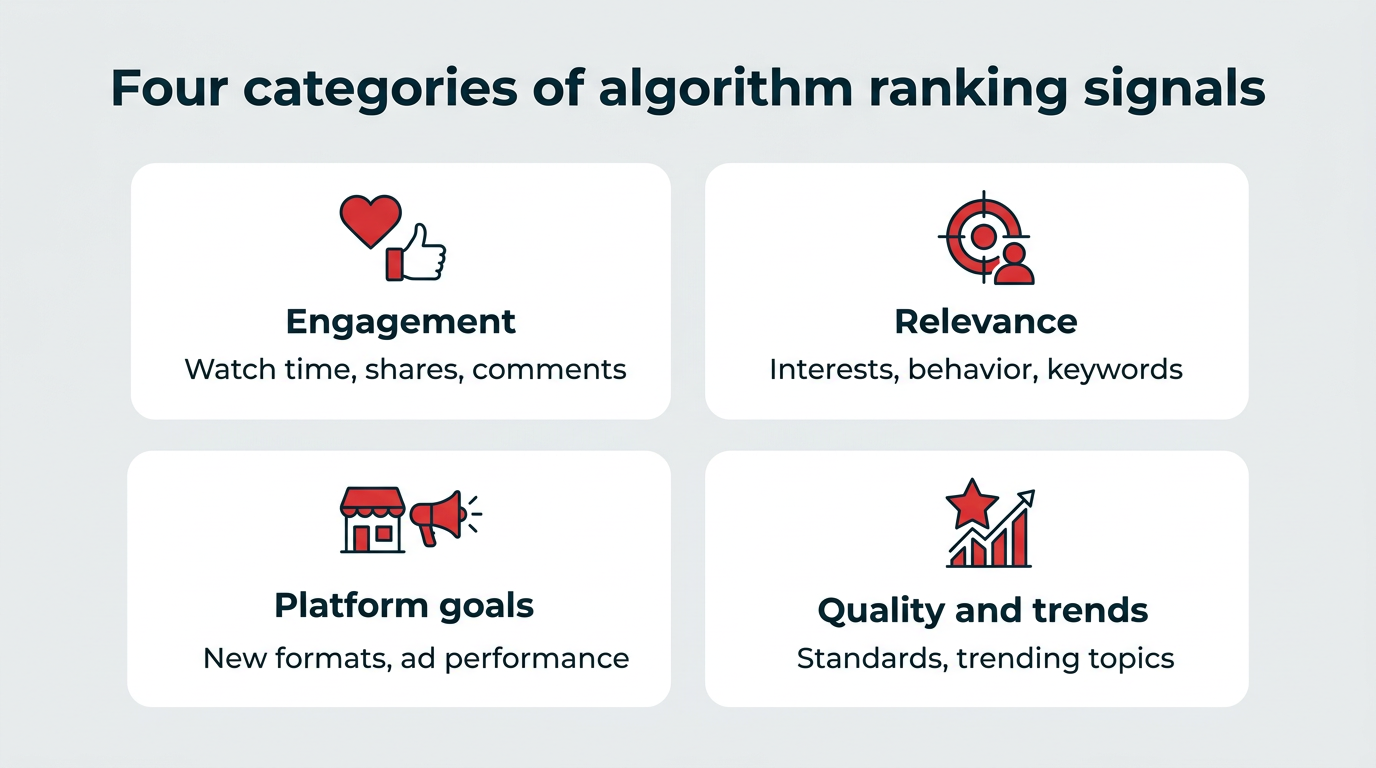
While each platform fine-tunes its algorithms for a personalized user experience, certain fundamental ranking signals recur across nearly all major social networks in 2026. These can be broadly grouped into four categories:
- Engagement-Based Ranking: These signals are direct indicators of user interaction and tell platforms whether content genuinely resonated with its audience. Key metrics include likes, comments, shares, saves, watch time (duration of video consumption), and replies. High engagement rates signal to the algorithm that the content is valuable and should be shown to more users.
- Relevance and Personalization: These signals are designed to match content with the most appropriate user at the optimal time. Factors include user’s past interactions with similar content or creators, the recency of the post, geographical proximity (for local content), and the language of the content. The algorithm analyzes a user’s historical behavior to predict future interests.
- Platform Goals: Algorithms are also designed to serve the business objectives of the platforms themselves, which inherently influences what content receives amplification. This includes prioritizing content that keeps users on the platform longer, encourages interaction with new features, drives ad revenue, or aligns with platform-wide initiatives (e.g., promoting video content on platforms shifting towards it).
- Content Quality and Trends: Algorithms continually learn from aggregate user behavior to infer content quality and identify emerging trends. Signals here include the originality of the content, the use of trending audio or hashtags, the completeness of profiles posting the content, and adherence to community guidelines. High-quality, original content that taps into current trends is often rewarded with broader distribution.
Platform-Specific Algorithmic Dynamics
Understanding the nuances of each platform’s algorithm is crucial for maximizing reach and impact.
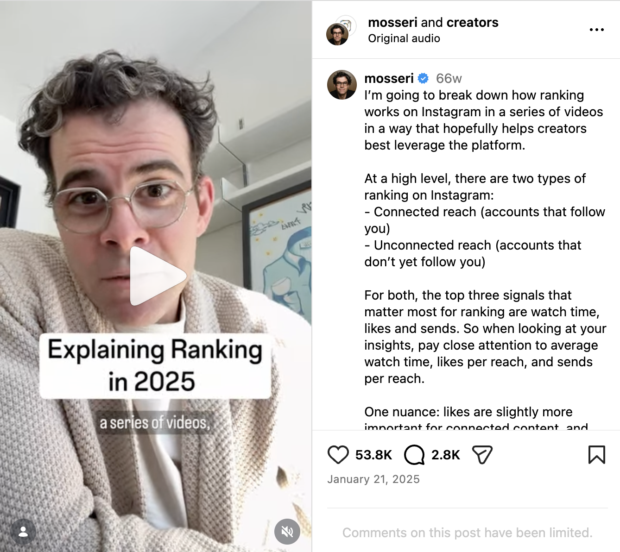
- Instagram: In 2026, the primary ranking signals on Instagram are watch time, likes, and sends. Instagram utilizes a four-stage process: an initial pool of eligible content, filtering based on interests, ranking by predicted engagement, and dynamic adjustments based on real-time feedback. For the feed, signals like user activity, interaction history, and content type are vital. Stories prioritize close friends and recent engagement. Reels emphasize watch time, re-watches, and audio trends, aiming for content people want to share. Explore focuses on novelty, popularity, and content similar to past interests. The platform explicitly values content that encourages direct sharing ("sends") over broader "likes" for unconnected reach.
- Facebook: The Facebook algorithm heavily relies on predicted engagement and the strength of user connections. Key signals include predicted interaction (likes, comments, shares), relationship with the content creator, type of content (video and photos often favored), and recency. Meta emphasizes "meaningful social interactions," prioritizing content that sparks conversations among friends and family.
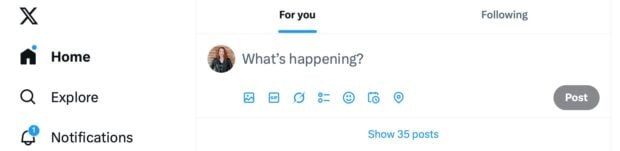
- X (formerly Twitter): X’s algorithm offers "For You" (recommended content) and "Following" (chronological) tabs. The "For You" tab prioritizes content based on user engagement, followed accounts, trending topics, and interactions from people a user follows, alongside recency and content from accounts a user frequently interacts with. Posting often and engaging in live conversations are key for visibility.
- LinkedIn: LinkedIn’s algorithm has evolved to favor video, professional relevance, and recurring formats like newsletters. Key signals include content quality, early engagement (especially comments in the first hour), relevance to professional interests, and connections to the content creator. The platform aims to foster professional development and networking.
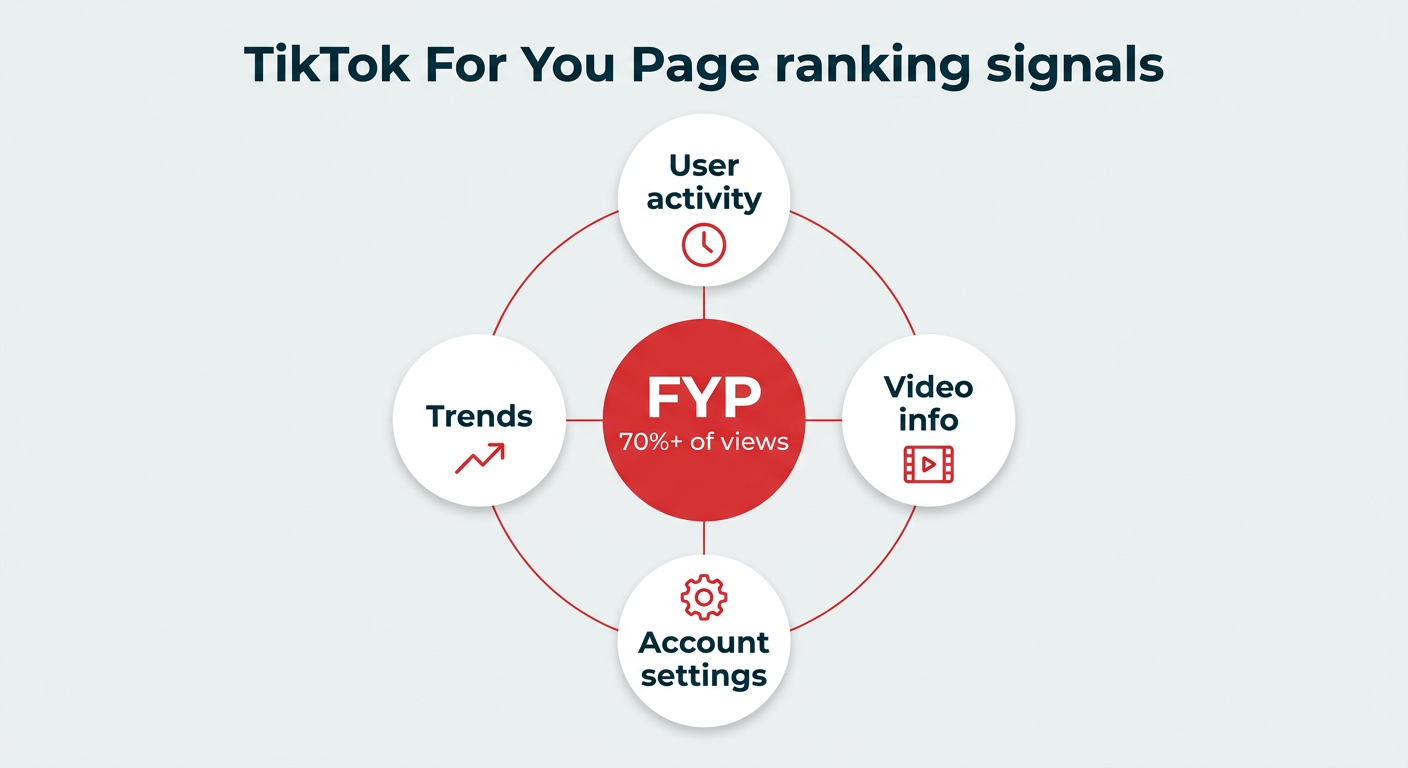
- TikTok: The TikTok algorithm is renowned for its highly effective "For You Page" (FYP), which prioritizes discovery from strangers. Top signals include watch time, user interactions (likes, shares, comments), video information (captions, hashtags, sounds), and device/account settings. The FYP’s strength lies in its ability to rapidly identify and surface highly engaging, short-form video content tailored to individual tastes, often hooking viewers within the first three seconds.
- YouTube: YouTube’s algorithm is designed to maximize user watch time on the platform. Key signals include watch time (total and average view duration), relevance (based on user history), video quality, and metadata (titles, descriptions, tags, thumbnails). It prioritizes videos that keep users engaged and lead to further content consumption.
- Pinterest: Pinterest functions more as a visual search engine and inspiration platform. Key ranking factors include visual relevance, saves (pins to boards), keywords in descriptions and titles, and the freshness of the content. Pins designed for saving and searchability perform best.
- Threads: As a text-first platform from Meta, Threads emphasizes content that sparks discussions. Ranking signals include predicted engagement, view time, and mutual topic overlap with connections, drawing insights from user activity across Instagram and Facebook. Asking questions that invite replies is a strong strategy.
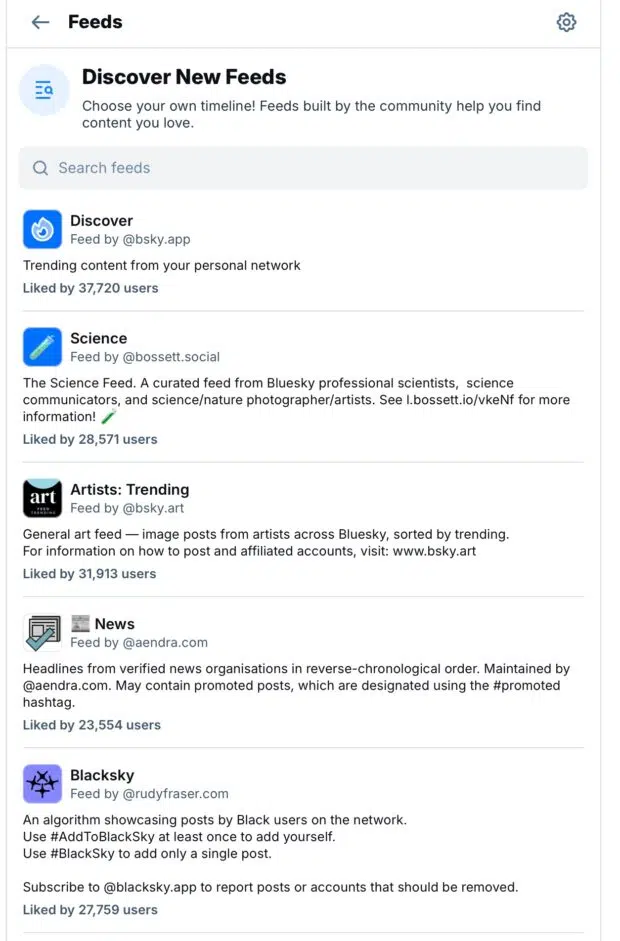
- Bluesky: Bluesky distinguishes itself with a default chronological feed and a strong commitment to "algorithmic choice," allowing users to subscribe to thousands of custom algorithmic feeds. Relevancy to specific communities and strong user connections are paramount, as users curate their own discovery experiences.
- Reddit: Reddit uniquely combines community moderation with engagement signals. A post’s visibility is heavily influenced by upvotes, recency, and strict adherence to subreddit rules and moderator decisions. Understanding and respecting community guidelines is essential, especially for any promotional content.
The Pervasive Role of Artificial Intelligence
Artificial intelligence stands as the foundational engine powering modern social media algorithms. Machine learning models within these algorithms are responsible for making the intricate predictions that determine what content appears in each user’s feed. AI’s capabilities are multifaceted: it analyzes vast datasets of user behavior to personalize feeds with unparalleled precision, rapidly detects emerging trends by identifying patterns in aggregate content and interaction, and plays a crucial role in content moderation by automatically flagging and removing content that violates platform guidelines. Furthermore, AI optimizes advertising by matching relevant ads to specific user segments, enhancing ad effectiveness and platform revenue. Without AI, the dynamic, personalized, and ever-evolving social media experience would be impossible.
Optimizing Content for Algorithmic Success
To thrive in the algorithm-driven landscape, content creators and marketers must adopt strategic approaches:
- Prioritize Quality and Relevance: Always focus on creating high-quality, valuable content that genuinely resonates with your target audience. Relevance to user interests is a universal algorithmic driver.
- Optimize for Watch Time and Engagement: For video content, hook viewers in the first few seconds and strive for sustained watch time. For all content types, encourage meaningful interactions like comments, shares, and saves over superficial likes.
- Leverage Platform-Specific Formats: Adapt your content to the preferred formats of each platform. Reels on Instagram, short-form video on TikTok, professional articles on LinkedIn, or visually rich Pins on Pinterest will perform better than generic cross-platform posts.
- Engage with Your Community: Actively respond to comments, messages, and mentions. Algorithms often reward creators who foster a vibrant and interactive community.
- Utilize Trending Elements Wisely: Incorporate trending audio, hashtags, and topics where appropriate, but ensure they align authentically with your brand and message.
- Analyze Performance Data: Regularly review your analytics to understand what content performs best and why. Look for patterns in reach, engagement, and audience demographics.
- Post Consistently (But Don’t Sacrifice Quality): While frequency matters, it should never come at the expense of quality. Consistent, high-quality posts are more beneficial than frequent, mediocre ones.
- Encourage Saves and Shares: These are often stronger signals of value than likes, indicating that users find the content so useful or entertaining that they want to revisit it or share it with others.
- Complete Your Profiles: Ensure all your social media profiles are fully optimized with relevant keywords, clear descriptions, and high-quality imagery to aid discoverability.
Tracking Algorithmic Performance Across Platforms
Effective monitoring of algorithm performance is critical for identifying shifts and adapting strategies. Marketing teams should consistently track five key analytics metrics per platform:
- Reach (Connected and Unconnected): This metric indicates how many unique users saw your content. Differentiating between followers (connected) and non-followers (unconnected, often driven by discovery algorithms) provides insight into algorithmic amplification.
- Engagement Rate: Calculated as total engagements divided by reach or impressions, this metric reveals how compelling your content is to the audience it reaches.
- Watch Time/Average View Duration: Crucial for video content, this measures how long users are watching your videos, a direct signal of content value to most video algorithms.
- Share Rate: The proportion of users who shared your content. Shares are a powerful signal of relevance and value, indicating that users found the content worthy of wider distribution.
- Follower Growth: While not a direct algorithmic signal, consistent follower growth indicates that your content is attracting and retaining new audiences, often a byproduct of successful algorithmic distribution.
Monitoring these metrics vigilantly allows teams to detect patterns that signal an algorithm shift, such as a sudden, unexplained drop in reach across all posts, or a specific content format suddenly losing its previous traction. Rapid identification of these changes enables agile adaptation of content strategies to maintain visibility and effectiveness.
Broader Implications and the Future Landscape
The pervasive influence of social media algorithms extends far beyond marketing metrics, fundamentally shaping how individuals consume information, form opinions, and interact with the digital world. They create echo chambers, curate personalized realities, and drive the viral spread of both valuable insights and misinformation. As AI continues to advance, the sophistication of these algorithms will only increase, leading to even more precise personalization and potentially more nuanced content discovery. The ongoing debate around algorithmic transparency, user control, and ethical AI development will remain central. Platforms may offer more "algorithmic choice," as seen with Bluesky, or continue to refine their black-box models. For brands and individuals alike, navigating this evolving landscape will require not just an understanding of the current rules, but an agile mindset, a commitment to authentic engagement, and a focus on delivering genuine value in an increasingly algorithmically mediated world.