Google has announced a significant suite of updates to its Search profiles, introducing a refined article design, a simplified single-login system for managing multiple profiles, and a dramatically reduced follower requirement for eligibility. These changes, detailed in a recent blog post by Google, are aimed at empowering publishers to more effectively showcase their content and foster stronger connections with their audiences directly within Google Search results. The initiative underscores Google’s ongoing commitment to evolving its platform to better serve both content creators and information seekers.
The Evolution of Google Search Profiles: A Background
Google Search profiles represent a strategic effort by the tech giant to provide a more authoritative and user-friendly experience for content discovery. Introduced to offer publishers and verified creators a direct conduit to present their work within the vast Google ecosystem, these profiles serve as dedicated hubs where users can explore a creator’s body of work, learn about their expertise, and connect with them. In an era increasingly defined by information overload and the challenge of discerning credible sources, Google Search profiles emerged as a mechanism to highlight established voices and provide users with a clearer path to reputable content.
Initially, the program was launched with a relatively high barrier to entry, requiring publishers to meet stringent criteria, including a substantial social media following, to qualify. This approach, while ensuring a certain level of established authority, inadvertently limited participation to larger media organizations and highly influential individual creators. Over time, however, Google has demonstrated a clear trajectory towards democratizing access, recognizing the value that a diverse range of voices brings to the information landscape. These profiles are not merely static listings; they are dynamic representations designed to integrate seamlessly into search results, offering users a richer context for the content they encounter. They complement other Google initiatives like Google News and Google Discover, aiming to consolidate a publisher’s presence across various Google touchpoints and enhance their visibility in an increasingly competitive digital arena.
Key Updates Unveiled: A Deeper Dive
The recent announcement brings three pivotal enhancements, each designed to address specific pain points and opportunities for publishers:
1. Enhanced Article Design and Layout:
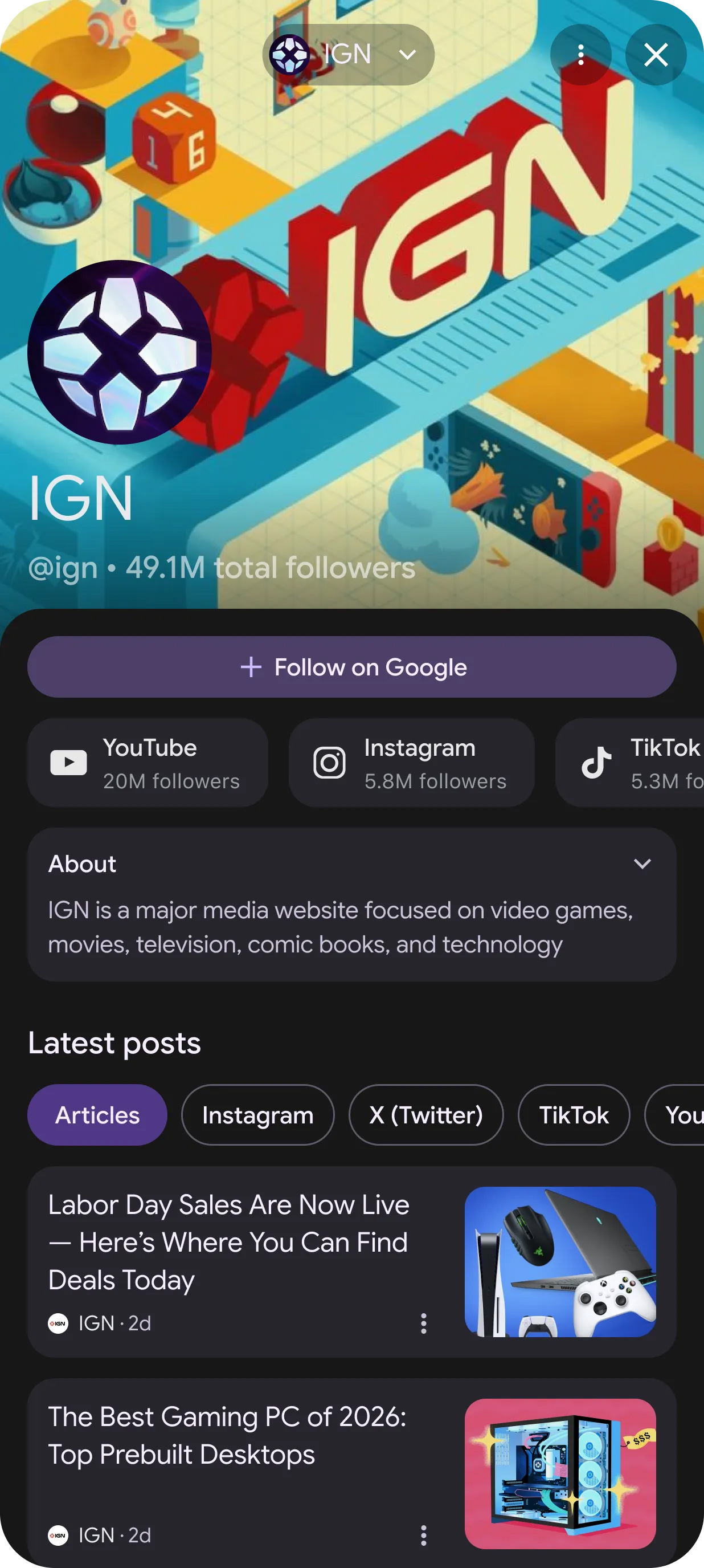
Central to the update is a comprehensive redesign of how articles are presented within Search profiles. Google has introduced "enhanced article views," a move that directly impacts the visual appeal and discoverability of content. This redesign includes several critical elements:
- Optimized Image Thumbnails: Visuals play an increasingly crucial role in capturing user attention online. The updated design optimizes image thumbnails specifically for the Search profiles layout, ensuring that visual elements are rendered clearly and attractively. This not only makes profiles more engaging but also allows publishers to leverage their visual assets more effectively to draw readers into their content. High-quality, contextually relevant images can significantly boost click-through rates and improve the overall user experience.
- Increased Headline Length: Headlines are the gateway to an article, conveying its essence and enticing readers to delve deeper. Google has expanded the permissible length for headlines within Search profiles. This seemingly minor change has substantial implications for content strategy and search engine optimization (SEO). Longer headlines allow publishers to provide more context, incorporate more keywords naturally, and craft more compelling descriptions of their articles, potentially improving relevance and discoverability for complex topics. It also offers a better opportunity to communicate the value proposition of an article at a glance.
- Improved Discoverability: The overarching goal of the new design is to make it "easier for people to discover and dive deeper into your content." This implies a more intuitive layout, better organization of articles, and potentially new interactive elements that encourage exploration within a publisher’s profile. For users, this means a more streamlined and visually appealing experience when browsing a creator’s work, fostering greater engagement and loyalty. For publishers, it translates into increased visibility for their entire body of work, rather than just individual articles that rank for specific queries. The visual hierarchy and presentation aim to guide users effortlessly through a publisher’s content library, encouraging repeat visits and deeper engagement.
2. Drastically Reduced Follower Requirements:
Perhaps the most impactful change from an accessibility standpoint is the significant reduction in the social media follower threshold required for Search profile eligibility. What began at a demanding 100,000 followers, then dropped to 35,000 just last month, has now been lowered to a mere 10,000 followers across YouTube, Instagram, X (formerly Twitter), or TikTok.
This progressive reduction signals a clear shift in Google’s strategy. The initial high bar likely aimed to ensure a certain level of established authority and content production capacity. However, the subsequent adjustments reflect a recognition that valuable, authoritative content is not exclusive to mega-publishers or viral sensations. Many niche experts, independent journalists, specialized bloggers, and emerging creators produce high-quality, trustworthy content but may not command a massive social media following.
The current requirement of 10,000 followers is a watershed moment, opening the floodgates for a far broader spectrum of publishers to claim their presence on Google Search. This move democratizes access to a powerful visibility tool, enabling a wider array of voices to gain direct recognition and exposure within Google’s search results. For the content ecosystem, this could lead to greater diversity of information, more specialized insights, and a healthier competition among credible sources. It aligns with Google’s broader efforts to promote helpful, reliable content and combat the spread of misinformation by highlighting verified, expert voices, regardless of their scale.
3. Streamlined Multi-Account Management:
Addressing a critical operational challenge for larger media organizations and agencies, Google has introduced multi-account support for Search profiles. Previously, managing the digital presence of several distinct publications or sub-brands often necessitated juggling multiple Google logins, a cumbersome and inefficient process. With the new update, organizations can now "claim and manage Search profiles for all of your sub-brands from a single login."
This enhancement is a boon for efficiency and brand consistency. Media conglomerates that operate numerous publications under different mastheads, or digital marketing agencies managing clients’ online presences, will find this feature invaluable. It eliminates the administrative overhead associated with switching accounts, reduces the risk of errors, and streamlines the process of updating and maintaining multiple profiles. For instance, a publishing house owning a national newspaper, a lifestyle magazine, and a local news portal can now oversee all their Search profiles from one central Google account. This consolidated management approach fosters greater control, ensures brand messaging consistency across all properties, and optimizes the workflow for content and marketing teams. It reflects Google’s understanding of the complex operational realities faced by modern media entities.
Google’s Strategic Vision: Connecting Publishers and Audiences
Google’s official statement, "we’re introducing updates to Search profile to help publishers better highlight their content and connect with their audiences on Google," encapsulates the core motivation behind these changes. This isn’t merely a cosmetic refresh; it’s a strategic investment in the relationship between Google and the content creators who populate its index.
In an increasingly fragmented media landscape, where users discover content across various platforms (social media, aggregators, direct site visits), Google aims to solidify its position as a primary, trusted gateway. By enhancing Search profiles, Google is offering publishers a direct, branded presence within its search results, potentially reducing their reliance on third-party platforms for audience engagement. This direct connection benefits users by providing a clear source of information and an avenue to explore a creator’s full portfolio.
From Google’s perspective, fostering a robust ecosystem of identifiable, authoritative publishers contributes to the overall quality and trustworthiness of its search results. It aligns with principles like E-E-A-T (Experience, Expertise, Authoritativeness, Trustworthiness), which Google increasingly emphasizes in its ranking algorithms. By making it easier for credible publishers, especially smaller ones, to stand out, Google enhances the diversity and depth of information available to its users, ultimately strengthening its value proposition as the world’s leading search engine.
Chronology of Search Profile Evolution
The journey of Google Search profiles reflects a continuous adaptation to the dynamic digital publishing environment:
- Initial Launch (Undated, but inferred pre-2023): Google introduces Search profiles with a high barrier to entry, primarily targeting large, established publishers. The initial follower requirement was 100,000 across specified social platforms.
- Early 2023 (Inferred): Initial feedback likely prompted Google to consider broader accessibility.
- August 2023 (Approximate): Google makes its first significant reduction in follower requirements, lowering the threshold from 100,000 to 35,000. This signaled a clear intent to open up the program to a wider range of publishers.
- September 2023 (Approximate): Google further refined the profile management, adding the ability for publishers to edit their handles, providing more flexibility in branding and identification.
- October 2023 (Current Update): The most recent and comprehensive update, dramatically reducing the follower requirement to 10,000, unveiling the new article design, and introducing multi-account login support. The timeline demonstrates a responsive approach by Google, iteratively refining the Search profile program based on evolving needs and feedback from the publishing community.
Implications and Broader Impact
The latest updates to Google Search profiles carry significant implications for various stakeholders:
For Publishers and Content Creators:
- Increased Visibility and Discoverability: Smaller and niche publishers, previously excluded by high follower counts, now have a direct pathway to greater visibility in Google Search. This can be a game-changer for independent journalists, specialized bloggers, and emerging media outlets.
- Enhanced Branding and Authority: Search profiles offer a dedicated space for publishers to showcase their brand, expertise, and full content portfolio. This helps build trust and authority directly within the search experience, potentially leading to increased brand recognition and subscriber growth.
- Streamlined Operations: For larger organizations, multi-account management translates into significant time and resource savings, allowing them to focus more on content creation and less on administrative tasks.
- Competitive Edge: Publishers leveraging these profiles effectively can gain a competitive advantage by presenting their content in a more structured, appealing, and authoritative manner compared to those who don’t.
- Potential for Direct Audience Engagement: While not a social media platform, the profiles foster a direct relationship with users, potentially reducing reliance on third-party platforms for audience connection.
For Google:
- Improved Search Quality: By promoting authoritative sources and diverse content, Google enhances the overall quality and trustworthiness of its search results, aligning with its mission to organize the world’s information.
- Stronger Ecosystem: These updates strengthen Google’s relationship with publishers, encouraging more high-quality content to be produced and indexed, which benefits the entire Google ecosystem.
- User Retention: A better-curated and easier-to-navigate content experience within Search profiles can lead to increased user satisfaction and retention, keeping users within the Google environment for longer.
- Data and Insights: The increased participation of publishers can provide Google with more data on content consumption patterns, helping to further refine its search algorithms and features.
For Users:
- Easier Content Discovery: Users will find it simpler to discover reputable sources and explore a publisher’s entire body of work, leading to a richer and more informed search experience.
- Improved Readability and Engagement: The enhanced article design makes content more visually appealing and easier to consume, fostering deeper engagement with articles.
- Trust and Credibility: The presence of verified Search profiles helps users identify authoritative sources, contributing to a more trustworthy information landscape and aiding in the fight against misinformation.
Challenges and Future Considerations
While the updates are largely positive, they also bring to light some potential challenges and areas for future development. One immediate concern, highlighted by industry experts like Barry Schwartz, is the difficulty in transferring claimed Search profiles between Google accounts. As noted in a tweet, once a channel is claimed with one Google account, moving it to a main Google account (if the main account already has claimed profiles) presents a technical hurdle. This issue, though potentially minor for most, can create administrative friction for some power users and organizations, suggesting that Google may need to introduce a more flexible transfer or merge functionality.
Looking ahead, Google will likely continue to evolve Search profiles, potentially adding more features that enable direct interaction, analytics for publishers, or even monetization opportunities. The success of these profiles will hinge on continuous iteration, responsiveness to user and publisher feedback, and Google’s ability to maintain a balance between accessibility and quality control. The ultimate goal remains to create a seamless, authoritative, and engaging experience for content discovery, solidifying Google’s role as the central hub for information in the digital age.
The comprehensive overhaul of Google Search profiles marks a significant step in the ongoing evolution of how content is discovered and consumed online. By lowering barriers to entry, enhancing presentation, and streamlining management, Google is not only empowering a broader spectrum of publishers but also enriching the search experience for millions of users worldwide, reinforcing its strategic vision for a more organized and accessible information ecosystem.