


In the dynamic realm of digital marketing, the landing page stands as a pivotal instrument for converting casual visitors into engaged prospects or loyal customers. Far from being a mere web page, a landing page is a meticulously crafted, standalone digital asset engineered with a singular objective: to prompt a visitor to take one specific action. This deliberate focus, devoid of navigational distractions, underscores its critical role in any robust marketing strategy. As of June 17, 2026, industry research underscores this significance, with AWeber’s findings indicating that over 90% of small business owners who utilize landing pages deem them important or very important to their marketing efforts. The central challenge for marketers today is not whether to employ landing pages, but rather discerning the optimal type for a given objective and deployment scenario.

The evolution of the landing page reflects the increasing sophistication of online marketing. In the early days of the internet, websites often served as general brochures, offering a plethora of information and navigation options. However, as digital advertising grew, marketers quickly realized the inefficiency of directing paid traffic to busy homepages. The concept of a dedicated page, stripped of extraneous elements and focused solely on a conversion goal, emerged as a powerful solution. This shift marked a fundamental change in how businesses approached online engagement, moving from broad information dissemination to targeted action-driving. This strategic specialization has only intensified, necessitating a nuanced understanding of the various landing page archetypes available to maximize return on investment (ROI) and achieve specific campaign outcomes.
The Strategic Imperative: Tailoring for Maximum Impact

The effectiveness of a landing page is intrinsically linked to its alignment with the campaign’s specific goal. A page designed to capture email addresses for a newsletter will inherently differ in structure and content from one aiming to sell a premium product or register attendees for a virtual event. Misselecting the landing page type is a common pitfall that significantly diminishes performance. For instance, a complex product requiring significant consideration would perform poorly on a minimalist "squeeze page" designed for quick email captures. Conversely, a simple download offer would be over-engineered and less effective on an elaborate "sales page." This understanding forms the bedrock of successful conversion rate optimization (CRO), a discipline that consistently drives higher lead generation and sales for businesses of all sizes. Industry data from sources like HubSpot indicates that companies using 30 or more landing pages generate 7 times more leads than those using fewer than 10, highlighting the direct correlation between specialized pages and marketing success.
Key Landing Page Archetypes and Their Strategic Applications

Modern digital marketing leverages a diverse array of landing page types, each engineered to address specific objectives within the customer journey. Understanding these distinctions is paramount for crafting effective campaigns.
1. Webinar Registration Landing Pages
A webinar registration page serves as the dedicated portal for promoting an upcoming live or recorded online event and facilitating sign-ups. These pages are designed to clearly communicate the webinar’s topic, the expertise of the presenter, the scheduled date and time, and, crucially, the tangible benefits attendees will gain. Effective webinar pages prioritize the attendee’s outcome, framing the content around what they will learn or achieve. For example, a compelling headline might promise "Master Email Automation in 60 Minutes" rather than simply listing a speaker’s impressive biography. The presenter’s credentials are best placed after the value proposition has been firmly established.
- Strategic Rationale: People register for webinars driven by the promise of transformation or problem-solving. A page that immediately addresses the visitor’s "what’s in it for me?" question tends to convert at higher rates. This direct approach mitigates hesitation and clarifies the value exchange.
- Deployment Scenarios: Essential when hosting any virtual event, whether live workshops, pre-recorded sessions, or online summits, where dedicated sign-up is required. Optimizing these pages, including clear calls to action (CTAs) and concise information, is vital for maximizing attendance, particularly given the surge in online events since 2020.
2. Ebook Download/Sales Landing Pages
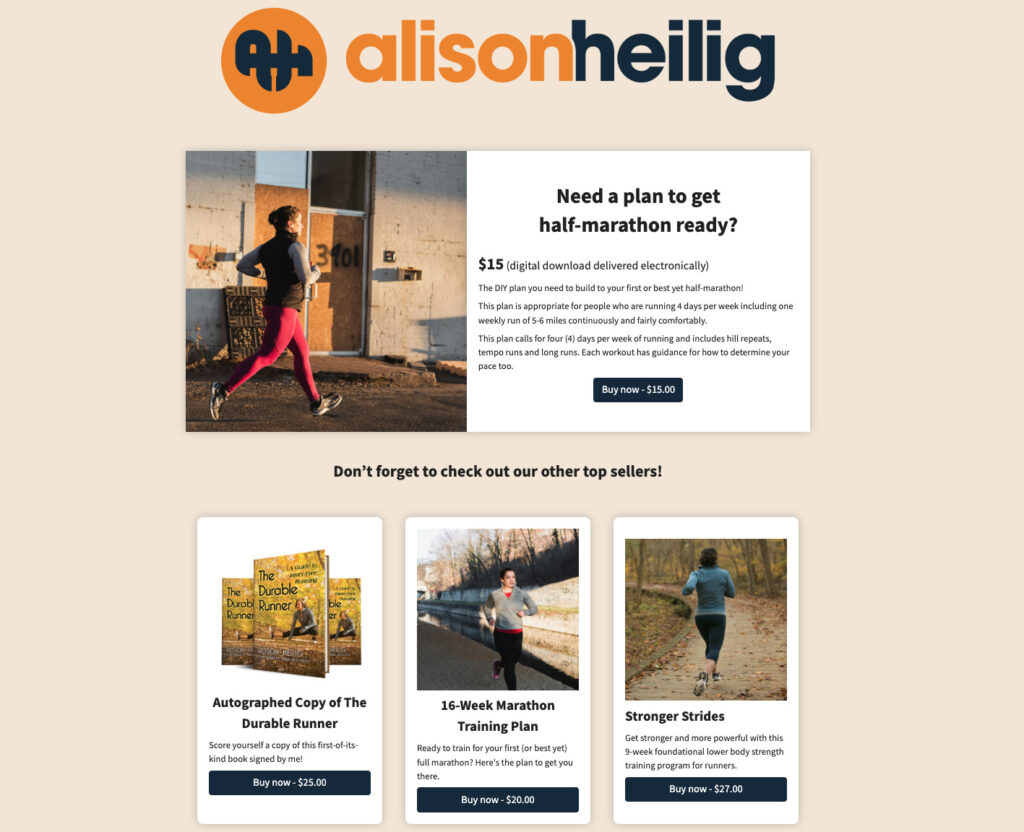
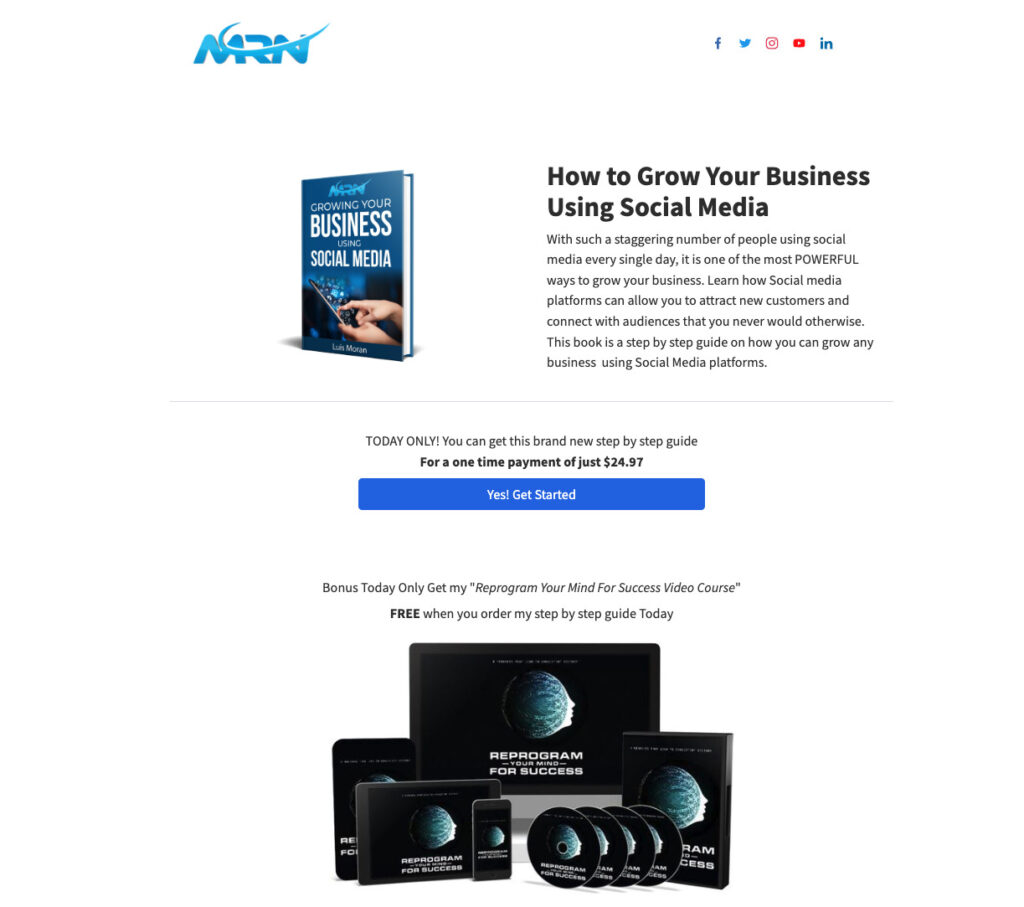
An ebook landing page is purpose-built to promote and distribute an electronic book. It acts as a central hub where potential readers can explore the ebook’s subject matter, understand its benefits, and proceed with either purchasing or downloading it. This type of page is increasingly critical in content marketing strategies.
- Strategic Rationale: Ebooks serve dual purposes: as valuable lead magnets to expand email lists or as direct revenue streams for entrepreneurs and businesses seeking to bypass traditional publishing routes. A well-designed page highlights the ebook’s unique value proposition and target audience benefits, establishing thought leadership or providing tangible value.
- Deployment Scenarios: Utilized by aspiring authors, coaches, and businesses to generate passive income from digital products or to capture qualified leads by offering free, valuable content in exchange for contact information. The rise of self-publishing platforms has made these pages indispensable for content creators.
3. E-commerce Product Landing Pages
Distinct from a comprehensive product catalog, an e-commerce landing page hones in on a single product or a specific category of items. Its primary function is to convert traffic originating from a particular source, such as a paid advertisement, into a sale. Such dedicated pages consistently outperform generic homepages or broad shop pages when linked from targeted ad campaigns.

- Strategic Rationale: The principle of "less is more" significantly boosts conversion rates here. By removing extraneous choices and focusing on one product, one offer, and one clear action, decision fatigue is minimized. These pages typically feature high-quality product imagery, transparent pricing, compelling CTAs, and vital social proof (e.g., customer reviews) to build trust.
- Deployment Scenarios: Ideal for specific product launches, promotional campaigns, or when directing paid traffic to a highly relevant product page that mirrors the ad’s message precisely. Data suggests that landing pages focused on a single product can increase conversion rates by up to 26% compared to general product pages.
4. Lead Magnet Landing Pages
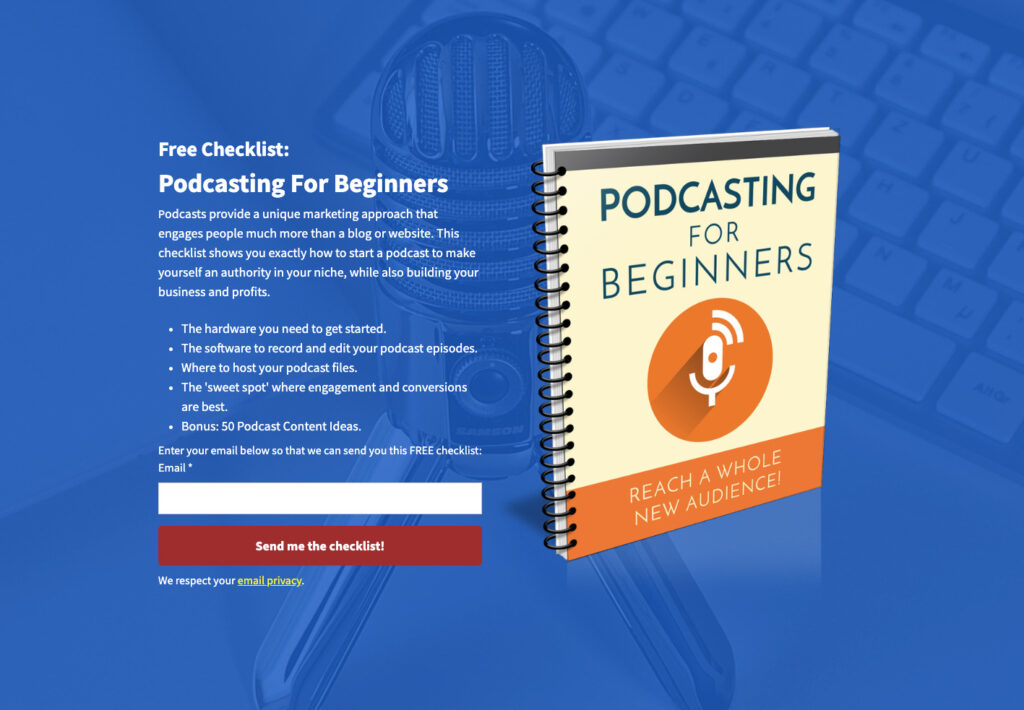
A lead magnet landing page offers a specific, valuable resource—such as a template, checklist, free course, or toolkit—in exchange for a visitor’s email address. Unlike a basic lead capture page, the "lead magnet" itself is the primary draw, and the page’s content emphasizes the immediate value and outcome the visitor will receive from the resource.
- Strategic Rationale: This page type excels because the perceived value of the offer directly drives conversion. When the resource directly addresses a pain point or provides an immediate solution for the audience, providing an email address feels like a fair and worthwhile exchange. The page’s focus is on selling the value of the resource, not the brand.
- Deployment Scenarios: Highly effective for building a segmented email list of individuals already interested in a specific topic, making subsequent marketing efforts more targeted and efficient. These pages are a cornerstone of inbound marketing strategies.
5. Squeeze Pages
A squeeze page is a minimalist form of lead capture, designed with the sole purpose of collecting an email address with maximum efficiency. It typically features only a concise headline, one or two supporting sentences, an email input field, and a prominent call-to-action button.
- Strategic Rationale: The stripped-down design and minimal information presented reduce decision-making friction, leading to higher conversion rates, especially with warm audiences or highly targeted paid traffic. Its simplicity keeps the cost per lead low in advertising campaigns, as fewer elements mean quicker load times and less for the visitor to process.
- Deployment Scenarios: Best suited for paid advertising campaigns where minimizing cost per lead is crucial, or for capturing emails from an audience already familiar with the brand and requiring minimal persuasion.
6. Podcast Landing Pages
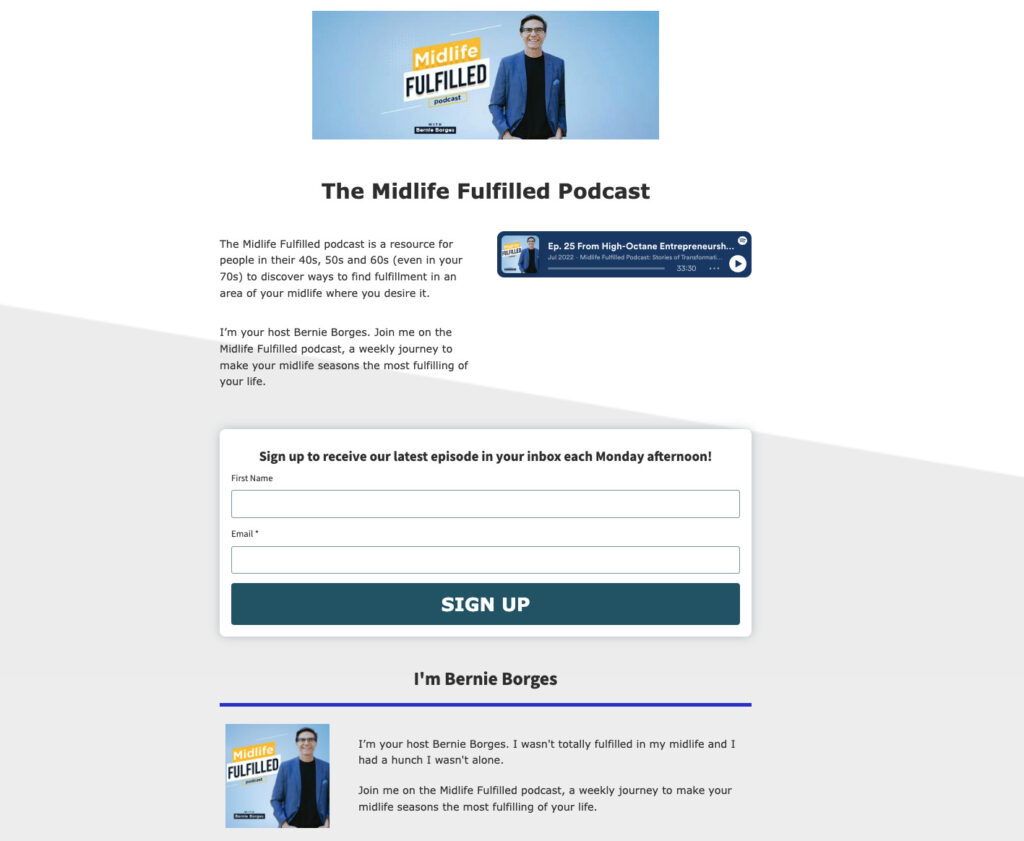
A podcast landing page is specifically designed to promote a podcast show or an individual episode, offering listeners a direct means to subscribe or join an email list for updates. This type of page is essential for hosts seeking to build a direct relationship with their audience.
- Strategic Rationale: Given that streaming platforms control distribution and audience access, an email list provides a direct, algorithm-independent communication channel. This allows hosts to announce new episodes, share bonus content, promote merchandise, and foster a loyal community without reliance on third-party algorithms. This "owned audience" strategy is vital for long-term sustainability and monetization in the booming podcast industry.
- Deployment Scenarios: Critical for podcast creators aiming to cultivate a proprietary audience beyond the confines of streaming platforms, ensuring long-term engagement and monetization opportunities.
7. PPC (Pay-Per-Click) Landing Pages
A PPC landing page is meticulously crafted for traffic originating from paid search advertisements. Its fundamental design principle is message match: the page’s content, headline, and offer must precisely align with the keyword or ad copy that brought the visitor to the page.
- Strategic Rationale: Misalignment between an ad and its landing page leads to wasted ad spend and high bounce rates. Google’s Quality Score algorithm also rewards message alignment, often resulting in lower cost per click and improved ad rankings. A dedicated PPC page ensures visitors receive exactly what the ad promised, driving higher conversions and optimizing ad performance.
- Deployment Scenarios: Indispensable for every paid search campaign. Each ad group or keyword theme should ideally be directed to its own highly relevant landing page, rather than a generic homepage. This granular approach can lead to significant cost savings and improved campaign effectiveness.
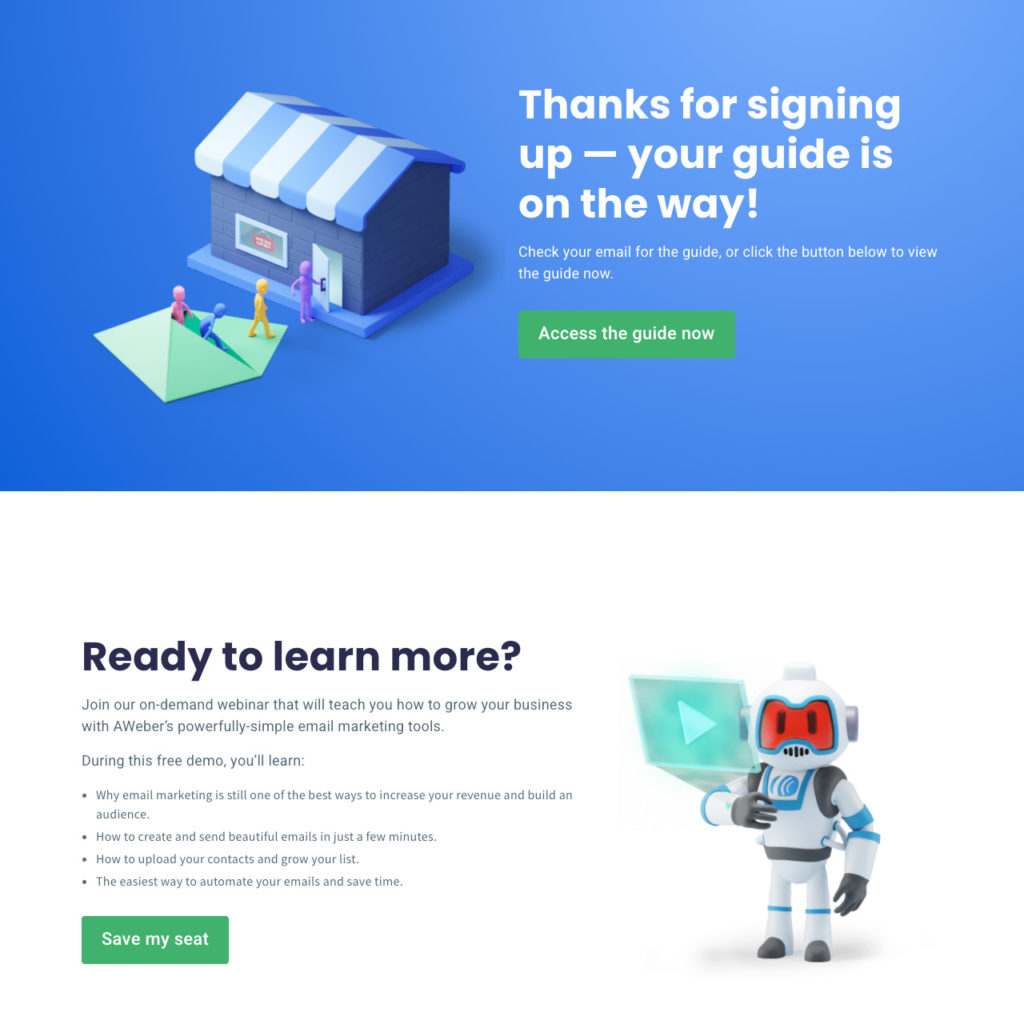
8. Thank You Pages
A thank you page appears immediately after a visitor completes a desired conversion action, such as signing up for a newsletter, downloading a resource, or making a purchase. Its primary functions are to confirm the action and clearly outline the next steps.
- Strategic Rationale: Often an underutilized asset, the thank you page captures visitors at their peak engagement. This momentum can be leveraged to offer related resources, encourage social sharing, invite them to book a consultation, or present an upsell or cross-sell opportunity, effectively turning one conversion into a subsequent one. This "post-conversion" engagement is crucial for customer retention and increasing lifetime value.
- Deployment Scenarios: Should be implemented after every single form submission, purchase, or sign-up, serving as a critical touchpoint for continued engagement and customer journey progression.
9. Video Landing Pages
A video landing page leverages video as the primary medium for conveying its message. This could involve a product demonstration, a client testimonial reel, a short explainer video, or a personal message from the brand. Textual content supports the video but does not replace its central role.
- Strategic Rationale: Video excels at building trust and conveying complex information more effectively than static text. It allows visitors to see products in action, understand intricate concepts, or connect with a brand’s personality, thereby reducing hesitation and increasing conversion rates. Statistics consistently show that video content significantly boosts engagement and purchase intent, with some reports indicating up to an 80% increase in conversions when video is present.
- Deployment Scenarios: Ideal when an offer is visually driven, requires detailed explanation, or when the audience demonstrates a preference for video content. It is particularly effective for high-ticket items or services that rely heavily on credibility and personal connection.
10. Link-in-Bio Landing Pages
A link-in-bio page is a specialized landing page designed to host multiple links, circumventing the common social media platform limitation of a single clickable link in a profile bio. It serves as a centralized hub, directing followers to a newsletter, specific products, recent content, booking pages, or other key destinations, all from one URL.
- Strategic Rationale: Social media platforms provide broad reach but often restrict outbound linking, creating a bottleneck for audience engagement. A link-in-bio page overcomes this by offering a comprehensive menu of options, ensuring that every follower visiting the bio can access all desired content or offers, thereby maximizing the value of social media presence.
- Deployment Scenarios: Essential for individuals, influencers, and businesses active on platforms like Instagram, TikTok, or X (formerly Twitter) who wish to provide a single, organized destination for followers to explore multiple calls to action.
11. Pre-Launch Landing Pages
A pre-launch landing page is deployed before a new product, service, or feature officially goes live. Its dual purpose is to generate early interest and excitement and to collect email addresses from individuals who wish to be notified upon launch. Critically, it also serves as a market validation tool.
- Strategic Rationale: This page allows businesses to gauge market demand before committing significant resources to development. A strong volume of sign-ups provides early evidence of product-market fit, while low engagement signals a need for reassessment, thus mitigating investment risk. It also builds an eager audience ready for launch day, creating a sense of anticipation and exclusivity.
- Deployment Scenarios: Fundamental before any significant product or service launch, enabling the cultivation of an engaged audience and providing crucial market insights. It’s a critical step in a lean startup methodology for validating ideas.
12. Facebook Landing Pages
A Facebook landing page is specifically optimized for traffic originating from Facebook advertisements or a Facebook profile. Its core objective is to convert social media followers into email subscribers or direct buyers.
- Strategic Rationale: Given that organic reach on Facebook and other social platforms is largely "rented" and subject to algorithmic changes, moving followers onto an owned email list is a critical strategic move. This creates a direct, reliable communication channel, independent of platform algorithms. Building an email list from Facebook traffic is a high-leverage strategy for transforming social reach into a durable audience asset.
- Deployment Scenarios: Imperative when running Facebook ad campaigns or when actively seeking to convert a social media following into a directly controllable subscriber list, safeguarding against platform policy changes.
13. Lead Capture Landing Pages
A lead capture landing page is designed to collect contact information—typically an email address, sometimes a name—in exchange for a valuable incentive. This could be a free








