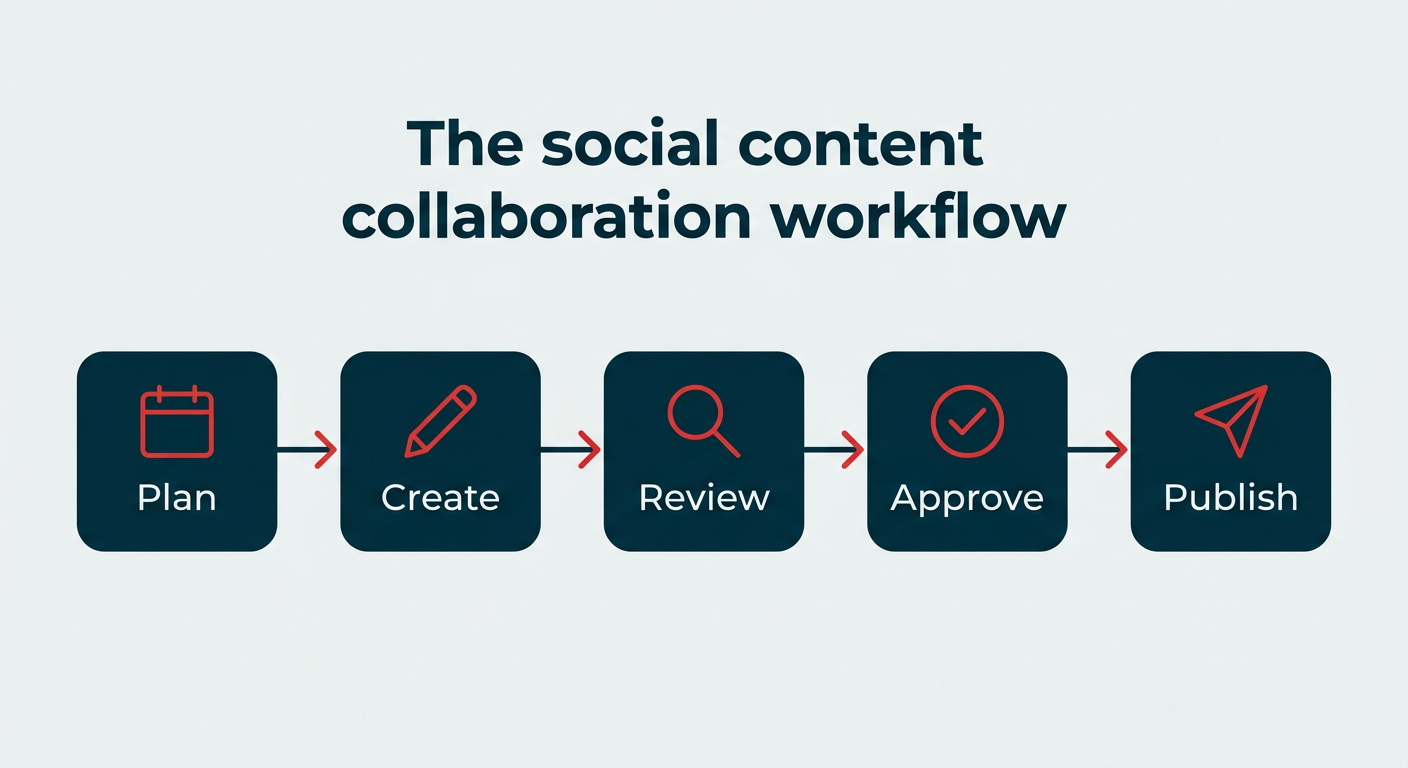
In the dynamic digital landscape of 2026, the complexity of social media management has transcended simple scheduling and content creation. It now demands sophisticated, integrated solutions that empower cross-functional teams to plan, create, review, approve, and publish content with unprecedented speed and precision, all within a unified workspace. This evolution is not merely a convenience but a strategic imperative, driven by escalating content demands, stringent approval requirements, and the need for real-time engagement in an increasingly regulated and AI-driven environment.
The Evolving Landscape of Social Media Collaboration: A 2026 Perspective

The definition of a "social media collaboration tool" has significantly expanded by 2026. No longer confined to basic shared calendars or comment threads, these platforms are now comprehensive ecosystems designed to integrate diverse stakeholders – from marketing and creative departments to legal and compliance teams – into a seamless workflow. This convergence is underscored by Gartner’s strategic reclassification of social media management and listening as a single, unified market. This shift reflects a recognition that effective social presence is inextricably linked to understanding audience sentiment and broader market trends, requiring a holistic approach to content strategy and execution.
Furthermore, the integration of artificial intelligence (AI) has become a defining characteristic of these tools. AI-assisted drafting, content optimization, and intelligent routing mechanisms are standard features, fundamentally altering how content is conceived and approved. This technological leap, while enhancing efficiency, simultaneously elevates the importance of robust governance frameworks and comprehensive audit trails. In an era where AI can rapidly generate vast amounts of content, ensuring brand consistency, factual accuracy, and regulatory compliance is paramount. The question of "who approved this?" is now often followed by "and how was it generated and verified?" This dual emphasis on speed and accountability reflects the maturity of the social media industry.
The Imperative for Integrated Workflows: Why Modern Teams Need Collaboration Tools

The demand for sophisticated social media collaboration tools stems directly from the accelerating challenges faced by social teams today. Traditional, siloed workflows—involving disparate spreadsheets, email chains, and instant messaging apps for feedback—are no longer sustainable. Content volume, driven by the proliferation of platforms and the expectation of continuous engagement, has surged dramatically. Industry reports indicate that the average enterprise social media team manages upwards of 15 social profiles across various networks, with content output increasing by an estimated 25-30% year-over-year since 2020. This growth consistently outpaces headcount increases, placing immense pressure on existing resources.
Moreover, the real-time nature of social media engagement means that responses and campaigns must be agile, yet carefully vetted. A misstep can lead to significant brand damage, legal repercussions, or public relations crises. This necessitates multi-layered approval processes involving various departments, each with specific mandates, from brand guidelines (marketing, creative) to legal and regulatory compliance (legal, public relations). Experts emphasize that the common thread in collaboration breakdowns is rarely a lack of effort but rather a profound deficit in visibility. Teams struggle with:
- Scattered Communication: Feedback, revisions, and approvals fragmented across multiple channels (e.g., Slack, email, project management tools), leading to lost context.
- Ambiguous Ownership: Unclear roles and responsibilities causing bottlenecks, duplicated efforts, or critical tasks falling through the cracks.
- Version Control Issues: Confusion over the latest draft or approved asset, resulting in errors or re-work.
- Slow Approval Cycles: Delays in obtaining necessary sign-offs from various stakeholders, impeding content velocity.
- Lack of Performance Insight: Inability to connect content creation efforts directly to measurable outcomes, hindering strategic adjustments.
Historically, social media management began with simple scheduling tools in the late 2000s, primarily to manage posting times and basic content distribution. As social platforms evolved and user bases exploded, so did the need for more sophisticated features like analytics and listening. The rise of remote work models and larger, more specialized marketing teams in the early 2020s catalyzed the shift towards robust collaboration. Companies recognized that the sheer volume and strategic importance of social content required a dedicated, centralized system to coordinate efforts effectively across geographically dispersed and functionally diverse teams. This evolution culminated in 2026 with platforms that not only manage social content but orchestrate the entire content lifecycle, underpinned by intelligent automation and rigorous governance. The transition reflects a broader industry trend towards integrated platforms that consolidate workflows and data, moving away from a fragmented toolkit approach.
Core Capabilities Defining Next-Generation Collaboration Platforms
To navigate the complexities of 2026 social media, teams require tools that offer a comprehensive suite of capabilities, seamlessly integrating communication, approvals, planning, and reporting. These four pillars are critical in eliminating friction points and ensuring operational efficiency.
1. Streamlined Team Communication and Real-time Commenting
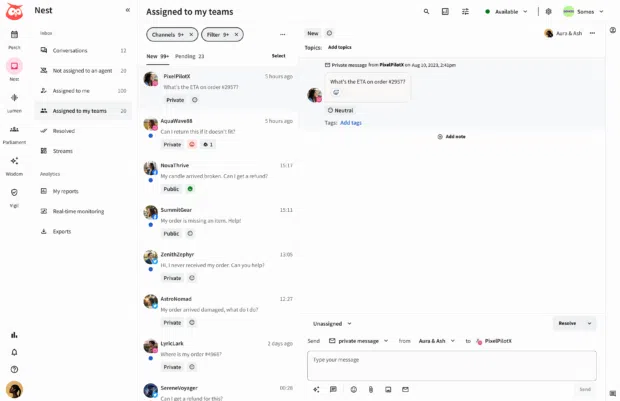
Effective collaboration hinges on centralized communication. The biggest mistake teams make is allowing strategy, drafts, feedback, and quick questions to reside in separate tools. This tab-switching chaos leads to lost context, missed deadlines, and a fragmented workflow. Leading collaboration tools consolidate these interactions. For instance, platforms now feature unified inboxes where teams can assign conversations, hand off customer service inquiries, and view complete message histories. AI-powered assistants often sit alongside these inboxes, allowing team members to query performance data or workload statistics without needing to access a separate reporting dashboard. Real-time commenting directly on content drafts is crucial, allowing for contextual feedback that keeps all stakeholders aligned and reduces revision cycles, significantly cutting down on misinterpretations and speeding up content finalization.
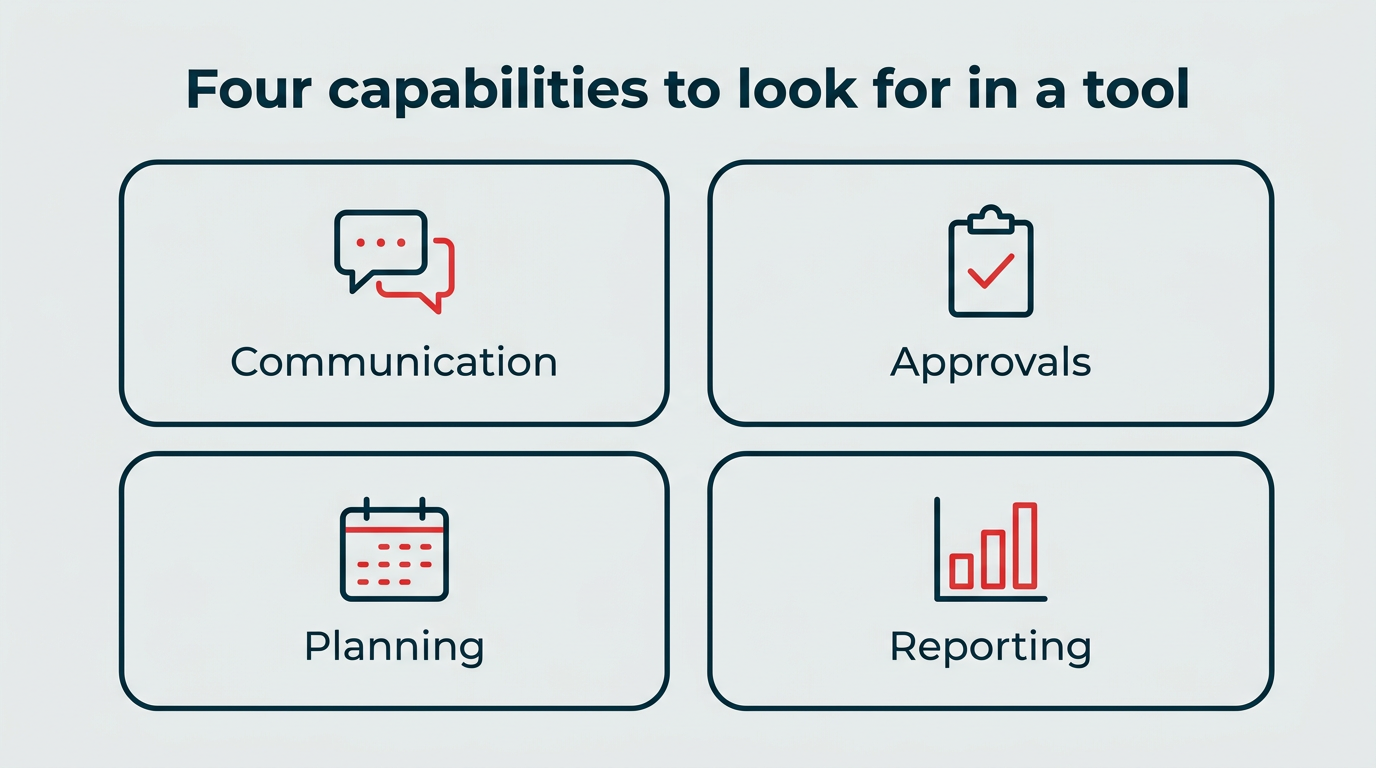
2. Robust Approval Workflows and Role-Based Permissions
Approvals are frequently the primary bottleneck in social media workflows, often consuming up to 30% of a campaign’s lead time. Modern tools offer multi-step approval routing, ensuring content passes through all necessary checkpoints, from junior marketers to legal counsel, before publication. Clear draft statuses ("in review," "approved," "needs revision") provide immediate visibility into content progression. Crucially, role-based permissions define precisely who can create, edit, approve, or publish, mitigating risks of unauthorized content going live. Automation further enhances this by enabling features like saved replies for routine engagement, automatic approval routing based on content type or keywords, and task triggers that streamline repetitive administrative work. This not only speeds up the process but also creates an indispensable audit trail, vital for compliance, especially for enterprise and regulated industries where unapproved posts can carry significant legal or financial consequences, potentially incurring hefty fines or reputational damage.
3. Comprehensive Content Planning and Shared Calendars
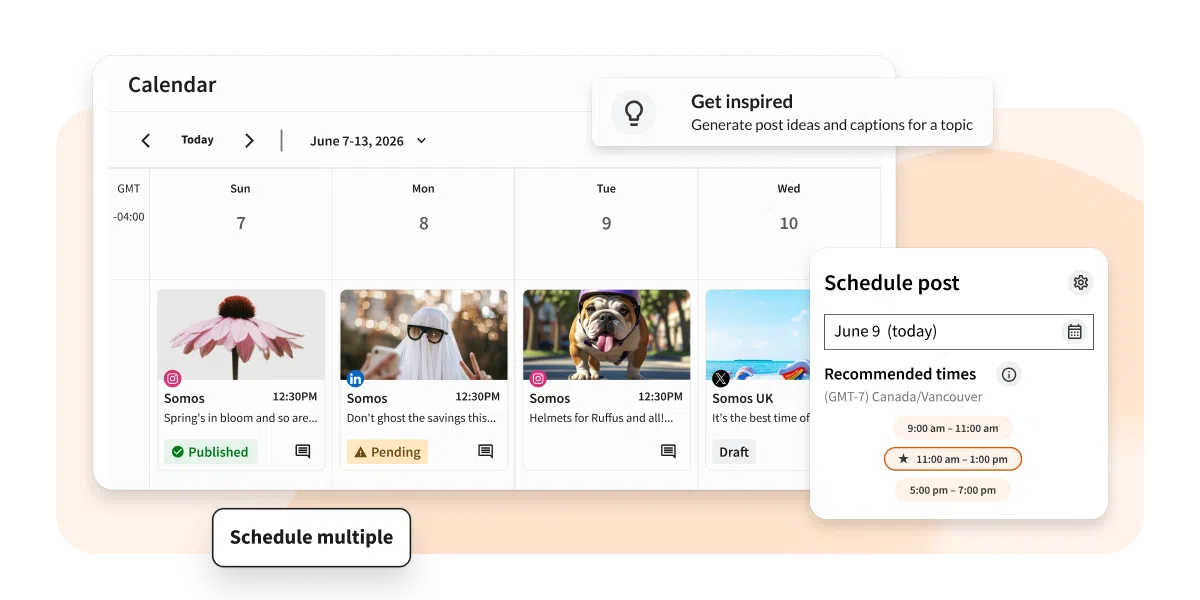
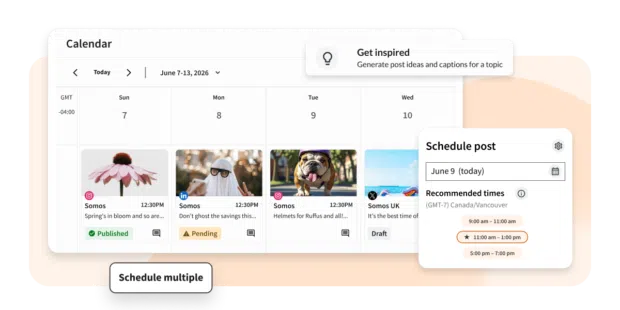
Visibility is the cornerstone of effective planning. A robust social media collaboration tool must include an integrated content calendar or planner that provides a holistic view of all scheduled, in-review, and draft content across every platform. Without this shared perspective, teams operate in silos, leading to duplicated efforts, missed opportunities, and inconsistent messaging. When the content calendar is embedded within the social media management tool, teams can quickly identify gaps, coordinate campaigns, and maintain a consistent publishing rhythm without the need for endless meetings or manual spreadsheet updates. This centralized planning capability ensures that all team members, regardless of their role, understand the overarching content strategy and their part in executing it, fostering strategic alignment.
4. Integrated Analytics and Reporting for Shared Performance Insight
Collaboration extends beyond content creation; it encompasses proving the impact of that content. Built-in analytics and reporting features provide a shared, data-driven view of performance. This ensures that creators, social media managers, and executives are all working from the same metrics, fostering a culture of accountability and continuous improvement. Tools that generate clear, shareable reports empower teams to confidently demonstrate the return on investment (ROI) of their social strategy. Advanced platforms also integrate social intelligence capabilities, connecting audience sentiment and conversation trends directly to content performance, offering a deeper understanding of what resonates and why. This unified data perspective eliminates discrepancies, facilitates faster iteration, and allows for more informed strategic adjustments, ensuring social media efforts are directly tied to business objectives.
A Deep Dive into Leading Social Media Collaboration Solutions for 2026
The market for social media collaboration tools is diverse, offering solutions tailored to various team sizes, budgets, and specific workflow needs. Here’s an examination of some of the top platforms in 2026, categorized by their primary strengths:
All-in-One Social Collaboration & Governance Platforms
These platforms are designed for comprehensive social media operations, integrating planning, publishing, engagement, analytics, and robust governance features into a single system, ideal for organizations with complex requirements.
1. Hootsuite Social OS
Best for: Mid-size to enterprise teams requiring extensive social collaboration and governance.
Hootsuite Social OS represents a significant evolution, transforming from a classic social media management tool into a comprehensive social operating system. It connects planning (Perch), customer care (Nest), AI orchestration (Wisdom), and governance (Vigil) into a unified, governed workspace. Teams can create organizational structures within the platform, managing multiple social accounts, assigning workload, and routing messages effectively. The platform’s emphasis on connected systems, rather than disparate tools, addresses the "tab-switching chaos" prevalent in many marketing departments.
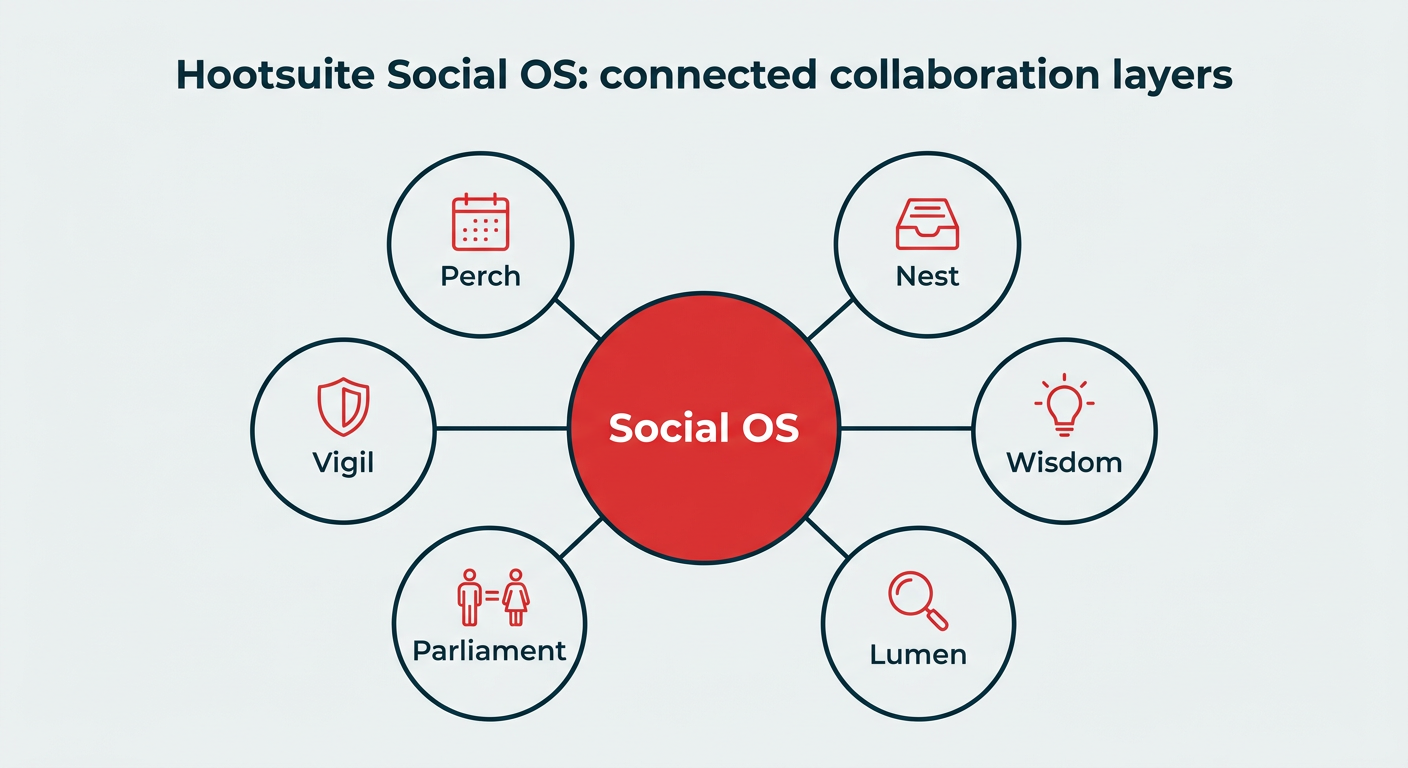
Key Collaboration Features:
- Multi-step approval workflows: Customize complex approval chains for different content types, campaigns, or legal requirements.