As the digital marketing landscape continues its rapid evolution, businesses are increasingly scrutinizing their foundational technology stacks, particularly their email service providers (ESPs). A recently published guide from Sinch Mailjet, dated June 5, 2026, outlines a comprehensive, step-by-step process for companies looking to migrate their email operations from Mailchimp to Sinch Mailjet. This detailed instruction set reflects a growing trend among businesses to seek more robust, scalable, and compliant email solutions as their operational needs expand beyond initial market entry tools. The guide underscores that selecting an email platform transcends mere feature comparison, emphasizing the critical need for solutions that support growing teams, scale with sending demands, and rigorously meet requirements for performance, collaboration, and regulatory compliance.
The Evolving Landscape of Email Marketing Platforms

Email marketing remains a cornerstone of digital strategy for businesses across all sectors, consistently demonstrating high return on investment when executed effectively. However, the demands on ESPs have intensified significantly. What once sufficed for nascent startups often becomes a bottleneck for established businesses experiencing rapid growth or requiring sophisticated functionalities. Companies are discovering that while platforms like Mailchimp serve admirably for initial phases, their architecture, pricing models, or feature sets may not align with the complexities of large-scale operations, advanced automation needs, or stringent compliance mandates. This divergence often precipitates a strategic re-evaluation, leading businesses to explore alternatives like Sinch Mailjet, which are designed to cater to high-volume senders, collaborative teams, and complex integration requirements.
Industry analysis indicates a steady migration trend, with businesses increasingly prioritizing platforms that offer superior deliverability, granular control over sender reputation, and more flexible pricing structures for scaling volumes. Data from a 2025 marketing technology report suggested that over 30% of mid-to-large enterprises annually reassess their core marketing platforms, with email being a primary focus due to its direct impact on customer engagement and revenue. The guide by Sinch Mailjet positions itself squarely within this context, offering a clear pathway for businesses that have identified these needs and are ready to transition.
Key Drivers for Platform Transition
The decision to migrate from a well-established platform like Mailchimp to another provider is rarely taken lightly. Several key factors typically underpin such a strategic shift:
- Scalability and Performance: As contact lists swell and sending volumes escalate, businesses require an infrastructure that can handle millions of emails per month without compromising speed or reliability. Some initial platforms may impose limitations or become prohibitively expensive at higher scales, leading to performance degradation or unexpected cost surges. Sinch Mailjet, with its enterprise-grade infrastructure, aims to provide predictable performance and cost management at scale.
- Advanced Features and Automation: Modern marketing necessitates sophisticated segmentation, hyper-personalization, and complex automation workflows. Businesses often find themselves constrained by basic automation capabilities, seeking more powerful tools for triggered emails, drip campaigns, A/B testing, and real-time analytics that can be deeply integrated with CRM and other business intelligence systems.
- Team Collaboration and Efficiency: For larger marketing departments or agencies, the ability to collaborate seamlessly on email campaigns, templates, and contact lists is paramount. Features such as multi-user accounts, role-based permissions, and version control become essential for maintaining brand consistency and operational efficiency.
- Compliance and Deliverability: In an era of heightened data privacy regulations (e.g., GDPR, CCPA) and aggressive spam filtering, ensuring emails reach the inbox while remaining compliant is non-negotiable. Platforms offering robust deliverability tools, expert support, and adherence to global regulatory frameworks become crucial. Sinch Mailjet emphasizes its focus on deliverability expertise and compliance.
- Cost-Effectiveness at Scale: While initial pricing for entry-level platforms can be attractive, costs can escalate dramatically as contact lists and sending volumes grow. Businesses often seek platforms with more transparent and favorable pricing models for high-volume usage, leading to significant long-term savings.
A Step-by-Step Guide to a Smooth Migration
The Sinch Mailjet guide meticulously details the migration process, broken down into three primary phases: contact migration, template migration, and reporting data export. This structured approach aims to minimize disruption and ensure data integrity throughout the transition.
Phase 1: Migrating Contact Data – Ensuring Continuity and Compliance
The foundation of any email marketing strategy is the contact list. The guide provides clear instructions for extracting and importing this critical data:
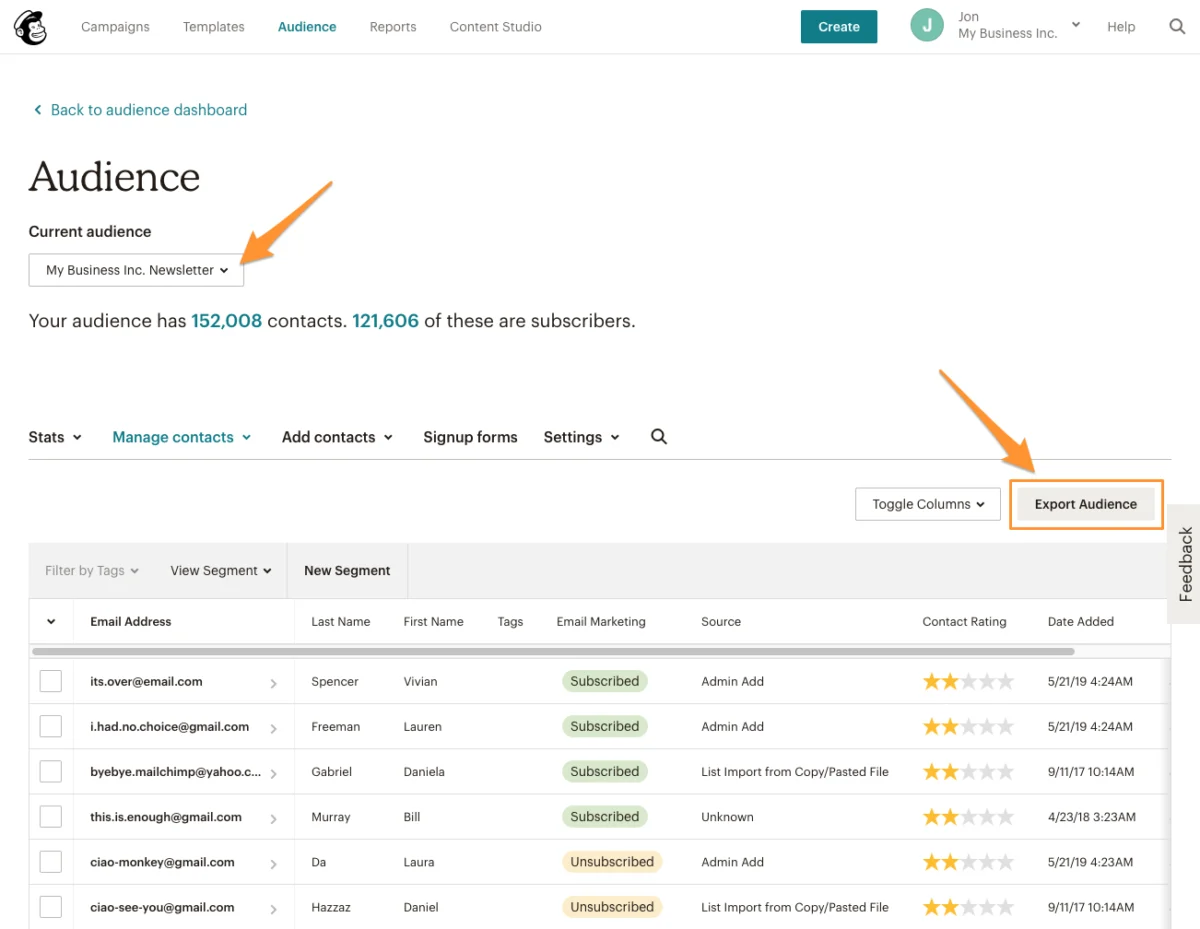
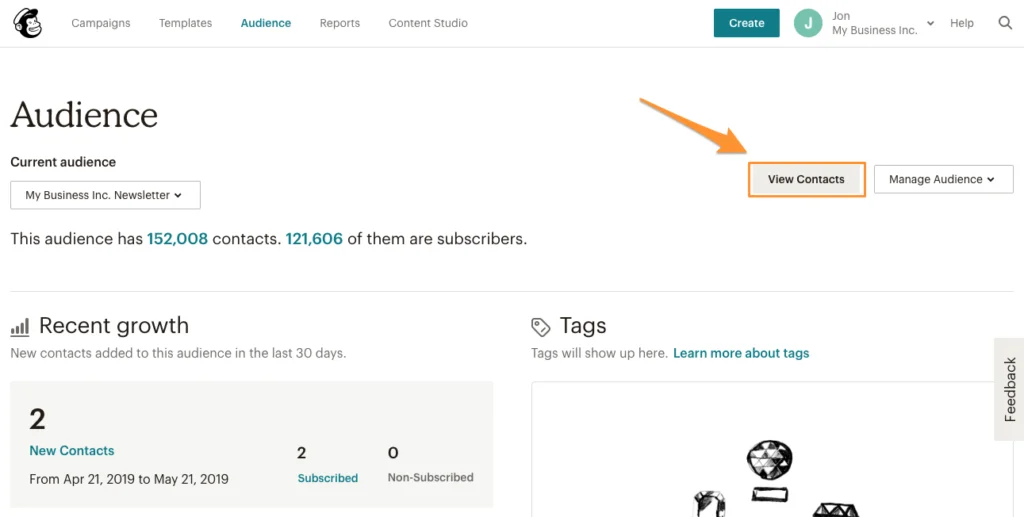
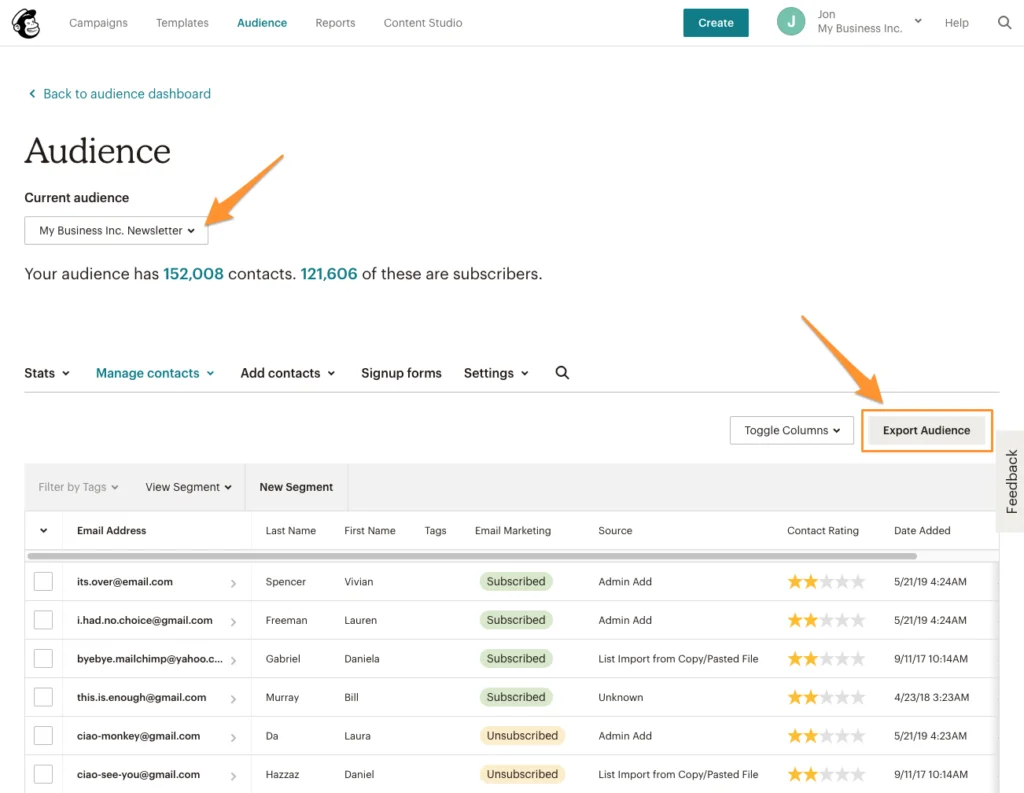
- Exporting from Mailchimp: Users are instructed to log into their Mailchimp account, navigate to the ‘Audience’ section, and then ‘View Contacts’. From there, the ‘Export Audience’ option allows for the download of contact data. This process must be repeated for every individual audience (contact list) managed within Mailchimp. Each export yields a compressed file, typically containing ‘subscribed_members.csv’ and ‘unsubscribed_members.csv’.
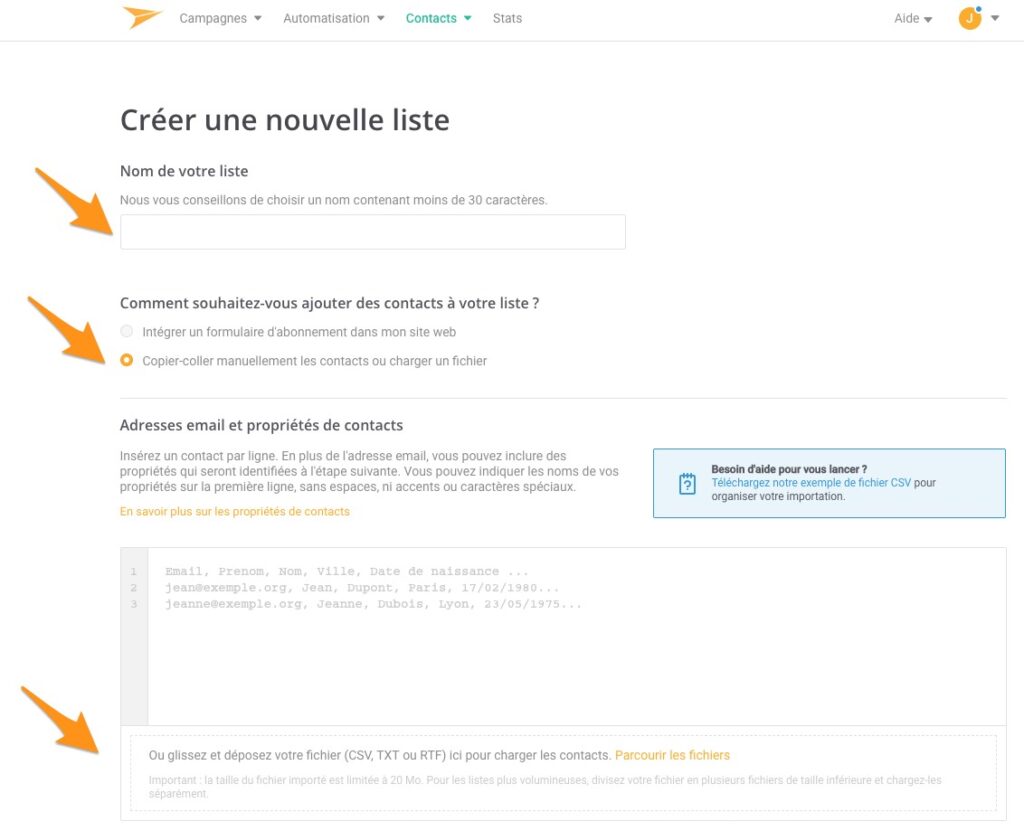
- Importing to Sinch Mailjet: Once the CSV files are unzipped, the next step involves importing them into Sinch Mailjet. Users log into their Mailjet account, go to ‘Contacts’ > ‘Contact Lists’, and select ‘Create a new list’. The option to ‘Paste contacts manually or upload a file’ is chosen, followed by uploading the subscribed members’ CSV file.
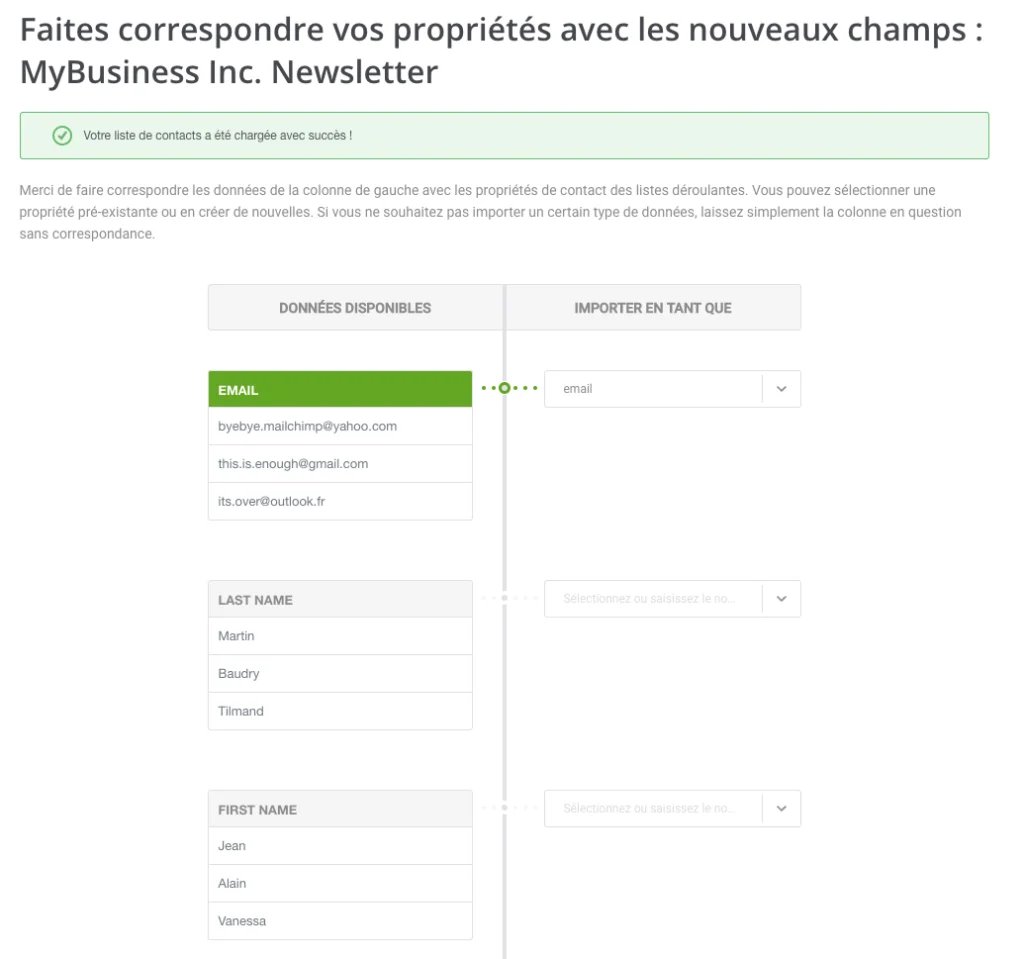
- Field Mapping and Segmentation: During the import, Sinch Mailjet prompts for field mapping, allowing users to align Mailchimp’s contact properties (such as name, company, birthday) with Mailjet’s fields. This step is crucial for maintaining personalization capabilities and enabling sophisticated segmentation within the new platform. Mailjet’s capacity to import a wide array of contact properties allows for highly targeted campaigns from the outset.
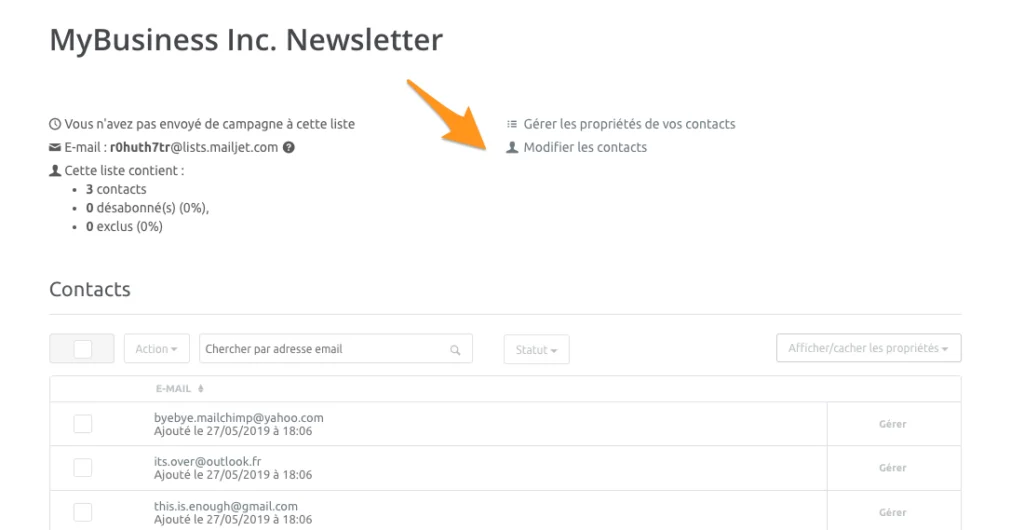
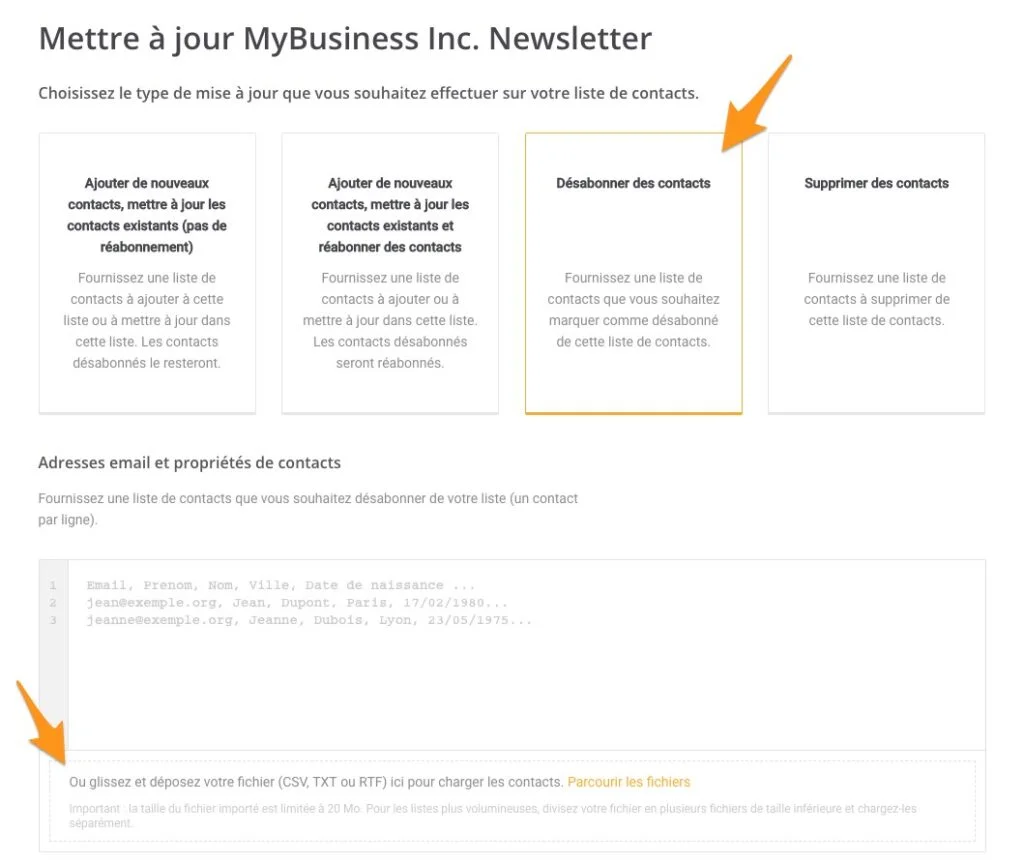
- Crucial Compliance Step: Importing Unsubscribed Contacts: A particularly vital instruction highlighted in the guide is the separate import of unsubscribed contacts. After importing active subscribers, users must return to ‘Manage contacts’ within the newly created Mailjet list, select ‘Unsubscribe contacts’ as the update type, and upload the ‘unsubscribed_members.csv’ file. This prevents inadvertent emailing of individuals who have previously opted out, safeguarding sender reputation and ensuring compliance with anti-spam legislation like CAN-SPAM, GDPR, and other regional regulations. Neglecting this step could lead to significant deliverability issues and legal ramifications. The guide emphasizes that maintaining accurate opt-out lists is a cornerstone of ethical and effective email marketing.
Phase 2: Transitioning Email Templates – Balancing Fidelity and Innovation

The migration of email templates presents a unique challenge due to the proprietary nature of different ESPs’ email builders. The guide acknowledges that direct, editable export from Mailchimp to Sinch Mailjet’s Email Editor is not feasible, prompting two strategic approaches:
- Rebuilding Templates within Sinch Mailjet: This option is often recommended for businesses seeking to leverage Mailjet’s modern template builder, which offers responsive design capabilities, advanced drag-and-drop functionality, and optimized rendering across various email clients. Rebuilding allows for a clean slate, incorporating Mailjet’s specific features and best practices for design and deliverability. While requiring an initial time investment, it ensures full compatibility and optimal performance within the new environment.
- Exporting and Importing HTML: For those prioritizing speed or maintaining a precise visual replication of existing designs, Mailchimp allows users to ‘Export as HTML’ for each template. This HTML file can then be uploaded into Sinch Mailjet by navigating to ‘Campaigns’, selecting ‘Create a new template’, and choosing ‘Code it in HTML’. While this method ensures visual consistency, users should be aware that directly imported HTML templates may have limited editing capabilities within Mailjet’s visual editor, requiring direct code manipulation for future adjustments. This option is particularly useful for highly customized, code-based templates or for a rapid interim solution.
The guide encourages businesses to consider the long-term implications of their template strategy, weighing the immediate convenience of HTML import against the flexibility and advanced features offered by Mailjet’s native template builder.
Phase 3: Archiving Historical Performance Data – Insights for Future Strategy
While live reporting data cannot be directly transferred between platforms, the guide stresses the importance of preserving historical performance metrics. Sinch Mailjet advises users to access their Mailchimp account, go to ‘Reports’, and select ‘Download All Reports’. This action generates a comprehensive archive of past campaign performance, including open rates, click-through rates, bounce rates, and unsubscribes. This historical data, though static, is invaluable for:
- Benchmarking: Establishing a baseline for future campaign performance within Sinch Mailjet.
- Trend Analysis: Identifying long-term trends in subscriber engagement and content effectiveness.
- Strategic Planning: Informing future email marketing strategies, content calendars, and audience segmentation efforts.
- Compliance Audits: Providing a record of past communications and opt-out management.
Maintaining access to this historical context ensures that the transition to a new platform does not create a blind spot regarding past performance, allowing for continuous data-driven decision-making.
Post-Migration Best Practices for Optimal Performance
The migration process doesn’t conclude with data transfer. To ensure optimal deliverability and maintain a stellar sender reputation, Sinch Mailjet strongly advises several crucial post-migration configurations:
- Domain Validation: Verifying ownership of sending domains within Sinch Mailjet is a fundamental step. This confirms the legitimacy of the sender and is a prerequisite for configuring advanced authentication protocols.
- Sender Authentication (SPF, DKIM, DMARC): The guide emphasizes the critical role of setting up Sender Policy Framework (SPF), DomainKeys Identified Mail (DKIM), and Domain-based Message Authentication, Reporting & Conformance (DMARC records).
- SPF specifies which mail servers are authorized to send email on behalf of a domain.
- DKIM adds a digital signature to outgoing emails, allowing recipient servers to verify that the email hasn’t been tampered with and genuinely originated from the claimed domain.
- DMARC builds upon SPF and DKIM, providing instructions to recipient mail servers on how to handle emails that fail authentication checks (e.g., quarantine, reject) and offering reporting capabilities to monitor domain usage.
These protocols are essential for preventing email spoofing, improving deliverability rates, and building trust with Internet Service Providers (ISPs). Neglecting these configurations can lead to emails being flagged as spam or rejected outright.
- IP Warming (for high-volume senders): While not explicitly detailed in the provided snippet, for high-volume senders, a gradual "IP warming" process might be necessary if they are transitioning to a new dedicated IP address. This involves sending emails in increasing volumes over several weeks to build a positive sending reputation with ISPs.
- Initial Campaign Monitoring: Closely monitoring the performance of the first few campaigns sent from Sinch Mailjet is crucial. This includes tracking open rates, click rates, bounce rates, and spam complaints to identify and address any potential issues quickly.
Expert Perspectives and Industry Trends
An inferred statement from a Sinch Mailjet spokesperson might highlight the company’s commitment to simplifying complex transitions: "We understand that migrating an entire email operation can seem daunting. Our comprehensive guide is designed to empower businesses with the tools and knowledge to make this transition seamless, ensuring they can immediately leverage Sinch Mailjet’s advanced capabilities for growth and efficiency."
The broader industry trend points towards ESPs that offer flexibility, robust APIs for integration, and a focus on deliverability intelligence. Businesses are moving away from monolithic platforms towards modular solutions that can be tailored to their specific needs and integrated within a broader martech ecosystem. Sinch Mailjet’s emphasis on scalability, collaboration, and deliverability expertise aligns with these evolving market demands, offering a compelling alternative for companies that have outgrown their initial email marketing solutions.
The Broader Implications for Business Growth
The decision to migrate to a platform like Sinch Mailjet has significant implications beyond mere email sending. It represents a strategic investment in the future growth and operational efficiency of a business. By moving to a platform that offers unlimited contacts, powerful collaboration features, advanced automation capabilities, and dedicated deliverability expertise, companies can:
- Empower Marketing Teams: Provide marketers with more sophisticated tools to create engaging, personalized campaigns that drive higher conversions.
- Facilitate Global Reach: Leverage an infrastructure capable of supporting international sending volumes and diverse communication needs, crucial for global expansion.
- Enhance Customer Experience: Utilize advanced segmentation and automation to deliver timely, relevant communications that build stronger customer relationships.
- Ensure Long-Term Adaptability: Position themselves with an ESP that can evolve with future technological advancements and marketing trends, providing a sustainable foundation for their email strategy.
The guide published by Sinch Mailjet is more than a technical instruction manual; it is a strategic roadmap for businesses poised for growth, offering a clear path to unlock enhanced email marketing potential. As businesses continue to prioritize data-driven strategies and personalized customer engagement, the choice of an ESP that can scale, perform, and comply becomes a decisive factor in their ongoing success.