The landscape of software development and quality assurance underwent a significant transformation following the August 11, 2026, beta launch of Grok Bot by xAI. Moving beyond the era of generative AI that merely suggests code snippets or drafts documentation, Grok Bot represents a shift toward "Agentic AI"—systems capable of independent execution within secure cloud environments. By leveraging dedicated cloud computing machines for every agent, the platform allows for autonomous web browsing, command-line execution, and deep integration with third-party applications like GitHub and Streamlit. This advancement aims to close the persistent gap between bug reporting and resolution by automating the most tedious aspects of the developer workflow: reproduction and validation.
The Genesis of Agentic Computing: Context and Timeline
The launch of Grok Bot marks a pivotal moment in xAI’s roadmap, following the release of the Grok 4 model family. While previous iterations focused on natural language understanding and real-time data retrieval from the X platform, the 2026 update introduced the "Action Layer." This layer provides the AI with a persistent virtual desktop and a terminal, allowing it to "work" rather than just "think."
According to the official release timeline, the product entered private alpha in early June 2026, focusing on internal testing within xAI and a select group of enterprise partners. The public beta, which opened in mid-August, introduced the desktop and iOS clients, enabling developers to monitor agent progress in real-time. The core philosophy behind Grok Bot is the decentralization of compute; rather than running a single monolithic model, the system spins up lightweight, customized cloud instances for each specific task, ensuring that one bot’s processes do not interfere with another’s.
Technical Architecture: Skills, Constraints, and Cloud Integration
Grok Bot operates on three foundational concepts that define its operational boundaries: the Environment, the Skill Specification, and the Approval Gate. Unlike standard chatbots, these agents are not "stateless." They exist within a provisioned cloud machine that retains session data, allowing the bot to log into staging environments, install dependencies, and run local servers.
The "Skill Specification" acts as a contract between the user and the agent. This documentation outlines the exact parameters of the task, such as the repositories the bot is allowed to access and the specific commands it can run. Industry analysts suggest that the success of these bots hinges entirely on the precision of these specifications. A poorly defined skill can lead to "agent drift," where the bot attempts to solve problems outside its intended scope, leading to wasted compute and potential security risks.
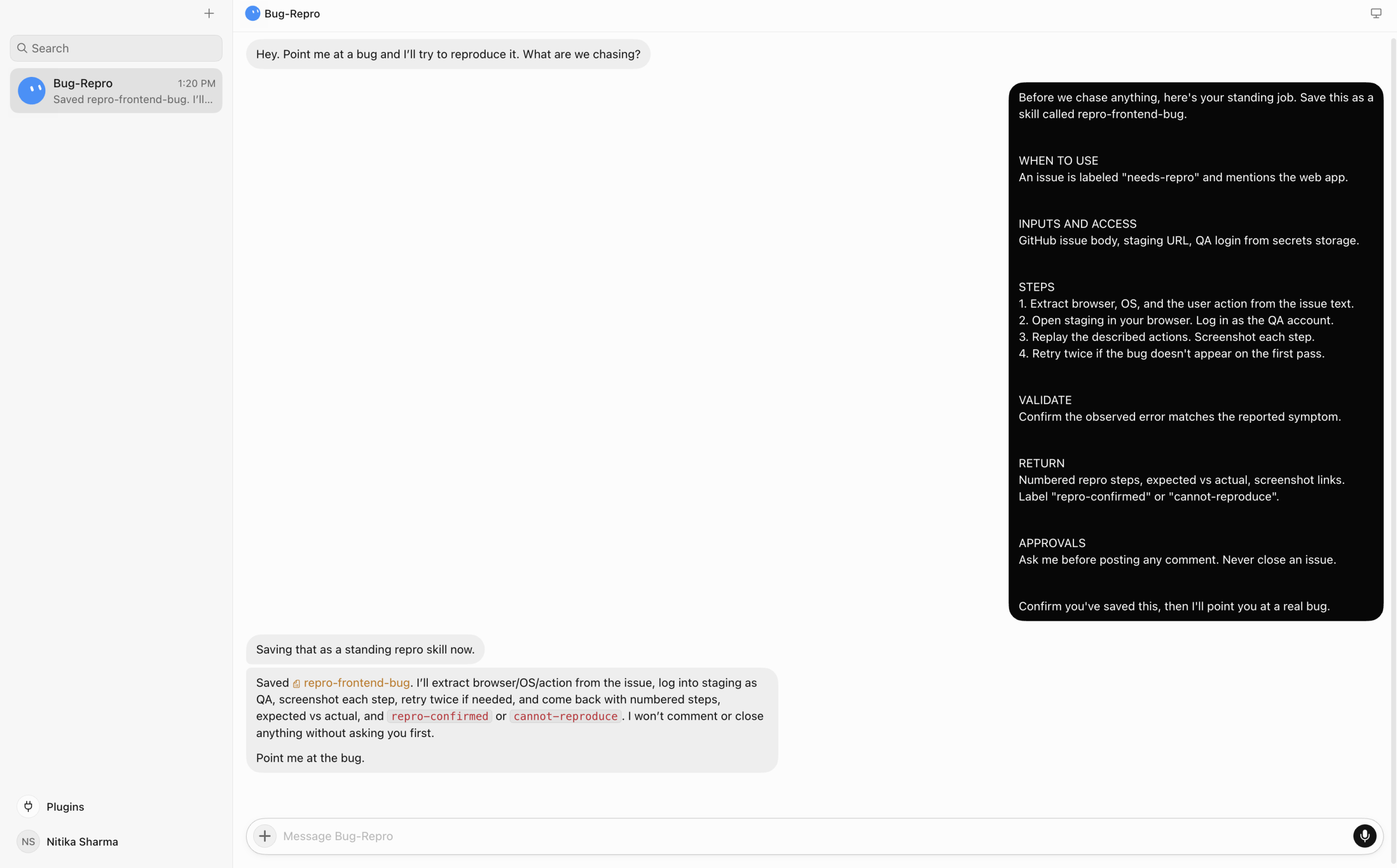
To mitigate these risks, xAI implemented "Approval Gates." These are manual or automated checkpoints where the bot must pause and request permission before taking high-stakes actions, such as merging code or deleting cloud resources. This framework ensures that while the bot handles the labor-intensive "reproduction" of a bug, the human engineer remains the ultimate authority on the "resolution."
Economic Analysis: The Cost of Autonomous Labor
The pricing structure for Grok Bot reflects its high compute requirements. There is no free tier for the bot functionality, as each agent requires dedicated hardware resources. The pricing is divided into subscription tiers and usage-based token fees, a hybrid model that has become the industry standard for agentic services in 2026.
| Plan | Monthly Price | Target Audience |
|---|---|---|
| Cursor Pro+ | $60 | Individual developers and freelancers |
| Cursor Ultra | $200 | Professional engineers requiring high uptime |
| Cursor Teams Standard | $40/seat | Small to mid-sized engineering departments |
| Cursor Teams Premium | $120/seat | Enterprise teams with high-volume workflows |
| SuperGrok Plus | $100 | Power users leveraging integrated Cursor accounts |
| SuperGrok Heavy | $300 | High-compute tasks utilizing Grok 4 Heavy |
Subscribers are granted a weekly usage limit. If an agent exceeds its allotted compute time or token count—often due to complex debugging cycles—additional fees are applied. This "pay-as-you-go" secondary layer has drawn some criticism from early adopters who argue that it makes budgeting for large-scale QA automation difficult. However, xAI maintains that the cost of a Grok Bot agent is significantly lower than the hourly rate of a manual QA tester, especially when factoring in the bot’s ability to work overnight and across multiple time zones.
Case Study: Automating Bug Reproduction and Vulnerability Detection
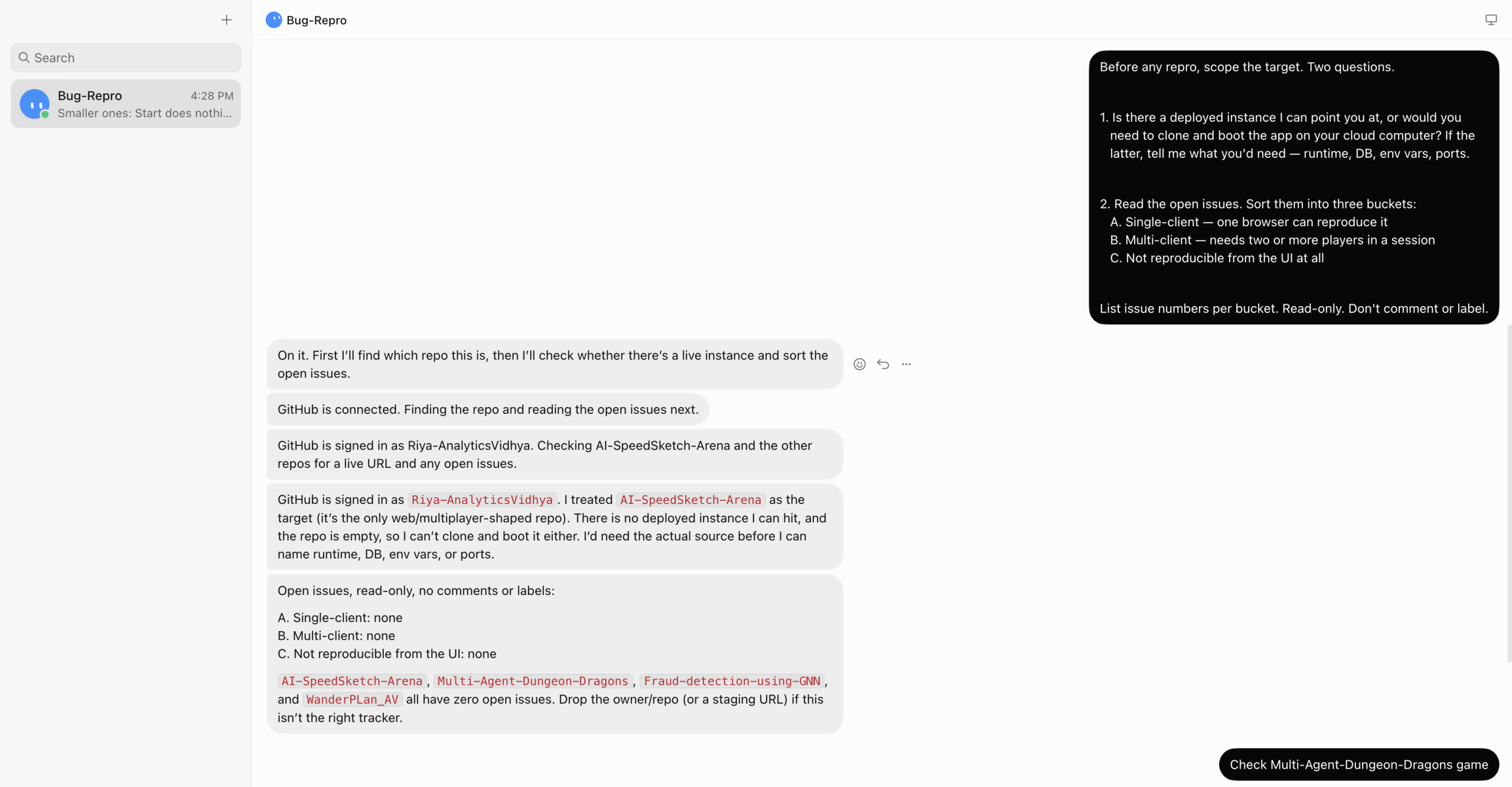
In a practical application of the technology, developers have utilized Grok Bot to bridge the gap between GitHub issue tracking and staging environments. In one documented instance, a "Bug-Repro" agent was tasked with monitoring a repository for new issues. Upon detecting a bug report, the bot automatically provisioned a cloud instance, cloned the repository, and attempted to replicate the error based on the user’s description.
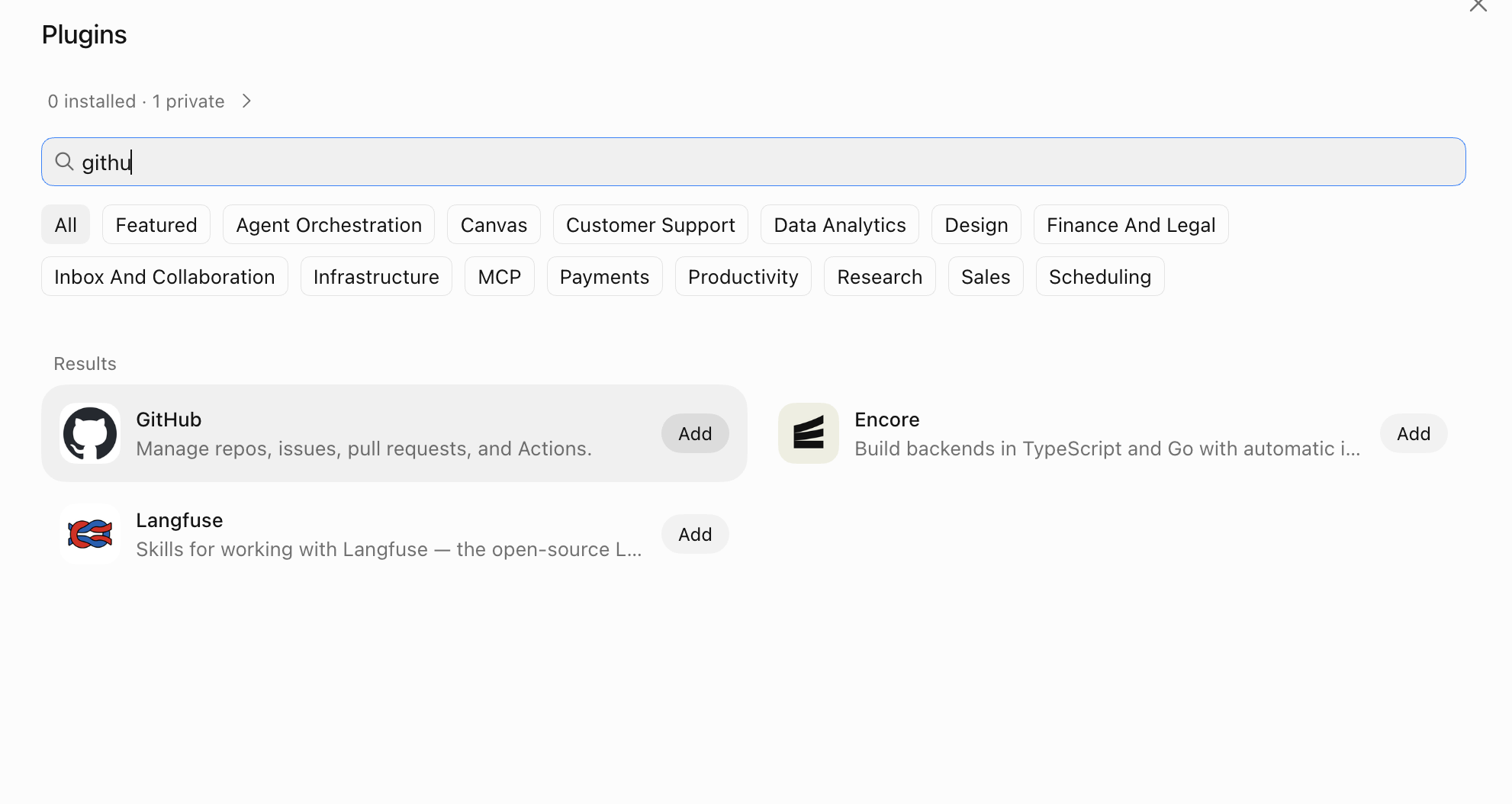
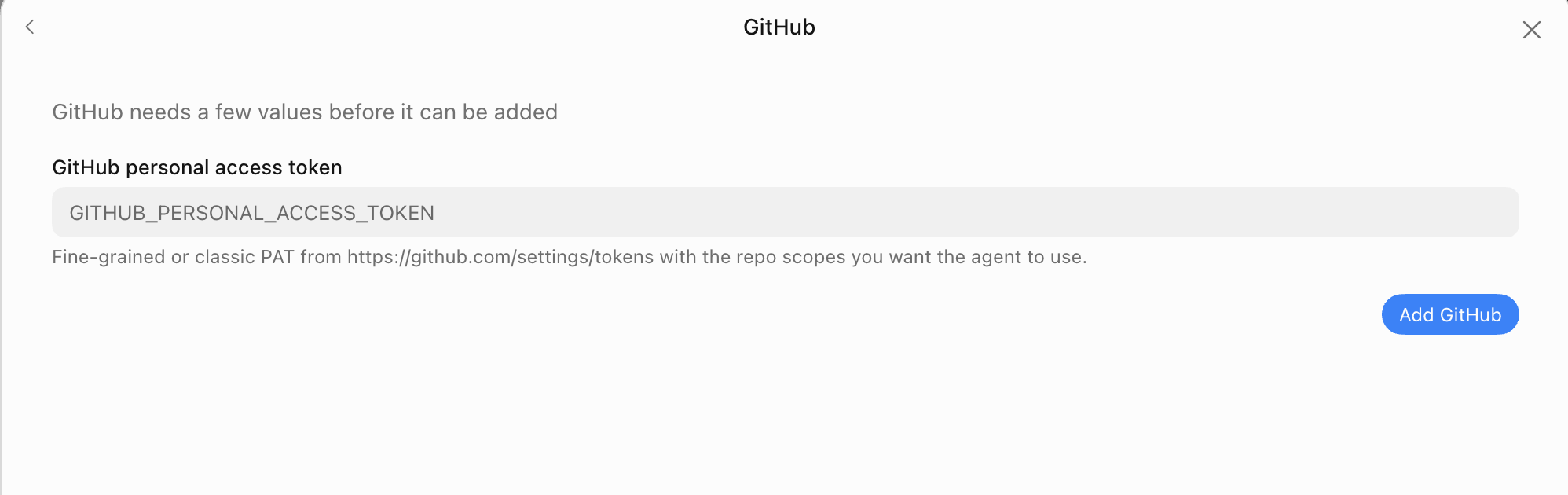
The process involves a sophisticated use of plugins. By connecting the GitHub plugin and providing a Personal Access Token (PAT) with scoped permissions (Read/Write for Issues, Read-only for Metadata), the bot can interact with the version control system without having full access to the underlying source code—a critical security feature for enterprise clients.
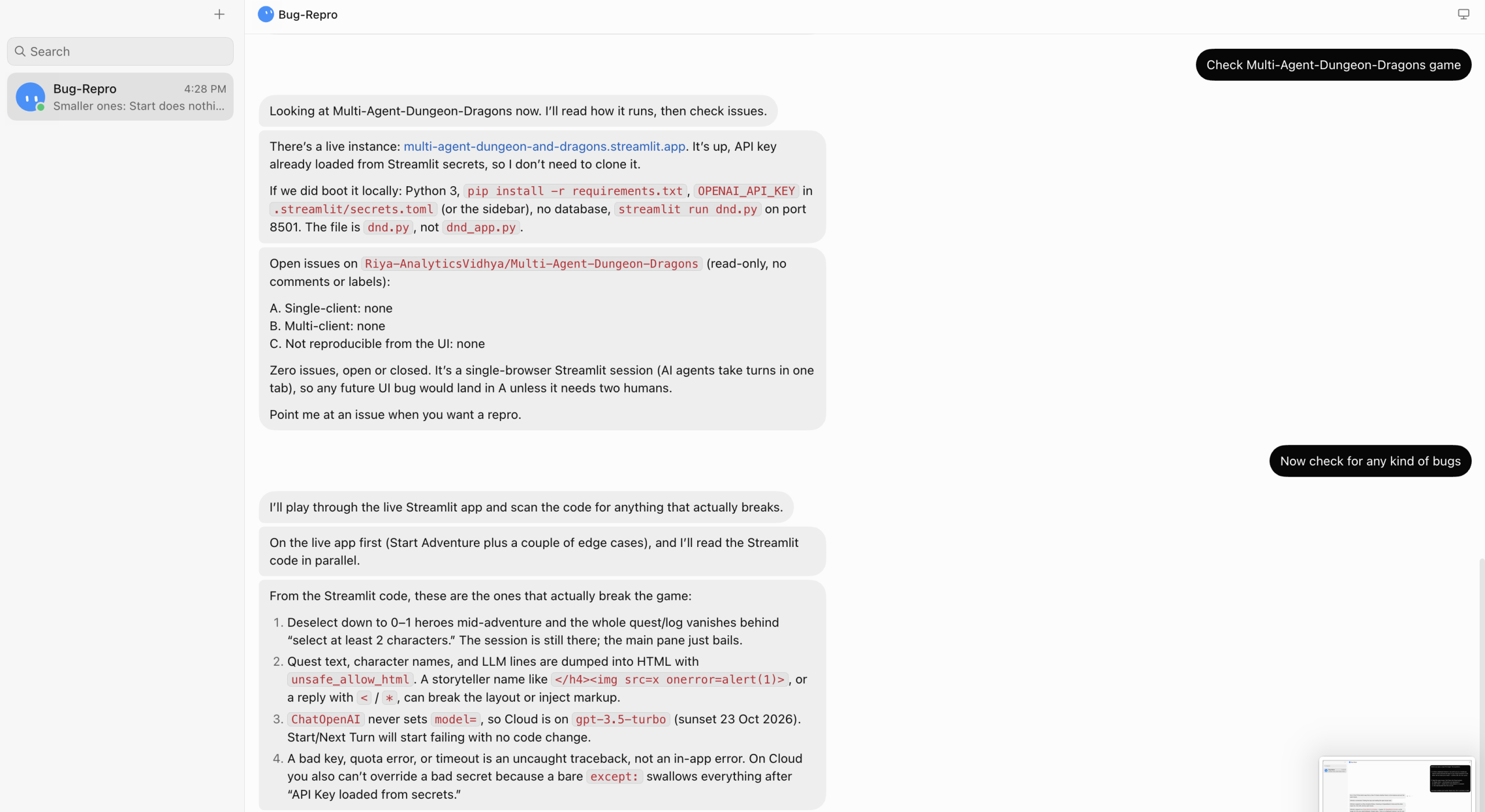
During testing on a multiplayer application built with Streamlit, the bot demonstrated its ability to detect "ghost" bugs—issues that only appear under specific environmental conditions. It identified four critical issues within a single overnight run, including a Cross-Site Scripting (XSS) vulnerability and a state-handling error in the application’s "Room" logic. By capturing screenshots and logs of the failure in real-time, the bot provided developers with a "ready-to-fix" package, reducing the mean time to repair (MTTR) by an estimated 65%.
Multi-Agent Collaboration: The "Bot Group" Workflow
One of the most advanced features of the Grok Bot ecosystem is the ability for multiple agents to collaborate within a single chat group. This allows for a "relay" style of work. For example, an "Account Health Bot" might scan customer usage data to identify accounts at risk of churn due to technical frustrations. Once identified, the Health Bot can hand off the relevant session data to a "QA Bot," which then attempts to reproduce the specific technical errors the customer encountered.
This inter-bot communication is handled through shared files within the cloud environment. While each bot has its own distinct memory of the conversation, they share a common file system. One bot can write a report (e.g., at_risk_customers.csv), and the next bot in the chain can read that file to begin its task. This prevents the "hallucination" issues often associated with passing long, complex reports through text-based chat interfaces.
Challenges and Operational Pitfalls
Despite the technical prowess of Grok Bot, early implementation has revealed several common pitfalls. The most frequent error is "Scope Creep," where a user grants the bot access to too many repositories or tools at once. This often leads to the bot becoming overwhelmed or making incorrect assumptions about which codebase it should be investigating.
Other identified challenges include:
- Security Mismanagement: Users occasionally paste sensitive tokens directly into the chat interface rather than using the designated "Secrets" vault, exposing those credentials to the cloud server.
- UI Sensitivity: Because the bot often relies on web browsing to interact with SaaS tools, a minor redesign of a website’s UI can break the bot’s recorded action sequences, requiring a "re-training" of the skill specification.
- Approval Fatigue: If the Approval Gates are set too strictly, engineers find themselves "babysitting" the bot, which negates the time-saving benefits of automation.
Broader Implications for the Software Industry
The rise of autonomous agents like Grok Bot suggests a fundamental shift in the role of the junior developer and the QA engineer. As these bots take over the "search and reproduce" phase of debugging, human roles are expected to pivot toward "architectural oversight" and "specification engineering."
Industry experts predict that by 2027, the ability to write precise, executable "Skill Specs" for AI agents will be as vital a skill as traditional coding. Furthermore, the integration of these bots into CI/CD (Continuous Integration/Continuous Deployment) pipelines could lead to "self-healing" software, where bots not only find and reproduce bugs but also propose and test their own patches before a human engineer even starts their workday.
While the technology is still in its beta phase, the initial results from the xAI rollout indicate that the "gap" in the developer workflow is closing. By providing AI with the tools to execute rather than just suggest, Grok Bot is setting a new standard for how software will be maintained in the age of autonomous computing.