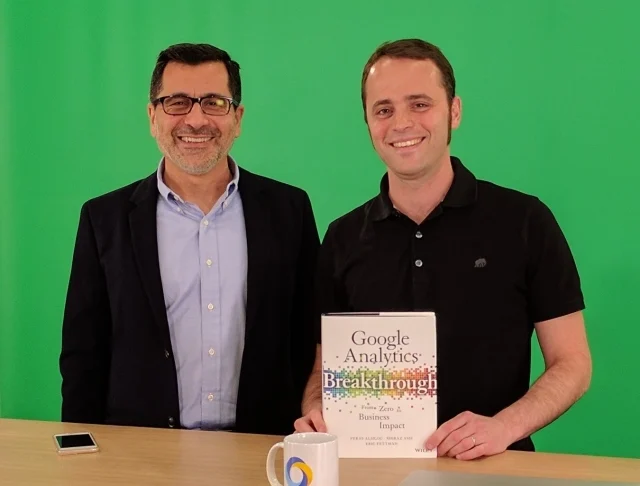
The global digital landscape has undergone a seismic shift over the last decade, transitioning from a localized, single-channel environment to a complex, multi-device ecosystem. In a comprehensive dialogue between Feras Alhlou, Co-Founder and Principal Consultant at E-Nor, and industry analyst Daniel Waisberg, the focus shifted toward the necessity of treating analytics not merely as a technical requirement but as a core business process. As organizations grapple with an unprecedented volume of information, the conversation underscored a critical reality: data without a strategic framework is a liability rather than an asset. Alhlou, a recognized authority in the field and co-author of "Google Analytics Breakthrough," emphasized that the path to actionable insights requires a structured approach that bridges the gap between technical implementation and executive-level decision-making.
The Shift from Technical Tracking to Strategic Measurement
In the early years of digital marketing, measurement was often an afterthought, relegated to IT departments or junior webmasters. However, as the digital economy has matured, the role of the analyst has evolved into that of a strategic partner. According to Alhlou, the modern analytics journey must begin with a dual-layered audit. This process involves examining both the technical integrity of the data collection and the underlying business objectives. By engaging stakeholders at the outset, organizations can ensure they are measuring what matters most to their bottom line, rather than getting lost in "vanity metrics" that provide little commercial value.
Industry data supports this shift toward strategic integration. A recent study by McKinsey & Company indicated that organizations that leverage customer behavioral insights outperform peers by 85 percent in sales growth and more than 25 percent in gross margin. Despite these potential gains, many enterprises struggle with data silos and fragmented reporting. Alhlou’s framework addresses these hurdles by establishing a clear hierarchy of operations: audit, reporting, analysis, and finally, optimization through testing and personalization.
A Chronology of Data Complexity
The evolution of the digital analytics field can be categorized into three distinct eras. In the first era, the "Web Log" period, tracking was limited to server-side hits and basic page views. The second era saw the rise of JavaScript-based tracking and the democratization of tools like Google Analytics, which allowed marketers to see basic user journeys. We are currently in the third era—the era of the "Unified Customer View"—where data originates from mobile applications, social media platforms, web interfaces, and internal backend systems such as CRM (Customer Relationship Management) and ERP (Enterprise Resource Planning) software.
This chronological progression has created what Alhlou describes as a "context problem." In the past, a marketer could assume a user on a desktop was a single entity. Today, a single customer may interact with a brand five times across three different devices before making a purchase. Without a framework to unify these touchpoints, the data becomes misleading. The E-Nor approach emphasizes understanding the context around this data to prevent fragmented decision-making.
The E-Nor Optimization Framework: A Four-Pillar Approach
To navigate modern complexities, Alhlou advocates for a rigorous optimization framework designed to move a business from passive data collection to active revenue generation.
- The Audit Phase: This phase is divided into technical and business components. The technical audit ensures that tracking codes are firing correctly across all properties and that data is being filtered to exclude internal traffic or bot activity. The business audit involves interviewing stakeholders to define Key Performance Indicators (KPIs) that align with organizational goals.
- The Reporting Layer: Once the data is verified, it must be visualized in a way that is accessible to non-technical users. This involves creating dashboards that highlight trends and anomalies, allowing managers to see at a glance whether the business is meeting its targets.
- Actionable Analysis: Reporting shows what happened; analysis explains why it happened. This stage requires skilled analysts to dig into segments and identify patterns of behavior that can be influenced by marketing or product changes.
- Testing and Personalization: This is the pinnacle of the framework. By using the insights gained from analysis, businesses can run A/B tests or deploy personalized content to specific user segments. According to Alhlou, this is where the most significant impact on the business occurs, as it directly improves conversion rates and customer lifetime value.
Data Roadmapping and the Qualitative Element
One of the most common mistakes identified by industry veterans is the attempt to implement a comprehensive data strategy all at once. Instead, Alhlou recommends the development of a data roadmap—a phased approach that builds internal capability over time.
The roadmap begins with "owned data," which includes the company’s website and mobile application analytics. These are the assets over which the company has the most control. The second phase involves augmenting these reports with social data to understand external sentiment and brand reach.
However, Alhlou notes that quantitative data (the "what") is incomplete without qualitative data (the "why"). To bridge this gap, he highlights the utility of modern survey tools, such as Google Surveys. In the past, market research was a prohibitively expensive and time-consuming endeavor reserved for Fortune 500 companies. Today, digital survey products allow businesses of all sizes to capture the "voice of the customer" in real-time. By integrating survey results with behavioral data, companies can gain a 360-degree view of the customer experience, identifying pain points that might not be visible through clickstream data alone.
Supporting Data: The High Cost of Data Inaccuracy
The push for a more disciplined analytics process is driven by the high costs associated with poor data quality. Research from Gartner suggests that organizations lose an average of $12.9 million annually due to poor data quality. Beyond the immediate financial impact, poor data leads to flawed strategic decisions that can take years to correct.
Furthermore, the rise of privacy regulations such as GDPR in Europe and CCPA in California has added a layer of legal necessity to the analytics audit. Companies must now be certain not only that their data is accurate, but also that it is collected and stored in compliance with international law. A robust measurement strategy, as outlined by Alhlou, provides the documentation and oversight necessary to navigate these regulatory waters.
Broader Implications for the Future of Marketing
The dialogue between Alhlou and Waisberg highlights a broader trend in the professional world: the convergence of marketing and data science. As machine learning and artificial intelligence become more integrated into analytics platforms, the role of the human analyst is shifting from data processing to strategic interpretation.
The implications for the workforce are significant. There is a growing demand for "T-shaped" professionals who possess deep expertise in analytics but also have a broad understanding of business strategy and consumer psychology. For companies, the competitive advantage no longer lies in who has the most data, but in who can derive the most accurate insights from that data and execute on them the fastest.
Conclusion and Outlook
The collaboration between leaders like Feras Alhlou and Daniel Waisberg serves as a reminder that while technology continues to evolve, the fundamentals of business remain constant. Success in the digital age requires a commitment to process, a focus on the customer, and a willingness to treat data as a strategic asset.
As businesses look toward the next decade, those that adopt a structured optimization framework—starting with a thorough audit and progressing toward sophisticated personalization—will be best positioned to thrive. The "Google Analytics Breakthrough" mentioned by Alhlou is not just about mastering a tool; it is about a fundamental shift in mindset that places measurement at the heart of the enterprise. By following a clear data roadmap and balancing quantitative metrics with qualitative insights, organizations can transform their digital properties from simple storefronts into powerful engines of growth and innovation.


 Neng Nana
 Nana Muazin