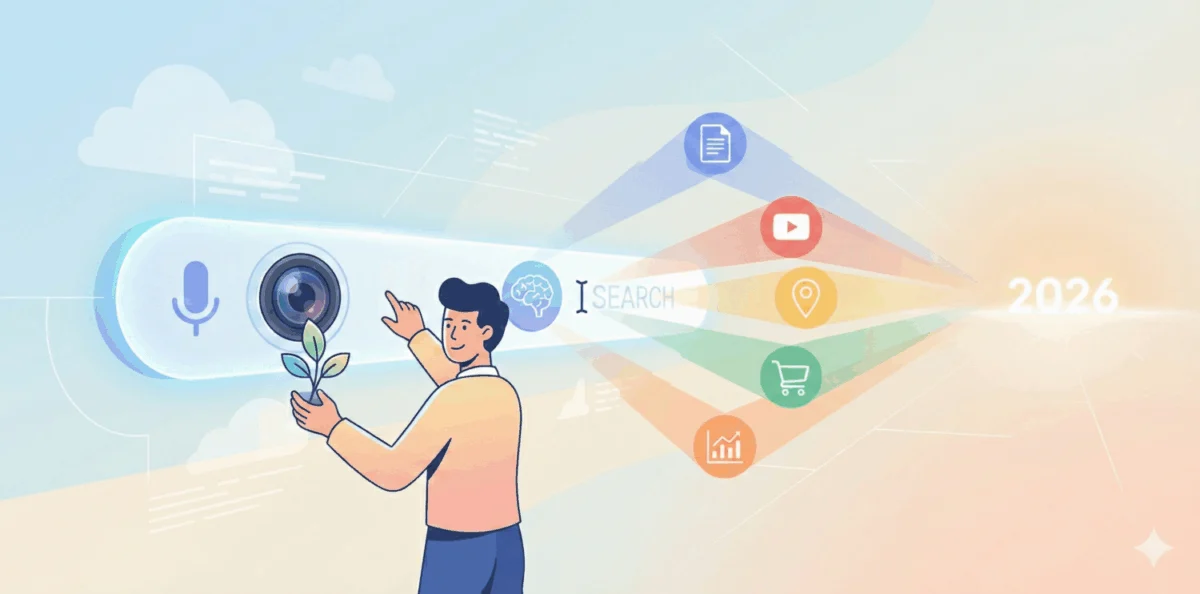
The digital landscape is undergoing a profound transformation, far exceeding a mere algorithmic tweak or an incremental optimization cycle. What is unfolding in the realm of online information discovery is a fundamental redefinition of how individuals access knowledge and interact with digital content. Artificial intelligence (AI) systems are increasingly providing direct answers to complex queries, maintaining conversational context across multiple interactions, and proactively surfacing information based on inferred user needs. For marketers, this seismic shift renders the traditional Search Engine Optimization (SEO) playbook obsolete, ushering in an entirely new era of digital strategy.
A Brief History of Search’s Evolution and AI’s Ascent
To fully grasp the magnitude of the current transformation, it is essential to contextualize the evolution of online search. For decades, the internet’s primary information gateway was dominated by keyword-based search engines, presenting users with a ranked list of "ten blue links." This model, while revolutionary in its time, was inherently reactive, requiring users to precisely articulate their queries. The early 2010s saw the gradual introduction of semantic search capabilities, with algorithms like Google’s Hummingbird and later RankBrain beginning to understand the meaning behind queries, not just the keywords. This paved the way for more sophisticated natural language processing (NLP) and a shift towards intent-based search.
The true inflection point, however, arrived with the rapid advancements in large language models (LLMs) and generative AI from the late 2010s into the early 2020s. The public release of tools like OpenAI’s ChatGPT in late 2022, followed by Google’s Gemini (formerly Bard), Microsoft’s Copilot (integrated into Bing), and specialized platforms like Perplexity AI, marked a dramatic acceleration. These systems moved beyond merely indexing web pages; they began synthesizing information, generating coherent responses, and engaging in dynamic conversations. Google’s subsequent rollout of AI Overviews (formerly Search Generative Experience, SGE) signaled the mainstream integration of these capabilities into the dominant search platform, effectively completing a chronological shift from reactive keyword matching to proactive, conversational, and personalized AI-driven discovery. This rapid technological progression means the future of search, once a distant concept, is now firmly embedded in the present, with profound implications for how marketing teams must operate by 2026.
The Five Pillars of Future Marketing: Predictions for 2026
The ongoing evolution points to several critical shifts that will redefine marketing effectiveness in the coming years.
1. AI Answer Engines: Beyond the Blue Links
By 2026, the traditional "ten blue links" will undoubtedly persist, yet their role will diminish significantly, becoming a secondary option rather than the primary mode of information discovery. AI answer engines such as ChatGPT, Gemini, Perplexity, and Google’s AI Overviews are rapidly becoming the default initial point of contact for users seeking information. These systems perform a sophisticated "first pass" at information retrieval, directly answering questions and synthesizing insights.
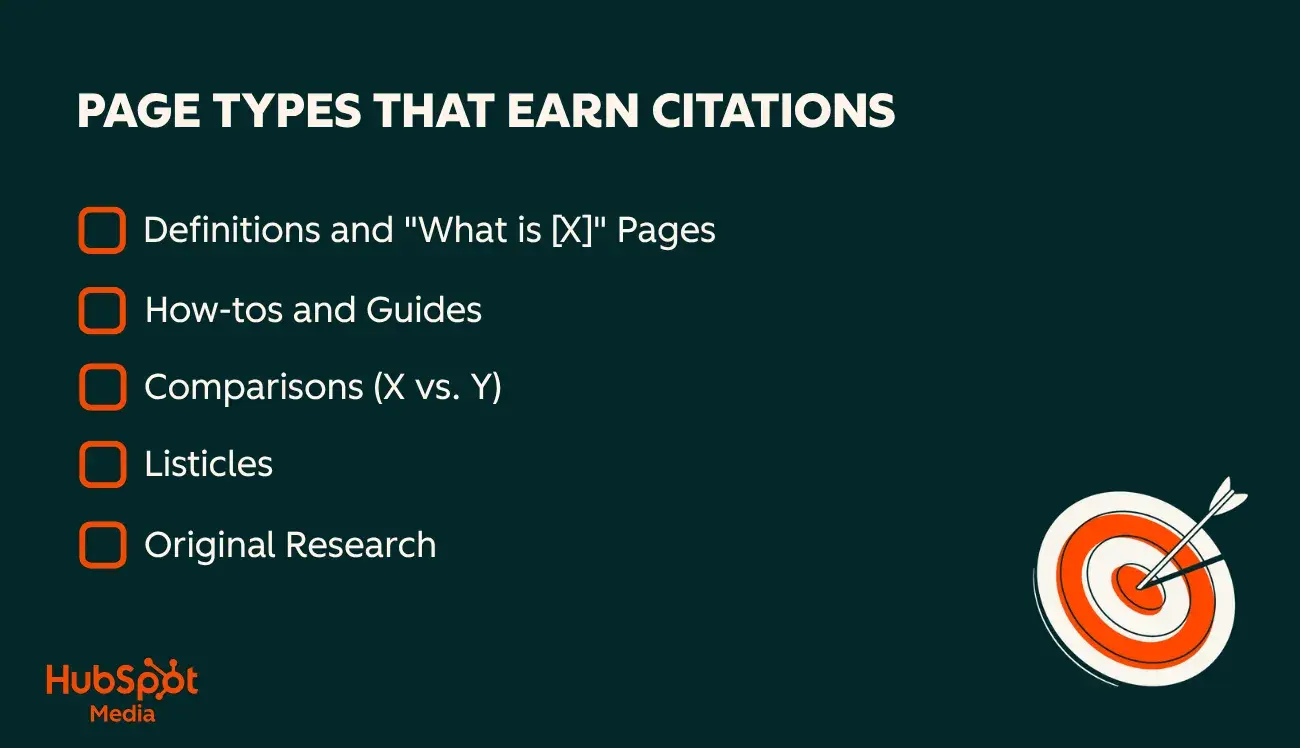
The fundamental change here is that answers are no longer confined to a single source or even a short list of top-ranking pages. Instead, AI systems meticulously assemble responses from a multitude of disparate sources, which can include publisher content, brand-owned assets, academic papers, and various third-party reference materials. Crucially, these AI models weigh the credibility of these sources, synthesize information, and present a consolidated answer. This implies that a brand’s content can influence user outcomes and decision-making without ever generating a direct click to its website. Recent studies, for instance, suggest that a significant percentage of searches are already "zero-click," and this trend is projected to accelerate as AI Overviews become more prevalent, potentially capturing a larger share of immediate information needs. For marketers, this means the metric of "visibility" is no longer solely about achieving the top organic ranking position on a Search Engine Results Page (SERP). It transforms into a challenge of being "retrievable" and sufficiently "trusted" to be utilized as input by these AI synthesis engines. Elements like structured data (e.g., Schema markup), unambiguous sourcing within content, and explicit signals of expertise (often referred to as E-E-A-T: Experience, Expertise, Authoritativeness, and Trustworthiness) will transition from being mere best practices to absolute table stakes for any content aiming for discoverability. The sheer breadth of a brand’s authoritative presence—how consistently and widely its content is published and recognized as an authority across various channels—will become a critical determinant of its influence. Content not meticulously designed for citation and synthesis will struggle to appear where critical decisions are being formed.
2. The Convergence of Search and Recommendation
The academic distinction between "search" (explicit user query) and "recommendation" (algorithmically suggested content) is rapidly dissolving. By 2026, these two functions will largely collapse into a single, seamless discovery system. This convergence is already evident across major digital platforms. AI algorithms routinely infer user intent and anticipate needs before explicit articulation: YouTube proactively queues up relevant explainers, LinkedIn surfaces posts highly aligned with a user’s professional role and interests, TikTok masterfully predicts content that will capture attention within seconds, and Amazon anticipates purchasing needs long before a query is typed.
For marketing teams, this convergence presents both expansive opportunities and new risks. Content can now reach precisely the right audience without a single keyword being typed into a search bar. A deeply insightful industry analysis, a meticulously designed explainer video, or a compelling visual story can travel far beyond the confines of traditional search results, propelled by sophisticated recommendation algorithms. However, content that is not "legible" to these systems—meaning it doesn’t align with their internal understanding of relevance, topic modeling, or native platform signals—will simply fail to propagate. Data from various platforms indicates a growing percentage of content discovery originates from algorithmic recommendations rather than direct searches, underscoring the shift. In 2026, marketers must pivot their strategies to design content for moments of "inferred need," moving beyond solely addressing explicit demand. This necessitates a deep understanding of how different platforms evaluate relevance, the creation of content that inherently fits native platform formats (e.g., short-form video for TikTok, professional articles for LinkedIn), and an acceptance that discovery is increasingly mediated by systems that decide for users, based on complex behavioral patterns.
3. Personalized Discovery: The AI’s Evolving Memory
A significant development in AI platforms is the increasing integration of persistent conversational history and user-level memory as standard features. Modern iterations of ChatGPT, Gemini, and Perplexity now retain past interactions, saved preferences, and accumulated contextual data. This evolving memory profoundly shapes what content is recommended and how information is presented to individual users.
The consequences for content discovery are extensive. A user who has previously explored a topic at an advanced level will receive markedly different results and recommendations than someone encountering the same topic for the first time. Past clicks, engagement patterns, and conversational history all influence the output an AI system presents. This leads to an unprecedented scale of audience fragmentation. The identical query from two distinct users may surface entirely different content based on their individual "memory profiles." Repeat searchers will experience increasingly tailored results that reflect their established preferences, expertise levels, and previous interactions. This enhanced personalization, while beneficial for user experience, presents a complex challenge for marketers aiming for broad reach.
To navigate this, marketers must adopt more modular content strategies. Instead of monolithic content pieces, they will need to create content designed to serve various knowledge levels (e.g., beginner, intermediate, expert, advanced). This means designing content as a logical progression, with clear entry points for novices, deeper follow-on pieces for those seeking more detail, and explicit signals that help AI systems understand the intended audience or knowledge prerequisite for each piece. This necessitates a structured approach to content architecture, allowing for dynamic assembly and personalized delivery.
4. Redefining Success: New Metrics for a Post-Click World
The rise of AI search fundamentally disrupts traditional attribution models. As AI systems directly answer questions and synthesize information, brands lose granular insight into the conventional click-based path from search query to conversion. It becomes significantly harder to directly attribute how specific pieces of content influence user decisions, as many interactions may occur within the AI interface itself without a website visit.
This breakdown necessitates a radical rethinking of measurement and Key Performance Indicators (KPIs). Clickthrough rates (CTRs), long a foundational metric for search performance analysis, will become less reliable as primary KPIs, particularly as more conversions or influential interactions occur through pathways that bypass traditional website tracking. Industry reports suggest a decline in average CTR for organic results as AI Overviews gain prominence, signaling a need for new benchmarks.
New metrics are emerging to fill this critical gap. "Citation frequency"—how often AI systems reference or directly quote a brand’s content—is rapidly becoming a meaningful signal of influence and authority. Other emerging metrics include model recall rates (how often content is retrieved by AI for relevant queries), excerpt usage patterns (which parts of content are most frequently cited), structured data adoption rates (indicating content legibility for AI), and dwell time within AI-generated summaries that incorporate brand information. These provide invaluable insights into content performance in this new environment.
Perhaps most significantly, "share of answers" will emerge as a crucial competitive benchmark. Analogous to "share of voice" in public relations, "share of answers" will quantify how often a brand’s information appears in AI-generated responses relative to its competitors. Performance teams and forecasting models will need to rapidly incorporate these new signals, developing sophisticated frameworks that capture content influence and brand salience even when direct click-based attribution proves impossible. This will require a greater investment in data science capabilities within marketing departments.
5. The Reign of Authority: Trust as the Ultimate Ranking Factor
As large language models become more sophisticated and, importantly, more cautious about the quality of their sources and citations, authority signals are rapidly displacing traditional, purely technical SEO factors as the primary determinants of content visibility. Trust, verifiable accuracy, and demonstrable expertise are becoming the fundamental currency that dictates whether a brand’s content is surfaced at all.
This shift directly reflects how AI systems are evolving to evaluate and prioritize content. They increasingly emphasize verifiable claims, references to named experts, transparent publication practices, and clear information provenance. "High-signal" pages—those rich in factual data, specific details, logical structure, and alignment with established consensus—will receive preferential treatment over high-volume content that lacks depth, originality, or verifiable claims. Recent Google algorithm updates have explicitly reinforced the importance of E-E-A-T, making it a critical factor for ranking and, by extension, for AI synthesis.
Model training updates, enhanced retrieval layers, and stricter safety guardrails within AI systems are all pushing towards what can be described as "safe precision." AI systems are being engineered to reward brands that meticulously back up their claims with evidence and to penalize those that provide unsubstantiated or misleading information. The era of thin aggregation, generic content, and keyword-stuffed SEO filler is definitively ending.
For marketers, this means substance will triumph over sheer scale more often than not. Original research, direct quotes from subject matter experts, and first-party data and insights are gaining substantial strategic value. Brands must make significant investments in credentials and verifiable signals of expertise, such as detailed author bios highlighting qualifications, proper in-text citations, transparent disclosure statements, and robust expert review processes for all published content. The widely circulated Wall Street Journal article highlighting the demand for "storytellers" implicitly underscored this: genuine human expertise and the ability to articulate it authentically are becoming a decisive competitive advantage in an AI-dominated information ecosystem.
Strategic Imperatives for Marketers: Preparing for 2026
The ongoing transformation of search presents both formidable challenges and unparalleled opportunities. Marketing teams that remain tethered to legacy approaches, prioritizing outdated SEO tactics or ignoring the shift in user behavior, will inevitably find their strategies increasingly ineffective. Conversely, those who embrace these changes, understand the underlying technological shifts, and proactively adapt their content and measurement frameworks will position their brands for sustained organic growth and influence in the AI era.
The time to prepare is unequivocally now. Marketing organizations must initiate comprehensive audits of their existing content to assess its "answer-readiness" and its suitability for AI synthesis. This includes a critical review of content structure, clarity, accuracy, and the prominence of expertise signals. Strategic investments in structured data implementation (e.g., Schema.org markup) and the explicit enhancement of expertise signals across all digital properties are no longer optional. Furthermore, marketing and analytics teams must collaboratively build new measurement frameworks that are capable of capturing content influence and brand salience beyond traditional click-based metrics, embracing "share of answers" and citation frequency as key performance indicators. The search landscape of 2026 is not a distant future; it is actively taking shape today. The foundational strategies and technological adaptations implemented now will be the primary determinants of a brand’s visibility, authority, and overall success in the rapidly evolving, AI-driven discovery era ahead.