rifanmuazin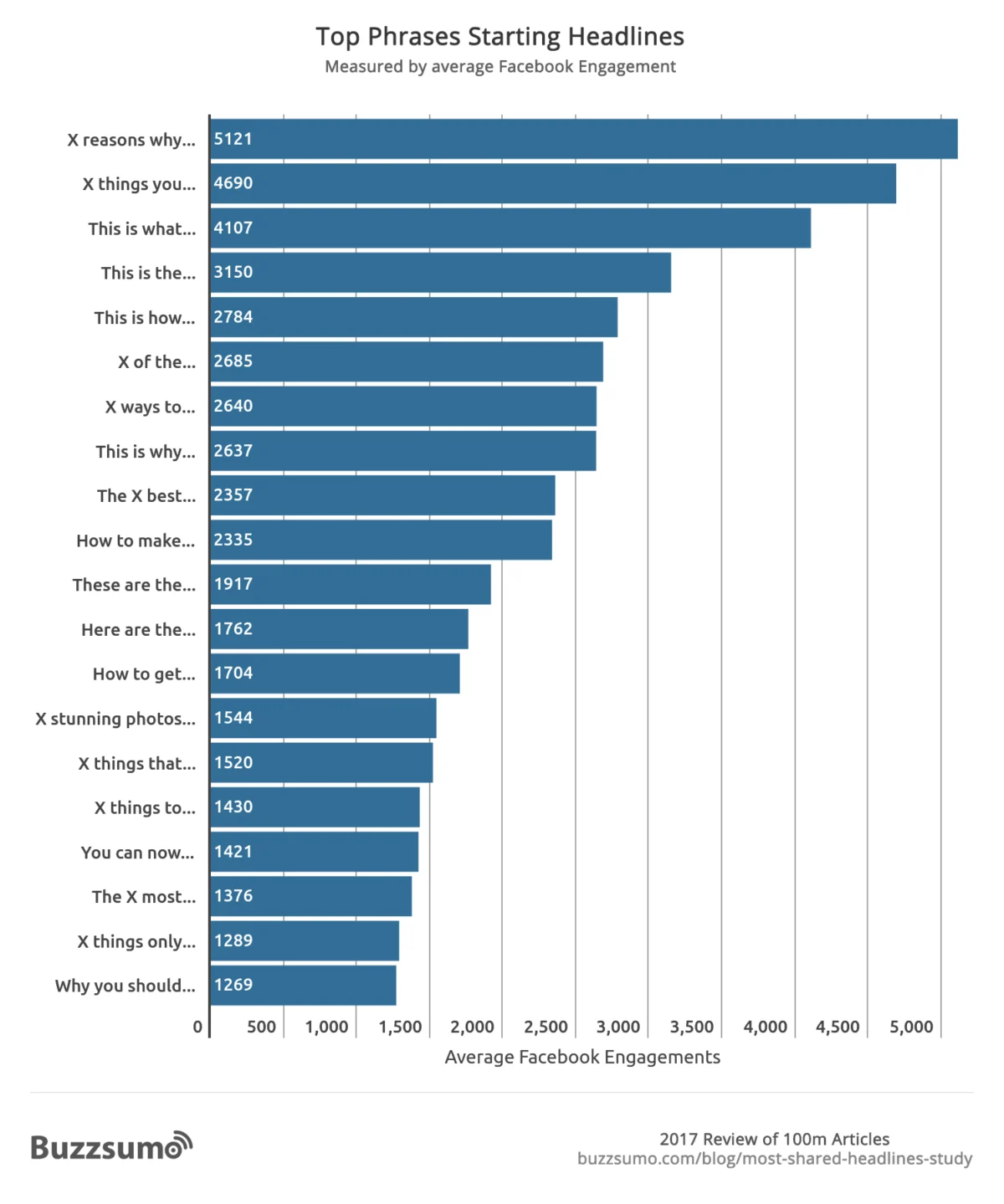
In an era saturated with digital content, the humble headline has ascended beyond a mere descriptor to become a critical gateway for audience engagement. Recognizing its pivotal role in capturing attention amidst algorithmic gatekeepers and heightened competition, BuzzSumo, a leading content analysis platform, has conducted an exhaustive study of 100 million headlines. This research, an update to their seminal 2017 report by co-founder Steve Rayson, offers profound insights into what truly drives shares and interactions on Facebook and Twitter, highlighting significant shifts in effective headline strategies between 2017 and the 2019-2020 period. The findings underscore the dynamic nature of online consumption and provide invaluable guidance for publishers and content creators navigating the complex digital landscape.
Methodology and Scope of the Study
The extensive study meticulously analyzed 100 million article headlines published on Facebook and Twitter during 2019-2020, comparing these insights with a similar 2017 dataset. Researchers focused on "trigrams" – three-word phrases – as key indicators of engagement, chosen for their satisfying, memorable, and impactful communication patterns. To ensure robust and unbiased results, the methodology involved rigorous data cleaning, including filtering out topic-specific trigrams and limiting analysis to one headline trigram per domain to prevent popular sites from skewing results. Engagement was primarily measured by the average median shares, providing a reliable metric for widespread content appeal. Henley Wing Chiu, Co-Founder and CTO of BuzzSumo, was instrumental in the painstaking data collection, with Louise Linehan, BuzzSumo’s Content Manager, authoring the updated analysis.
The Evolving Blueprint for Ideal Headlines
A key revelation from the updated study concerns headline length. Dispelling outdated notions of ultra-short, snappy headlines, BuzzSumo’s analysis indicates that the ideal headline in 2019-2020 spans 11 words and 65 characters. This marks a notable shortening from the 2017 optimal length of 15 words and 95 characters. This contraction reflects a broader trend of content overload, where audiences demand specific details and immediate value from headlines to justify a click.
Numbers continue to wield significant power in headlines, but with a refined preference. While the number 10 maintains its "magic" status, driving the most engagement, single-digit numbers from three to ten are consistently strong performers on social media. This suggests that audiences are drawn to structured information, such as listicles, that promise concise takeaways without overwhelming detail. The previous inclination towards larger numbers like 15 or 20 has waned, further emphasizing the demand for quick insights.
A Decade of Digital Transformation: Headline Shifts (2017 vs. 2019-2020)
The most striking aspect of BuzzSumo’s updated research is the dramatic evolution of headline effectiveness over just a few years. The digital content ecosystem of 2017, characterized by emotional appeals, tribal identity, and interactive quizzes, has largely given way to new paradigms.
Decline of Emotional and Sensational Language: In 2017, phrases like "will make you," "melt your heart," and "you won’t believe" were king on Facebook, explicitly promising emotional reactions. The updated analysis, however, shows a near-total disappearance of these overtly emotional or sensational trigrams. For instance, the once-dominant "will make you" saw its top headline shares plummet from 1.7 million in 2017 to just 143,000 in 2020. The closest modern equivalent is a milder form of hyperbole, such as "one of the most beautiful," which subtly references exceptional content rather than raw emotion. This shift is directly linked to Facebook’s algorithmic adjustments, which began demoting clickbait-style content in May 2017 and later prioritized news from trustworthy sources (January 2018) and original, authoritative reporting (June 2020).
End of Quizzes and Tribal Content: Headlines that thrived on inclusivity and identity, such as "can we guess" (for quizzes) or "X things only" (for tribal content like "25 Things Only Teachers Will Understand"), were rampant in 2017. By 2019-2020, these types of headlines were rarely seen among top performers, signaling a clear shift in audience preference and potentially further algorithmic changes.
Dramatic Shift in Top Phrases: The extent of this transformation is stark: there is a 100% difference between the top 20 headline phrases on Facebook in 2017 versus 2020. On Twitter, only two of the most popular phrases remained consistent. This radical change is attributed to the maturity of social media algorithms, evolving audience preferences, and a changing publisher landscape, collectively refining how content is produced and consumed.
Increased Homogeneity Across Platforms: Interestingly, despite these dramatic individual shifts, the gap between Facebook and Twitter headline strategies has narrowed. In 2017, only one phrase overlapped between the top 20 headlines on both platforms. By 2019-2020, this similarity increased to eight phrases, moving from 2.5% to 20% crossover. This suggests that while platforms retain unique characteristics, certain content distribution strategies, particularly for specific headline types, can now be more effectively duplicated across networks.
Divergent Engagement Trends: A curious trend emerged in overall engagement: Facebook saw a 3x increase in average shares for its top-performing phrases (e.g., "of the year" garnered 26,702 average shares compared to 2017’s top phrase "will make you" at 8,691 shares). Conversely, Twitter experienced a nearly 4x decrease in average shares for its most popular phrases between 2017 and 2020, despite its monthly active user base remaining largely stable. This suggests either a higher variety of headlines on Twitter diluting average shares for common phrases, or a fundamental shift in how users engage with content on the platform.
Publisher Landscape Transformation: The algorithmic changes implemented by Facebook, particularly its focus on "trustworthy news," profoundly impacted the visibility of publishers. The top 10 domains for engaging headlines on Facebook in 2019-2020 largely comprised established news outlets such as cnn.com, dailymail.co.uk, nbcnews.com, washingtonpost.com, cbsnews.com, and time.com. This contrasts sharply with 2017, where more general content sites often dominated. This preferential treatment of credible news sources has fundamentally reshaped the content ecosystem, ensuring that current headline findings are rooted in more reliable sources.
Deep Dive: What Works on Facebook (2019-2020)
Facebook engagement in the updated study was heavily driven by specific trigrams and overarching themes:
- Top Trigrams: "Of the year" emerged as the number one phrase, predominantly used for rankings and awards (e.g., "Person of the Year"). This phrase thrives on discussion, attracting both supporters and detractors. Close behind was "in X years," often appearing as "for the first time in X years," signaling newness and rarity, building intrigue and encouraging clicks. This "newness" category cleverly combined several top trigrams ("in X years," "for the first," "the first time"), demonstrating their synergistic power.
- Dominant Themes: Categorizing the top 60 trigrams revealed eight main themes:
- Ranking: Awards, public votes (e.g., "Person of the Year").
- Newness: Unique, rare events (e.g., "For the first time in history").
- Hyperbole: Exaggerated statements using superlatives (e.g., "One of the Most Important People").
- Instructional: Commanding statements implying obligation or urgency (e.g., "Everything you need to know").
- Surprise: Statements designed to shock or challenge views (e.g., "At Least 36 Intelligent Alien Civilizations").
- Curiosity: Content revealing, explaining, or analyzing something (e.g., "Here Are The Results," "X reasons why").
- Guidance: "How to" or tutorial-based headlines.
- Story: Headlines centered around a person or topic.
- The Power of Instructional and Hyperbolic Headlines: Instructional headlines, particularly phrases like "you need to" and "need to know," stole the show. They leverage the second-person pronoun to place responsibility on the reader, invoking a sense of FOMO (Fear Of Missing Out) and promising concise, critical information. Hyperbolic phrases, such as "one of the," "of the most," and "of the best," consistently drove high engagement by exaggerating the content’s exceptional quality.
- Starting and Ending Phrases: Listicles, starting with a number, were highly effective, promising actionable takeaways and specificity. Instructional and curiosity-driven phrases also performed well at the beginning. At the end of headlines, time-centric phrases (e.g., "of the year," "in 2020," "for 2021") were most popular, often reflecting the impact of the pandemic or current events. Numbers were also used at the end to induce surprise or highlight speed to insight (e.g., "in just 5 minutes"). Furthermore, social media trends increasingly fueled content headlines, turning viral conversations into widely shared articles.
Deep Dive: What Works on Twitter (2019-2020)
Twitter’s audience demonstrated distinct preferences, albeit with some overlaps with Facebook:
- Top Trigrams: "The future of" was the most engaging phrase, indicating a strong interest in forward-looking analysis and predictions.
- Starting Words: The words "study" and "report" frequently began top-performing headlines, suggesting that Twitter users have an appetite for research-backed, data-driven content.
- Ending Phrases: Immediacy and reactivity were key, with phrases like "2020" and other date-specific terms dominating the end of highly shared headlines. This aligns with Twitter’s role as a platform for real-time news and current affairs.
- Cross-Platform Success and Differences: While instructional headlines (e.g., "need to know," "what to do") proved effective on both platforms, Twitter showed a stronger preference for curiosity-driven content (hinting, teasing, questioning) and story-focused narratives (e.g., "the story of," "the history of," "the rise of"). This suggests that Twitter is an ideal platform for sharing deeper narratives and analytical pieces.
Expert Insights: Voices from the Industry
Leading marketing experts weighed in on BuzzSumo’s findings, offering valuable interpretations and advice:
- Heidi Cohen (Actionable Marketing Guide) highlighted three key customer behavior changes post-pandemic: a greater desire for clarity and utility, an increased need for reassurance, and a search for actionable information. She advised marketers to focus on core marketing basics and adapt to evolving customer needs.
- Julian Shapiro (Demand Curve) praised the report as one of the "highest signal-to-noise" analyses in content marketing, emphasizing BuzzSumo’s unique ability to provide such large-scale data.
- Rand Fishkin (SparkToro) stressed the value for content creators and marketers in understanding both past and present headline effectiveness. He noted that the research debunks some myths about clickbait and emotional triggers, illuminating the nuances of what truly works today.
- Ross Simmonds (Foundation) found it fascinating that "click-friendly" headlines, once pioneered by outlets like BuzzFeed, are now widely adopted. He specifically lauded the insight into instructional copy ("you need to," "you should"), connecting it to human psychology and the innate desire to avoid missing out on important information.
- Brian Dean (Backlinko) pointed out the "huge shift" on Facebook from BuzzFeed-style clickbait to instructional headlines, indicating that modern Facebook users seek content that teaches them something new.
- Amanda Milligan (Fractl) found the instructional trend particularly compelling, suggesting it reflects a growing desire for expert insights. She argued that such language inherently demonstrates authority, encouraging brands to leverage their expertise to benefit readers.
Actionable Takeaways for Content Creators
The dynamic nature of social media platforms means there is no static "magic formula" for headline success. However, BuzzSumo’s research provides data-backed principles for crafting more engaging headlines:
- Prioritize Value and Utility: Focus on what the audience will gain from clicking. Instructional headlines that promise knowledge, solutions, or critical information are highly effective.
- Be Specific and Detailed: Vague headlines are ignored. Provide enough detail to spark curiosity and convey the content’s relevance without being clickbaity.
- Strategic Use of Numbers: Embrace listicles, especially with the number 10 or single digits (3-10), to offer digestible, actionable content.
- Mind the Length: Aim for approximately 11 words and 65 characters for optimal engagement across Facebook and Twitter.
- Spark Curiosity, Thoughtfully: While overt clickbait is out, headlines that hint at revelations, explanations, or unique circumstances continue to perform well.
- Leverage Hyperbole (with Caution): Superlatives and exaggerated phrases can still work if they genuinely refer to exceptional content, avoiding sensationalism.
- Understand Platform Nuances: While some headline types now cross over, tailor your strategy. Facebook responds well to instructional and hyperbolic content, while Twitter favors curiosity, research-backed information, and real-time relevance.
- Embrace Timeliness: Time-centric headlines, especially those related to current events or predictions, resonate strongly, particularly on Twitter.
- Test and Adapt: The digital landscape is constantly evolving. Continuously test different headline variations to understand what resonates best with your specific audience, topics, and platforms. Tools like BuzzSumo’s Content Analyzer can facilitate this by allowing users to search for phrases, analyze performance, and identify top-sharing content.
In conclusion, the updated BuzzSumo study serves as a crucial compass for content creators. It highlights a maturing digital audience that values clarity, utility, and authoritative insights over fleeting emotional appeals. By understanding these evolving dynamics and applying data-driven strategies, publishers and marketers can significantly enhance their content’s visibility and engagement in an increasingly crowded online world.