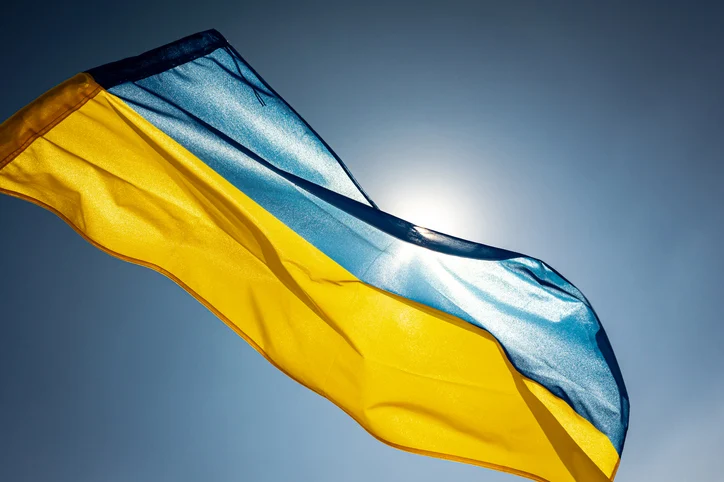
The traditional framework of crisis communication—built on the pillars of anticipation, containment, and resolution—suffered a systemic failure on February 24, 2022, when the full-scale invasion of Ukraine began. For decades, public relations professionals were trained using academic models that assumed every crisis had a definitive beginning, a stabilization phase, and a clear conclusion. However, the reality of modern warfare and prolonged geopolitical instability has rendered these textbooks largely obsolete. In a recent dialogue between Olga Safina, founder of Be First Communications, and Tetiana Atadzhanova, head of corporate communications at the pharmaceutical firm Acino, the two experts outlined a new paradigm for the industry: one where communication is not merely a department of messaging, but a vital function of physical logistics, human survival, and radical transparency.
The Collapse of the Classical Crisis Model
In peacetime, the standard operating procedure for a corporate crisis involves drafting statements, legal reviews, and calculated silence until all facts are verified. Safina and Atadzhanova, both veterans of the Ukrainian PR landscape, noted that these assumptions vanished within hours of the first missile strikes. The "72-hour rule" of crisis management—the idea that the most intense period of a crisis can be managed within three days—was replaced by a "permacrisis" that has now spanned years.
Atadzhanova, who remained in Ukraine to lead communications for Acino, observed that the initial days of the invasion stripped away professional veneers. "In those first days, we lost all of our professionalism. We were just people," she remarked. This shift highlights a critical evolution in the field: when a crisis escalates to a matter of life and death, the communicator’s role shifts from protecting a brand’s reputation to preserving the safety and mental stability of its workforce.
Chronology of a Shifting Profession: 2022 to 2024
The evolution of communication strategies in Ukraine can be categorized into four distinct phases, each requiring a different tactical approach:
Phase 1: The Survival Instinct (February – April 2022)
The immediate priority was the physical safety of employees. Communication was purely functional, focusing on evacuation routes, bomb shelter locations, and headcounts. Safina recalls a period of intense multitasking where she managed evacuations while simultaneously coordinating with media, partners, and contractors. The professional challenge was managing the cognitive dissonance of reporting a colleague’s death from a missile strike in one moment and urging the remaining team to maintain operations in the next.
Phase 2: Action-Led Communication (May – December 2022)
As the initial shock subsided, a new reality emerged. Brands realized that "thoughts and prayers" messaging was ineffective. Companies like Safina’s utilized corporate resources, such as electric vehicles, to deliver medication and food when fuel supplies in Kyiv were depleted. Communication during this phase became the "visible form of action." If a company claimed to care for its employees, that care had to be demonstrated through tangible support—hotline chats for housing, fuel coordination, and direct financial aid.
Phase 3: The Normalization of Emergency (2023)
By the second year, the crisis became a constant background noise. This period introduced the risk of "crisis fatigue." Communicators had to learn to distinguish between genuine emergencies requiring immediate action and the "new normal" of corporate life under fire. This phase required the development of robust, repeatable algorithms and alternative communication channels to ensure that critical information could still reach stakeholders during power outages or internet blackouts.
Phase 4: Long-Term Resilience (2024 – Present)
The current phase focuses on psychological endurance. The role of the communicator has expanded into internal counseling and morale-building. The objective is no longer just to inform, but to provide a "footing" for employees, ensuring they understand the next steps even when the final outcome of the conflict remains uncertain.
Supporting Data: The Economic and Corporate Impact
The scale of the challenge for Ukrainian communicators is underscored by the broader economic context. According to the World Bank, Ukraine’s GDP shrank by approximately 29.1% in 2022, the largest decline since the country gained independence. For businesses to survive such a contraction, internal trust was paramount.
Data from the European Business Association (EBA) indicated that despite the war, over 90% of member companies continued to pay salaries in full throughout 2022 and 2023. This financial commitment was a cornerstone of corporate communication; telling employees they were valued was backed by the reality of continued compensation despite plummeting revenues. Furthermore, the pharmaceutical sector, where Atadzhanova operates, faced unique pressures. Ensuring the supply chain for life-saving medicine remained intact was not just a business goal but a humanitarian necessity, making every corporate update a matter of public health.
From Reputation Management to Radical Transparency
One of the most significant departures from traditional PR is the shift in how trust is built. Atadzhanova argues that real reputation is not built during periods of prosperity but at the moment an organization has something to lose. The Ukrainian experience suggests that stakeholders—employees, clients, and the public—have a heightened sensitivity to falsehoods during a crisis.
"Silence in a crisis gets filled. Often with fear," Atadzhanova noted. The strategy adopted by many Ukrainian firms was to speak even when they did not have all the answers. This "radical transparency" involves clearly stating what is known, admitting what is unknown, and providing a schedule for the next update. This approach prevents the vacuum of information from being filled by rumors or misinformation, which can be as damaging as the crisis itself.
The Intersection of PR and Logistics
A recurring theme in the Ukrainian experience is the blurring of lines between communication and operations. Safina’s account of using company Teslas for deliveries illustrates a broader trend: in a severe crisis, the communicator must be integrated into the decision-making core of the company.
When communication is siloed, there is a lag between action and information. In a wartime environment, this lag can be fatal. By having communicators "sit closer to where decisions are made," as Atadzhanova suggests, organizations ensure that their messaging is grounded in the current operational reality. This integration allows for "fast, honest, and imperfect" communication, which has proven more effective than "flawless text" delivered days too late.
Broader Implications for Global Crisis Management
While the war in Ukraine is a unique and extreme event, the lessons learned by its communicators have profound implications for global business. In an era of "permacrisis"—characterized by climate change, political volatility, and economic shifts—the Ukrainian model offers a blueprint for resilience.
1. The Primacy of Action
Modern consumers and employees are increasingly skeptical of "polished" PR. The Ukrainian experience reinforces that reputation is the byproduct of behavior, not the result of a clever campaign. Organizations must prioritize doing over saying.
2. Communicating Through Trauma
In high-stress environments, communicators must account for the psychological state of their audience. This means simplifying messages, using factual language, and avoiding excessive adjectives or "spin" that might be perceived as manipulative.
3. The Value of Consistency
Trust is a currency that must be earned before a crisis hits. Companies that had established strong internal cultures and transparent communication channels before February 2022 were better equipped to handle the shock of the invasion.
4. Accepting the New Reality
The classic "return to normal" model is a fallacy in many modern crises. Communicators must help their organizations accept and operate within a "new reality," however uncomfortable it may be, rather than waiting for a stabilization phase that may never come.
Conclusion: Five Key Takeaways for the Industry
The dialogue between Safina and Atadzhanova culminates in five essential principles for anyone working in communications, regardless of their geographic location or the stability of their environment:
- Prioritize Human Safety Over Brand Image: In a true crisis, the welfare of people is the only metric that matters. Every message should be filtered through the lens of how it assists or protects the audience.
- Speed Beats Perfection: In a rapidly evolving situation, a 70% accurate message delivered immediately is often more valuable than a 100% accurate message delivered too late.
- Honesty is the Only Policy: Never lie to calm people down. While it may reduce anxiety in the short term, the loss of trust when the lie is discovered will be irreparable in future crises.
- Action is the Most Powerful Message: Communication should be the visible evidence of what the organization is doing to solve the problem.
- Manage the Information Vacuum: If you do not provide the facts, someone else will provide the fiction. Regular, scheduled updates are the best defense against rumors and panic.
The war in Ukraine has forced a radical evolution of the communications profession. It has moved the field away from the "theatre of PR" and back toward its most essential function: being a reliable, honest, and active bridge between an organization and the people it serves. For those working in calmer conditions, the Ukrainian experience serves as a stark reminder that the best time to build a foundation of trust is long before the crisis begins.