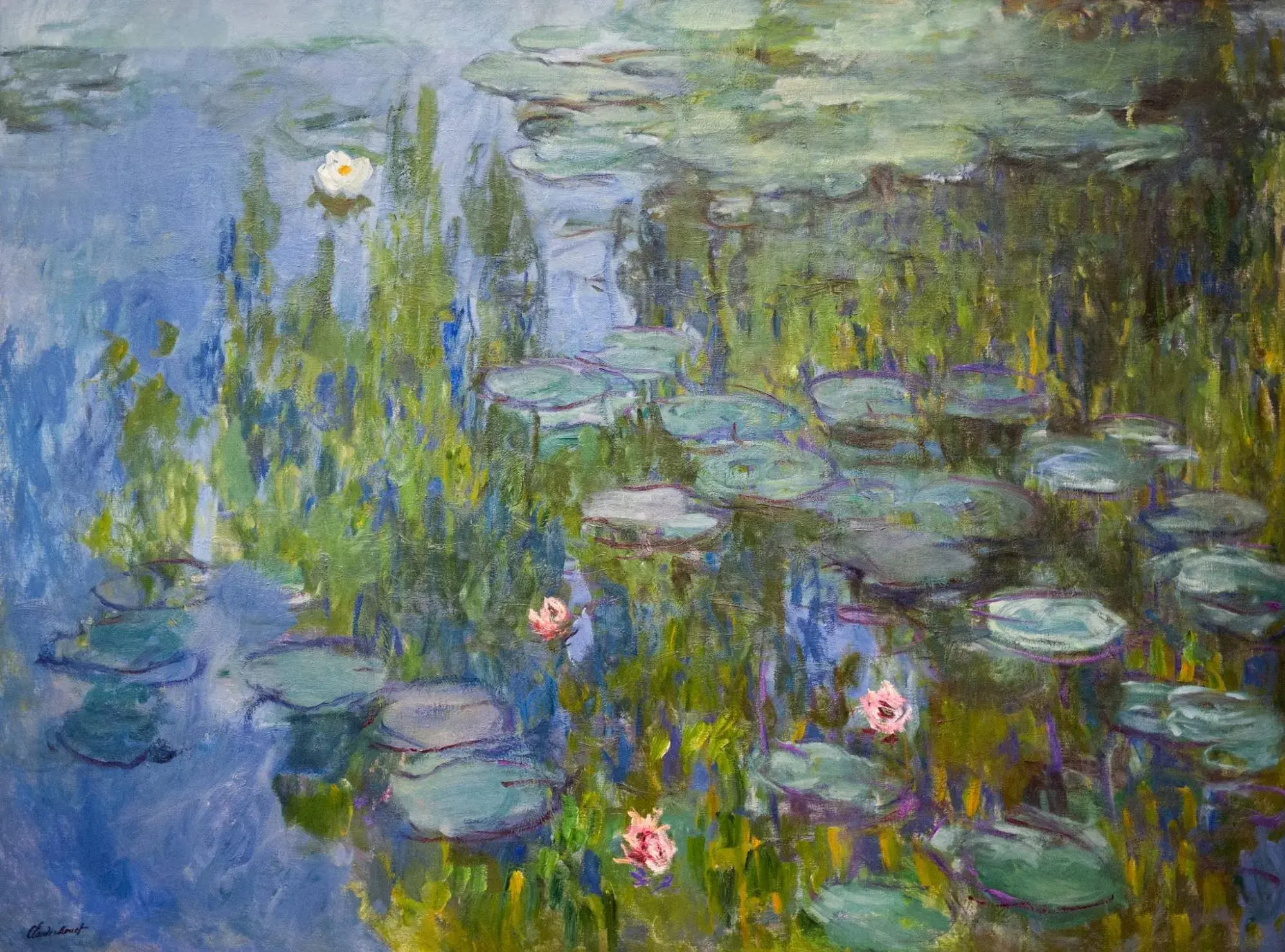
The intersection of artificial intelligence and artistic creation has become a focal point of intense debate and public scrutiny, often leading to polarizing reactions. A recent social experiment conducted on X (formerly Twitter) by user SHLOMS vividly demonstrated the profound impact of perceived origin on aesthetic judgment, revealing a deep-seated bias against content believed to be generated by AI, even when it is a revered human-made masterpiece. This incident, involving a genuine Claude Monet painting initially presented as an AI creation, highlights the complex psychological underpinnings of how humans evaluate effort, authenticity, and artistic merit in the digital age.
The Genesis of the Experiment: A Digital Deception
In an era where AI image generators like Midjourney, DALL-E, and Stable Diffusion are capable of producing increasingly sophisticated visuals, the public’s discernment between human and machine creativity is constantly challenged. These advanced models, trained on vast datasets of existing artwork, can replicate styles with uncanny accuracy, blurring lines that were once clear. It is against this backdrop of evolving technological capabilities and growing public apprehension that SHLOMS launched their now-viral social experiment a few weeks ago.
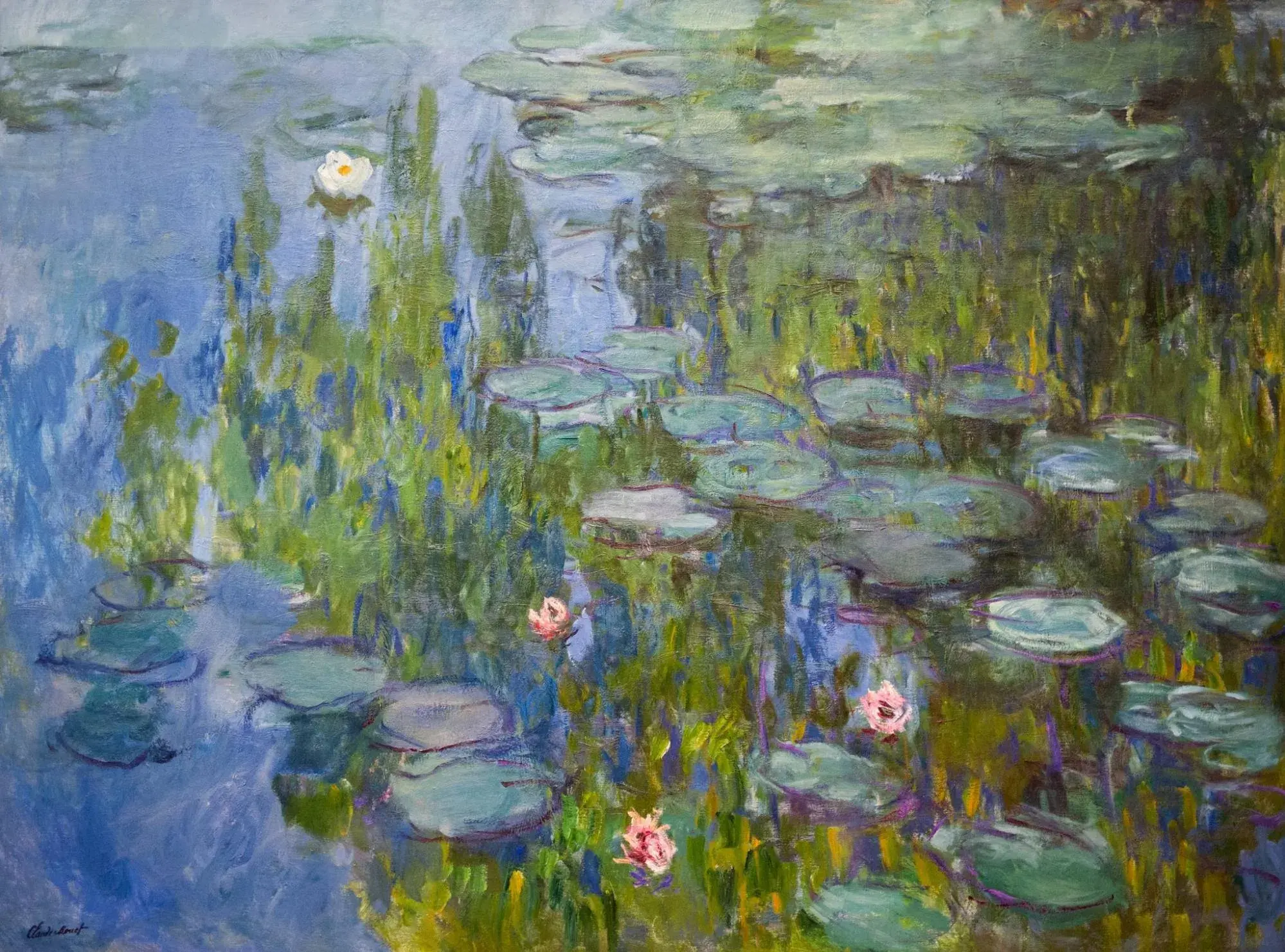
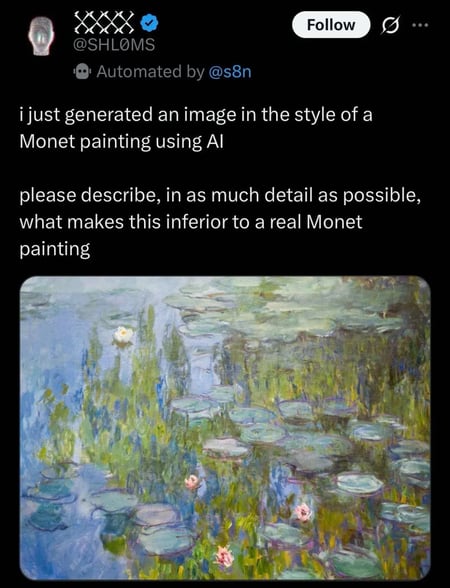
On an unspecified date, the X user posted an image online, presenting it to their audience with a deceptively simple caption: "I just generated an image, in the style of a Monet painting, using AI. I used the latest AI models trained on the world’s best artwork. Have a look, and think about what makes this image inferior to a real Monet painting. Think about what you like and what you don’t like about it." Accompanying this provocative prompt was an image that, unbeknownst to the vast majority of respondents, was in fact a genuine work by the French Impressionist master, Claude Monet. The specific painting was one from his iconic "Water Lilies" series, a collection celebrated globally for its innovative brushwork, evocative use of light, and profound emotional depth.
A Torrent of Criticism: Devaluing a Masterpiece
The response to SHLOMS’s post was immediate and overwhelming, drawing over 1,300 comments and reaching an audience of 6.8 million people. The feedback was remarkably consistent: a chorus of disapproval and critical dissection aimed at what users believed to be a subpar AI creation. Commenters meticulously picked apart every perceived flaw, articulating their disdain with striking uniformity.
Users decried the image for its "lack of coherent composition," arguing that it failed to achieve the visual harmony and structural integrity characteristic of true artistic intent. The color palette, a hallmark of Monet’s genius, was dismissed as an "incoherent muddle," lacking the nuanced interplay of light and shadow found in human-created art. Some felt the image was "trying too hard," implying a superficial attempt at mimicking a style without grasping its essence. More harshly, critics labeled it "obvious AI slop," "garbage," and "borked nonsense with no sense of space." Many responses delved into the philosophical, questioning the image’s "lack of meaning" and asserting that AI art fundamentally lacks the "magical quality imbued by human creativity." The overarching sentiment was that the perceived AI origin stripped the artwork of any intrinsic value, rendering it soulless and technically deficient.
This wave of negative feedback stands in stark contrast to the historical and critical reception of Monet’s "Water Lilies" series. These paintings are not merely admired; they are revered as pinnacles of Impressionist art, celebrated for their revolutionary techniques and emotional resonance. The public’s willingness to dismiss such a work, once labeled as AI-generated, underscores a significant psychological bias.
The Unveiling: The "AI Slop" Was a Real Monet

The shocking reveal came shortly after the initial flood of criticism. SHLOMS disclosed that the image was, in fact, a genuine Claude Monet painting. This revelation sent ripples across the platform, forcing many respondents to confront their preconceived notions and the rapid judgments they had made. The experiment effectively unmasked a collective bias: the predisposition to negatively evaluate content, particularly art, when its origin is believed to be artificial intelligence.
The author of the original article admits to falling prey to the same bias, stating, "My gut reaction to the X post was the same. I immediately thought it was slop. I tried to spot flaws and thought the colors were dull." This personal confession highlights the pervasive nature of the bias, affecting even those who are aware of the ongoing debates around AI art.
The Effort Heuristic: A Deep Dive into Consumer Psychology
The phenomenon observed in SHLOMS’s experiment is not merely anecdotal; it is deeply rooted in established principles of consumer psychology, specifically what Andrea Morales, the Lonnie L. Ostrom Chair in Business and professor in the Department of Marketing at Arizona State University, terms the "effort heuristic." This cognitive shortcut suggests that people tend to infer higher quality or value in something if they perceive a significant amount of effort was invested in its creation. Conversely, if something appears to have been produced with minimal effort, its perceived value diminishes, regardless of its actual quality.
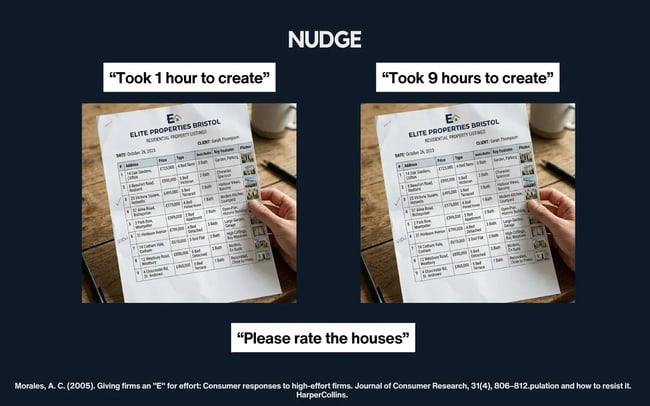
Morales’s seminal 2005 study, published in the Journal of Consumer Research, provides compelling empirical evidence for this heuristic. The experiment involved 46 participants seeking new homes. They were tasked with hiring a real estate agent to compile a personalized list of 10 apartments based on their preferences. Crucially, the participants were divided into two groups regarding the agent’s perceived effort. One group was told the agent "did everything manually and spent nine hours building the list," implying considerable human dedication and painstaking work. The other group was informed that the agent "used a computer program, spending only one hour on the list," suggesting automation and efficiency.
In reality, the lists provided to both groups were identical in content and quality, and the agent had consistently spent only one hour on each. The perceived difference in effort, however, dramatically influenced the participants’ evaluations. Those who believed the agent invested nine hours rated the houses on their list a remarkable 30.5% higher than those who thought it took only one hour. This study unequivocally demonstrated that when objective quality is difficult to ascertain or verify, people rely on perceived effort as a proxy for value. The greater the perceived effort, the higher the perceived quality and, consequently, the greater the appreciation.
This principle directly explains the public’s reaction to the Monet painting. When presented as an AI creation, the implied effort was minimal—a few clicks, a prompt, and a machine generating the image in seconds. This perception of low effort triggered the effort heuristic, leading to an immediate devaluation and critical dismissal of the artwork, regardless of its inherent artistic merit.
Broader Implications: AI in Content Creation and Marketing
The "Monet experiment" and the underlying effort heuristic carry significant implications for various industries, particularly content creation, marketing, and the broader creative arts. In an increasingly AI-driven landscape, the temptation to leverage AI for efficiency and scale is strong. However, this experiment serves as a cautionary tale: merely adopting AI without considering its perceptual impact can backfire.
In marketing, for instance, brands that openly use AI for generating copy, images, or even customer service responses might face a backlash if consumers perceive a lack of human touch or genuine effort. Dave Harland, a renowned copywriter, aptly terms this phenomenon "Death By Sepia," referring to the generic, often soulless aesthetic that can result from over-reliance on AI, which consumers quickly learn to recognize and devalue. An example provided in the original article depicts a restaurant billboard that, despite being colorful and comprehensive, is immediately recognizable as AI-generated due to its "off-sepia tone." While the restaurant owner might see it as an upgrade, the public might perceive it as lazy and inauthentic, undermining the brand’s appeal.
The challenge for businesses and creators is to strike a delicate balance. While AI can undoubtedly enhance productivity, speed up workflows, and even inspire new creative avenues, its deployment must be strategic. Transparency about AI usage is a double-edged sword: while honesty is generally valued, explicitly stating that content is AI-generated can trigger the effort heuristic, leading to negative perceptions.
The Enduring Value of the Human Element
The debate surrounding AI’s role in art extends beyond mere aesthetics; it touches upon fundamental questions about creativity, authenticity, and the very definition of art. Critics of AI art often argue that machines, despite their ability to mimic and synthesize, cannot imbue their creations with genuine emotion, intent, or personal narrative—elements traditionally considered essential to human art. The "Monet experiment" inadvertently validated this sentiment, demonstrating that the belief in a human creator profoundly shapes appreciation.
The human element, characterized by struggle, vulnerability, innovation, and personal expression, adds a layer of meaning that algorithms cannot replicate. When an audience believes an artist poured years into mastering a craft, endured personal hardships, or conceptualized a piece with deep philosophical intent, the artwork gains a richness that transcends its visual components. This perceived narrative of human endeavor and passion is what imbues art with its "magical quality."
For the creative industries, this means that while AI can be a powerful tool, it should be seen as an assistant rather than a replacement for human ingenuity. The focus should shift from merely generating content to meaningfully integrating AI in a way that amplifies human creativity, enhances the final output, and ultimately serves the audience’s desire for authentic connection and perceived effort.
Navigating the Future of Human-AI Collaboration
The incident with the Monet painting serves as a critical juncture in understanding public perception of AI-generated content. It underscores that human psychology, specifically the reliance on the effort heuristic, remains a powerful determinant of value. In an increasingly automated world, the demand for content that feels "human-made" and imbued with genuine effort is unlikely to diminish.
Creators and brands leveraging AI must therefore adopt strategies that prioritize perceived effort and authenticity. This could involve:
- Transparency with nuance: Deciding when and how to disclose AI involvement, potentially focusing on how AI assisted human creators rather than replaced them.
- Highlighting human oversight and refinement: Emphasizing the iterative process, the human decisions, and the artistic choices that went into perfecting AI-generated drafts.
- Focusing on unique human insights: Using AI for mundane tasks while reserving human creativity for conceptualization, emotional depth, and storytelling.
- Educating the audience: Gradually shifting public perception by demonstrating how AI can be a tool for augmentation, enabling new forms of expression rather than simply mass-producing generic content.
- Prioritizing meaning over speed: Resisting the urge to churn out vast quantities of AI-generated content if it compromises the perceived quality and authenticity.
The ultimate takeaway from SHLOMS’s experiment is clear: AI changes the calculus of creation, but it does not alter fundamental human psychology. People still inherently value the belief that care, time, and genuine effort have been invested in what they consume. As AI continues to evolve, the challenge for creators and industries will be to harness its power while consistently providing audiences with compelling reasons to believe in the human craft behind the output, ensuring that innovation does not come at the cost of perceived authenticity and value.