The digital experience analytics market has undergone a significant transformation over the last decade, evolving from basic click-tracking tools into sophisticated suites capable of processing billions of user interactions. At the center of this evolution are two prominent players: Crazy Egg, a pioneer in heatmap technology, and Contentsquare, a global leader in digital experience intelligence (DXI). While both platforms aim to help businesses understand user behavior and increase conversion rates, their architectural philosophies, pricing structures, and feature depth cater to vastly different segments of the enterprise market.
Historical Context and Market Evolution
To understand the current competition between these two entities, one must look at their respective trajectories within the software-as-a-service (SaaS) ecosystem. Crazy Egg was founded in 2006 by Hiten Shah and Neil Patel, effectively introducing the concept of the "heatmap" to the mainstream marketing world. For nearly two decades, the platform has focused on accessibility and transparency, consolidating essential Conversion Rate Optimization (CRO) tools into a unified, user-friendly interface.
Contentsquare, founded in 2012, followed a different path characterized by aggressive global expansion and strategic acquisitions. The company’s growth was bolstered by the acquisition of Clicktale in 2019, which brought advanced experience analytics capabilities. In 2021, Contentsquare acquired Hotjar to capture the mid-market segment, and in 2023, it acquired Heap to bolster its product analytics offerings. Today, Contentsquare is positioned as a high-end enterprise solution, often requiring significant capital investment and dedicated teams to manage.
Comparative Feature Analysis: The Technical Divide
The primary distinction between Crazy Egg and Contentsquare lies in how they collect and visualize data. While both offer heatmaps and session recordings, the methodologies differ in ways that impact both the budget and the utility of the insights generated.
Heatmapping and Visualization
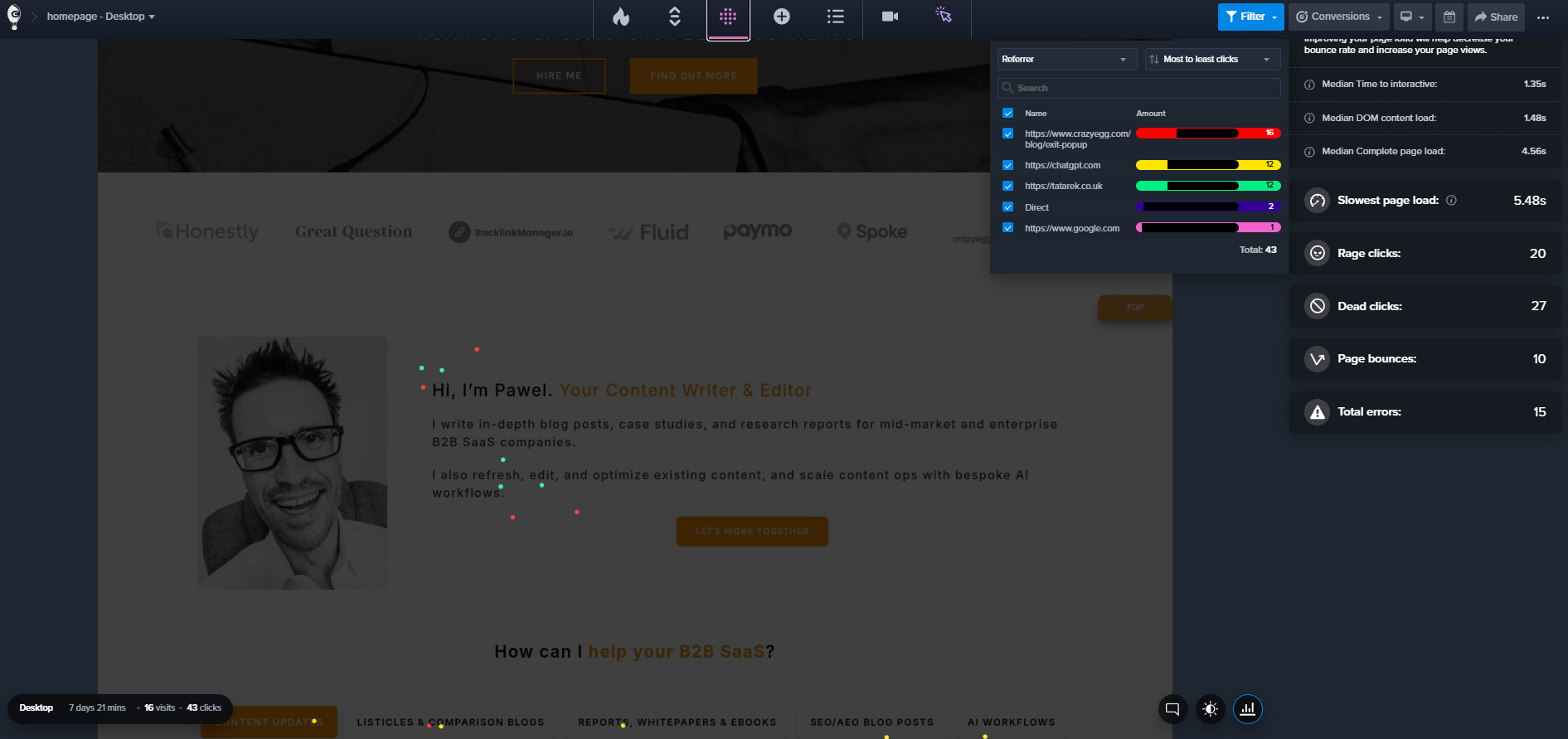
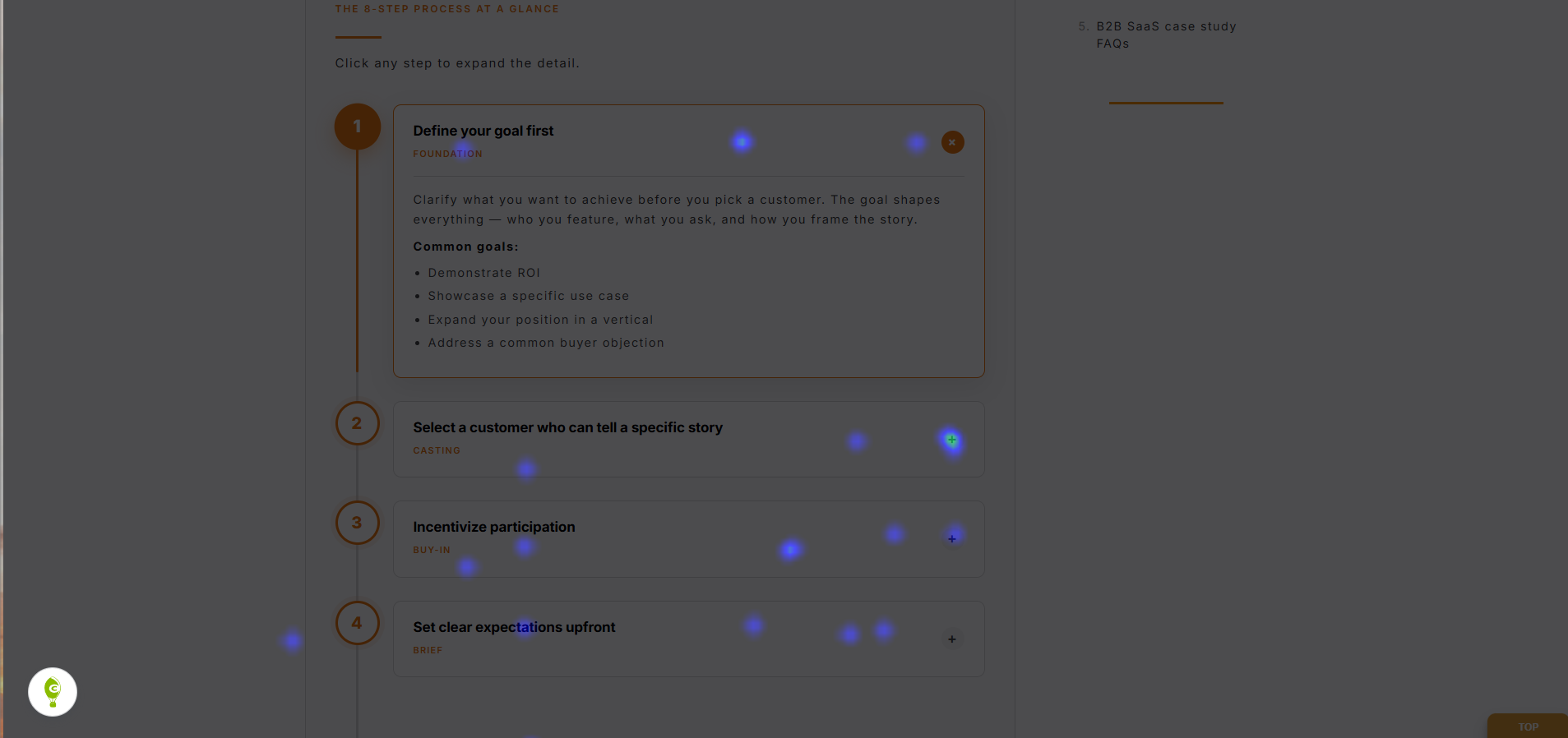
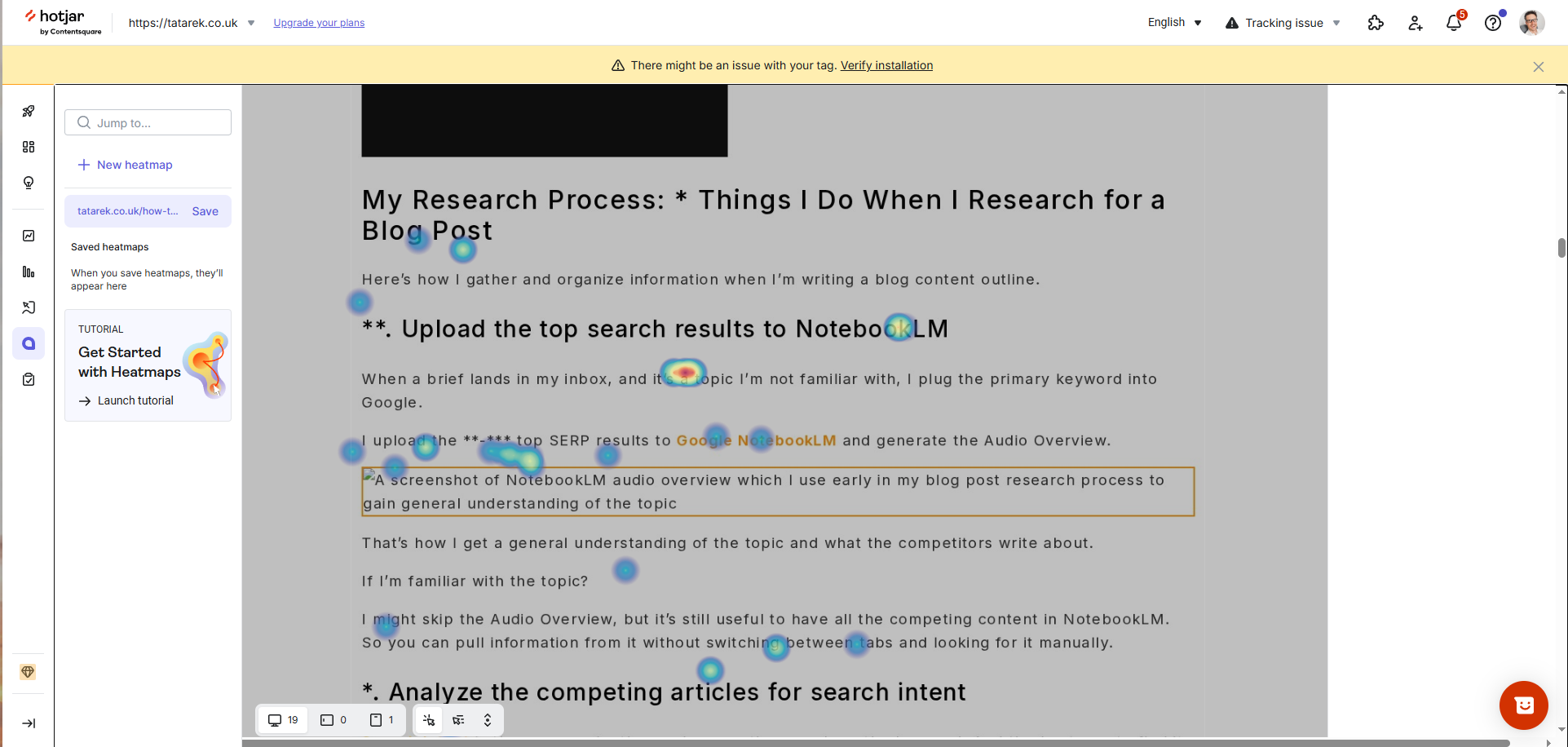
Crazy Egg provides five distinct types of heatmaps: Click, Scroll, Confetti, Overlay, and List. The "Confetti Map" remains a proprietary standout, allowing users to segment clicks by referral source, search terms, and visitor browser within a single view. This level of per-click segmentation is vital for performance marketers who need to see how paid traffic behaves differently from organic visitors.
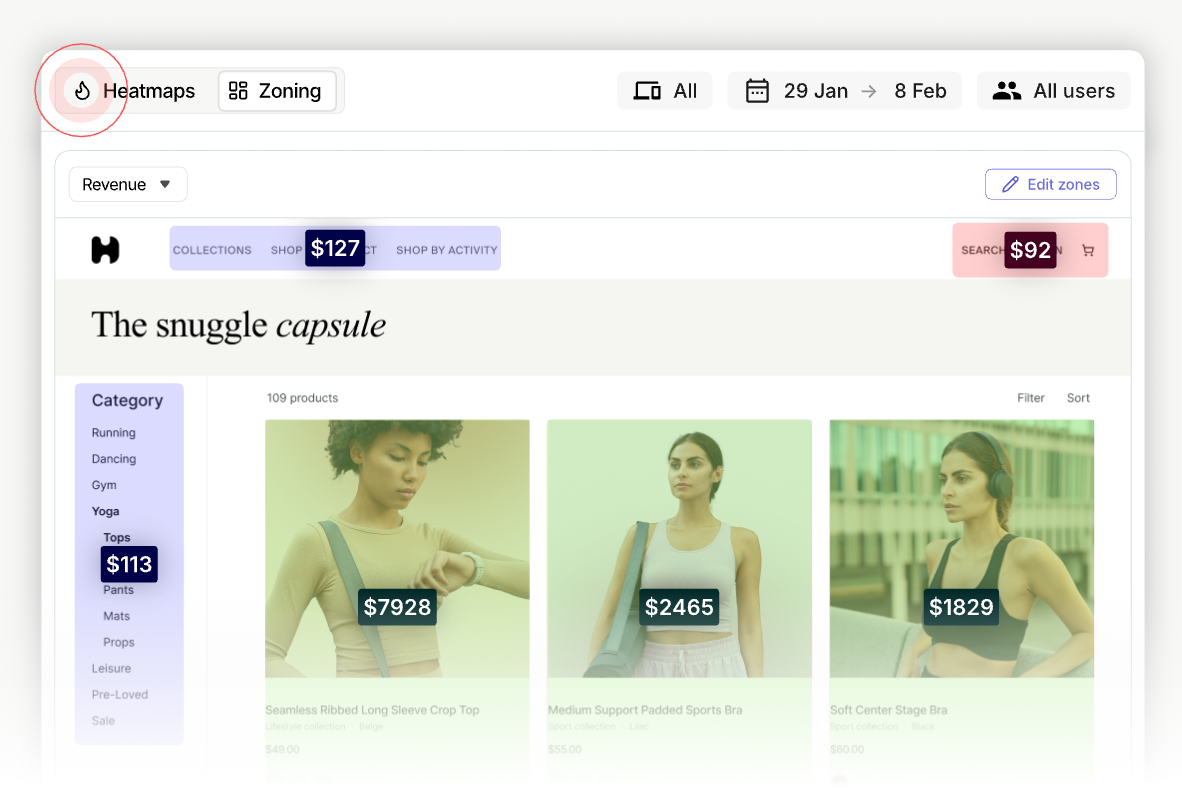
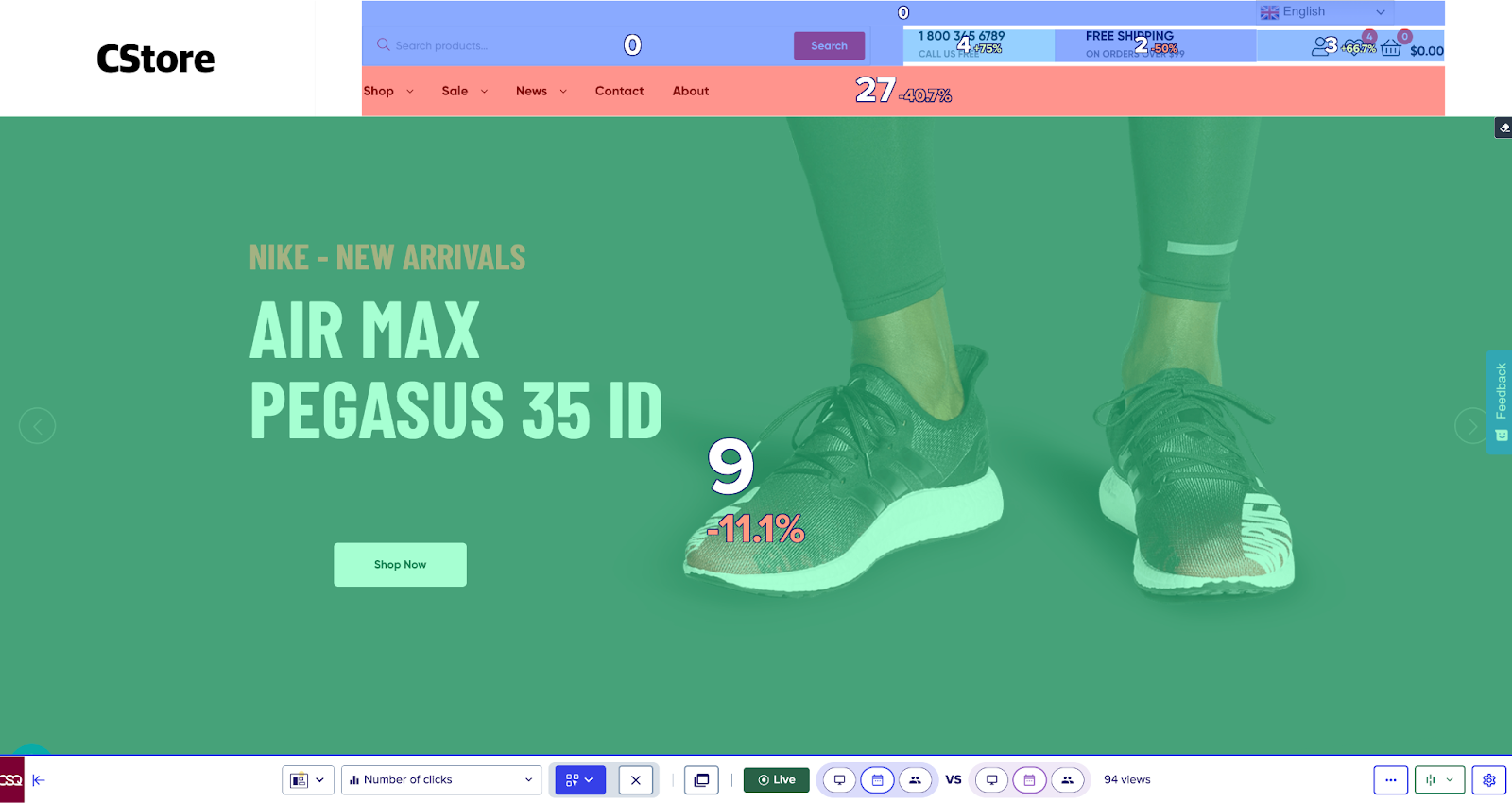
Contentsquare’s signature feature is "Zone-Based Heatmaps." Rather than looking at individual clicks, this technology allows users to draw zones around specific page elements to see engagement, conversion, and revenue metrics tied directly to those elements. While this is highly effective for large-scale e-commerce retailers tracking the monetary value of a hero banner or a product carousel, it is often considered over-engineered for content-heavy or service-oriented websites.
Session Recordings and Data Retention
Data retention is a critical factor for enterprise compliance and long-term trend analysis. Crazy Egg offers a default retention period ranging from six months to two years, depending on the plan. This allows businesses to compare user behavior across different seasons or major site redesigns.
In contrast, Contentsquare’s default retention for session replays is typically one to three months. While extensions to 24 months are available on Pro and Enterprise tiers, these often come as paid add-ons. Furthermore, Contentsquare utilizes a sampling model where replays are capped as a share of total sessions, whereas Crazy Egg provides more granular per-page sampling control, allowing users to prioritize high-value pages like checkout funnels.
The A/B Testing and Survey Integration Gap
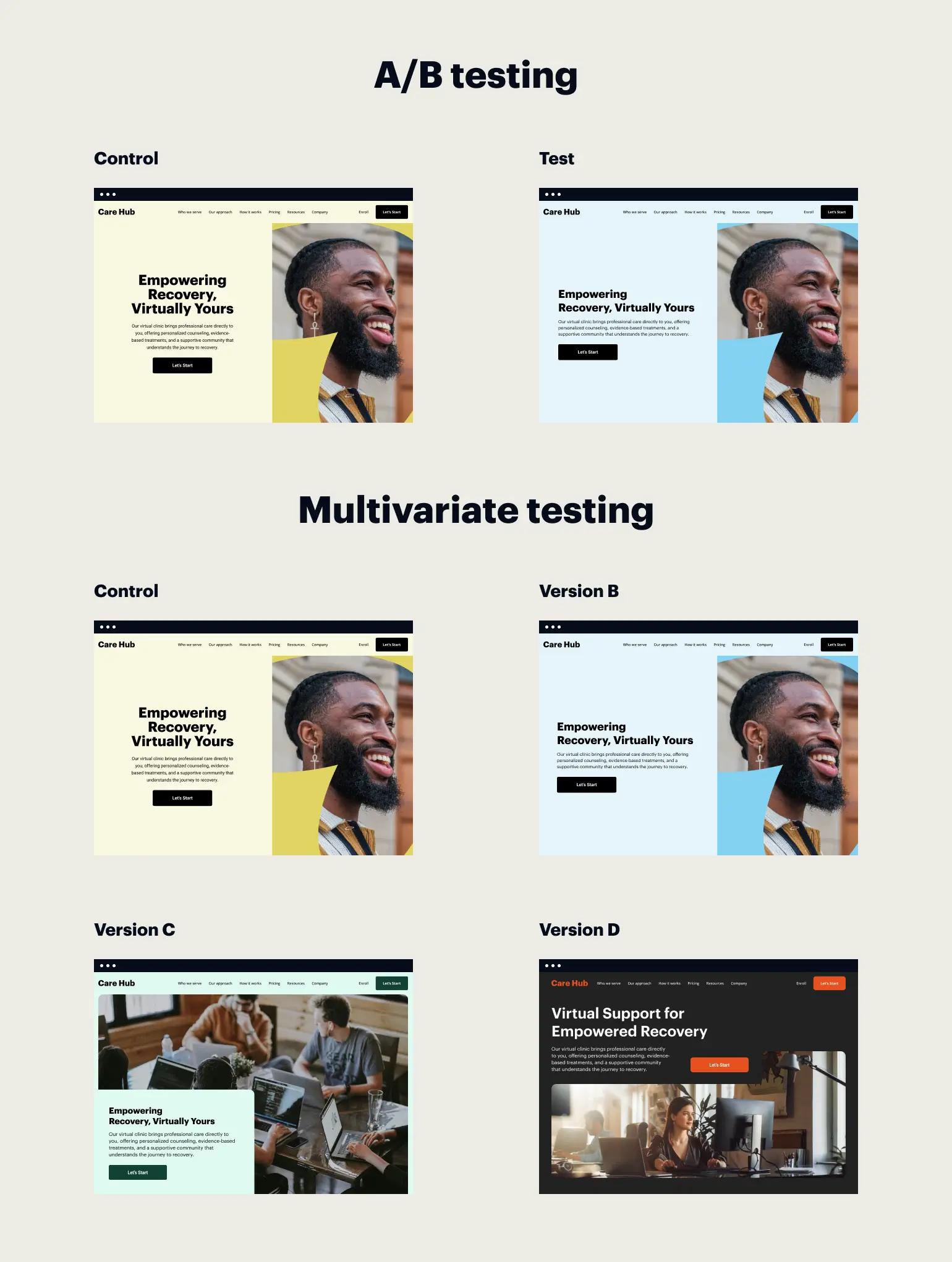
A significant point of divergence is the inclusion of native optimization tools. Crazy Egg includes a native A/B testing suite with a visual editor and multi-armed bandit (MAB) capabilities. This allows teams to identify a problem through heatmaps and immediately launch a test to fix it within the same platform. The variants are automatically linked to session recordings, providing a qualitative "why" behind the quantitative results.
Contentsquare does not offer native A/B testing. Instead, it provides an "A/B Test Analysis" layer that integrates with third-party tools such as Optimizely, AB Tasty, or Kameleoon. For an organization that already has a high-end testing tool in its stack, this integration is beneficial. However, for companies looking to consolidate their tech stack and reduce costs, the requirement of a separate subscription for testing represents a significant hurdle.
Similarly, Crazy Egg bundles unlimited surveys into every plan, including its free tier. These surveys are enhanced with AI sentiment analysis and are linked to individual session recordings. Contentsquare treats "Voice of Customer" (VoC) as a separate product module. While a limited free version exists, a functional enterprise VoC setup requires an additional monthly investment, often starting at approximately $79 per month on top of the base analytics platform cost.
Error Tracking and Triage Workflows
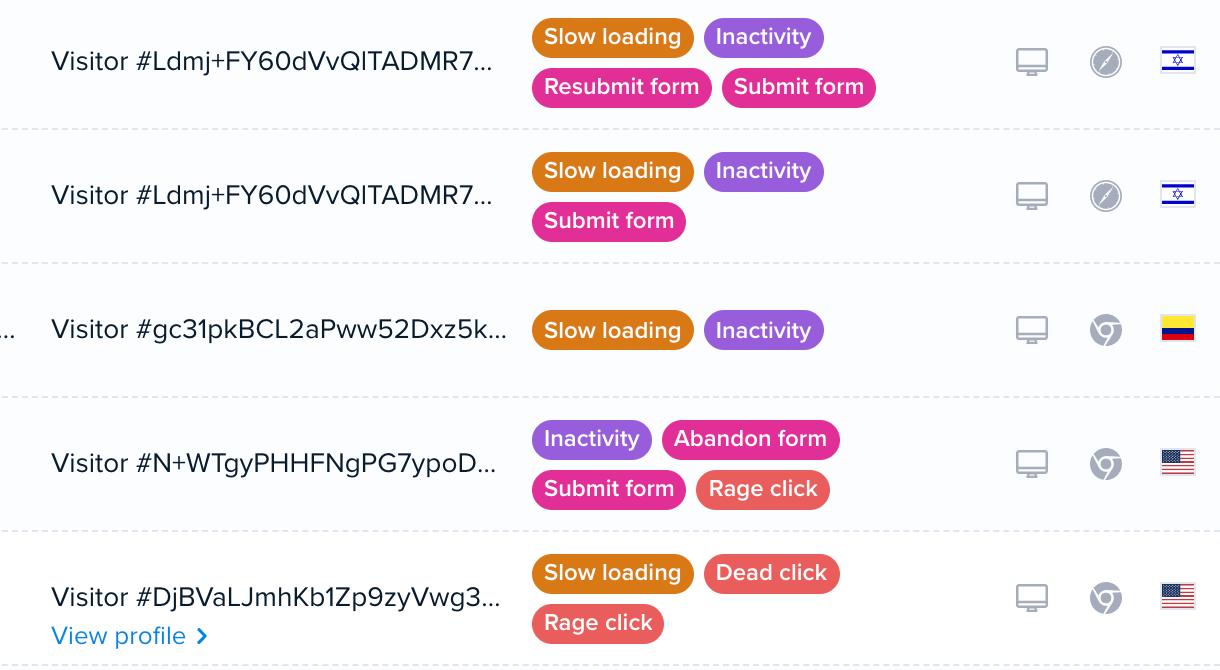
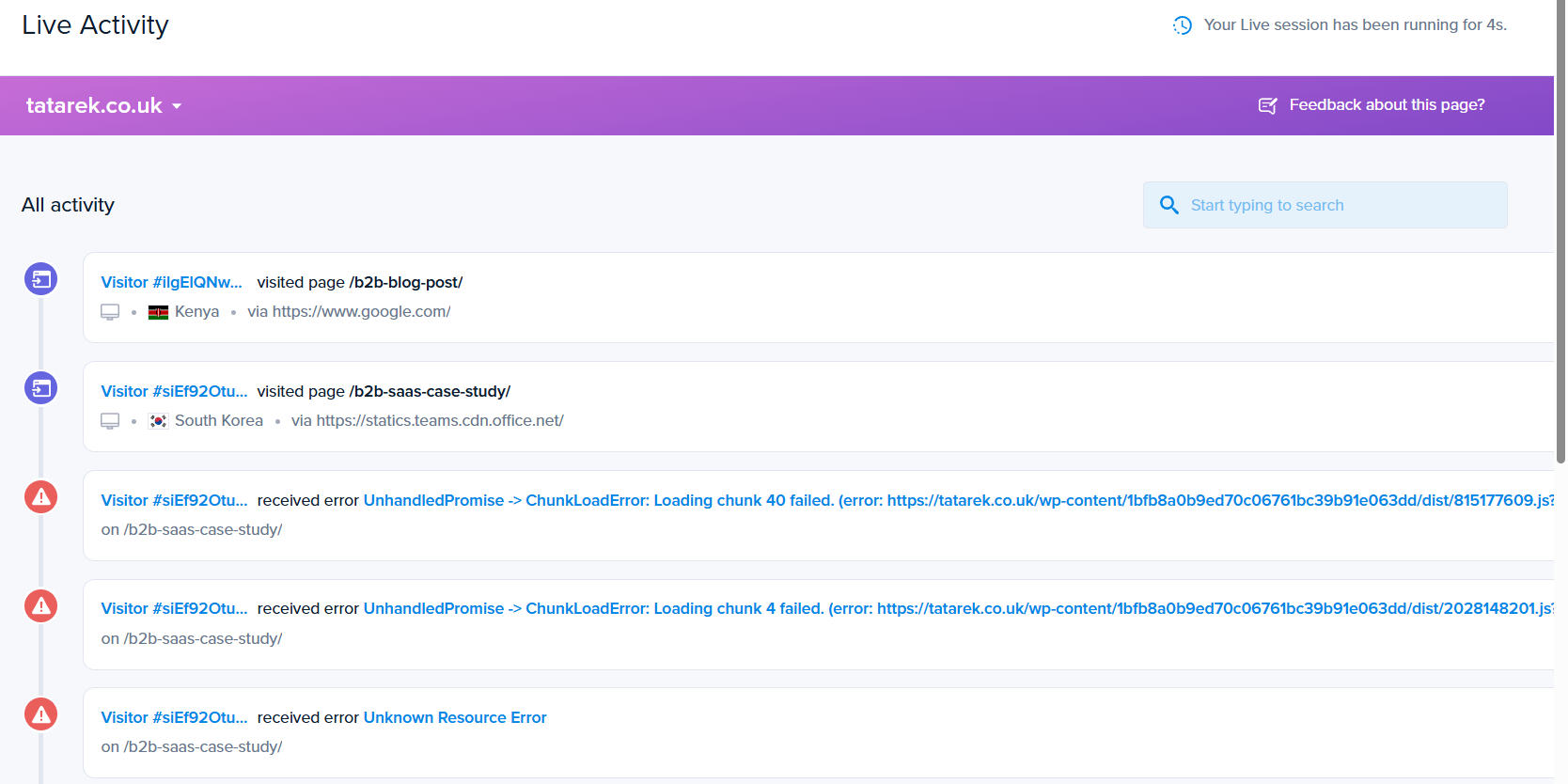
For technical teams, the ability to bridge the gap between a JavaScript error and the user’s experience is invaluable. Crazy Egg’s error tracking captures full stack traces and links them directly to session recordings. It includes a built-in triage workflow where developers can mark errors as resolved or ignored and share the findings via a single link.
Contentsquare provides basic JS error tracking on its lower tiers but gates its advanced "Error Analysis" layer behind Pro and Enterprise plans. This premium layer includes "Quantify" features, which estimate the revenue lost due to specific bugs, and native Jira integrations. While powerful, these features are part of the "six-figure" ecosystem that characterizes the Contentsquare experience.

Artificial Intelligence and the Model Context Protocol (MCP)
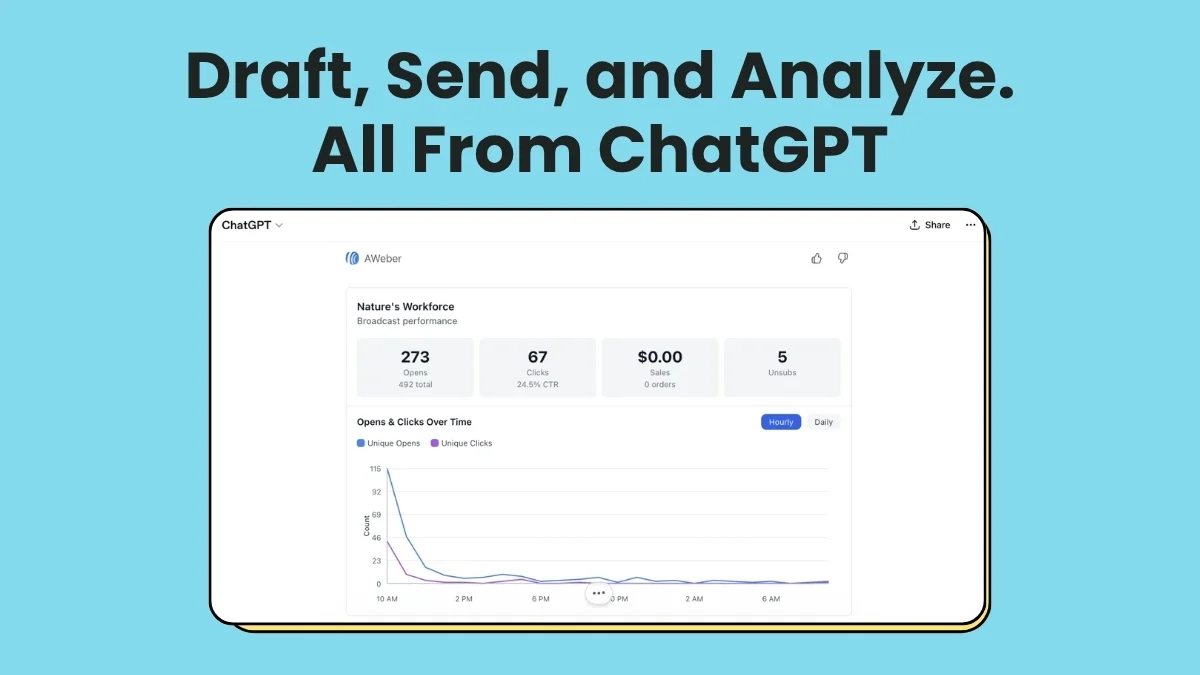
As the industry shifts toward "Agentic AI," both platforms have integrated machine learning to help users parse large datasets. Crazy Egg has recently introduced the Model Context Protocol (MCP) connector. This allows users to link their Crazy Egg data directly to LLMs like Claude, ChatGPT, or Gemini. Teams can query their data using natural language or run automated workflows to build page variants based on AI-generated insights.
Contentsquare’s AI suite, branded as "Sense," offers session replay summaries and automated journey analysis. However, its headline feature, "Sense Analyst"—an AI agent designed to act as a virtual data scientist—is typically sold as a paid add-on, even for Enterprise customers.

Financial Analysis and Total Cost of Ownership
Data from market intelligence firms like Vendr and SpendHound highlight a stark contrast in the total cost of ownership (TCO) between the two platforms. Crazy Egg maintains a transparent pricing model, with its highest-tier Enterprise plan capped at $599 per month ($7,188 annually). This plan covers one million tracked pageviews and includes SAML SSO and dedicated onboarding.
Contentsquare’s pricing is opaque and sales-led. According to SpendHound data based on 30 real-world enterprise contracts, the average annual cost for Contentsquare is $154,400. High-traffic deployments can exceed $500,000 per year. Furthermore, many Contentsquare contracts include annual price escalators of 3% to 5%, creating a compounding cost over multi-year agreements.
Strategic Implications for Digital Teams
The choice between these two platforms often comes down to the organizational structure and the specific needs of the digital team.
The Case for Crazy Egg:
Crazy Egg is positioned as the "all-in-one" choice for teams that prioritize agility and cost-efficiency. By bundling heatmaps, recordings, A/B testing, surveys, and error tracking into a single subscription, it eliminates the "integration tax" associated with managing multiple vendors. It is particularly well-suited for mid-market enterprises and agile marketing teams that need to move from insight to action without waiting for a developer or a data scientist.
The Case for Contentsquare:
Contentsquare remains the powerhouse for global corporations that require "warehouse-grade" data exports and journey analysis across both web and mobile applications simultaneously. Its ability to quantify the revenue impact of every click makes it a favorite for large e-commerce organizations where a 0.1% change in conversion rate equals millions of dollars in revenue. However, the complexity of the platform often requires a dedicated "Contentsquare Champion" or a specialized agency to extract its full value.
Conclusion and Industry Outlook
As the SaaS market moves toward consolidation, the competition between Crazy Egg and Contentsquare illustrates a broader industry trend: the struggle between comprehensive, affordable toolkits and specialized, high-cost intelligence platforms.
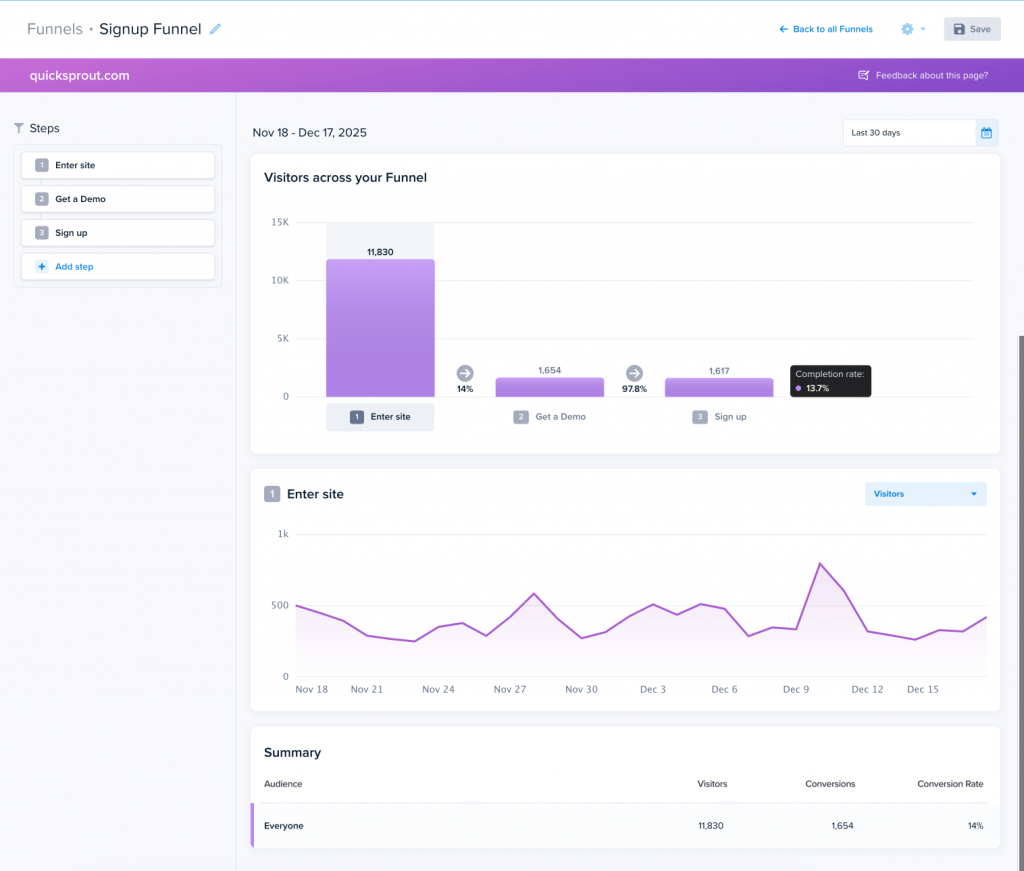
For organizations currently facing a Contentsquare renewal, the decision-making process is increasingly focused on ROI. If a company is utilizing the full breadth of journey analysis and revenue quantification, the six-figure investment may be justified. However, for organizations that primarily use the platform for heatmaps, recordings, and basic funnels, a transition to a more transparent model like Crazy Egg’s can result in significant annual savings without a loss in actionable data.
The future of the sector will likely be defined by how well these platforms integrate with the broader AI ecosystem. With Crazy Egg’s early adoption of MCP and Contentsquare’s heavy investment in the "Sense" AI stack, the next battleground for digital experience analytics will not be how much data can be collected, but how effectively that data can be turned into automated optimizations. For now, the market remains bifurcated: one path leads toward high-touch, high-cost enterprise intelligence, while the other offers a streamlined, transparent, and integrated path to conversion rate optimization.