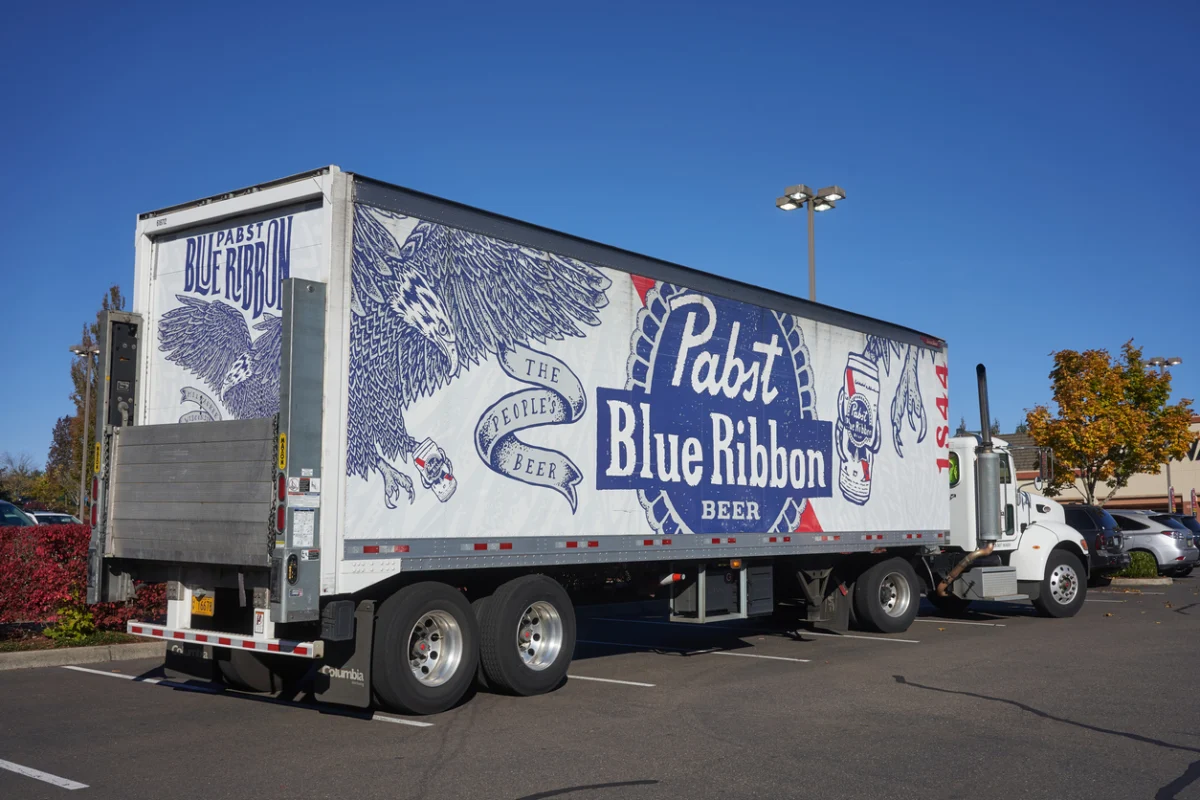
The disappearance of a commercial vehicle carrying approximately 40,000 pounds of Pabst Blue Ribbon (PBR) in Montclair, California, has transitioned from a standard local criminal investigation into a high-profile case study in modern crisis communications. In an unconventional move, the heritage beer brand has opted to bypass traditional somber corporate statements in favor of a "no questions asked" amnesty offer, signaling a broader trend in which major corporations leverage negative events to bolster brand persona and community engagement. This development occurs alongside significant shifts in digital transparency from Meta-owned Instagram and a strategic pivot by major retailers to utilize government tariff refunds as a tool for consumer-facing public relations.
The Pabst Blue Ribbon Heist: From Cargo Theft to Viral Campaign
The incident began in late August 2026 when a truckload containing 20 tons of Pabst Blue Ribbon was reported stolen in Montclair, a city in the Inland Empire region of Southern California. While cargo theft is a persistent issue for the logistics and beverage industries, the specifics of this case were unusual: the thieves targeted the contents exclusively, leaving the brand to account for a massive loss of product intended for regional distribution.
Rather than issuing a standard plea for information via law enforcement channels, PBR launched a targeted social media campaign characterized by a "playful forgiveness" strategy. The brand established a highly specific deadline for the return of the shipment: 18 days and 44 minutes. This timeframe serves as a historical Easter egg, referencing 1844, the year the brewery was founded in Milwaukee, Wisconsin.
Chronology of the PBR Response
- The Theft: 40,000 pounds of beer are intercepted in Montclair, CA.
- The Social Launch: PBR releases an Instagram post featuring a mock-up of a police bulletin.
- The Engagement Phase: The post garners over 45,000 likes within 72 hours and earns coverage in the New York Times.
- The Deadline: The "amnesty window" begins its countdown, keeping the brand in the news cycle for nearly three weeks.
The brand’s social media post included several "cheeky" disclaimers, admitting that the image of the truck used in the announcement was not the actual vehicle because "we can’t find that one." Furthermore, they clarified that the Montclair Police Department logo used in the graphic was a recreation intended to "look legitimate so you would pay attention."
Industry analysts suggest that the earned media value (EMV) generated by this stunt likely far exceeds the wholesale value of the stolen beer. By treating the theft as a community-building moment, PBR has effectively transformed a logistical failure into a marketing success, mirroring the "KitKat Heist" of previous years, which won a Cannes Lions award for its humorous handling of a similar product disappearance.
Instagram Redefines Authenticity: The Shift to AI-Generated Profile Labels
While physical brands navigate real-world heists, digital platforms are grappling with the rise of synthetic identities. Instagram has announced a significant policy shift regarding how it identifies non-human entities on its platform. Formerly referred to as "AI creators," these purely synthetic avatars will now carry the mandatory label of "AI-generated profiles."
This change is a direct response to growing consumer frustration regarding the "uncanny valley"—the point at which AI-generated humans look nearly real but remain slightly off-putting. According to a blog post from Instagram’s creator division, the decision was driven by user feedback indicating that audiences feel deceived when they interact with a profile that appears human, only to discover later that the persona is entirely algorithmic.
Key Components of the New Instagram Policy
- Mandatory Labeling: Entirely synthetic profiles must use the "AI-generated profile" tag.
- Reach Penalties: Accounts that fail to self-disclose their synthetic nature will face algorithmic suppression and limited reach in the "Explore" and "Reels" feeds.
- Exemptions for Human Creators: Real humans who use AI tools for editing, background generation, or captioning are not required to use this specific profile-level label, as the policy targets the entity rather than the process.
This move places Instagram at the forefront of the fight for digital transparency. By narrowing the definition from "AI Creator" (which was criticized for being ambiguous) to "AI-generated profile," Meta aims to provide a clearer distinction for consumers and advertisers alike. For brands, this necessitates a higher level of due diligence when selecting "influencers" for partnerships, ensuring that synthetic partners are compliant with platform transparency rules to avoid shadowbanning or reputational damage.
Economic Repurposing: Using Tariff Refunds for Price Reductions
In the retail sector, a different form of transparency is taking hold as companies navigate the aftermath of complex trade litigations. Following a series of court rulings that determined certain tariffs imposed during the Trump administration were improperly applied, the U.S. government has been ordered to issue substantial refunds to various retailers.
In a departure from traditional corporate behavior—where such windfalls might be quietly absorbed into executive bonuses or stock buybacks—companies like Tractor Supply and e.l.f. Beauty are publicly announcing that these funds will be used to lower prices for the end consumer.
Corporate Strategies for Tariff Windfalls
- Tractor Supply: CFO Kurt Barton stated to the Wall Street Journal that the company is "reinvesting" these refunds to maintain margins while providing "great value" back to customers who are feeling the squeeze of inflation.
- e.l.f. Beauty: The cosmetics giant has taken a more aggressive stance, using the refunds to implement permanent price reductions on approximately 10% of its product line, supplemented by temporary promotional discounts.
"The consumer is telling us, they’re voting with their dollar," said e.l.f. Beauty CFO Mandy Fields. This strategy serves a dual purpose: it provides immediate relief to price-sensitive consumers and creates a powerful PR narrative of a "brand for the people." By explaining the why behind the price cuts—specifically citing the return of government-mandated tariffs—these companies are building a level of trust that transcends simple discounting.
Walmart and the "Fandom" Economy: The Rotisserie Chicken Phenomenon
The trend of turning everyday consumer items into cultural touchpoints has reached a new peak with Walmart’s latest marketing initiative. To celebrate National Chicken Month, the retail giant has released a fashion accessory designed to mimic the plastic bag used for its rotisserie chickens.
Retailing for $5.97—the exact price of the chicken itself—the "Rotisserie Chicken Purse" comes in variations such as "Regular" and "Lemon Pepper." This move is not merely a gag; it is a data-driven response to organic social media trends. Walmart’s group director of brand experiences, Kim Tunick, noted that the brand’s rotisserie chicken saw over 15,000 organic social mentions in the past year, indicating a cult-like following.
The Mechanics of "Silly" Marketing
This type of "low-stakes" marketing is designed to create "walking billboards." When consumers purchase a $6 bag that looks like a poultry container, they are participating in a form of "ironic consumption" that generates massive social media impressions for the retailer. The goal is not profit from the accessory itself, but the reinforcement of Walmart as a culturally relevant brand that "gets" the internet’s sense of humor.
Analysis: The New Frontier of Brand Authenticity
The common thread linking the PBR heist, Instagram’s AI labels, tariff-funded price cuts, and Walmart’s chicken bags is a shift toward radical transparency and personality-driven communication. In an era where consumers are increasingly skeptical of corporate "speak," these brands are finding success by leaning into the following principles:
- Vulnerability as a Strength: PBR’s admission of a loss and its subsequent "cheeky" response humanizes the corporation, making it feel like a peer rather than a faceless entity.
- The Ethics of Disclosure: Instagram’s labeling move acknowledges that trust is the most valuable currency in the digital age. As AI becomes more sophisticated, the brands that thrive will be those that are honest about what is real and what is synthetic.
- Direct Value Transfer: The decision to publicize tariff refunds as the source of price cuts is a sophisticated PR move. it aligns the company’s interests with the consumer’s financial well-being, creating a "common enemy" in the form of past trade policies.
- Community Over Commerce: Walmart’s chicken bag demonstrates that by listening to "fan" conversations, brands can create products that foster a sense of belonging among their most loyal customers.
As the landscape of 2026 continues to evolve, the intersection of crisis management, artificial intelligence, and economic policy will require PR professionals to be more agile and creative than ever before. Whether it is tracking down 40,000 pounds of beer or navigating the complexities of international trade law, the successful modern brand is one that speaks the language of its audience—even when that language is as simple as a rotisserie chicken bag.