In an increasingly saturated digital music landscape, artists face the daunting challenge of transforming fleeting listener attention into enduring fan loyalty and sustainable careers. While platforms like Spotify, YouTube, and TikTok offer unprecedented reach, the sheer volume of daily uploads—exceeding 100,000 songs on Spotify alone—means that discoverability, rather than mere presence, has become the ultimate differentiator. Musicians today risk the "nightmare" scenario: having their melodies hummed and trends followed, yet their names and creative identities remain forgotten. This reality underscores a critical need for a robust, long-term digital strategy that extends beyond algorithmic feeds and into the realm of search engine optimization (SEO).
The Evolving Landscape of Music Discovery: From Gatekeepers to Algorithms
The music industry has undergone a radical transformation over the past two decades, shifting from a gatekeeper-controlled model of physical distribution and radio play to a highly democratized, digital-first ecosystem. In the pre-digital era, artists relied heavily on record labels, A&R representatives, and traditional media to reach audiences. Success often hinged on securing a deal, airplay, or critical reviews in prominent publications.
The advent of the internet and digital audio technology in the late 1990s and early 2000s began to dismantle these barriers. Peer-to-peer sharing platforms, followed by digital storefronts like iTunes, empowered artists with direct distribution channels. However, it was the rise of streaming services such as Spotify (launched 2008), Apple Music (2015), and social media giants like YouTube (2005) and TikTok (2016) that truly revolutionized music consumption and discovery. These platforms offered artists direct access to global audiences and new avenues for virality. Yet, this democratization came with its own set of challenges.
The Digital Deluge: Why Algorithmic Discovery Falls Short
While streaming and social media provide initial exposure, they often fall short in fostering deep, lasting fan connections. The algorithmic nature of these platforms means discovery can be transient, prioritizing immediate engagement over long-term artist development. Listeners might encounter a song on a curated playlist or a viral video, but the path to understanding the artist behind it, exploring their full discography, or engaging with their wider brand can be fragmented and easily lost.
Statistics highlight this challenge. With over 100,000 new tracks uploaded daily to Spotify, the platform now hosts over 100 million songs. While this offers immense choice for listeners, it creates immense competition for artists. A significant portion of these uploads generates minimal streams, and revenue distribution heavily favors established acts or those with viral breakthroughs. For independent and emerging artists, simply existing on these platforms is no longer enough; they must actively guide listeners towards deeper engagement.
This is where search engines, particularly Google, become indispensable. While streaming platforms serve as primary listening hubs, search engines act as the internet’s navigational compass. When a listener hears a catchy tune on TikTok, their next instinct is often to "Google" the artist’s name, search for lyrics, find tour dates, or explore similar artists. A robust SEO strategy ensures that when curiosity strikes, the artist’s official, comprehensive information is readily available and easily discoverable, converting casual interest into committed fandom.
SEO as the Musician’s Digital Compass: Building a Sustainable Online Presence
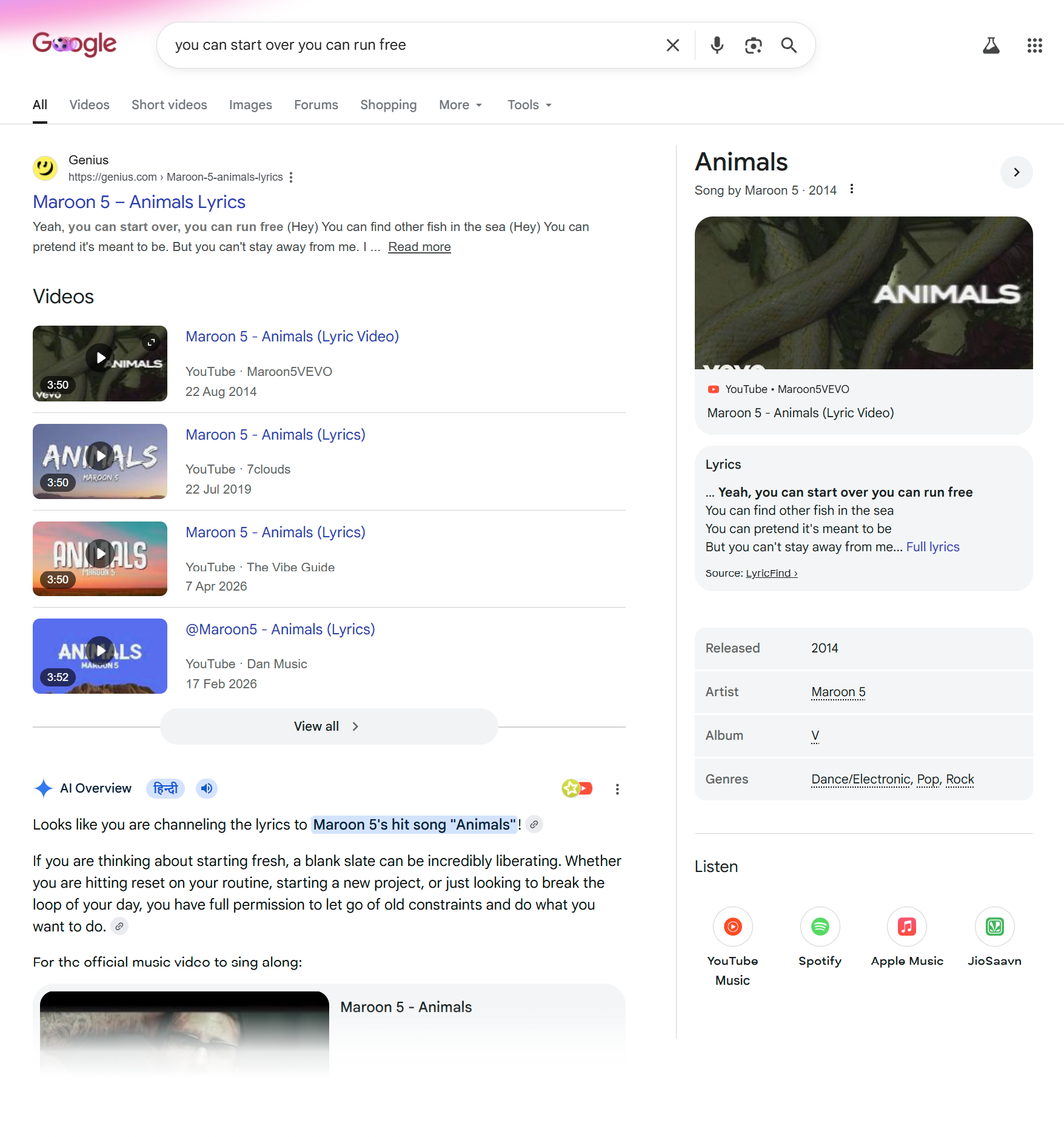
Search Engine Optimization for musicians is the strategic process of enhancing an artist’s online visibility across search engines. This means making it easier for potential fans, promoters, venue owners, journalists, and even AI-powered discovery tools to find relevant information about an artist, their music, and their career. SEO doesn’t replace streaming or social media; it complements them, providing a vital bridge from initial discovery to sustained engagement and monetization.
1. Building Your Digital Foundation: The Artist Website
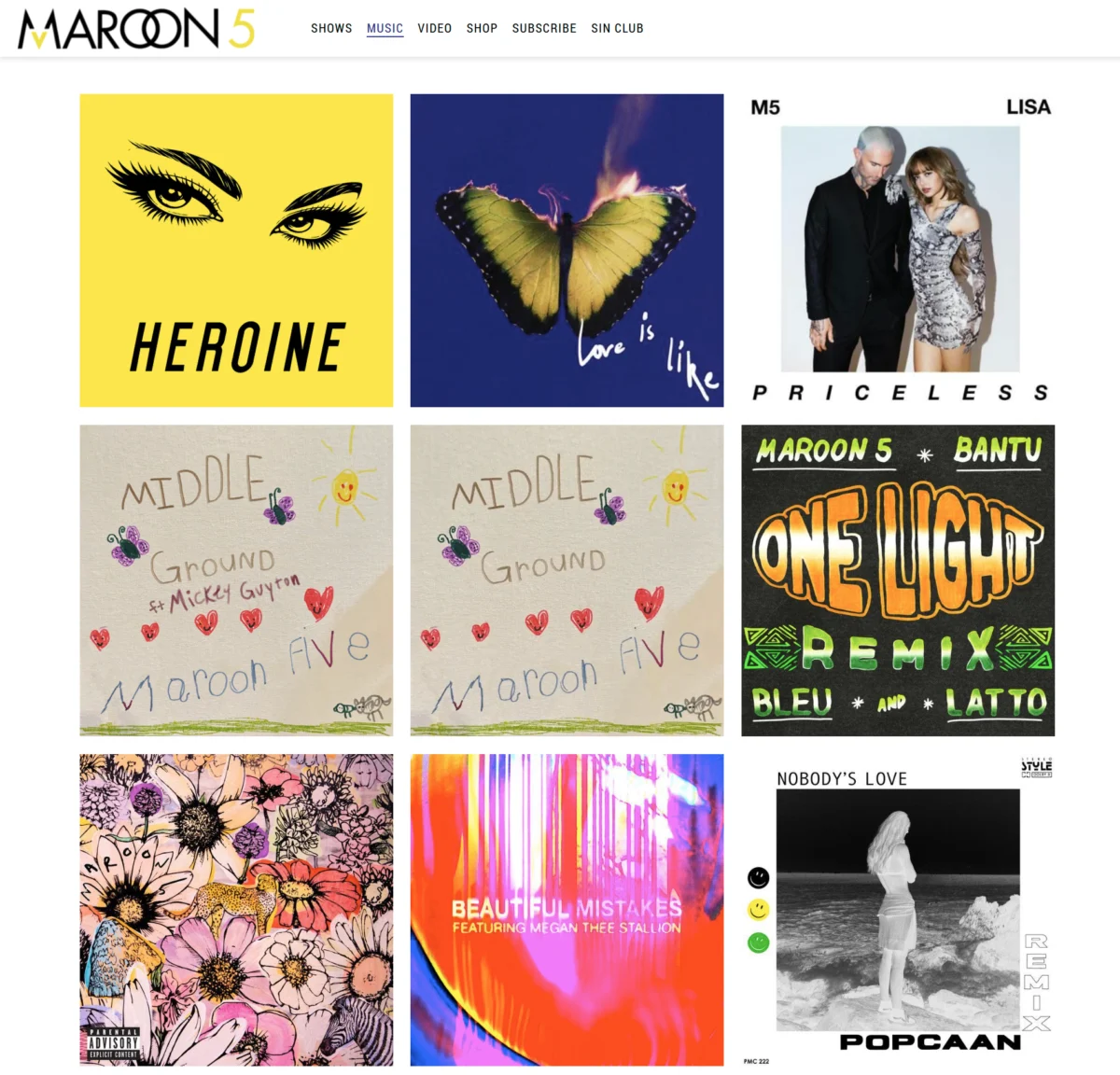
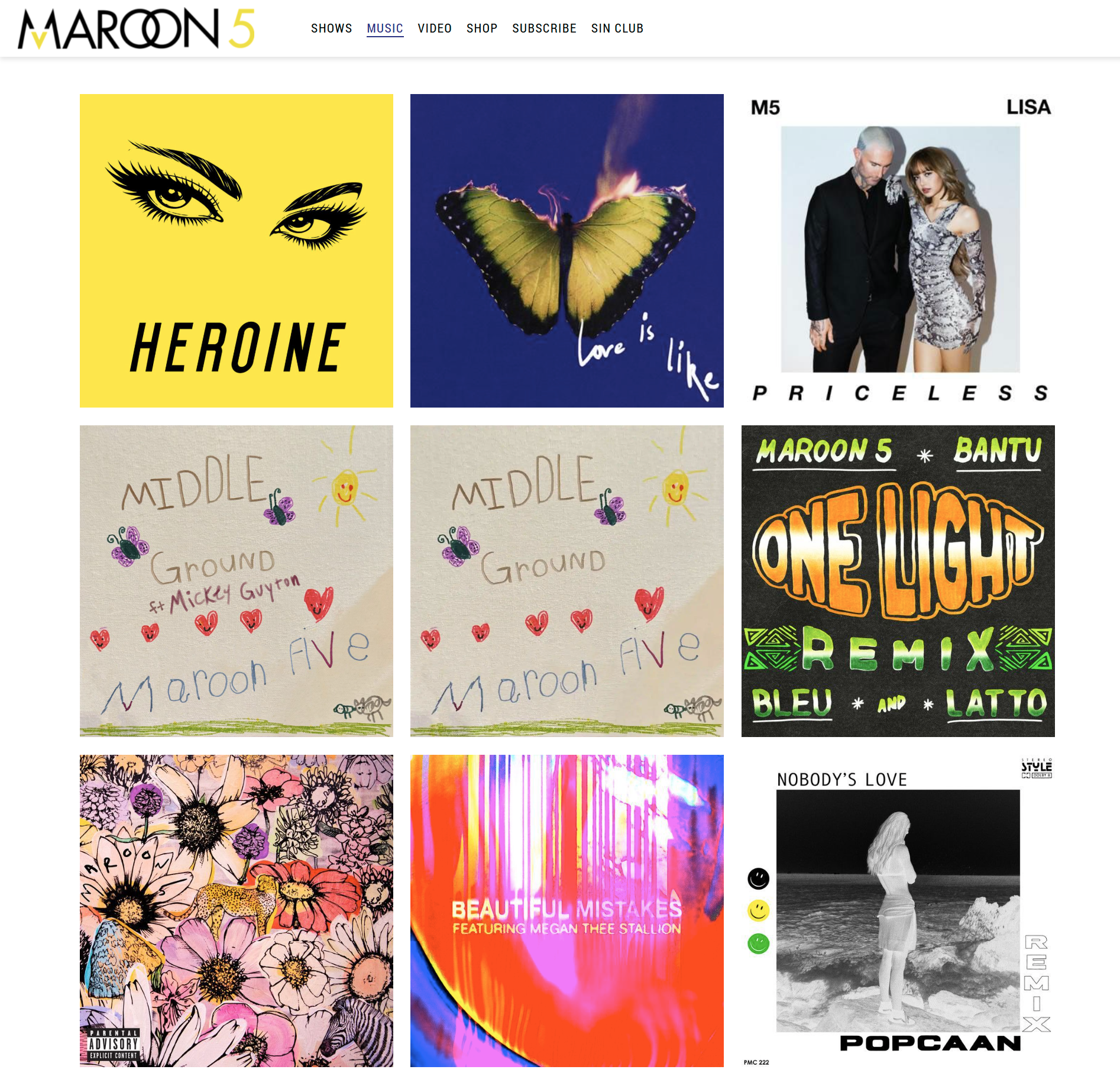
The cornerstone of any artist’s SEO strategy is a professional, owned website. Unlike social media profiles or streaming pages, a website offers complete control over branding, content, and data. It serves as the artist’s "digital headquarters," consolidating all essential information in one accessible location. This includes a comprehensive artist bio, discography with streaming links, high-resolution press photos, music videos, tour dates, contact information, and an e-commerce store for merchandise.
A strong website allows artists to collect fan data (e.g., email sign-ups), track analytics independently, and present a cohesive brand narrative. When a listener searches for an artist, the goal is for their official website to rank prominently, providing a definitive source of truth and a pathway to deeper interaction. Platforms like Bluehost’s AI Website Builder can assist artists in quickly establishing this vital online presence without extensive technical skills.
2. Amplifying Your Releases Through Search
Every new single, EP, or album represents a significant opportunity for discovery that extends beyond its initial upload to streaming services. Dedicated release pages on an artist’s website are crucial. These pages should provide rich context, including:
- Detailed descriptions: The story behind the music, lyrical inspiration, recording process.
- Lyrics: Essential for search queries like "[song name] lyrics."
- Embedded media: High-quality audio players, music videos, and behind-the-scenes footage.
- Call-to-actions: Links to streaming platforms, merchandise, and upcoming performances.
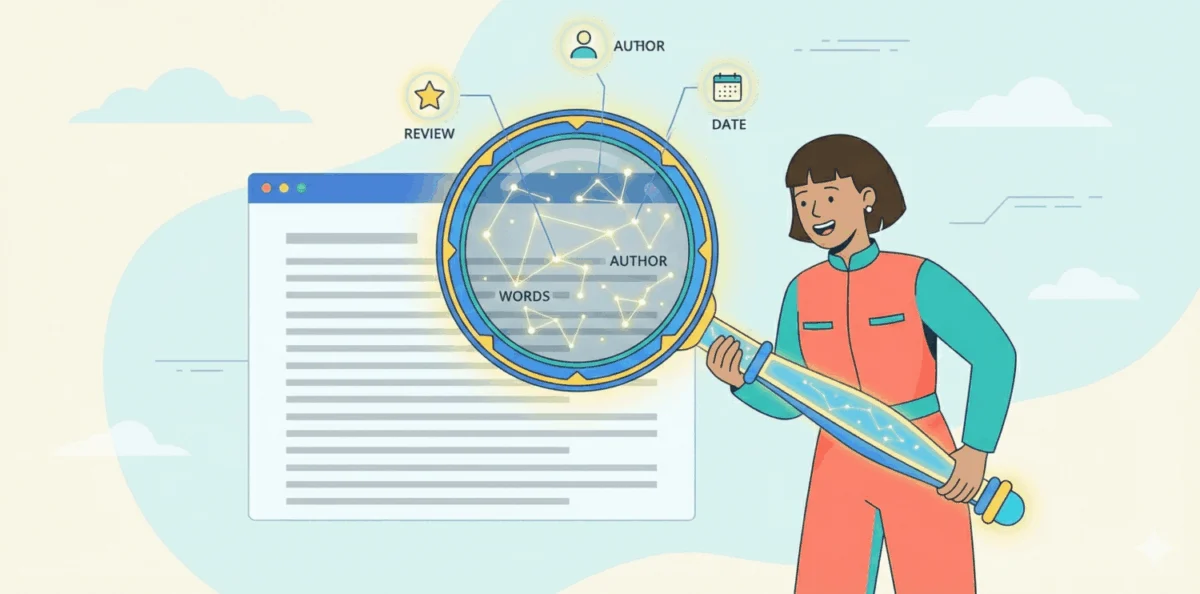
- Structured Data (Schema Markup): Implementing schema markup for music releases (e.g., MusicAlbum, MusicRecording) helps search engines understand the content more deeply, potentially leading to rich snippets in search results that showcase album art, release dates, and tracklists.
By naturally integrating keywords related to the music, genre, and artist, these pages optimize for searches such as "new [artist name] album," "[genre] artists to watch," or specific song titles.
3. Transforming Music into Discoverable Content
Beyond formal releases, every song holds a story ripe for content creation. A blog on the artist’s website becomes a powerful SEO tool, allowing musicians to repurpose their creative output into searchable articles. Examples include:
- Song breakdowns: Deconstructing lyrics, musical themes, or production techniques.
- Behind-the-scenes stories: Narratives from the studio, tour experiences, or collaborative processes.
- Gear guides: Discussing instruments, software, or equipment used.
- Tutorials: For instrumentalists or producers, offering insights into their craft.
This content not only deepens fan engagement but also provides search engines with more context about the artist’s work, passions, and expertise, attracting diverse search queries.
4. Optimizing Visuals: Video SEO for Musicians
Music videos, lyric videos, live performance clips, and studio sessions are vital for visual storytelling. However, merely uploading them isn’t enough. Video SEO ensures these assets are discoverable:
- Descriptive Titles and Descriptions: Including artist name, song title, and relevant keywords.
- Tags and Categories: Using specific tags on platforms like YouTube to improve visibility.
- Transcripts and Captions: Making video content accessible and searchable.
- Embedding on Website: Creating dedicated video pages on the artist’s website, embedding YouTube/Vimeo links, and adding surrounding textual context. Tools like Yoast’s video SEO feature can automatically add video schema, improving how videos appear in search results.
5. Building Credibility: External Mentions and E-E-A-T
Earning mentions from reputable music blogs, publications, podcasts, and industry websites is critical for building online authority. These external links and mentions signal to search engines and AI systems that an artist is recognized and credible within their field. This aligns with Google’s E-E-A-T guidelines (Experience, Expertise, Authoritativeness, and Trustworthiness). Opportunities include:
- Album reviews and features.
- Interviews and podcast appearances.
- Inclusion in curated playlists or "artists to watch" lists.
- Collaborations with other artists or brands.
Each mention strengthens an artist’s digital footprint, making it easier for search engines and AI assistants to confidently connect their name with their music, genre, and achievements.

Beyond Streams: SEO for Gigs and Merchandise
For many musicians, success extends beyond streaming numbers to securing live performances and selling merchandise. SEO plays a distinct but equally crucial role in these areas.
1. Securing Bookings: Local SEO and Event Specialization
Event organizers, venue managers, and private clients often search for live entertainment based on location and event type. Therefore, optimizing for local searches is paramount.
- Google Business Profile: Creating and optimizing a Google Business Profile for the band/artist, including service areas, business hours, and contact details.
- Location-Specific Keywords: Naturally integrating city and region names on the website (e.g., "wedding bands in Birmingham," "corporate entertainment New York").
- Dedicated Event Pages: Instead of a generic "Bookings" page, create specific pages for different services: "Wedding Band," "Corporate Events," "Festival Performances," "Private Gigs." Each page should detail expectations, musical styles, experience, and provide clear inquiry forms.
Showcasing testimonials, photos, and videos from past performances builds trust and provides social proof, essential for conversion.
2. Monetizing Your Brand: E-commerce for Musicians
A well-optimized online store on an artist’s website provides a direct revenue stream and strengthens fan loyalty.

- Dedicated Product Pages: Create individual pages for each merchandise item (T-shirts, vinyl, CDs, signed posters, sheet music, digital downloads).
- Detailed Descriptions: Include high-quality images, sizing information, pricing, and unique, keyword-rich product descriptions.
- Cross-Promotion: Link merchandise directly from relevant music release pages, blog posts, and tour announcements.
- E-commerce SEO Tools: Plugins like Yoast WooCommerce SEO assist in optimizing product pages with structured data and metadata, making products more discoverable through search queries like "official [Artist Name] merch" or "signed vinyl."
Navigating the Future: AI, Algorithms, and Long-Term Visibility
The rise of AI-powered search and large language models (LLMs) like ChatGPT and Google’s Bard further underscores the importance of a robust SEO foundation. As users increasingly rely on AI assistants for recommendations ("Find artists similar to…") or information retrieval ("What are the lyrics to [song]?"), the underlying data that feeds these AI systems comes from the web. A well-structured, authoritative, and context-rich website, optimized for traditional search, naturally prepares an artist for this evolving landscape. As the Yoast Perspective Report indicates, 65% of SEO professionals believe optimizing for LLMs is an extension of traditional SEO.
Industry Voices: Practical Insights from Musicians
The practical application of SEO principles is evident across various facets of the music industry. Musicians, educators, and producers who have embraced SEO tools like Yoast share common insights:
- John Bowman, Host of On Air with Johnny B: Emphasizes treating the website as a "creative home base" for storytelling, beyond just promoting releases. He notes Yoast’s role in demystifying SEO.
- Anthony Pell, Guitar Educator: Stresses owning one’s online presence, as social media platforms’ popularity can fluctuate, but a website remains a stable asset for music, products, and courses.
- Ben Stringer, Founder of SAM Music Service: Highlights the importance of using available tools and not "guessing" SEO, allowing more focus on core business.
- Brent Robitaille, Musician and Author: Advises continuous learning in SEO, regularly reviewing analytics to refine strategies and improve confidently.
- Chetan Shekar, DJ and Producer (DarkLightDJ.com): Recommends installing SEO plugins and paying attention to image alt text and descriptions for organic traffic.
These diverse experiences converge on a singular truth: an artist’s website is a long-term asset, providing control, stability, and a central hub for all creative and commercial endeavors.

Conclusion: The Imperative of Digital Discoverability
In an era where digital noise can drown out even the most brilliant melodies, SEO is not merely a technical consideration; it is an imperative for any musician aspiring to build a lasting career. It won’t write a hit song or make a performance unforgettable, but it ensures that when great music is created, it has the best possible chance of being found. By strategically optimizing their online presence, musicians can transform fleeting digital encounters into meaningful, long-term connections, ensuring their art resonates far beyond the latest algorithm update. The goal is simple: to make sure that when someone seeks your music, they find you, fostering a loyal community that supports your journey for years to come.