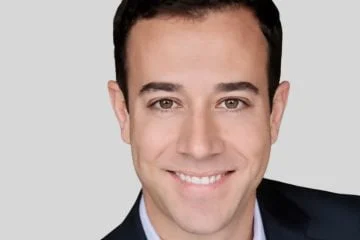
Seven years after its inception, BK Beauty, the direct-to-consumer cosmetics brand co-founded by Paul and Lisa Jauregui in Austin, Texas, is demonstrating remarkable adaptability and strategic foresight. The company, which initially achieved $1 million in revenue in its first year, has navigated the dynamic digital commerce environment, including the significant shifts in social commerce platforms like TikTok Shop, and is now forging crucial alliances with major retailers such as Ulta Beauty. This evolution marks a pivotal chapter for the brand, underscoring its ability to pivot and thrive amidst industry transformations.
The Rise and Re-engagement with TikTok Shop
BK Beauty’s journey began with a clear vision for high-quality makeup and accessories, rapidly expanding its distribution channels and product offerings. A key element of its early success was a deep integration with the burgeoning creator ecosystem, which Paul Jauregui consistently emphasized in previous interviews. The brand was among the early adopters of TikTok Shop, launching on the platform in August 2023. This strategic move proved to be a significant inflection point, driving substantial growth during what Jauregui describes as the platform’s "golden age."
During this initial phase, organic conversions on TikTok Shop were exceptionally high, allowing BK Beauty to capitalize on the platform’s viral potential. However, the landscape began to shift. The prospect of a potential U.S. ban on TikTok in 2025, coupled with a transition to a "pay-to-play" model, prompted BK Beauty to reassess its strategy. The platform’s move away from purely organic reach meant that sustained visibility required significant advertising investment, specifically through TikTok’s GMV Max product. This advertising solution necessitates a substantial volume of creative content to optimize performance and minimize costs.
The increasing financial demands, including ad spend, product sampling for creators, and commission fees, led BK Beauty to temporarily pull back from its intensive TikTok Shop engagement. This period of recalibration was driven by the escalating costs associated with maintaining a prominent presence. The brand reported sending approximately 200 product samples to creators per month during its peak engagement, a figure that has since been increased to around 1,000 as part of its renewed strategy. The company’s signature makeup brushes and tools, being non-consumable, offer a distinct advantage in sampling, as creators can leverage them for extended periods, generating ongoing content.
Despite these challenges, the impact of TikTok Shop on overall brand discovery and customer acquisition remained undeniable. Jauregui noted that conversions across other channels began to slow when their TikTok Shop presence diminished. This observation underscored the platform’s role as a critical "discovery engine" for BK Beauty, with activity on TikTok influencing sales across all other touchpoints. Consequently, by 2026, BK Beauty initiated a strategic rebuild of its TikTok Shop presence, recognizing its enduring importance. This rebuilding phase, now five months in, is characterized by a renewed focus on content creation and creator engagement, although the brand acknowledges it is still in a learning and optimization process.
Navigating the "Pay-to-Play" Era on TikTok
The transition to a "pay-to-play" environment on TikTok Shop has fundamentally altered the economics of social commerce for brands like BK Beauty. GMV Max, TikTok’s primary advertising product, has become essential for driving customer acquisition. Without investment in this system, Jauregui explained, achieving significant reach and sales is improbable. The effectiveness of GMV Max is directly correlated with the volume and quality of creative content it can leverage. This requires brands to invest not only in ad spend but also in the production and dissemination of engaging visual and video assets.
Beyond direct advertising costs, the "pay-to-play" model encompasses other significant expenses. Product sampling, a cornerstone of creator marketing, has seen a substantial increase for BK Beauty. As mentioned, the monthly sampling volume has quadrupled from 200 to approximately 1,000 units. This investment is crucial for ensuring creators have the necessary products to review and showcase. The brand’s non-consumable nature of its core products, such as makeup brushes, allows for a more sustainable sampling strategy, as a single product can be featured by a creator over an extended period.
However, a new challenge has emerged: creator saturation. The most influential TikTok creators often already possess BK Beauty’s products, making it less impactful to send them the same items repeatedly. This necessitates a more nuanced approach to creator outreach, potentially involving exclusive product launches or tiered collaboration models.
The final layer of "pay-to-play" costs involves selling commissions. TikTok Shop, like many e-commerce marketplaces, charges a percentage of each sale as a commission fee. While these fees are standard across e-commerce platforms, they add to the overall cost of doing business on the platform, especially when combined with significant ad spend and creator investment. Despite these financial considerations, BK Beauty’s decision to re-engage with TikTok Shop highlights its belief in the platform’s continued ability to drive brand awareness and sales, albeit through a more structured and investment-heavy approach.
Strategic Expansion into Retail Marketplaces: Ulta Beauty and Nordstrom
Parallel to its strategic adjustments on TikTok, BK Beauty has embarked on a significant expansion into established retail marketplaces, notably Ulta Beauty and Nordstrom. The launch on these platforms in December of the previous year marked a critical step in diversifying its sales channels and reaching a broader consumer base. Ulta Beauty, in particular, operates as a curated marketplace, requiring brands to be invited rather than simply applying, underscoring the strategic significance of BK Beauty’s inclusion.
This move addresses a strategic gap that existed in BK Beauty’s previous market presence. While the brand had cultivated strong relationships with creators and achieved considerable media coverage, it experienced annual "blackout periods" during major retail tentpole events. These events, such as Ulta’s "21 Days of Beauty" and Nordstrom’s Anniversary Sale, traditionally diverted consumer attention and media share of voice towards the retailers’ own promotions. Without a presence on these platforms, BK Beauty found itself excluded from these high-traffic sales periods, losing valuable opportunities for exposure and sales.
BK Beauty’s experience on the Ulta Beauty Marketplace has been particularly impactful. During March’s "21 Days of Beauty" event, the brand secured a premium placement on Ulta’s homepage. In exchange for this prominent visibility, BK Beauty offered a compelling promotion: a 50% discount on a specific item for a single day. This strategic offer not only incentivized consumers but also galvanized the creator community to promote the deal. The result was extraordinary: within 24 hours, BK Beauty sold over 20,000 units of the featured product, making it the top-selling SKU on Ulta.com for that day. This success highlights the synergy between strategic retail partnerships and a well-executed promotional offer, amplified by influencer marketing.
Channel Breakdown and Future Considerations
The diversification of BK Beauty’s sales channels has led to a more balanced revenue distribution. Currently, the company’s direct-to-consumer website, BKBeauty.com, accounts for approximately 50% of its total revenue. TikTok Shop and Amazon each contribute around 20%, while Ulta represents about 10%. This breakdown demonstrates the brand’s ability to maintain a strong direct relationship with its customers while simultaneously leveraging the reach of major online marketplaces.
Looking ahead, BK Beauty has considered the potential development of a traditional wholesale channel. However, the company approaches this prospect with caution. Paul Jauregui acknowledges that wholesale operations require a different set of business "muscles" than the direct-to-consumer model, which the brand has honed over its seven years of operation. Ulta Beauty would represent the initial focus if BK Beauty were to explore wholesale opportunities. The underlying concern for the brand is maintaining control over its identity and customer experience, as Jauregui emphasizes, "No one else knows our brand, business, and customers better than us." This sentiment suggests a preference for partnerships that allow for significant brand autonomy and a deep understanding of their unique value proposition.
Engaging with the BK Beauty Community
For consumers and industry observers interested in following BK Beauty’s ongoing development and supporting its ventures, several avenues are available. The brand’s official website, BKbeauty.com, serves as the central hub for product information and direct purchases. Paul Jauregui also maintains active profiles on professional networking platforms, including X (formerly Twitter) and LinkedIn, where he shares insights into the business and engages with his audience. These platforms offer direct channels for communication and provide a window into the strategic decisions and operational nuances that continue to shape BK Beauty’s trajectory in the competitive beauty industry. The brand’s journey, marked by resilience and strategic adaptation, offers a compelling case study in navigating the ever-evolving landscape of e-commerce and social commerce.