The digital advertising landscape offers an unprecedented ability to reach highly qualified users across the globe through sophisticated targeting mechanisms, all manageable from the convenience of a computer. This immense power, however, is intrinsically linked to a significant responsibility. Even minor oversights in campaign setup can lead to substantial financial losses, including tens of thousands of dollars in wasted ad spend and missed revenue opportunities. This is particularly acute when operating under strict budget caps, managing bid levels, optimizing landing pages, and iterating on creative variations. The critical challenge lies in establishing a robust quality assurance (QA) process that effectively catches errors without becoming an administrative bottleneck, thereby delaying critical campaign launches and creative updates.
The nuances of digital campaign management, from platform specifics to nuanced audience segmentation, necessitate a strategic approach to QA. In the realm of digital advertising operations, platform campaign management, and account leadership, the most effective QA practices are those implemented by individuals with deep domain expertise, systematically reviewing a pre-defined checklist tailored to the specific campaign and platform. These checklists, often unique to each advertising initiative, serve as essential guardrails against costly errors.
The Strategic Imperative of Diligent QA
The digital advertising ecosystem, characterized by its rapid iteration and complex interplay of variables, makes meticulous quality assurance not merely a best practice, but an operational necessity. Platforms like Google Ads, Meta Ads (formerly Facebook Ads), and programmatic advertising exchanges provide marketers with granular control over audience demographics, interests, behaviors, geographic locations, and even device types. This precision allows for hyper-targeted campaigns designed to deliver ads to the most receptive individuals. However, this same granularity means that a single misconfigured setting – an incorrect audience exclusion, a misplaced decimal in a bid increment, or a broken URL in a call-to-action – can divert significant advertising budgets to irrelevant audiences or, worse, to dead links.
The stakes are particularly high for businesses operating with defined monthly or campaign-specific budgets. For instance, a campaign with a daily budget of $1,000, if misconfigured to target an excessively broad or inappropriate audience, could deplete its entire budget within hours, yielding no meaningful return on investment. Similarly, an error in bid strategy implementation, such as accidentally setting a maximum bid significantly higher than intended, can lead to a rapid escalation of costs without a corresponding increase in desired outcomes like conversions or qualified leads. The landing page experience is another critical juncture; a broken link or a page that fails to load properly after a user clicks an ad not only wastes the ad click but also frustrates potential customers, potentially damaging brand perception.
Developing an Effective QA Framework
Drawing from extensive experience in ad operations, platform campaign management, and account leadership, a common thread emerges: the most successful QA methodologies are built upon a foundation of expertise and a structured, repeatable process. The ideal scenario involves a QA professional who possesses a thorough understanding of the specific advertising platform, the client’s business objectives, and the intricacies of the campaign being reviewed. This individual should meticulously work through a pre-established checklist of critical campaign elements.
Such a checklist is not a one-size-fits-all solution. It must be dynamic and adaptable, evolving with the complexities of each campaign. Key elements typically include:
- Budget and Bidding: Verification of daily and lifetime budgets, bid strategy selection, maximum bid limits, and any specific bid adjustments (e.g., for device, location, or audience).
- Targeting Parameters: Confirmation of audience definitions (demographics, interests, behaviors, custom audiences, lookalike audiences), geographic targeting, and any negative targeting or exclusion lists.
- Ad Creatives and Messaging: Review of all ad copy, headlines, descriptions, images, videos, and calls-to-action for accuracy, brand consistency, compliance with platform policies, and alignment with campaign objectives. This includes checking for typos, grammatical errors, and ensure all assets are correctly uploaded and formatted.
- Landing Page Experience: Validation of all URLs, ensuring they direct to the correct and functioning landing pages. This also involves checking for proper tracking code implementation on the landing page itself.
- Conversion Tracking: Confirmation that all conversion tracking pixels, tags, and goals are correctly set up, firing appropriately, and aligned with the campaign’s desired outcomes (e.g., purchases, form submissions, sign-ups).
- Ad Scheduling and Delivery: Verification of the chosen ad schedule and any specific delivery settings.
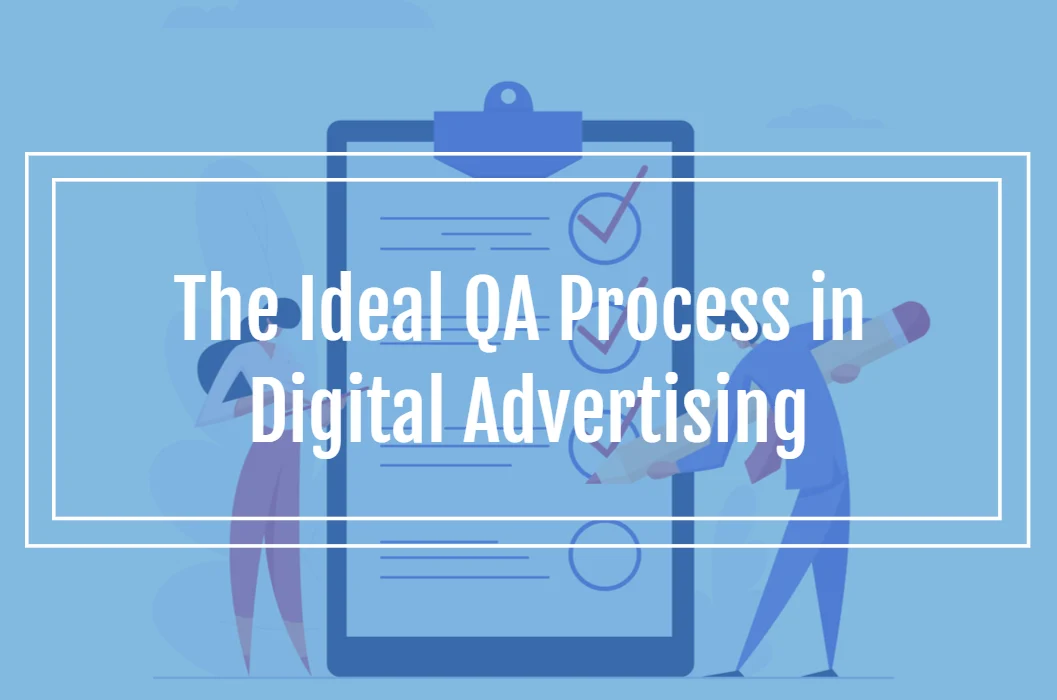
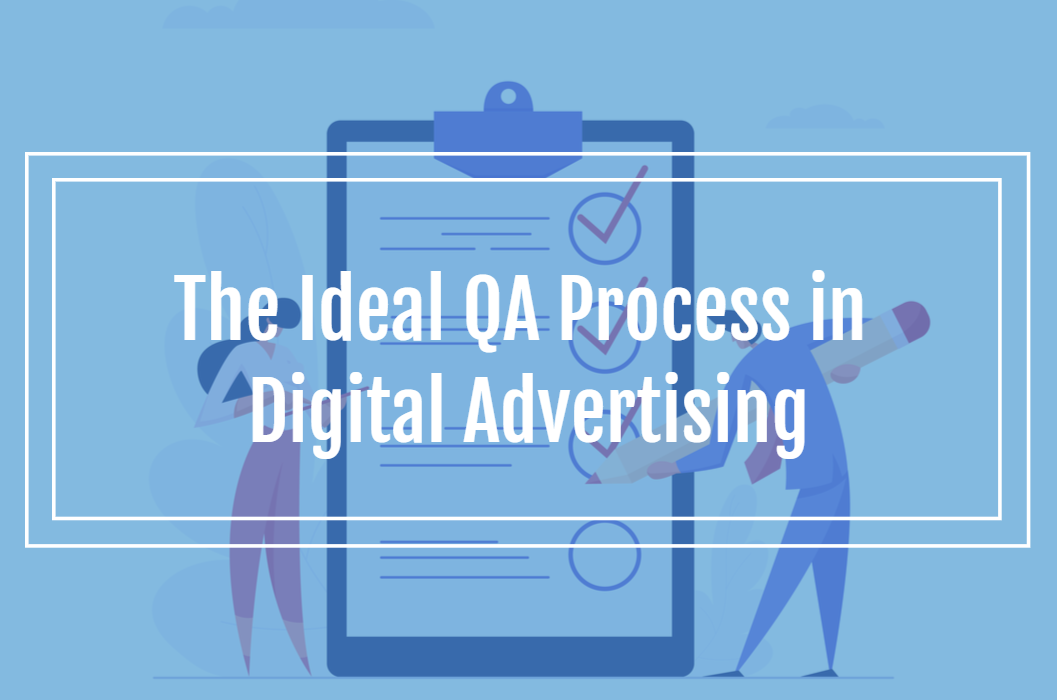
The image provided, depicting a sample QA checklist, illustrates the types of specific checks that are crucial. Items like "Check Campaign Name," "Budget," "Bids," "Targeting," "Creatives," "Landing Page," and "Tracking" represent foundational elements that demand rigorous scrutiny.
The Advantages of a Structured QA Approach
Implementing a systematic QA process offers a multitude of tangible benefits, extending beyond mere error prevention. The principle of having at least two sets of eyes review a campaign before launch is fundamental. This dual-review system not only significantly increases the likelihood of catching mistakes but also distributes accountability, preventing the burden from falling solely on a single individual. This shared responsibility fosters a more collaborative and less stressful environment.
Task management tools, such as Asana or Monday.com, can be instrumental in streamlining this process. These platforms allow for the creation of reusable QA templates, the assignment of specific QA tasks to team members, and the tracking of progress. This not only enhances efficiency but also provides a clear audit trail of who reviewed what and when. In instances where budget constraints are a primary concern, or for teams preferring greater flexibility, tools like Google Sheets can also serve as effective platforms for managing QA checklists, offering a free and highly customizable solution.
A particularly valuable, yet often overlooked, step is the inclusion of a post-launch performance review. This involves a designated individual reviewing key metrics like clicks, impressions, and website sessions (e.g., via Google Analytics) within the first 24-48 hours after a campaign goes live. This "day-after" checkpoint is critical for identifying issues that may not have been apparent during pre-launch previews. For example, an ad might appear to function correctly in a preview environment, but upon live deployment, it might fail to actually direct users to the intended landing page. Such a flaw, if not caught promptly, can lead to significant financial drain. A scenario where an ad campaign was running perfectly in preview but failing to click through to a landing page when live, costing thousands in wasted ad spend, highlights the indispensable nature of this follow-up verification. These next-day checkpoints act as a crucial safety net, catching misconfigurations before they escalate into substantial financial losses.
The Perils of Overly Complex QA Processes
Conversely, the pursuit of perfection in QA can sometimes lead to processes that become cumbersome and counterproductive. While the idea of a third reviewer might seem like an added layer of security, in practice, it can often introduce inefficiencies. Typically, a third reviewer may not possess the same depth of day-to-day familiarity with a specific account or campaign as the initial two reviewers. This lack of intimate knowledge can result in two primary issues:
- Increased Questioning: The third reviewer might pose numerous questions about campaign nuances that the primary reviewers have already addressed or are well aware of. This can lead to extended discussions and a significant drain on the time of the more experienced team members.
- Superficial Review: Feeling the pressure of being the final hurdle before launch, and lacking a deep understanding of the project’s intricacies, the third reviewer might be inclined to approve everything without thorough scrutiny, thereby negating the intended benefit of their involvement.
In either case, the likelihood of an unnoticed mistake often remains similar, while valuable time is consumed, potentially delaying important campaign activations or critical creative refreshes. The digital advertising world moves at a breakneck pace, and unnecessary delays can mean missing out on timely market opportunities or crucial promotional windows.
Continuous Improvement and Adaptability
Mistakes are an inevitable part of any complex operation, including digital advertising. The key is to learn from them and adapt. When an error does occur, it should trigger a review and potential expansion of the QA checklist. This iterative process ensures that the QA framework evolves to address new types of errors and reinforces confidence within the team that all settings are being meticulously checked and that campaigns are operating as intended. This commitment to continuous improvement fosters an environment of trust and operational excellence.
For organizations seeking to navigate the complexities of digital advertising with confidence and efficiency, implementing a well-defined, expertise-driven, and adaptable QA process is paramount. It is the critical bridge between the immense power of digital targeting and the responsibility to wield that power effectively, ensuring that every dollar invested in advertising contributes meaningfully to business objectives.
For those seeking further guidance or wishing to explore advanced QA strategies tailored to their specific needs, expert consultation is available. The ability to effectively manage and optimize digital advertising campaigns hinges on a commitment to precision at every stage, from initial setup to ongoing monitoring.