October 2026 presents a rich tapestry of opportunities for e-commerce content marketers, offering fertile ground to engage audiences through themes as diverse as literary anniversaries, seasonal celebrations, technological advancements, historical retrospectives, and timely current events. The core principle of content marketing remains consistent: fostering reciprocity by providing value—whether informative, entertaining, or useful—before soliciting attention, trust, or patronage. This proactive approach builds relationships and lays the foundation for sustainable customer loyalty. As the leaves turn and the air grows crisp, merchants can leverage these distinct avenues to craft compelling narratives that resonate with their target demographics.
Celebrating a Century of Childhood Wonder: Winnie-the-Pooh at 100
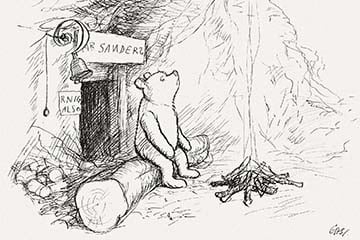
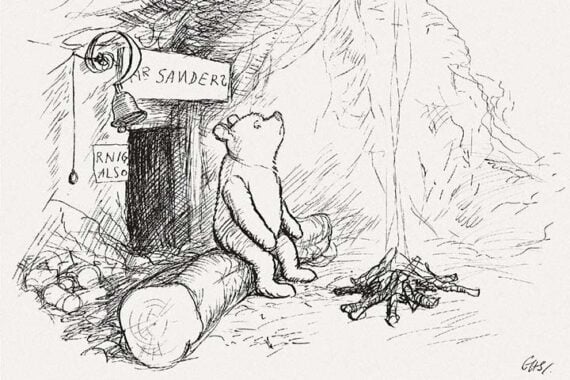
October 14, 2026, marks a significant literary milestone: the centennial anniversary of A.A. Milne’s beloved "Winnie-the-Pooh." First published in the United States and Britain on this date in 1926, the adventures of the honey-loving bear from the Hundred Acre Wood have transcended generations, solidifying their place as a cornerstone of children’s literature and enduring popular culture. This centenary offers an exceptionally broad canvas for content marketers across various sectors, extending far beyond the obvious realms of bookselling and toy manufacturing.
The publishing world is already gearing up for this landmark event, with numerous publishers announcing new editions, collector’s items, and commemorative releases designed to capture the nostalgia and enduring charm of Pooh and his friends. For booksellers and toy shops, the connection is direct and profound, providing ample material for product spotlights, gift guides, and thematic displays. However, the universal themes embedded within Milne’s work—childhood innocence, the complexities of friendship, the serenity of nature, the joy of reading, and even the simple pleasure of a sweet treat like honey—open doors for a much wider array of businesses.
Imagine a specialty food retailer creating content around "Pooh’s Favorite Recipes," featuring honey-based treats or picnic-style meals inspired by the Hundred Acre Wood. An apparel brand could design a limited-edition collection of cozy loungewear or graphic tees adorned with subtle Pooh-inspired motifs, exploring themes of comfort and childlike wonder. Even businesses unrelated to children’s products can find a narrative angle. For instance, a financial advisor might create content discussing the "importance of simple joys and saving for life’s pleasures," drawing parallels to Pooh’s unhurried approach to life. A home goods store could curate a "Cozy Reading Nook" collection, emphasizing the comfort and tranquility associated with a good book, much like Pooh’s own quiet contemplation.
The narrative potential is immense. Content marketers can delve into the historical context of the 1920s, exploring the cultural landscape that gave rise to Milne’s creation. They can analyze the enduring appeal of the characters, perhaps through interviews with child psychologists or literary critics discussing the archetypal nature of Pooh, Piglet, Tigger, and Eeyore. Furthermore, the concept of the Hundred Acre Wood itself can inspire content related to environmentalism, the importance of natural spaces, and the benefits of imaginative play. For businesses aiming to cultivate a brand personality that is warm, nostalgic, and family-friendly, the Winnie-the-Pooh centennial provides an unparalleled opportunity to connect with audiences on an emotional level, fostering a sense of shared experience and cherished memory. The enduring lessons of friendship, kindness, and simple contentment found within these stories continue to resonate, making this anniversary a potent wellspring for authentic and engaging content.
Harnessing the Spirit of the Season: Halloween and User-Generated Content
As the spectral veil thins and the spirit of Halloween descends, October becomes a prime period for e-commerce merchants to tap into the power of user-generated content (UGC). The holiday, a significant economic driver in the United States, projected to generate over $13 billion in spending, extends its reach far beyond traditional categories like candy and costumes. Decorations, entertainment, party supplies, and even the burgeoning pet segment all contribute substantially to Halloween’s commercial impact.
In an era where generative artificial intelligence (AI) can produce polished and abundant content at an unprecedented scale and low cost, the value of authentic human experience becomes increasingly critical. While AI can craft compelling visuals and persuasive text, it cannot replicate the genuine endorsement and social proof that stems from real customers using and enjoying products. UGC—in the form of customer photographs, videos, reviews, and social media posts—provides the irrefutable evidence of product satisfaction that synthetic content simply cannot match.
This distinction is increasingly recognized by major social platforms. Pinterest, for example, has implemented labeling for AI-generated images and offers users the ability to filter them out in certain categories, signaling a growing consumer preference for authenticity. Similarly, TikTok and Meta have introduced measures to identify and label AI-generated content, underscoring the industry’s evolving stance on transparency and the integrity of user submissions.
For e-commerce businesses, October presents a perfect storm to solicit and leverage UGC. An online shop can actively encourage customers to share their Halloween experiences featuring the brand’s products. A kitchenware retailer, for instance, could launch a campaign inviting customers to submit photos of their spookiest cakes, cookies, or themed party platters made with their equipment. An apparel seller might showcase customers sporting creative Halloween costumes assembled with their clothing items, perhaps even offering a prize for the most inventive ensemble. A pet supply store could host a "Pet Costume Contest," encouraging owners to share adorable pictures of their dogs, cats, or other furry companions decked out in festive attire, even if the animals are less than enthusiastic participants.
The most compelling UGC can then be repurposed into a variety of marketing assets. These submissions can form the basis of engaging blog posts, captivating social media updates, informative email newsletters, or even visually rich galleries on product pages. A well-executed UGC campaign not only provides authentic social proof but also fosters a sense of community and brand advocacy among customers. It transforms shoppers from passive consumers into active participants in the brand’s narrative, creating a powerful, organic marketing engine fueled by genuine enthusiasm and shared experiences. The sheer volume of creative output generated by consumers during Halloween, coupled with the holiday’s inherent visual appeal, makes it an ideal testing ground for robust UGC strategies.
Navigating the Nuances: AI Versus Expert in Seasonal Content
October’s transitional nature, marking a shift towards colder weather and holiday preparations, provides a unique opportunity for content marketers to explore the evolving landscape of artificial intelligence in comparison to human expertise. As individuals undertake seasonal chores such as winterizing homes, preparing vehicles for colder climates, storing summer equipment, planning festive meals, and retrieving warmer attire, numerous product-related content opportunities arise.

This seasonal activity allows businesses to create comparative content that highlights the strengths and limitations of AI-generated advice versus the nuanced insights of human experts. A common approach involves posing a specific seasonal task or product-related query to leading AI assistants like ChatGPT, Claude, or Gemini. The AI’s generated response can then be subjected to a critical review by a seasoned professional in the relevant field. This expert can identify the accuracy of the AI’s recommendations, pinpoint any shortcomings or potential misinterpretations, and, crucially, demonstrate a superior or more practical approach.
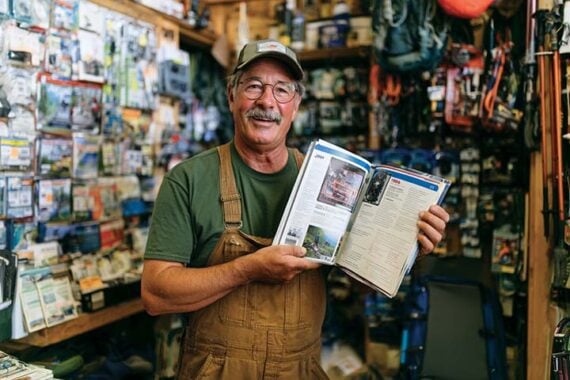
For example, an automotive parts retailer could ask an AI assistant for the best methods to prepare a car for winter driving. The AI might provide a generic list of checks. A skilled mechanic, however, could then analyze this list, adding critical details such as the specific viscosity of oil recommended for extreme cold, the importance of checking tire pressure in fluctuating temperatures, or the nuances of de-icing washer fluid. The mechanic could then create a video tutorial or an in-depth article demonstrating these expert techniques, offering a level of practical advice and safety assurance that AI alone cannot provide.
Similarly, a home improvement store could ask an AI about the most effective ways to insulate a home for winter. The AI might suggest common insulation materials. A professional contractor could then elaborate on different R-values, the importance of sealing air leaks in specific areas, and the potential pitfalls of DIY insulation projects, perhaps even showcasing advanced techniques or specialized tools. This juxtaposition of AI-generated information with expert human knowledge not only provides valuable, actionable advice to consumers but also positions the business as a knowledgeable and trustworthy authority in its domain. It acknowledges the growing presence of AI while reinforcing the indispensable value of human experience, skill, and nuanced understanding, particularly when it comes to safety, complex tasks, or critical decision-making. This content strategy can attract audiences seeking both efficiency and reliability, catering to those who appreciate the convenience of AI but ultimately value the seasoned wisdom of a human professional.
Unearthing History: Leveraging Archives Month for Brand Storytelling
October is recognized annually as American Archives Month, a dedicated observance aimed at raising awareness about the profound value of historical records and the dedicated professionals who work tirelessly to preserve them. This initiative provides a unique and often overlooked opportunity for retail businesses to engage their audiences by delving into their own organizational histories. The concept of "archives" extends beyond dusty manuscripts and formal institutions; for many businesses, it encompasses a rich trove of readily accessible historical assets.

Old catalogs, vintage photographs, past advertising campaigns, original packaging designs, archived newsletters, and even retired product lines can serve as invaluable source material for compelling content. By unearthing these relics of the past, businesses can craft engaging narratives that connect with consumers on a deeper level, highlighting their longevity, evolution, and enduring commitment to their customers.
Consider a long-standing apparel retailer. They could develop a series of "Then and Now" posts or articles showcasing how fashion styles have transformed over the decades, featuring their own merchandise from different eras. This approach not only demonstrates the brand’s heritage but also allows them to comment on broader societal trends and the cyclical nature of fashion. A gardening supply merchant might compare and contrast the tools and equipment they sold twenty or thirty years ago with their current offerings, illustrating advancements in technology, design, and sustainability. This can highlight the company’s continuous innovation and adaptation to changing consumer needs and environmental consciousness.
For newer companies, their "archive" might consist of early industry trade publications, foundational product literature, or records of significant market shifts they have navigated. A kitchenware supplier, for instance, could create a captivating series exploring the evolution of iconic kitchen tools, such as cast iron skillets, illustrating how designs have been refined and materials have improved over time, while still honoring the timeless utility of the originals. This can be presented as a historical deep-dive, showcasing the brand’s understanding of product heritage and its place within that lineage.
The implications of leveraging Archives Month are multifaceted. It allows businesses to differentiate themselves in a crowded marketplace by showcasing a unique legacy and a sustained presence. It can humanize a brand, making it more relatable and trustworthy by demonstrating a history of growth, learning, and adaptation. Furthermore, content derived from archives can appeal to a diverse audience, from history buffs and nostalgic consumers to those interested in the evolution of specific industries or products. By thoughtfully curating and presenting their historical assets, e-commerce businesses can transform their past into a powerful narrative engine, fostering brand loyalty and establishing a distinct competitive advantage rooted in authenticity and enduring presence. This retrospective approach can imbue current offerings with a sense of timeless quality and established expertise.
Capitalizing on Currents: The Power of News Hooks for Engagement
In the dynamic realm of e-commerce content marketing, the ability to effectively leverage "news hooks"—timely, relevant, and trending topics—is paramount for capturing audience attention, fostering engagement, and ultimately driving customer retention. While the specific stories that will dominate headlines in October 2026 remain unknown, proactive content marketers can prepare to react swiftly and strategically when opportune moments arise. The key lies in vigilant monitoring of news outlets, industry developments, influential public figures, and prevailing cultural conversations that align with a shop’s customer base.
A potent example of this strategy in action can be observed in a hypothetical scenario involving a public statement by a prominent figure. Imagine a scenario where a high-profile individual, such as a technology magnate, makes a forward-looking declaration about the future of artificial intelligence. For instance, a statement like, "AI will achieve superhuman capabilities in all digital tasks by the end of 2027, fundamentally altering the landscape of work and creativity," could serve as an immediate and compelling news hook.
An e-commerce content marketer, perhaps for a company specializing in science fiction-themed merchandise or futuristic technology accessories, could swiftly capitalize on this. They might craft an article titled, "Science Fiction Foresaw the AI Revolution: How Authors Predicted Today’s Digital Frontier." Such an article would draw parallels between the pronouncements of contemporary tech leaders and the speculative visions previously explored in classic and contemporary science fiction literature. It could highlight specific authors and works that explored themes of advanced artificial intelligence, digital consciousness, and the societal impact of automation, demonstrating how imaginative narratives often precede technological advancements.
The article could further explore how these fictional explorations have influenced technological development and societal perceptions. It might feature excerpts from relevant books, interviews with sci-fi authors or critics, or even showcase product offerings that directly relate to these futuristic themes, such as apparel featuring iconic sci-fi imagery or gadgets inspired by speculative technology. This approach effectively transforms a breaking news item into a content opportunity that is both timely and evergreen, resonating with an audience interested in the intersection of technology, culture, and imagination.

The success of this strategy hinges on the marketer’s ability to identify a strong, verifiable connection between a current event or statement and their brand’s niche or product offerings. It requires agility in content creation and distribution, enabling the business to be among the first to offer relevant commentary or perspective. By staying attuned to the pulse of public discourse and cultivating a repository of relevant themes and potential connections, e-commerce content marketers can transform fleeting news cycles into sustained engagement, reinforcing their brand’s relevance and fostering a loyal readership that anticipates their timely and insightful contributions. This proactive approach to newsjacking ensures that businesses remain at the forefront of relevant conversations, driving both traffic and brand affinity.